

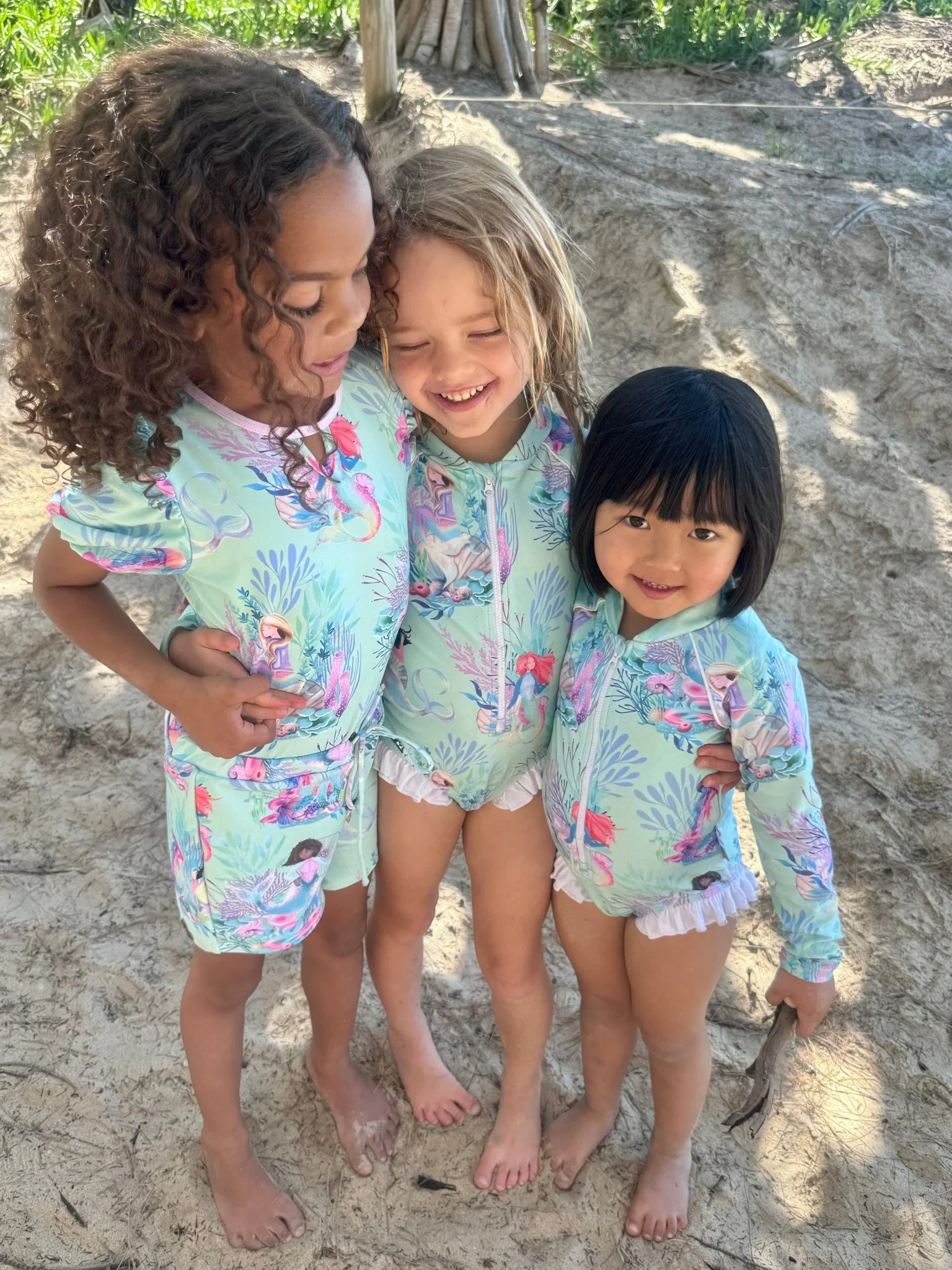
Baby bathing suits are not only essential for sun-filled summer days, but they’ve also become a surprising intersection of fashion and pop culture. This article explores the practical needs of baby swimwear, dives into the streetwear phenomenon created by Bathing Ape (BAPE), and reveals how The Colorful World of Baby Bathing Suits and Bathing Ape: Style, Comfort, and Pop Culture continues to shape trends through the playful Baby Milo character adored by families worldwide.
Understanding Baby Bathing Suits: Safety, Comfort, and Design in The Colorful World of Baby Bathing Suits and Bathing Ape: Style, Comfort, and Pop Culture.
When selecting a baby bathing suit, safety and comfort are the primary concerns for parents, closely followed by aesthetics and the practicality of design. The fabric of a baby bathing suit should always be soft against delicate skin yet resilient enough to withstand sun, sand, chlorine, and repeated washing. Modern baby swimwear often utilizes high-quality synthetic blends like spandex and polyester, which offer quick-drying properties and superior stretch, allowing for ease of movement while minimizing irritation. Breathability is essential, especially during extended periods in the sun, ensuring babies remain cool and comfortable.
UV protection is a vital feature in contemporary baby bathing suits. Many designs now incorporate UPF-rated fabrics that shield against the harmful rays of the sun, a critical concern for children’s particularly sensitive skin. Long-sleeve one-pieces and rash guards have become popular for this reason, merging functionality with fresh, playful designs. Secure fastenings such as snaps along the crotch, sturdy zippers, or easy-to-use Velcro make dressing and changing diapers fast and fuss-free—features that busy parents greatly appreciate, especially when managing an energetic toddler at the pool or beach.
The evolution of baby swimwear reflects broader changes in both materials and style sensibilities. Earlier generations had limited options, often plain and utilitarian, but current trends favor cheerful colors, engaging motifs, and ergonomic cuts inspired by both function and fashion. Child-friendly designs—no scratchy seams, no loose ties, and thoughtful coverage—set modern bathing suits apart.
For parents, choosing the right suit means considering the activity: snug, swim-diaper compatible suits for splash pads, streamlined rash guards for beach outings, or a fun, iconic brand like Baby Milo for pool playdates. In every case, prioritizing quality fabric, protection, and a comfortable, engaging fit ensures every water adventure is a safe, stylish, and joyful experience.
The Rise of Urban Influence in Kids’ Swimwear
In recent years, the boundaries between adult streetwear and children’s clothing have blurred, shifting the landscape of kids’ swim fashion in bold new directions. Baby bathing suits have been swept up in the wave of urban influence, sparked by iconic brands such as Bathing Ape and its playful subset, Baby Milo. These labels, originally steeped in underground culture and urban artistry, ignited a revolution—no longer are tiny swimsuits limited to pastel palettes and standard stripes. Instead, they frequently showcase vivid patterns, graffiti-inspired prints, and unmistakable logo-centric designs emblematic of modern street style.
The embrace of cartoonish motifs, such as the mischievous Baby Milo character, has proven particularly magnetic for design-savvy parents. These fun elements inject a sense of personality and play into baby swimwear, allowing families to express a shared aesthetic that mirrors their own. The miniaturization of famous designs—think the iconic Bathing Ape “shark” motif scaled down for toddlers—carries a sense of exclusivity, transforming the act of dressing an infant into a statement of fashion-forward parenting.
This evolution isn’t the result of aesthetics alone. Major cultural shifts, especially the mainstreaming of hip-hop and celebrity-driven fashion, have directed parental attention toward brands that symbolize aspiration as much as practicality. When artists and influencers share family moments on social media, often outfitted in matching BAPE or Baby Milo swim sets, it sparks widespread consumer desire. Designers are responding by crafting swimwear with elevated fabrics, limited-edition prints, and collaborations that blend pop culture with the playful needs of childhood.
The convergence of urban fashion and baby swimwear reveals that today’s parents view even practical garments as vehicles for creativity, nostalgia, and connection—leading to a new era where the humble baby bathing suit can rival adult trends in vibrancy and cultural relevance.
A Bathing Ape: From Harajuku to Household Name
A Bathing Ape, more widely known as BAPE, embodies the unique blend of Tokyo’s street fashion and playful sophistication that captured global attention. Founded in 1993 in the vibrant Harajuku district by Tomoaki Nagao—better known as Nigo—BAPE was shaped by his love of hip-hop, American pop culture, and his sharp curatorial instinct. With early limited releases, Nigo tapped into the desire for exclusivity, setting BAPE apart as both sought-after and enigmatic. This aura attracted a cult following among Japanese youth, fashion tastemakers, and eventually American rappers and celebrities, further propelling the brand into the limelight.
What defines BAPE isn’t just its scarcity—it’s the brand’s tongue-in-cheek approach to luxury. The choice of name itself pokes fun at Japan’s rising affluence: “A Bathing Ape in Lukewarm Water” references overindulgence. Visually, BAPE cemented its identity around bold camouflage prints, the iconic shark hoodie, and a distinct use of vibrant colors. These motifs not only became status symbols but also upended traditional ideas of what high fashion could look like.
As BAPE garnered global recognition, the brand expanded its creative playground. Recognizing the rising market for miniaturized streetwear, BAPE introduced lines for children, including swimwear. This move didn’t dilute the brand’s philosophy; instead, it extended the playful irreverence and bold aesthetic to the next generation. Baby bathing suits from BAPE often echo the brand’s most recognizable elements—think mini camo prints, bright designs, and logos—offering both comfort and head-turning style for the youngest family members. By channeling the energy of street fashion into baby swimwear, BAPE not only set trends but also fostered a multi-generational coven of streetwear enthusiasts.
Baby Milo: Iconic Character Meets Baby Swimwear
A key player in BAPE’s captivating universe, Baby Milo has become a cultural touchstone extending far beyond its roots in Japanese streetwear. Originally introduced as a cartoon mascot by the brand, Baby Milo quickly captured attention with its uniquely playful persona—marked by round features, big eyes, and a cheerful expression that radiates warmth. This endearing character has found widespread popularity, especially among younger audiences, transforming Baby Milo into both an aesthetic icon and an ambassador for baby and children’s fashion.
What makes Baby Milo stand out in the world of baby bathing suits is the perfect synergy between whimsical charm and stylish sensibility. Collaborations featuring Baby Milo often include vibrant ensembles specifically designed for infants and toddlers, such as swimsuits, rash guards, and matching swim caps. These pieces are adorned with cheerful, multicolored prints starring Baby Milo in settings like tropical beaches or playful underwater scenes, creating an immediate sense of fun and lightheartedness.
Designers at BAPE prioritize not only visual appeal but also the tactile experience for little ones. High-quality, ultra-soft fabrics are chosen to ensure babies’ comfort during summer escapades, while the flat, seamless finishes prevent irritation on sensitive skin. Parents are drawn to the joyful energy Baby Milo brings, while children are naturally attracted to the cuddly character and the vibrant color palettes. Accessories such as towels, floaties, and hats with Baby Milo motifs enable even more playful coordination, turning a day at the beach or pool into a full experience that celebrates youthful expression.
By blending imaginative graphics with real-world practicality, Baby Milo-themed swimwear successfully bridges generational lines, allowing parents to share a piece of streetwear heritage with their children—while ensuring summer style remains accessible, comfortable, and fun.
Style and Practicality: Bringing It All Together
As parents navigate the process of choosing baby bathing suits, the intersection of style and practicality becomes increasingly apparent. Modern swimwear for infants and toddlers is expected to do more than simply cover skin; it must protect sensitive bodies from sun and sand, offer comfort during exuberant water play, and, in today’s visually-driven culture, make a memorable style statement. Functional needs remain paramount—features such as soft, stretchable fabrics, UPF sun protection, and secure fits are non-negotiable for peace of mind. Mainstream baby swimwear brands often focus on these foundational elements, offering suits in pastel colors or simple, playful patterns that blend easily into summertime scenes.
Yet, the rise of streetwear-inspired labels like Bathing Ape (BAPE) has radically changed the expectations for baby swim style. BAPE’s approach, punctuated with bold camo prints, vivid hues, and brand icons like the Baby Milo mascot, brings a distinctive edge to children’s swimwear. These designs aren’t just about catching eyes—they allow even the youngest wearers to express budding personalities through statement-making garments. For parents enthusiastic about fashion, BAPE’s baby bathing suits offer a rare opportunity: to clothe their children in ensembles that reflect both comfort and the energy of pop culture.
This delicate balance—between the technical and expressive—enables children to play with confidence while showcasing playful graphics and innovative streetwear flair. The blending of practicality and pizzazz extends from the drawstrings designed for safety, to the meticulous stitchwork ensuring stretch and durability, all the way to the animated logos that make each piece instantly recognizable and joyful. Ultimately, today’s baby bathing suits stand at the juncture where comfort, protection, and bold self-expression joyfully coexist by the poolside.
Conclusions
Baby bathing suits have evolved from simple necessities to fashion statements, influenced by trends like Bathing Ape and Baby Milo. Parents now expect both style and functionality, with brands offering protection, comfort, and playful designs. By merging urban streetwear with child-friendly sensibilities, today’s baby swimwear reflects a new era in family fashion.