

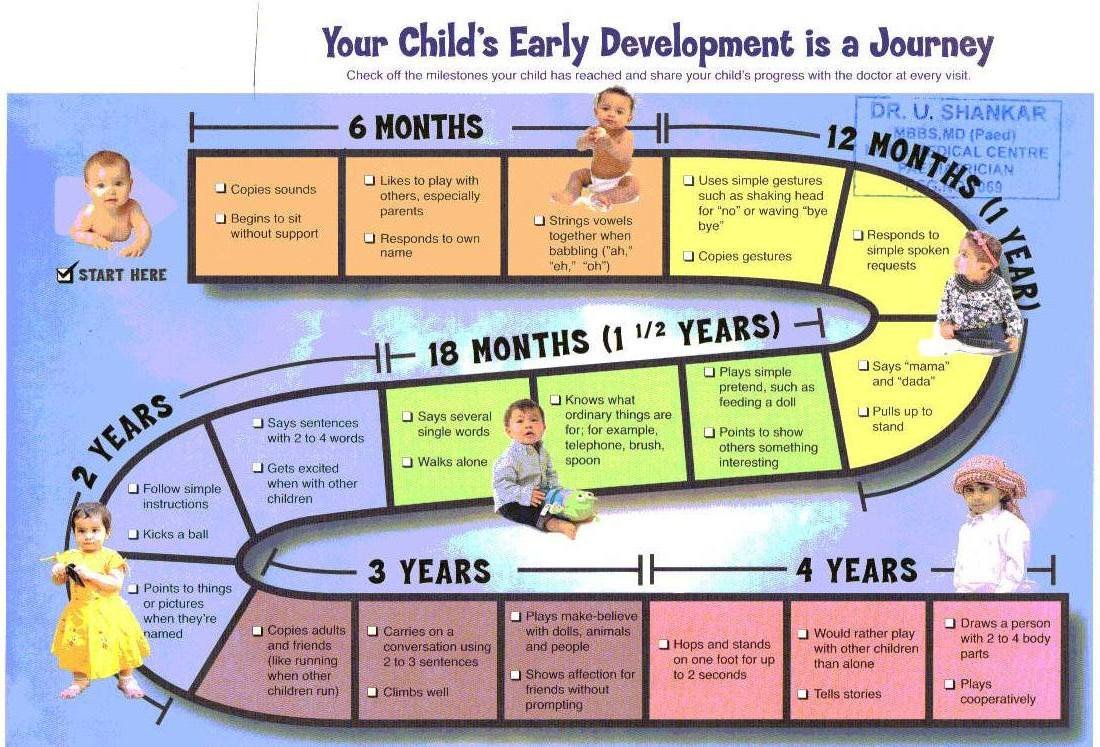
Every baby grows at their own pace, but developmental milestones provide helpful markers for parents tracking their child’s progress. In this article, we explore essential milestones from two to eight months, highlighting how babies grow physically, cognitively, emotionally, and socially. Discover what makes each month unique, what to expect, and when to celebrate your baby’s new achievements through the Top 10 Essential Tips for Understanding Baby Developmental Milestones Month by Month.
The Foundations of Baby Developmental Milestones: Top 10 Essential Tips for Understanding Baby Developmental Milestones Month by Month
The concept of developmental milestones is at the heart of understanding your baby’s growth and progress during the first year. Pediatricians, child psychologists, and developmental experts define milestones as specific skills or behaviors that most children achieve by a certain age. These milestones fall into broad categories: motor (physical movements like rolling or grasping), social (interacting with caregivers and others), cognitive (problem-solving, memory, and understanding), and emotional (expressing feelings and attachment). Tracking milestones month by month gives parents and caregivers a window into their baby’s unique developmental path and helps identify both strengths and areas that may need extra support.
Every baby develops at their own tempo, and the timeline for reaching each milestone can differ widely. While general month-by-month milestones provide helpful guidelines, it’s important to understand there is a large spectrum of “normal.” Some babies may sit unsupported by six months, while others may take another month or two, yet all can be typical. Holistic development—considering the whole child, not just one skill area—is crucial, as progress in one domain often influences others. For example, advances in motor control (like better head support around three months) can open up opportunities for social connection and exploration.
Genetic differences, cultural practices, and environmental factors further shape a baby’s journey. In some cultures, babies may spend more time carried, affecting when they roll or sit. Differences in nutrition, stimulation, and emotional support also impact timing and progression. While most variation is perfectly healthy, consistently missing several milestones or losing previously acquired skills should prompt a conversation with a pediatrician. Early attention to these signs, rather than isolated delays, can make a significant difference in supporting optimal development.
Milestones in the Second and Third Months
During the second and third months, your baby will begin transitioning from the sleepy newborn stage to becoming a more active and responsive infant. The leap in development during these months lays the groundwork for the dramatic changes that will follow. You’ll see emerging physical abilities, early attempts at communication, and the first glimmers of social engagement. These changes reflect the increasingly complex connections forming within your baby’s growing brain and body.
Physical changes become quite apparent. Improved muscle tone means your baby gains better head and neck control, especially while being held upright or during tummy time. Babies start stretching and kicking their arms and legs with purpose rather than random flailing, and hands might begin to open—sometimes even clasping together. Though hands are still often closed in a fist, you’ll notice more voluntary movements and reaching.
Cognitive and social development is highlighted by increased alertness and the first social smiles. Around six to eight weeks, many babies begin to smile in response to faces, especially those of caregivers. This marks the beginning of emotional reciprocity and the developing bond between baby and parent. Babies will also start tracking moving objects with their eyes and turn towards familiar voices.
Cooing sounds and changes in crying patterns signal new forms of communication. Your baby might coo, gurgle, or make “ahh” and “ohh” sounds, indicating early vocal development. Crying becomes more nuanced, with separate cries for hunger, discomfort, or tiredness.
Common milestones between two and three months include:
- Improved head control during tummy time or when supported upright
- Unclenching fists more often, briefly holding objects placed in hand
- Intentional kicking and arm movements
- Focusing on and tracking people, objects, or lights with eyes
- Smiling in response to faces and voices
- Making cooing sounds and differentiated cries
Remember, every baby advances at their own pace. Providing encouragement, talking, and responding warmly to your baby’s cues fosters both confidence and healthy development during these foundational months.
Big Changes: Four to Five Month Milestones
During the fourth and fifth months, babies enter a transformative stage marked by bursts of new abilities. Physical growth accelerates: most babies begin rolling over, a sweeping achievement that builds on the foundational head and neck strength from earlier months. This new mobility is paired with greater control over arm and hand movements. Babies no longer just bat at hanging toys—they start intentionally grasping, shaking, transferring objects between hands, and even reaching out for toys just out of direct sight, signaling developing coordination and problem-solving instincts.
Socially, the months are colored by joyful interactions. Laughter becomes frequent in response to playful voices, funny faces, or gentle tickles. Babies actively seek eye contact, offering smiles to familiar and new faces alike, and start to mimic simple expressions. The conversation between caregiver and baby shifts from cooing to include more expressive sounds and occasional squeals, deepening the reciprocity of early communication.
Cognitive abilities rapidly expand—babies now recognize primary caregivers, showing specific excitement or calming in their presence. Curiosity about the world blossoms; babies carefully observe the movement of light, shadows, pets, or the flow of people in their home. The integration of enhanced sensory processing and increased physical ability fuels this exploration. The ability to bring hands—and objects—to the mouth is a powerful tool, offering new ways to learn about texture, taste, and shape.
To encourage these milestones, offer safe floor time for rolling practice and spread favorite toys within easy reach to entice movement. Play colorful rattles or crinkle toys to stimulate auditory curiosity and grasping skills, or hold a soft mirror near your baby to watch them connect their reflection to their own expressions. Sing, read, and use animated facial expressions: these activities not only spur social and language advances but also deepen your baby’s joyful connection with the people who love them most.
Reaching New Heights: Six and Seven Month Milestones
At six and seven months, babies surge into a thrilling stage of rapid skill acquisition and blossoming personality. Many are now able to sit without support for several moments, relying on their strengthened core and back. This new vantage point opens up a world of discovery; hands are increasingly dexterous, with refined hand-eye coordination allowing them to rake and pick up small objects, transfer toys between hands, and intentionally drop items just to watch the fascinating outcome—an early problem-solving behavior. This is also the age when your baby may respond to their own name, signaling deepening cognitive awareness and selective attention.
Communication flourishes as babbling takes center stage, with delightful strings of vowel and consonant sounds paving the way for language. Social-emotional growth appears in new ways: many babies show signs of separation anxiety, becoming distressed when a parent leaves the room, indicating stronger social bonds and memory skills. This emotional sensitivity is balanced by budding independence, as babies delight in testing their autonomy.
The introduction of solid foods is a foundational experience in these months. Offer purees and soft morsels while closely observing your baby’s readiness cues—such as sitting up with support and showing interest in food. Eating becomes both a sensory and developmental opportunity, supporting oral skills and exposing your baby to novel tastes and textures.
To nurture these achievements, engage in responsive games: play peek-a-boo to encourage object permanence, try stacking cups to hone motor coordination, or invite your baby to mimic your sounds and gestures. Place toys just out of reach to inspire reaching and gentle movement. Celebrate their earliest choices and problem-solving attempts, as these small acts of independence lay the groundwork for future developmental leaps.
Celebrating Eight Months and Looking Ahead
By the time your baby reaches eight months, their world is bustling with movement, personality, and a striking curiosity that colors each day. At this age, many babies are mastering or refining their ability to crawl, with some experimenting with different styles—from classic hands-and-knees to scooting or even rolling. You may notice your little one attempting to pull up to stand on furniture or your legs—an exciting precursor to cruising and walking that’s right around the corner. These new feats of mobility are paired with a blossoming sense of independence and exploration, meaning your home may require more safety tweaks to accommodate their adventures.
Emotionally and socially, eight-month-olds express a broader range of feelings. You’ll see clear signs of joy, frustration, fear, and affection, sometimes in the span of a single play session. Separation anxiety may intensify, contrasting with moments of fearless curiosity. Babies at this stage are also learning to communicate in more nuanced ways. Simple gestures such as waving ’bye-bye’ or lifting their arms to be picked up are not only heartwarming, but also important markers of cognitive and social development.
Tracking these milestones—crawling, standing, expressive gestures—not only helps you savor fleeting moments, but allows you to foresee upcoming stages and anticipate your baby’s needs. Documenting developments, whether through photos, a journal, or milestone charts, equips you with valuable information for pediatric visits and future reflection.
Amid these rapid changes, it’s important to remember there’s a wide range of what’s considered normal. Some babies may skip crawling, go straight to standing, or hit certain milestones on their own timetable. Celebrate your child’s unique journey, support their curiosity with safe exploration spaces, and use each new skill as an opportunity to connect and grow together.
Conclusions
Baby developmental milestones are valuable guideposts that help parents understand and support their little one’s unique journey. By keeping informed about what to expect each month, you can confidently encourage healthy growth and celebrate every step. Always remember, every child develops at their own pace—love, patience, and observation are your best tools along the way.
Learn more about Everything related to a baby in our 🍼 Baby Products
For simple ideas to make your home comfortable for you and your child: [roomluminate].
[…] For a broader look at nurturing development during the early years, check out our guide to baby milestones. […]
[…] more holistic parenting tips? See our baby care guide for month-by-month development tips that go beyond feeding […]
[…] For more tips on child milestones and caring for evolving sleep needs, read our essential guide to baby development. […]
[…] Combo devices (blender plus steamer) are the most popular for good reason—they lock in nutrients during steaming before blending. Using a baby food maker means you know exactly what your child is eating, which is especially valuable if you are concerned about sodium, sugar, or allergies. For more ways to support your baby’s healthy development, check out our baby developmental milestones guide. […]
[…] best results, couple probiotics with other science-backed routines. Explore more on understanding baby developmental milestones or learn about organic baby skincare to support total […]
[…] If you want an all-in-one view of baby care options, check our baby care and parenting guide. […]
[…] formula or help you develop a safe transition plan. For additional support, explore comprehensive baby care tips for developmental milestones as you navigate early feeding […]
[…] Stay informed: Keep up with the latest pediatric advice and product news. For trusted baby development and parenting resources, visit Top 10 Essential Tips for Understanding Baby Developmental Milestones. […]
[…] For more on infant development changes, see our month-by-month milestones guide […]
[…] Manual testing with your wrist or elbow is widely recommended, but research confirms it’s far from precise. Even the best parent can’t feel a two- or three-degree difference reliably, risking accidental injury. The AAP and many countries’ health agencies now recommend both a careful touch test and a dedicated thermometer, especially for infants. (Learn more about overall baby care tips and safe routines here.) […]
[…] For further foundational child development tips, explore this detailed guide on baby milestones. […]
[…] but refine your list based on your actual lifestyle and space. Consider referencing guides like these top 10 baby development tips to align your picks with true developmental […]
[…] you want to maximize your baby’s future by other means, consider reading about child development tips or browse our toy storage solutions to complement your […]
[…] If you are interested in understanding other key milestones in child development, check out our guide on baby developmental milestones month by month. […]
[…] missed paperwork and minimizes stress. For more baby care tips as you prepare, read our detailed baby milestone guide and consider a baby milestone tracker to keep tabs on your infant’s progress during the first […]
[…] searching for safe, valuable entertainment can look instead at evidence-based resources about child development milestones or safe sleep solutions to inform their choices, rather than just following the […]
[…] Support Healthy Development: Pay more attention to your baby girl’s developmental milestones than to keeping up with Instagram trends. This guide is packed with milestone tips for every month. […]
[…] Start by searching reputable retailers and handmade marketplaces for baby reindeer walkers and costumes. If you only find generic walkers, look into safe DIY upgrades. For guidance on baby walker essentials, see our adjustable baby chair guide or explore safe play tips in our baby milestone guide. […]
[…] Choosing a walker now means considering materials, adjustability, ease of cleaning, and value for price. For a deeper dive into parallel growth trends and baby development, see our baby milestones guide. […]
[…] to prepare your home and finances for your new arrival? Check out our nursery storage solutions and baby care tips to help keep your family’s future on […]
[…] This evolving legal landscape also affects other practical matters. For example, families whose children are newly ineligible for citizenship may need to secure dependent visas to maintain lawful status, just as they would for spouses or other noncitizen children. If your child is denied a Social Security card due to pending status, it may affect eligibility for CHIP, SNAP, or Medicaid. For broader advice on child safety, see our guides on toddler bed safety and crib safety tips and baby care tips and developmental milestones. […]
[…] Consider Related Family Supports For holistic early childhood support, read our expert tips on baby developmental milestones and practical toy storage and organization […]