

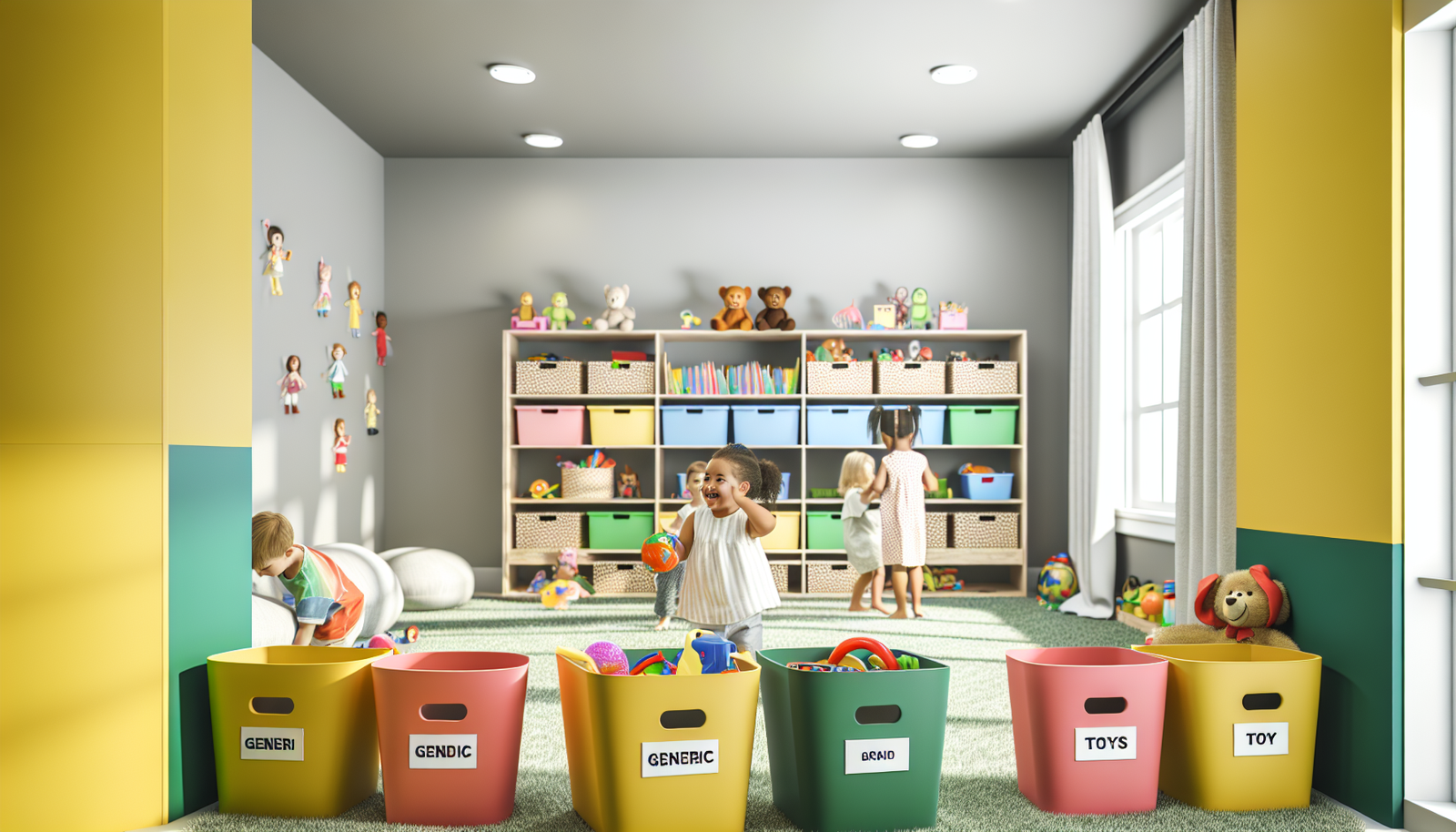
Keeping play areas tidy can feel impossible for any busy parent. But with The Ultimate Guide to Kids Toy Storage Solutions, your child’s space can look organized, safe, and inviting. This guide provides thorough insights into kids’ toy storage, emphasizing practical tips, the latest IKEA innovations, and creative ways to use bins, boxes, and organizers for a clutter-free play zone.
Understanding the Importance of Kids Toy Storage in The Ultimate Guide to Kids Toy Storage Solutions
A thoughtfully designed approach to kids toy storage offers far more than just tidiness—it brings profound practical and developmental benefits to any family home. By prioritizing organized storage with solutions like toy organizers, toy bins, and toy boxes (including innovative options from IKEA), parents can transform the chaos of toy clutter into a harmonious play environment. One immediate advantage is improved safety. Scattered toys across floors can be a tripping hazard, especially for young children. Utilizing storage bins or modular systems like IKEA toy storage reduces these risks, making playrooms safer and more accessible for everyone.
Establishing a routine for returning toys to their designated places streamlines clean-up, turning what might be a dreaded chore into a manageable, often collaborative, activity. Consistency in organization empowers children to understand expectations and actively participate in maintaining their space, reinforcing valuable lessons in responsibility and independence. When children know exactly where their favorite blocks, dolls, or puzzles belong, they also learn to care for their belongings, which minimizes the risk of damage or loss.
Beyond the practical, structured toy storage has substantial psychological benefits. Leading home organization experts emphasize that clutter overwhelms the senses and stifles focus. When a playroom uses toy organizers, toy storage bins, and dedicated cubbies, it becomes a clear, inviting canvas for creativity and learning. Children can easily access and put away toys on their own, supporting independent and imaginative play. Social play also flourishes in organized environments, as children share and collaborate more freely when materials are easy to find and return.
A well-maintained toy storage system fosters a sense of order, predictability, and calm—foundation stones for creativity, self-regulation, and social development. By investing in modern, adaptable storage solutions that reflect children’s changing needs, families nurture an environment where play, growth, and harmony coexist naturally.
Types of Toy Organizers and How to Choose Them
When evaluating toy organizer storage options, it’s essential to recognize that every family’s needs are different, shaped by children’s ages, play habits, available space, and preferred home aesthetics. Open shelving stands out for displaying and accessing toys at a glance. It promotes quick clean-up, allows children to see their favorite toys, and encourages independent play. However, open shelving can become visually cluttered and may not be ideal for very young kids, as items within reach might scatter quickly.
Cubbies or cube storage, especially when paired with labeled bins, combine aesthetic appeal and practical compartmentalization. This is a flexible option perfect for sorting toys by type—like building blocks, dolls, or craft supplies. Cubbies make it easy for children to return items to their rightful place, aiding in habit formation. When choosing cubbies, consider size—ensure bins slide out smoothly and aren’t too heavy for small hands.
Under-bed storage is a smart choice for tight spaces. Slim drawers or rolling bins maximize hidden storage potential, making great homes for larger collections like stuffed animals or art sets. The downside is children may struggle to access these drawers without help, limiting their role in daily clean-up until they’re older.
Stackable bins are highly versatile, with many color and style options to blend with decor. Their modular nature means you can reconfigure your system as your child’s interests change. Look for sturdy, child-safe bins with easy-to-grip handles, and make sure stacks aren’t too tall for little ones to reach the top safely.
Classic toy boxes, whether modern or traditional, offer spacious storage for bulky items. While they corral clutter quickly, they can become “black holes” where toys are forgotten, and some designs may risk pinched fingers. Choose safety-hinged lids and encourage regular sorting.
Ultimately, mixing solutions—such as open shelves for regularly used items and bins or boxes for overflow—allows you to tailor toy room storage to your child’s stage, room size, and family lifestyle, balancing organization, aesthetics, and accessibility.
Smart Storage Solutions from IKEA
When it comes to transforming a playroom with practical toy storage, IKEA stands out as a global leader, shaping how families approach organizing kids’ spaces. IKEA’s unique approach centers on affordability, flexibility, and clean-lined Scandinavian style, making their storage systems not only accessible but perfectly adaptable to growing families and evolving needs. What truly sets IKEA apart is its focus on modularity—systems like TROFAST and KALLAX are designed to grow and change alongside your child’s interests and collections.
The TROFAST system is a favorite among parents for kids’ toy storage. Its combination of sturdy frames and removable, colorful bins makes sorting, categorizing, and accessing toys straightforward for even the youngest users. The bins slide in and out easily, offering customizable configurations: whether you need more shallow trays for LEGO bricks or deeper bins for plush animals, TROFAST adapts seamlessly. This flexibility means storage units can stack vertically for smaller rooms or line up against a wall to create a display surface for play.
KALLAX is another IKEA staple for toy room storage, known for its open cube design that welcomes both open bins and enclosed boxes. Its symmetrical layout is ideal for organizing various toy bins while keeping favorite items instantly visible and within reach. KALLAX’s simplicity allows it to double as a seat, bookshelf, or play surface, which makes it ideal for modern, multi-functional playrooms.
Beyond these products, IKEA’s ready-to-assemble kits invite customization, empowering parents to choose finishes, colors, and organizational inserts that match any décor. Their global influence has made concepts like toy organizer storage and multi-purpose furniture the norm in children’s rooms worldwide. IKEA’s emphasis on modularity, clever design, and economic pricing continues to inspire families to reimagine play spaces as streamlined, joyful environments that keep clutter at bay and creativity flowing.
Toy Boxes, Storage Bins, and Effective Organization Hacks
Toy boxes and storage bins remain timeless staples in kids’ playroom organization, providing both function and flexibility. Choosing the right materials is crucial: *wooden toy boxes* offer durability and a classic look while often doubling as benches; *plastic bins* are lightweight, easy to clean, and perfect for quick access to a rotating selection of toys; *fabric bins* bring softness and come in various fun patterns, making them ideal for younger children and simple to switch out as tastes evolve.
When selecting toy organizer storage, always consider vital safety features. Ensure lids on toy boxes are equipped with slow-close hinges or safety stays to prevent pinched fingers. Rounded corners and smooth edges are essential for minimizing bumps and bruises, especially in high-traffic play areas.
Effective organization hinges on efficient systems. *Labeling bins*—whether with words, pictures, or both—helps kids quickly identify where each toy belongs. This empowers even toddlers to participate in cleanup, builds independence, and streamlines maintenance. Incorporating *color-coding* (assigning every child, or type of toy, a different bin color) provides further clarity and visual appeal, contributing to a more harmonious space and easier sharing in shared playrooms.
Space-saving can be elevated through *creative hacks* such as rotating toy collections—storing away part of the toys and swapping them every few weeks keeps playtime fresh and declutters the room. Embracing *dual-purpose furniture*—like ottomans with inside storage or window seats that double as toy boxes—maximizes function in smaller spaces and adds seating.
Sustaining organization over time involves scheduled clean-ups, regular decluttering, and evolving the storage system as your child’s needs change. Involving kids in arranging, sorting, and labeling their own bins not only gives them ownership but transforms tidying up from a chore into another engaging activity.
Designing the Ultimate Toy Room
Designing the ultimate toy room starts with thoughtful planning, ensuring every inch works for both fun and function. Begin by zoning the space into specific areas: one for active play, another for quiet activities, a corner for imaginative play, and perhaps a cozy reading nook. Each zone can be defined with colorful rugs or themed wall decals, and storage should be tailored to the activities performed in each area.
Integrating storage solutions seamlessly into your layout is key. For example, utilize open shelving units for easy-to-access toys in the active zone, and lidded bins or baskets for art supplies or board games in the creative nook. Popular systems like IKEA’s TROFAST or KALLAX offer adaptable modules and bins that can be rearranged as your child’s needs change. Consider combining different organizer types: clear toy storage bins to showcase favorite playthings, deep drawers for bulkier items, and lower shelves for little ones to reach on their own. Labeling is still helpful, but in a playroom, you can elevate it with pictures or icons that encourage pre-readers to tidy up independently.
A unified decorative theme sparks engagement and reinforces the desire to keep the room organized. Whether you pick a bold color palette, playful animal motifs, or a minimalist Scandinavian look, choose storage pieces that complement this motif, transforming functional furniture into part of the room’s charm.
Most importantly, favor flexible and modular storage designs. As your child outgrows toddler toys and acquires new interests, being able to shift bins, adjust shelf heights, or add new organizers ensures your playroom remains practical and inviting. This adaptability not only future-proofs your investment but also allows the toy room to grow alongside your child, staying as dynamic and creative as the kids who use it.
Conclusions
By thoughtfully combining various storage solutions—like organizers, IKEA systems, toy boxes, and bins—you can create a functional, stylish playroom that supports your child’s growth and play. Smart organization makes cleanup easy, maximizes space, and helps children learn life-long tidiness habits—turning chaos into creativity one toy bin at a time.
Learn more about Everything related to a baby in our 🍼 Baby Products
For simple ideas to make your home comfortable for you and your child: [roomluminate].
[…] a more holistic approach to nursery safety, see our nursery storage solutions to reduce clutter and […]
[…] For broader ways to enhance your nursery and minimize clutter, check out practical toy and storage ideas for the baby room. […]
[…] Make sure to review label transparency and ask your pediatrician about ingredients you’re unsure about—no product is suitable for every baby. To further safeguard your child’s health and environment, check out guides on crib safety tips and nursery storage. […]
[…] more guidance on related setup for your baby’s space, check out practical nursery storage solutions or review safety considerations with toddler bed […]
[…] For safe sleep tips, see our toddler bed safety roundup. And for toy clutter (yes, anti-colic bottles will join the collection soon enough), don’t miss our toy organization guide. […]
[…] Laundry & Durability Tips: Wash sleep sacks in cold water, close all fasteners, and avoid bleach. High heat drying may shrink natural fabrics. Inspect frequently for wear to ensure ongoing safety. See our post on nursery organization and care tips. […]
[…] forums for updated safety practices. For organizing your nursery after installation, view our toy storage solution guide as […]
[…] parents also concerned about chemical free baby care and safe toy storage, the focus on healthy, certified materials is now more than a trend—it’s a […]
[…] nursery solutions, consider pairing your high chair pick with smart organization—see our toy storage ideas for inspiration, or explore healthy baby food preparation tips for a well-rounded feeding […]
[…] Don’t hesitate to return an organizer that’s a poor fit—most retailers offer a 30-day window if unused. See more on return tips here. […]
[…] 0-12 months: Favor sensory play, such as activity gyms, textured teething rings, and musical mobiles—these foster fine motor skills and can minimize screen exposure. See tactile basics in the toy storage guide. […]
[…] out our expert roundup—and ensure all items meet safety and developmental needs using guides like toy storage tips and safe sleep […]
[…] your baby’s future by other means, consider reading about child development tips or browse our toy storage solutions to complement your […]
[…] also preparing other aspects of your nursery or home for a growing child, don’t miss our nursery storage solutions guide and tips for toddler bed safety to set your space up for safe, convenient […]
[…] to broader childcare safety and developmental needs as discussed in our baby milestone tracking and toy safety […]