

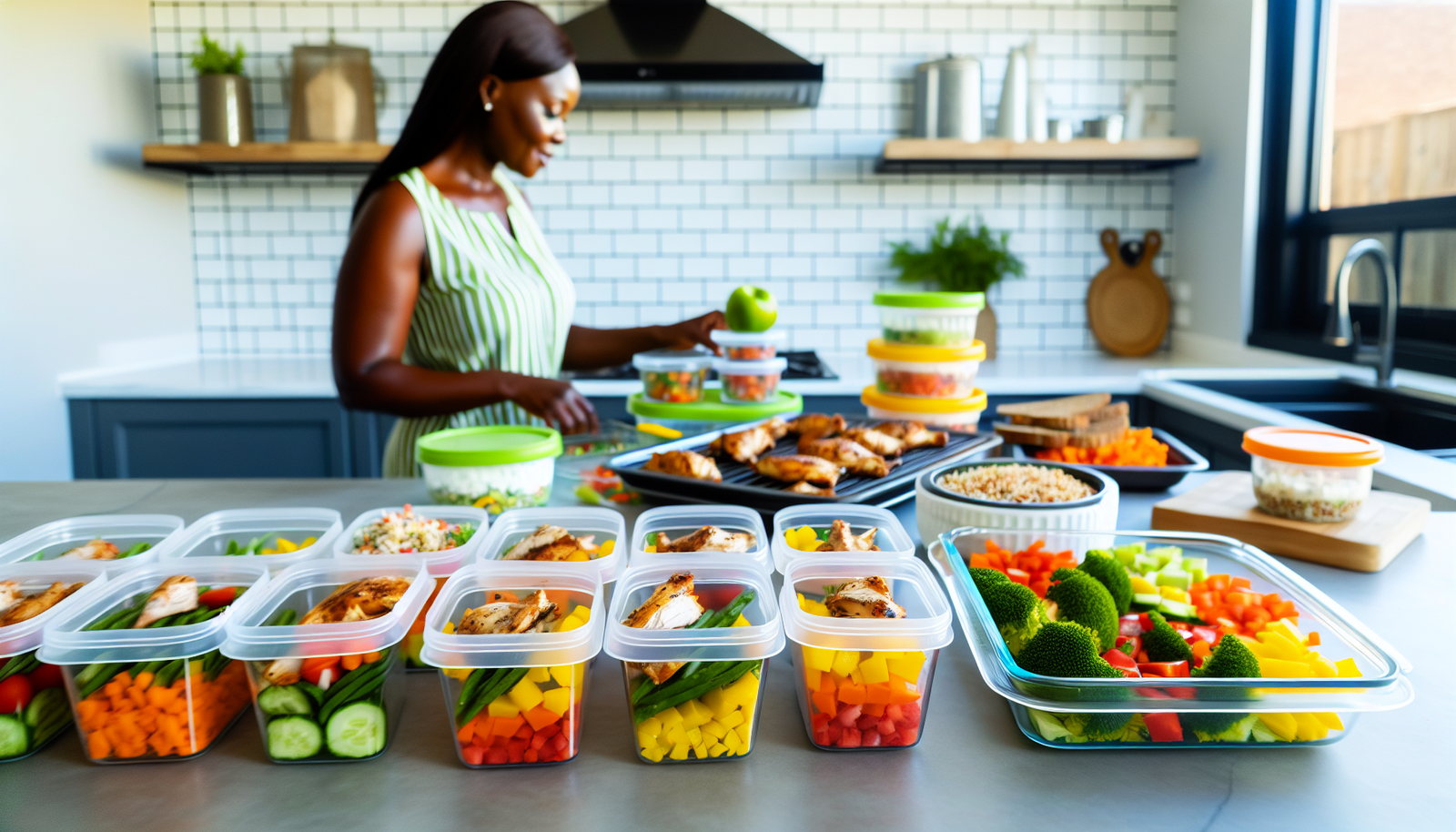
The Ultimate Guide to Meal Prep for a Healthy and High-Protein Lifestyle explores how meal prep has transformed the way people manage their diets and busy schedules. By preparing meals in advance, individuals can achieve health and fitness goals, save money, and maintain consistent control over their nutrition. This guide covers efficient meal prep methods, easy recipes, smart container choices, and step-by-step strategies to build well-balanced meals for breakfast, lunch, and beyond.
Understanding Meal Prep Essentials in The Ultimate Guide to Meal Prep for a Healthy and High-Protein Lifestyle
Meal prep is a foundational habit for anyone seeking a healthier, high-protein lifestyle. At its core, meal prep involves planning and preparing meals in advance, which helps ensure balanced nutrition, saves money, and streamlines the often hectic workweek. Recent studies show that individuals who consistently meal prep are more likely to consume nutrient-dense foods and maintain healthier eating patterns, leading to lower rates of obesity and chronic diseases. Preparing meals ahead of time also reduces impulse takeout orders, helping you stick to both your health and budget goals.
The main meal prep methods are batch cooking, ingredient prep, make-ahead meals, and portioning. Batch cooking means preparing a large quantity of a single recipe (like a high-protein chicken and quinoa stir-fry) then splitting it into servings for the week. Make-ahead meals are dishes fully cooked in advance, designed to reheat well. Ingredient prep focuses on washing, chopping, and cooking key ingredients—such as grilling chicken, pre-cooking brown rice, or chopping vegetables—so that meals can be quickly assembled later. Portioning is the final step, where each meal (breakfast, lunch, or dinner) is divided into appropriately sized containers, giving you grab-and-go convenience.
People pursue meal prep for a variety of reasons—weight loss, muscle gain, saving time, or managing health conditions. High-protein meal prep, for example, is favored by those increasing muscle mass or controlling appetite, while others simply enjoy the convenience and structure meal prep brings. Standardizing portions is vital: measuring out proteins, carbs, and veggies ensures consistency, supports nutrition goals, and helps prevent mindless overeating.
Meal prep fits seamlessly into a busy lifestyle. For example, a Sunday afternoon might be dedicated to prepping overnight oats for breakfast, chicken salad jars for lunch, and sheet pan dinners for the week. With meals assembled and ready, you can spend the rest of your week focused on work, fitness, or family—confident that your nutrition is handled and your choices are planned.
Choosing the Best Meal Prep Containers
Selecting the right meal prep containers is a crucial aspect that can transform your meal prepping experience, directly affecting both food safety and quality throughout the week. The two most popular container materials are plastic and glass, and each has distinct benefits and drawbacks. Glass containers excel in durability and environmental sustainability, withstanding repeated microwaving and dishwashing without degrading or leaching chemicals. They’re stain-resistant and often hold heat well, keeping meals appetizing. However, they are heavier and more prone to breaking, making them less convenient for transport. In contrast, plastic containers are lightweight and shatter-resistant, often coming in a wider range of shapes and sizes for portion control. When choosing plastic, opt for BPA-free or food-grade varieties to reduce potential chemical exposure, and replace worn containers promptly, as scratches can harbor bacteria.
Airtight seals are essential for preserving freshness and preventing spills, especially if carrying meals for work or school. Look for containers with reliable locking mechanisms and silicone gaskets to prevent leaks and maintain moisture balance. Compartmentalized designs are valuable for separating proteins, grains, and vegetables, minimizing cross-contamination and keeping textures distinct.
Freezer and microwave compatibility broadens the scope of your meal prep—ensure labels verify these features before purchase. For organization, clear containers allow for faster meal identification, but systematic labeling is just as important. Use erasable markers or removable labels to note prep dates and contents, helping you prioritize older meals and reduce food waste.
Stackable containers conserve fridge or freezer space and streamline your kitchen, while uniform sizes enable efficient storing and transport. After portioning meals, cool them completely before sealing to prevent condensation and bacterial growth. Regularly inspect and clean containers, avoiding abrasive scrubs that damage surfaces. Adopting mindful storage habits guarantees that your healthy, high-protein meals retain their flavor, texture, and safety all week long.
Easy and Healthy Meal Prep Recipes
Get creative with your weekly menu by building meals around lean proteins, colorful vegetables, and hearty whole grains, making every meal both nutritious and satisfying. Chicken is a meal prep superstar; grill or roast several chicken breasts on Sunday, then slice and use them in a variety of recipes. Try tossing cubed chicken with roasted vegetables and quinoa, or stirring it into a high-protein stir-fry with brown rice and edamame. For extra flavor, use different spice blends or marinades—think lemon herb, taco seasoning, or garlic ginger.
For easy high-protein breakfasts, batch-cook egg muffins: beat eggs, mix in chopped spinach, diced peppers, lean turkey or cottage cheese, and bake in a muffin tin. Store them in your containers for a grab-and-go breakfast that keeps you full. Overnight oats are another versatile, high-protein option—combine rolled oats, Greek yogurt, chia seeds, and your favorite mix-ins, and let them sit in the fridge overnight.
Lunches can be vibrant and balanced with DIY protein bowls. Layer cooked grains, crisp raw or roasted vegetables, and your choice of protein—chicken, tofu, or hard-boiled eggs—then top with a simple olive oil dressing or hummus. For a Mediterranean twist, assemble meal prep boxes with grilled chicken, brown rice, cucumber, cherry tomatoes, and tzatziki.
Remember, diversity is key for long-term satisfaction and nutrition. Rotate your ingredients weekly to avoid boredom and ensure you’re getting a range of vitamins and minerals. Consider preparing double batches, so you can freeze some portions for busy weeks. High-protein and veggie-packed snack boxes with hard-boiled eggs, baby carrots, hummus, and cheese cubes will help you stay fueled between meals. By using a smart mix of easy recipes and ingredient variety, you’ll have delicious, nourishing meals ready to grab each day.
How to Meal Prep for Maximum Efficiency
Learning how to meal prep for maximum efficiency turns meal planning into a streamlined routine that supports a healthy, high-protein lifestyle without overwhelming your schedule. Start by allocating a specific time each week for planning your menu, ideally using a simple template: a mix of protein sources, vegetables, complex carbs, and healthy fats across your meals. When mapping out your weekly menu, factor in your activity levels and dietary targets, noting special preferences like chicken-centric or plant-based days. Build your grocery list from these plans, grouping items by category (produce, protein, grains) to cut down on shopping time.
Set aside a meal prep day—often Sunday works well—and break the process into manageable stages. Begin by marinating proteins or slicing vegetables, allowing flavors to develop while you cook others in batches. Invest in time-saving tools such as a slow cooker, air fryer, or multi-cooker to cook large portions simultaneously with minimal oversight. Roasted sheet pan meals, one-pot grains, and hard-boiled eggs can be batch-prepped while you assemble breakfast jars or salad boxes.
When storing your meals, use high-quality containers with tight seals for freshness and leak protection. Glass containers are optimal for easy reheating, while divided bento boxes work well for complete lunches. Organize meals by refrigeration priority: consume perishables like leafy greens first and freeze extra portions for later in the week. Always cool hot foods before sealing and stowing them away to avoid condensation and spoilage.
Label each container with contents and date for efficiency. When reheating, ensure food reaches the recommended temperature, especially for chicken and eggs, for food safety. With grab-and-go storage, breakfast, lunch, and protein snacks become effortless, supporting your health goals while minimizing day-to-day meal decisions.
Protein-Packed and Chicken Meal Prep for Active Lifestyles
When aiming for a high-protein, performance-driven diet, chicken is a versatile meal prep staple that delivers lean protein, adapts to countless flavors, and stays moist and appetizing even after refrigeration. This makes it ideal for active lifestyles focused on muscle gain or weight management. To maximize protein intake while keeping your meals exciting, begin by prepping large batches of boneless, skinless chicken breasts or thighs using a variety of seasonings—think smoked paprika, garlic and herb blends, or Asian-inspired marinades. Roasting or grilling several fillets simultaneously saves time and allows for flexible pairing throughout the week.
Pair protein-rich chicken with a balanced mix of complex carbs and vegetables for sustained energy. Consider assembling containers with chicken and brown rice, quinoa, or whole grain couscous, tossed with steamed broccoli, roasted sweet potatoes, or mixed bell peppers. For even more variety, sliced chicken can transform into meal prep salad jars layered with hearty greens, cherry tomatoes, cucumbers, and a sprinkle of feta, or become the filling for wraps and high-fiber tortillas paired with leafy greens and avocado.
For omnivores, combining chicken with legumes, like lentil or bean salad sides, further boosts protein content. Vegetarians pursuing a high-protein meal prep routine can swap chicken for tofu, tempeh, or seitan, which absorb marinades and flavors just as well. Pair these with grain bowls, chickpea salads, or veggie stir-frys to match the macronutrient balance active lifestyles demand.
Portioning these meals in high-quality, leak-proof containers ensures freshness and separates cold salads from hot entrées, making it easy to grab a nourishing lunch or dinner on the go. The key is to vary seasonings, grains, and sides to prevent palate fatigue while consistently meeting high-protein goals.
Conclusions
Meal prep empowers anyone to achieve their nutrition and lifestyle goals with minimal stress. By adopting effective strategies, choosing the right containers, and preparing diverse, high-protein recipes in advance, you simplify healthy eating and save valuable time. With these tips and ideas, meal prep can become an enjoyable and lasting habit for optimal wellness.
Learn more about Everything related to a baby in our 🍼 Baby Products
For simple ideas to make your home comfortable for you and your child: [roomluminate].
[…] Risks of allergy testing are rare but real. An oral food challenge can provoke a reaction (even anaphylaxis), but is always done in a setting equipped for emergencies. Skin prick testing may cause irritation, and blood tests can be stressful for infants and parents. For more on emotional and behavioral health at this age, see our toddler behavior guide. […]