

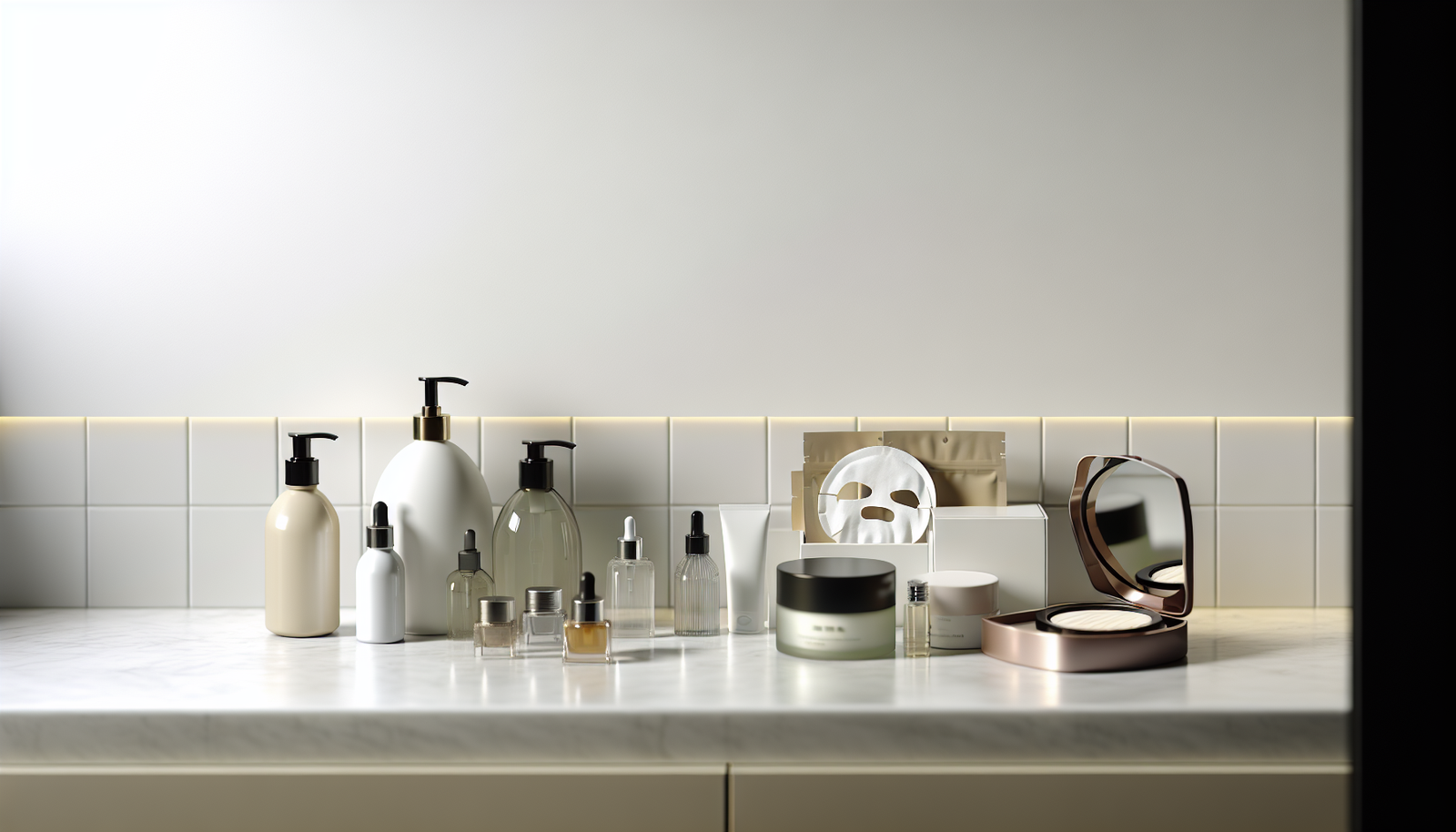
Achieving healthy, glowing skin is more than a trend—it’s a blend of science, routine, and innovative skincare products. The Ultimate Guide to the Best Skincare: Routines, Products, and Korean Beauty Techniques explores the fundamentals of skincare, effective routines, and the rise of Korean skincare (K-beauty) methods. Whether you are new to skincare or seeking the latest solutions, this comprehensive guide offers in-depth advice to help you make informed choices for radiant, youthful skin.
Understanding the Basics of Skincare in The Ultimate Guide to the Best Skincare: Routines, Products, and Korean Beauty Techniques
Skincare is the science and daily practice of maintaining and improving the health of your skin—the body’s largest and most visible organ. Far beyond aesthetics, your skin acts as your body’s primary defense system, forming a resilient barrier against pathogens, environmental pollutants, and damaging ultraviolet (UV) rays. It also regulates temperature and prevents water loss, making it crucial to overall health and resilience. Effective skincare routines support this natural barrier through consistent cleansing, which removes impurities and excess oils that can obstruct pores; moisturizing, which ensures the skin retains essential hydration for flexibility and repair; and protection, especially from the sun, to reduce cumulative UV damage that accelerates aging and increases skin cancer risk.
Science reveals that skin health reflects and responds to lifestyle habits. Hydration is vital—adequate water intake helps maintain cellular function and skin elasticity. Nutrient-rich diets, filled with antioxidants like vitamins C and E, help combat oxidative stress, one of the key drivers of premature skin aging. The process of oxidative stress involves unstable molecules, or free radicals, which break down collagen and elastin, weakening skin structure over time. Furthermore, quality sleep triggers biological repair mechanisms, allowing the skin to recover from daily damage and optimize renewal.
Preventive care is at the core of effective skincare, emphasizing not just correction, but protection against potential stressors before visible concerns arise. This approach bridges daily hygiene—such as regular gentle cleansing and mindful product application—with advances in cosmetics and dermatology, creating routines that harness both tradition and innovation. Skincare, as both a health practice and a beauty ritual, is uniquely positioned at the intersection of science, prevention, and self-care—laying the foundation for more targeted routines, ingredient knowledge, and therapeutic interventions explored in subsequent chapters.
Essential Skincare Products and Their Functions
To curate an effective skincare regimen, understanding the core products and their purposes is vital. Cleansers function as the foundation by removing dirt, excess oil, and environmental pollutants, setting a fresh canvas for the rest of your routine. Popular ingredients in cleansers include gentle surfactants, hydrating agents like hyaluronic acid (for deep hydration), and in Korean skincare, botanical extracts that cleanse without over-stripping.
Moisturizers are designed to replenish water content and reinforce the skin’s barrier. Common actives include hyaluronic acid (for deep hydration), ceramides (to support the lipid barrier), and peptides (to encourage collagen production), promoting a supple, resilient complexion. Finding a moisturizer suitable for your skin type—gel-based for oily skin, richer creams for dry types—is key to effectiveness.
Sunscreens play a critical protective role, guarding the skin against UV-induced aging and damage. Filters can be mineral (like zinc oxide) or chemical (such as avobenzone), with antioxidants like vitamin E or C to bolster defense. Aim for broad-spectrum SPF 30 or higher regardless of season or weather.
Serums and treatments are concentrated formulas that target specific concerns—think vitamin C serums for brightening and antioxidant defense, retinol for boosting cell turnover and smoothing texture, or spot treatments with salicylic acid for blemish control. These products typically have smaller molecular structures or higher concentrations of actives to penetrate more deeply than creams or lotions.
In the skincare world, “cosmetics” are formulated for cleansing, beautifying, or altering appearance without affecting skin structure or function. “Cosmeceuticals” straddle cosmetics and pharmaceuticals, offering bioactive ingredients with measurable skin benefits, though not as strictly regulated as “drugs” that treat or alter physiological processes. Regulations influence product claims—cosmetics cannot legally claim to “treat” skin conditions, while drugs require rigorous clinical validation.
Interpreting ingredient lists empowers better choices: ingredients are listed in descending order by concentration, so actives higher on the list are present in greater amounts. Familiarity with both the formula and a product’s intended effect allows you to build a regimen fit for your unique skin needs.
Constructing an Effective Skincare Routine
A well-constructed skincare routine is not just about what products you use—it’s also about how, when, and why you use them. Crafting the ideal regimen means tailoring steps to your skin’s unique needs, balancing proven science with daily habits. For every routine, cleansing should begin and end your day. In the morning, a gentle cleanser removes overnight sweat and excess oil, while in the evening, it washes away makeup, sunscreen, and pollutants. Those with oilier skin may opt for gel cleansers, while dry or sensitive types should seek hydrating or cream formulas.
Exfoliating is best performed two to three times weekly, depending on skin sensitivity. Over-exfoliation weakens the moisture barrier, but regular use—whether through chemical exfoliants like AHAs and BHAs or gentle scrubs—encourages cell turnover and clearer skin. After cleansing (and exfoliating, if it’s that day), toning helps to rebalance skin pH and prep the surface for better absorption of actives.
Serums and actives are next, their lightweight, concentrated formulas delivering potent ingredients right where they’re needed. Apply water-based serums before oils, and always layer from thinnest to thickest consistency. For issues like aging or acne, actives such as retinoids or salicylic acid may be used a few times each week rather than daily, based on tolerance. Moisturizer locks in hydration and forms a protective layer, and should never be skipped—even by those with oily skin.
In the morning, sunscreen is essential as the final step, shielding skin from UV damage and premature aging. At night, you might substitute this step with overnight masks or richer creams if needed. Clinical research underscores the importance of using products in a particular order and adapting routines for life stages, seasonal changes, or specific concerns. The key is consistency and gentle adaptation, ensuring your routine grows with your skin’s evolving needs.
Innovations in Korean Skincare
Among the most transformative forces in modern skincare, the rise of Korean beauty—commonly known as K-beauty—has redefined how the world approaches skin health. K-beauty is renowned for its innovative, multi-step routines that prioritize hydration, gentle layering, and ingredient synergy. Instead of focusing solely on correcting flaws, Korean skincare is deeply rooted in prevention and achieving a luminous, dewy look often described as “glass skin.” This aesthetic reflects not just cosmetic ideals but also cultural values around self-care and daily rituals.
A hallmark of K-beauty is its extensive use of unique, science-backed ingredients. Snail mucin, for example, is lauded for its deeply hydrating properties and potential to accelerate skin repair and reduce hyperpigmentation. Bee venom is believed to help calm inflammation and support collagen synthesis, while fermented plant extracts harness natural enzymes and probiotics that can brighten skin tone and improve resilience. These ingredients, often processed with gentle, innovative techniques, cater to sensitive skin and reinforce skin barrier function.
Korean routines endorse gentle application methods: products are patted rather than rubbed, emphasizing absorption over friction. Sheet masks, soaked in nourishing essences, offer both efficacy and self-care rituals, while cushion compacts have revolutionized sunscreen and makeup touch-ups by combining hydration, coverage, and UV defense in a single portable format.
Internationally, the appeal of K-beauty lies in its fun, customizable routines and multifaceted products that combine hydration, treatment, and protection. The emphasis on lightweight, natural formulations addresses varying climates and skin types, further driving global adoption. Within Korea, shifting beauty standards are also evident—youthful, radiant skin is increasingly prioritized over extreme whitening or matte effects. This dynamic sector continues to influence global beauty markets, harmoniously blending tradition, innovation, and evolving ideals.
Selecting the Best Skincare for Your Needs
Selecting skincare that truly fits your needs requires more than simply buying the latest trending product. Start by accurately determining your skin type: oily, dry, combination, sensitive, or normal. Oily skin often benefits from lightweight, oil-free moisturizers and gentle cleansers, while dry skin calls for rich, hydrating creams featuring ceramides and hyaluronic acid. For sensitive skin, prioritize fragrance-free formulas and short, straightforward ingredient lists. Combination skin may require spot-treating different areas with targeted products.
Understanding product labels is empowering. Focus on the active ingredients and their concentrations—such as retinol for anti-aging, niacinamide for brightening, or salicylic acid for acne. Be cautious with terms like “natural” or “hypoallergenic,” as they are not strictly regulated and can be used for marketing purposes without substantial evidence.
Spot potential allergens by familiarizing yourself with common culprits: fragrance, essential oils, certain preservatives like formaldehyde releasers, and dyes. If you have a history of allergies or sensitive skin, conduct a patch test before incorporating any new product. Apply a small amount behind the ear or on the inner forearm; wait 24 to 48 hours to observe any reaction.
Always consider your lifestyle and goals. Busy schedules may call for streamlined routines—cleansing, moisturizing, and sunscreen as daily essentials, while a more elaborate routine can incorporate exfoliants, serums, and masks. K-beauty offers inspiration, but balance trend appeal with ingredients and methods proven by science. While adventurous, expensive formulations aren’t always superior to simple, effective options.
If you struggle with persistent concerns—like severe acne, rosacea, or eczema—a dermatologist’s guidance ensures tailored, safe treatment rather than guesswork. Prioritize consistency and adapt your routine as your skin changes over time. Ultimately, a personalized, well-informed approach gives you control over your skincare journey, blending curiosity with caution and evidence.
Conclusions
Effective skincare starts with understanding the basics, choosing suitable products, and following a routine rooted in both science and tradition. Korean skincare innovations inspire new approaches, but personalizing your regimen is key. By staying informed and attentive to your skin’s needs, you’ll achieve healthier, more radiant skin in the long term.
Learn more about Everything related to a baby in our 🍼 Baby Products
For simple ideas to make your home comfortable for you and your child: [roomluminate].