

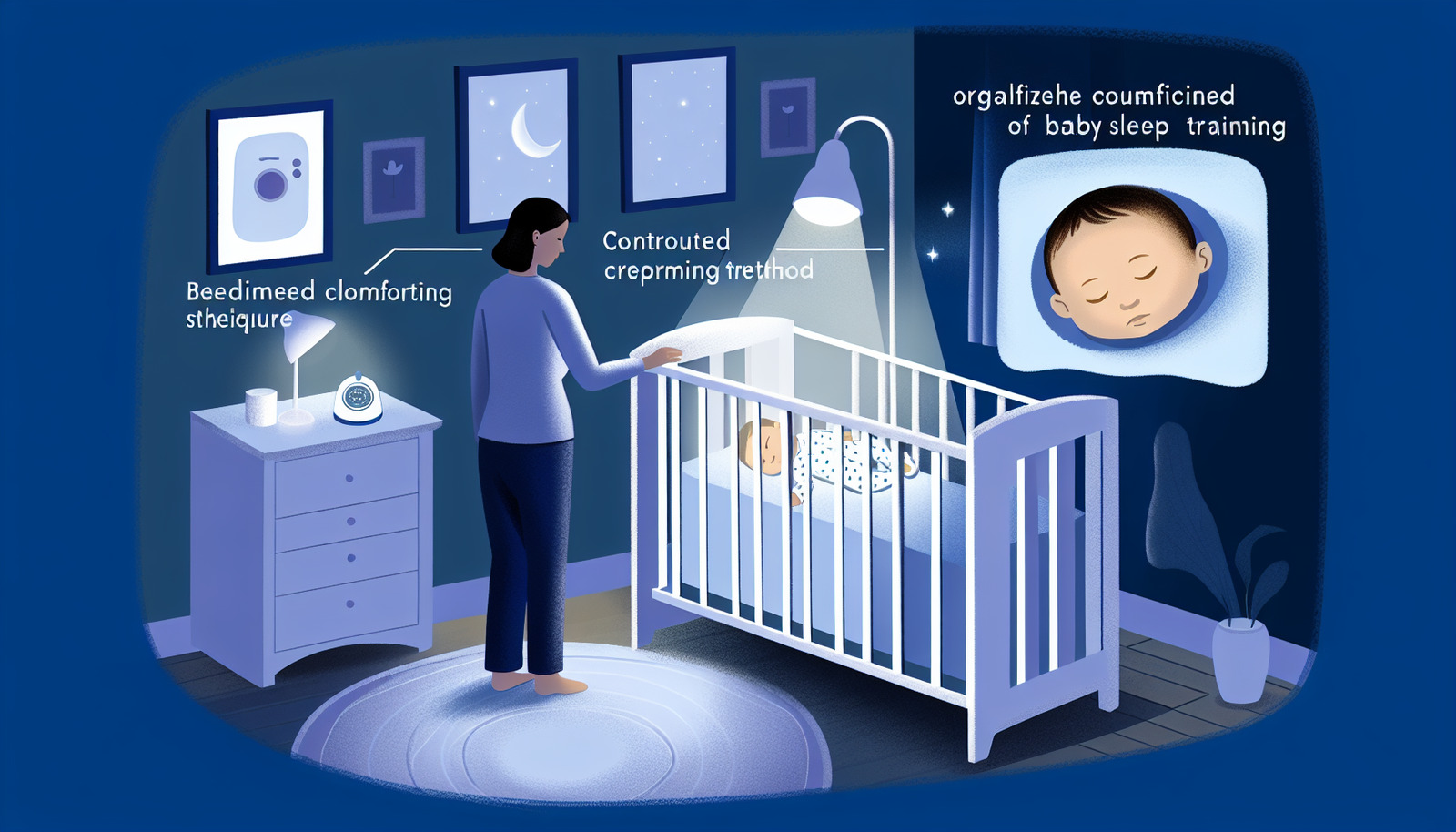
Effective Sleep Training for Babies with the Ferber Method is a process many parents consider to help babies develop healthy sleep habits. This article explains what sleep training is, why it’s used, and explores the Ferber method in detail, covering the science behind it, practical tips, and the results parents can expect to make an informed decision about their child’s sleep routine.
What Is Sleep Training and Why Is It Needed? A Guide to Effective Sleep Training for Babies with the Ferber Method
Sleep training refers to a variety of strategies designed to help infants and young children learn to fall asleep independently and remain asleep through the night. At its core, the purpose of sleep training is to promote healthy, consistent sleep habits that support a child’s physiological and emotional development. For many families, the process begins when parents notice persistent sleep struggles—such as prolonged bedtimes, frequent nighttime awakenings, or difficulty self-soothing—which can disrupt the sleep of both the baby and the household. Recognizing the toll that sleep deprivation can take, many parents turn to sleep training as a solution that encourages better rest for everyone.
One motivation for sleep training is the recognition that regular, restorative sleep is crucial for infant growth, brain development, emotional regulation, and immune function. When sleep is inconsistent or fragmented, children can experience irritability, developmental delays, and even health concerns. For parents, the negative impact of sleep disruption often extends into daily life, affecting mood, patience, work performance, and relationships.
Sleep training methods have evolved over decades, influenced by research, cultural values, and shifting societal norms. Approaches range widely, from gentle, parent-present interventions to more structured methods like the Ferber Method, which blends brief periods of comforting with gradually increasing intervals of independence. Cultural perspectives shape these methods significantly. For example, in many Western societies, the goal of sleep training is to support a child sleeping independently in their own space. In contrast, co-sleeping is widely practiced and valued in many non-Western cultures, where the emphasis may be on familial closeness rather than solitary sleep skills.
This diversity reflects a complex interplay between biology, tradition, and parental goals. Whatever the approach, the key focus remains supporting the child’s ability to sleep well, balancing their developmental needs with the well-being of the entire family.
Development of Infant Sleep Patterns
During the first year of life, infant sleep patterns undergo remarkable evolution, transitioning from erratic cycles to more consolidated stretches. Newborns naturally experience frequent night wakings, often every two to four hours, a behavior rooted in biology. These fragmented sleep cycles serve several critical purposes: they ensure regular feeding, vital for rapid growth, and keep infants in lighter sleep states as a protective mechanism against sudden infant death syndrome (SIDS). Research suggests that babies spending more time in lighter, easily interrupted sleep may be less at risk for SIDS, as they are more likely to arouse in response to breathing irregularities.
This frequent waking, while adaptive for the infant, can profoundly affect the sleep of caregivers. Fragmented parental sleep has been linked to increased stress, mood disturbances, and even postpartum depression. Studies highlight that parents enduring prolonged night interruptions often report poorer daytime functioning and lower family well-being. For babies, although night wakings are developmentally normal, persistent sleep fragmentation can sometimes impact mood, feeding patterns, and even developmental trajectories if combined with other stressors.
As months progress, many infants gradually lengthen their nighttime sleep stretches and develop circadian rhythms, especially when supported by consistent routines and environmental cues. However, individual differences remain substantial. Some infants naturally transition to fewer night wakings, while others continue to require parental assistance to resettle, fueling the interest in sleep training strategies such as the Ferber Method.
Encouraging sleep independence not only supports a baby’s ability to self-soothe and go back to sleep between sleep cycles but also significantly benefits caregivers. Multiple studies demonstrate that as infants develop these skills, whole-family sleep quality improves, leading to better emotional health and family dynamics. Thus, understanding the dynamic course of infant sleep helps caregivers balance biological needs with the gradual introduction of structured sleep practices.
An Overview of Popular Sleep Training Methods
In the landscape of infant sleep training, several methods have emerged, each with distinct philosophies, benefits, and challenges. One of the most recognized is the extinction method, often referred to as “cry it out.” This technique involves putting the baby to bed while drowsy but awake and then allowing them to self-soothe without parental intervention, even if they cry. The goal is for the infant to learn to fall asleep independently. While supported by some parents for its efficiency, critics note that the high levels of distress—especially in the early days—can be emotionally challenging for both child and caregiver.
Another widely used strategy is the Chair Approach. In this method, parents sit in a chair next to the baby’s crib as they fall asleep, gradually moving the chair farther away each night until the child no longer needs their presence to sleep. This technique typically offers more emotional comfort for both parties, though it requires patience and consistency, as progress can be slow and setbacks frequent.
Gentle sleep coaching methods include techniques such as “pick up/put down” or gradual withdrawal, where parents provide more frequent reassurance—like patting, shushing, or picking the baby up when they cry—and gradually reduce this support over time. These approaches minimize distress but often demand substantial time and repetition.
Amidst these options, the Ferber Method—also known as “graduated extinction”—has gained significant popularity. It stands apart by advocating timed intervals of parental reassurance. Instead of ignoring the baby’s cries altogether, as in full extinction, parents return to soothe their infant after predetermined periods, increasing these intervals over subsequent nights. This structured method seeks to balance the baby’s learning of self-soothing skills with intermittent comfort, often making it more palatable for families hesitant about traditional cry it out strategies. The growing favor of the Ferber Method stems from its structured, evidence-informed process and adaptability to individual family needs.
The Ferber Method Explained Step-by-Step
The Ferber Method, created by Dr. Richard Ferber, is one of the most widely recognized sleep training approaches and is often described as “graduated extinction.” This technique teaches babies to fall asleep independently by allowing them to self-soothe, but with structured and supportive parental interventions. Preparing for the Ferber Method starts with establishing a consistent and calming bedtime routine, such as a bath, quiet stories, cuddling, and dim lighting. Ensuring your baby is healthy, at least 4-6 months old, and adequately fed before bedtime is essential before beginning sleep training.
Once your bedtime routine is set, place your baby in the crib drowsy but awake. Leave the room, and if your baby begins to cry, wait for a predetermined, short initial interval—typically starting with 3 minutes—before returning briefly to offer comfort. Comforting should be quick and gentle, such as a light pat or soothing words, but avoid picking up the baby. Leave again and gradually increase the waiting intervals (usually 5, then 10 minutes, and so on) with each return. This “interval-based comforting” is the heart of the Ferber Method, allowing babies to learn self-soothing without feeling completely abandoned.
Over several nights, incrementally lengthen the intervals between your check-ins. This gradual process helps foster healthy sleep habits and independence in the child. Importantly, the Ferber Method is distinct from full “cry it out” approaches because it incorporates scheduled, reassuring parental check-ins, balancing comfort with the opportunity for self-regulation.
The Ferber Method is not advisable for very young babies or those with underlying health concerns. Night feeding should still be provided if it’s age-appropriate or recommended by a pediatrician; you can always resume the interval system after a necessary feeding. With patience and consistency, most families see improvement within a week, and adjustments can be made to suit individual nighttime needs.
Effectiveness and Long-Term Outcomes of Sleep Training
A substantial body of research has examined the effectiveness and potential long-term outcomes of sleep training, including the Ferber Method. Multiple randomized controlled trials and meta-analyses consistently show that graduated extinction techniques, like the Ferber Method, lead to significant improvements in infant and toddler night sleep. Studies typically report a reduction in the number and duration of nighttime awakenings, earlier sleep onset, and overall longer stretches of uninterrupted sleep by the end of the intervention, often within just a few days to a week.
Beyond immediate sleep gains, research has explored whether sleep training might impact a child’s stress levels, emotional wellbeing, or development. Physiological studies measuring infant cortisol—a stress hormone—have shown no sustained increase in baseline stress following sleep training using graduated extinction. Follow-up studies months and even years after implementing the method have shown no adverse effects on emotional regulation, cognitive development, or behavioral outcomes in children.
One of the most prominent concerns among parents involves potential risks to parent-child bonding and attachment. High-quality longitudinal research finds no differences in attachment security between children who underwent sleep training and those who did not. Moreover, studies often reveal that improved infant sleep leads to enhanced parental mood, reduced symptoms of postpartum depression, and increased overall family functioning, which indirectly benefits the parent-child relationship.
Long-term analyses suggest sleep training, when performed as recommended, is safe and not linked to adverse psychological harm. The evidence underscores that parents can expect improved sleep for both child and family. While some infants may initially protest the new nighttime routine, the gradual nature of the Ferber Method helps minimize distress, and most children continue to develop secure, trusting relationships with their caregivers.
Conclusions
In summary, sleep training, including the Ferber Method, is a researched and structured approach to help infants develop healthy sleep routines. While various methods exist, many offer safe, effective results without negative long-term effects. By understanding the options and following best practices, parents can confidently support their child’s—and their own—well-being through better sleep.
Learn more about Everything related to a baby in our 🍼 Baby Products
For simple ideas to make your home comfortable for you and your child: [roomluminate].