

### Blog Post:
Reusable baby diapers have rapidly gained attention in 2024 as more parents weigh the environmental and financial consequences of diapering choices. Understanding how reusable options stack up against disposables—and how to avoid common headaches—can help you make informed, practical decisions for your family and the planet.
Key Takeaways
- Reusable baby diapers can cut diapering costs by up to 50%, but require more daily effort and know-how than disposables.
- Modern cloth diapers are safer and less wasteful, though issues like fit, leak prevention, and proper washing routines are crucial for success.
- Environmental impact is lower with cloth if you use efficient washing and avoid energy-intensive drying.
- What Are Reusable Baby Diapers and Why Consider Them?
- How to Start With Reusable Baby Diapers: Practical Steps
- Common Pitfalls and Real-World Problems With Reusable Diapers
- Conclusion
- FAQ on Reusable Baby Diapers
What Are Reusable Baby Diapers and Why Consider Them?
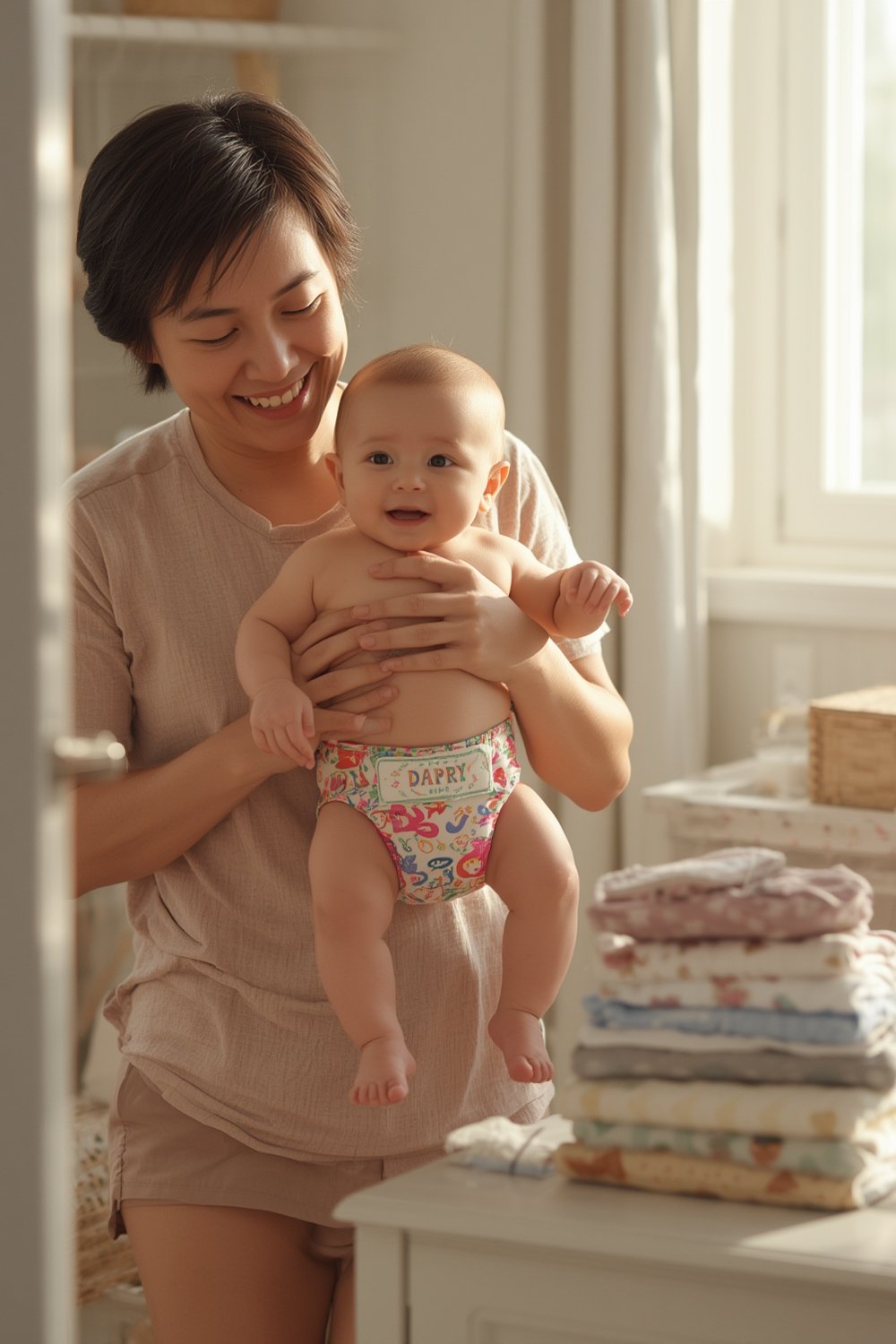
Reusable baby diapers, also called cloth or washable diapers, are designed to be cleaned and used multiple times as an alternative to single-use disposable diapers. Unlike disposables, which account for roughly 79% of the global diaper market in 2024, reusables create far less waste and have a lower total resource footprint over a baby’s diaper-wearing years.
Global awareness about landfill impact—such as the fact that up to 20 billion disposable diapers end up in US landfills annually and can take up to 500 years to decompose (source)—is fueling interest in reusables. Parents increasingly cite long-term savings and avoiding exposure to certain chemicals as additional reasons to consider switching. Modern options include all-in-ones (AIOs), pocket diapers, prefolds, and hybrids, which have come a long way from old-fashioned pins and plastic pants.
How to Start With Reusable Baby Diapers: Practical Steps
Getting started with reusable baby diapers is easier than ever, but success comes from smart setup and realistic expectations. Here’s how to make the transition manageable and cost-effective for modern families:
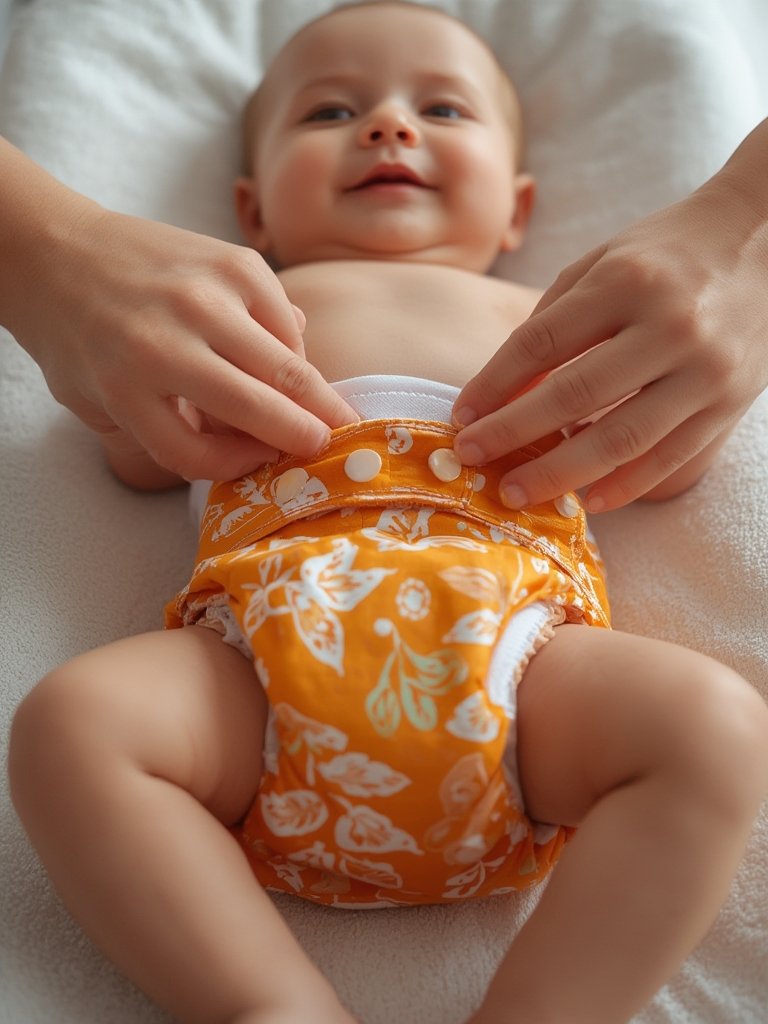
- Research and Choose the Right System. Decide between popular types: all-in-ones (AIO), pocket diapers, snap-in inserts (AI2), traditional prefolds with covers, or hybrid systems. Consider your needs, budget, and how much daily laundry you’re willing to do.
- Build a Sufficient Stash. For most families, 20–30 diapers is a good starting point. Less means more frequent washing. Add extras like wet bags and liners for daycare or outings.
- Learn the wash routine. A structured routine—quick rinse, main wash with detergent, and line drying—prevents odors and extends diaper lifespan. Efficient, eco-friendly detergents and modern washing machines make this less overwhelming than in the past.
- Master Fit and Absorbency. Adjust snaps or Velcro for a snug but not too tight fit. Experiment with natural fiber inserts (like hemp or bamboo) for overnight or heavy wetting. Watch for compression leaks, especially in car seats.
- Plan for Outings. Always pack a wet/dry bag for soiled diapers when away from home. Consider using disposables during travel or at daycare if needed.
- Stay Consistent and Tweak. Monitor for skin irritation or leaking issues and keep adjusting your wash or fit routine as needed. Don’t hesitate to combine cloth with disposables for flexibility.
For more guidance on related setup for your baby’s space, check out practical nursery storage solutions or review safety considerations with toddler bed safety.
Common Pitfalls and Real-World Problems With Reusable Diapers
Switching to reusable baby diapers pays off for the environment and your wallet, but it surfaces its own set of challenges. Here’s a no-nonsense look at the realities parents face:
Comparison Table: 2-Year Estimated Cost and Waste
| Metric | Disposable Diapers | Reusable Diapers |
|---|---|---|
| 2-Year Cost (USD) | $1,680 – $2,000[1] | $540 – $1,200[2] |
| Waste Generated | ~1 ton per child[3] | Much less (approx. 20–30 diapers reused 50–200 times) |
| Upfront Investment | Low (recurring monthly) | High (paid at once) |
| Laundry Requirements | None | Ongoing; adds ~$10–25/month utilities |
| Travel/Daycare Ease | Very High | May be limited; many daycares do not accept cloth |
| Leak/Performance | Modern designs, superior absorption | Vary by fit & insert; more routine management needed |
| Skin Sensitivity | Chemicals/fragrance possible | Natural materials available, but requires frequent changes |
Challenges Cited Most Often
- Performance Issues: Frequent leaks, especially at night, are a top concern. Disposable diapers usually perform better for heavy wetters or long outings. Not all reusable fits are equal—babies grow fast, and what fits one month may not work the next.
- Washing Workload: Expect 2–3 extra laundry loads per week. Incorrect wash routines lead to smells, buildup, or even skin rashes from detergent residue. Efficient, routine washing with safe detergents is key.
- Daycare and Travel Barriers: Many childcare providers will not accept cloth due to policy or hygiene challenges, leading families to use a mixed approach. Hauling wet diapers while out and about may not fit every lifestyle.
- Initial Cost: Expect to spend $300–600 upfront for a reasonable system. For some, this is a deal-breaker, despite lower overall lifetime cost.
- Confusing Choices & Sizing: The variety of systems (AIO, pocket, hybrid) can be overwhelming. Sizing issues, especially for premature babies or medical needs, are under-discussed in popular guides. Most brands do not offer preemie-specific options.
- Skin Health: Cloth is often gentler for sensitive skin, especially if your child reacts to chemicals in disposables. However, infrequent changes or detergent buildup can still lead to rashes or redness.
For a deeper understanding of related child development stages influenced by diapering habits, see understanding baby developmental milestones.
Environmental Impact Reality Checks
- Washing and Drying: Cloth stays eco-friendly only if you wash efficiently—cold or warm water, avoid frequent tumble drying, and line drying when possible. Excessive hot washes and frequent machine drying reduce your environmental edge.
- Certification Confusion: Not every “green” diaper is certified. Look for GOTS, OEKO-TEX, or similar recognized certifications, but know that most labels only apply to textile parts, not plastic waterproof layers or snaps.
- Hybrid Use Is Normal: Many families use a combination of cloth and disposables—cloth by day, disposable at night or for trips. This is a realistic, stress-relieving compromise, not a failure.
If baby’s skin is extra sensitive, you might find value in organic baby skincare tips—since healthy, irritation-free skin depends on both diapering and topical care.
Conclusion
Modern reusable baby diapers deliver clear waste-reduction and long-term savings, but require upfront commitment, realistic maintenance, and a willingness to troubleshoot. Balancing convenience, cost, and environmental impact means there is no perfect way—blending systems is often the best fit for busy families. Weigh your own needs, evaluate your home routines, and be open to tweaking the setup as life changes. Ready to give reusable baby diapers a try? Start small, iterate, and see what works best for your family and planet—your wallet and conscience will thank you.
If you’re researching other baby gear upgrades, explore our advice on choosing the best stroller travel systems or discover anti-colic baby bottle solutions for feeding ease and comfort.
FAQ on Reusable Baby Diapers
Are reusable baby diapers really cheaper than disposables over time?
Yes, even considering washing costs and accessories, most families spend 30–50% less over two years with cloth diapers than with disposables. The main expense is the initial setup.
How many reusable diapers do I actually need?
Most families find that 20–30 diapers is a good number for full-time cloth diapering, allowing every other day washing. Fewer is possible for part-time or if you’re combining with disposables.
What should I do if I get persistent leaks?
Leaks are usually due to improper fit or low absorbency. Try adjusting the diaper fit, using extra inserts (especially hemp or bamboo at night), or troubleshooting your washing routine for residue buildup.
Can I use reusable diapers at daycare?
Many US and global daycares do not accept cloth diapers, citing sanitary or convenience policies. Ask your provider about their rules and consider a hybrid approach if necessary.
How do I prevent diaper rash with cloth diapers?
Change frequently, use a good wash routine with cloth-safe detergent, and consider adding a liner to wick moisture from the skin. If rash appears, check for detergent residue or possible need for more breathable natural fiber inserts.
thc gummies near me online with express delivery
[…] All Parts Before every use, make sure all parts contacting milk are sterilized. Some users find eco-friendly cleaning methods help reduce harsh chemical residue for sensitive […]