

Baby thermometer digital devices are now a top choice for parents who want fast, reliable temperature checks without disturbing their children. As digital technology evolves, these tools have become smarter, more accessible, and packed with features to make parenting easier—but not all models are created equal.
Key Takeaways
- The digital baby thermometer market is growing rapidly, with smart, non-contact infrared models on the rise.
- Not all devices are equally accurate or easy to use; understanding core features and pitfalls helps avoid mistakes.
- Staying informed about updates and safe use is essential for parents—especially with technology evolving fast.
- Understanding Digital Baby Thermometers: What and Why
- Step-by-Step Guide: How to Use and Choose a Digital Baby Thermometer
- Advanced Analysis & Common Pitfalls
- Conclusion
- FAQ
Understanding Digital Baby Thermometers: What and Why
Digital baby thermometers have become an essential tool for modern households. Unlike old analog models, digital options provide fast visual readings, often within seconds. Innovations in 2024 include smart thermometers that sync with mobile apps, non-contact infrared models, and even AI-powered sleep safety features. Why the shift? Parents are more aware of non-invasive, hygienic ways to monitor fevers, and global events have made accuracy and convenience top priorities.
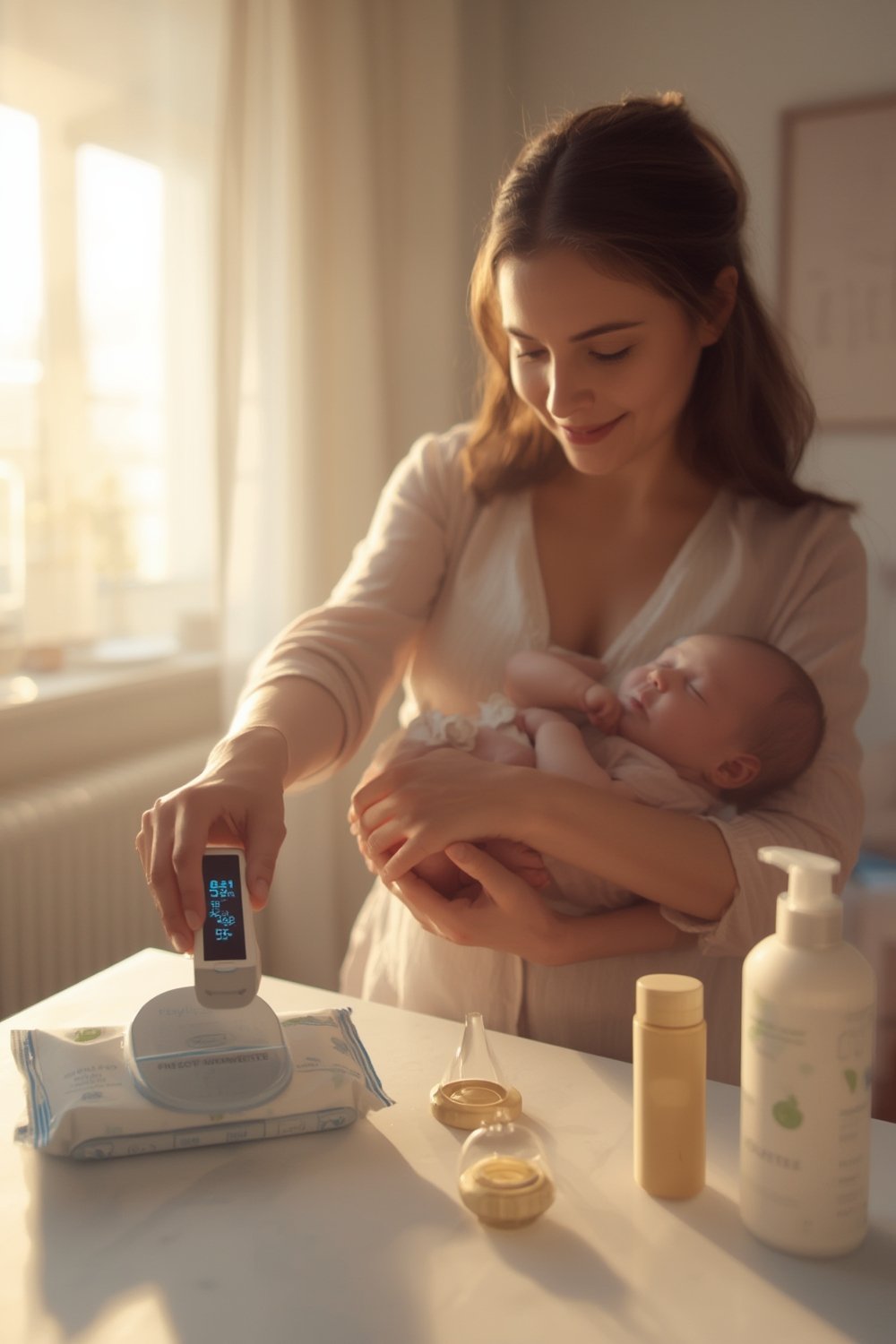
The latest research shows this market is booming. One 2024 report notes global growth from USD 1.49 billion in 2024 to USD 1.65 billion by 2025, at over 10% CAGR through 2030. Driven by rising demand for convenience and hygiene, parents worldwide are embracing digital baby thermometer options, especially contactless models that offer speed and reduced fuss. As highlighted in another market analysis, China saw a 30% rise in consumption during the 2023 holidays—e-commerce and increased parental awareness are fuelling growth globally.
With multiple form factors—underarm, oral, ear (tympanic), and non-contact forehead—each offers unique pros and cons. Some parents also turn to smart options with Bluetooth, allowing temperature tracking and alerts integrated with broader baby care routines. But with all these choices, decision paralysis is common. How do you cut through the noise and pick the right thermometer?
When focusing on overall family health, consider pairing your thermometer setup with safe sleep practices for toddlers and other essentials like a smart baby monitor.
Step-by-Step Guide: How to Use and Choose a Digital Baby Thermometer
Choosing the right baby thermometer digital model involves more than picking what’s on sale. Here’s a concrete process for both selection and daily use:
-
Assess Your Needs:
- If you want temperature checks during sleep, consider a non-contact infrared models.
- For tracking trends, choose a smart thermometer with app integration. Look for features similar to those found in leading wifi baby monitors.
- If your baby is sensitive to touch or easily startled, prioritize tip shape and speed.
-
Evaluate Accuracy and Consistency:
- While recent studies on model-by-model accuracy are lacking, user experience suggests at-home consistency is usually more important than chasing medical-grade specs.
- Check for medical device certifications (FDA, CE) for peace of mind. Note: According to the latest regulatory research, there are no recent major recalls or warnings in this product category.
-
Understand Features:
- Infrared, contactless scanning—good for quick checks but may be less reliable if sensor is dirty or environment is too cold/hot.
- Contact models (underarm, rectal, oral)—slower, but usually more consistent if your child can tolerate them.
- Backlit displays and color-coded fever alerts are highly recommended for nighttime use.
- Consider models with Bluetooth/app functionality if you want automated logging.
-
Using the Thermometer:
- Always clean the sensor with alcohol (if permitted) and allow it to air dry before/after use.
- Follow manufacturer instructions for placement—incorrect positioning is the most common cause of odd readings.
- Check battery life regularly—replace if readings become erratic.
- Record readings if the child is sick, and show your log to your pediatrician if symptoms persist.
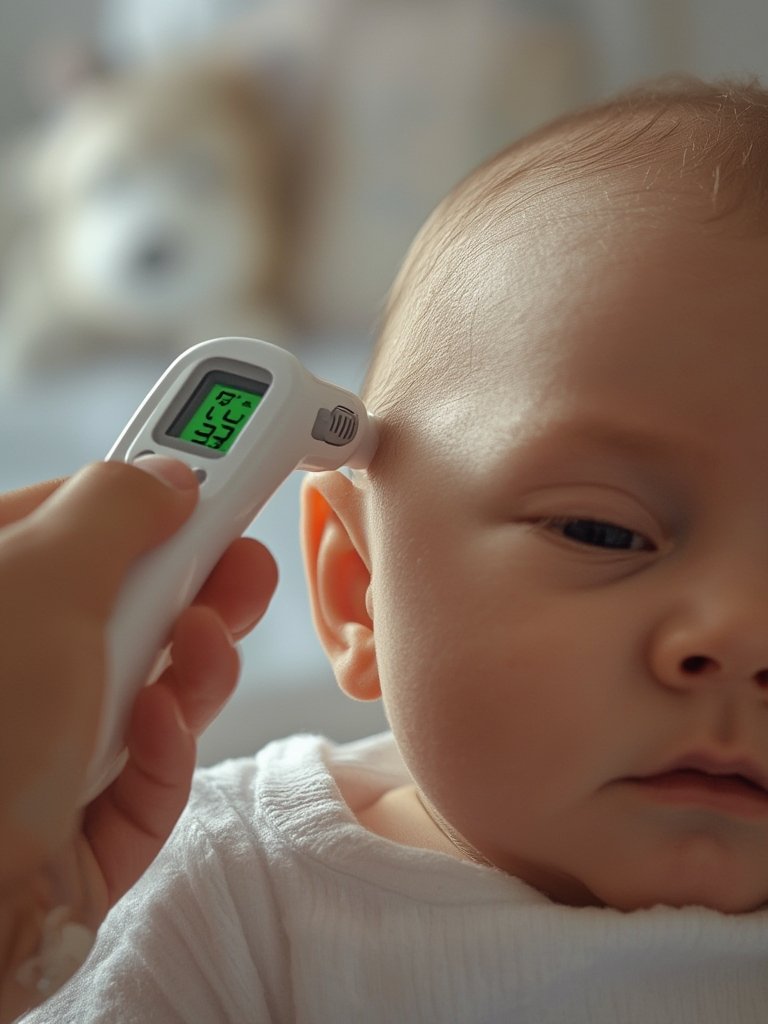
If you’re building out the family nursery, make sure thermometer storage (and other care tools) are organized and hygienic. Browse kids toy storage ideas and nursery solutions for inspiration, and check out safe baby skincare as part of a healthy-care routine.
Advanced Analysis & Common Pitfalls
While intuitive, digital baby thermometers can still trip up new users. It’s vital to understand what tends to go wrong so you can avoid unnecessary worry or wasted purchases.
| Model Type | Pros | Cons | Common Pitfalls |
|---|---|---|---|
| Infrared / Non Contact | Instant results, no discomfort, hygienic, ideal for sleeping babies | Ambient temperature interference, sensitive to dirt/smudges on lens | Improper distance from forehead leads to inaccurate results; forgetting to clean sensor affects accuracy |
| Contact Digital (Underarm, Oral, Rectal) | Consistent readings, unaffected by room temp | Slower, can be invasive or distressing for some babies | Placement mistakes, not waiting long enough for reading, cleaning issues |
| Smart Thermometers | Trend tracking, app integration, data export, quick results | Requires batteries / charging, privacy concerns, potential software bugs | App mis-sync, device compatibility, battery runs out unexpectedly |
- Dirty sensors account for many bad readings. Clean before every use.
- Poor positioning (especially with non-contact models) is the #1 cause of odd results.
- Low batteries and poor device calibration often go ignored but can quickly erode trust.
- Panic from single high reading: Always take at least two or three readings if the first seems “off” before jumping to conclusions or heading to the ER. Consult your pediatrician if in doubt.
- No major safety recalls or warnings are current; still, always check for up-to-date device certifications like FDA or CE marks (source).

For a holistic approach to child health, combine accurate temperature tracking with strategies for understanding baby milestones and managing issues like sleep regression or bedtime challenges.
Conclusion
The global shift toward digital baby thermometer technology reflects a broader trend: parents want reliable, non-invasive ways to care for their children—without adding unnecessary stress. Knowing the strengths and weaknesses of each type makes daily checks straightforward. Don’t forget to keep your baby thermometer digital device clean, calibrated, and properly stored, and integrate temperature tracking with your wider child wellness routine. Ready for more peace of mind at home? Consider upgrading to a feature-rich digital thermometer, and always consult your pediatrician with any health concerns.
FAQ
Are digital baby thermometers accurate enough for newborns?
Most high-quality digital thermometers are accurate within 0.2-0.4°F if used correctly. For newborns, rectal temperature checks with contact thermometers are often considered most reliable, but modern non-contact models are adequate for screening.
How often should I calibrate or test my digital thermometer?
Ideally, calibrate upon purchase and then every few months, or if you notice unusual readings. Some smart models offer self-check functions or app-based notifications.
Can I use a non contact infrared thermometer on a sleeping baby?
Yes, that’s a major advantage of non-contact models—no need to wake or disturb your child. Always make sure the sensor is cleaned and the distance from the forehead matches the manufacturer’s instructions.
Is app connectivity for digital baby thermometers safe and worthwhile?
App connectivity is convenient for tracking temperature trends and sharing data with your doctor. Choose trusted brands, check privacy settings, and always update the app for security.
What maintenance do digital baby thermometers need?
Wipe the sensor and body after each use; replace batteries or recharge as needed. Store the device securely, away from direct sunlight or high humidity, and check manufacturer instructions for cleaning protocols.
[…] you want to complete your infant care toolkit, check out our guide on choosing the best digital baby thermometer for safe and easy home health […]