

Baby carrier ergonomic design is essential for parents looking to support healthy hip and spinal development while ensuring safety and all-day comfort for both caregiver and child. As safety regulations and best practices evolve, understanding how to choose and use an ergonomic baby carrier can directly impact your child’s wellbeing and your own parenting experience.
Key Takeaways
- New 2024 safety standards like ASTM F2236-24 require enhanced labeling, flammability testing, and ergonomic positioning guidance for baby carriers.
- Correct use of ergonomic baby carriers reduces suffocation risk and supports healthy hip and spinal development—misuse remains a leading cause of injury.
- Buyers should prioritize certified, adjustable carriers that address body type, long-term durability, and sustainable materials over non-compliant or generic options.
- What Makes a Baby Carrier Ergonomic and Why It Matters
- How to Safely Use an Ergonomic Baby Carrier: Step-by-Step Guide
- Advanced Analysis & Common Pitfalls When Choosing or Using Ergonomic Carriers
- Conclusion
- Frequently Asked Questions
What Makes a Baby Carrier Ergonomic and Why It Matters
An ergonomic baby carrier is purposely designed to support a baby’s hips, spine, and airway, and also distribute the baby’s weight safely and comfortably for the caregiver. Recent 2024 safety standards, especially in the US, have updated requirements that focus on more than just construction—they include clearer warning labels, stricter flammability tests on fabrics and padding, and a push for instructional materials that help prevent risky misuse.
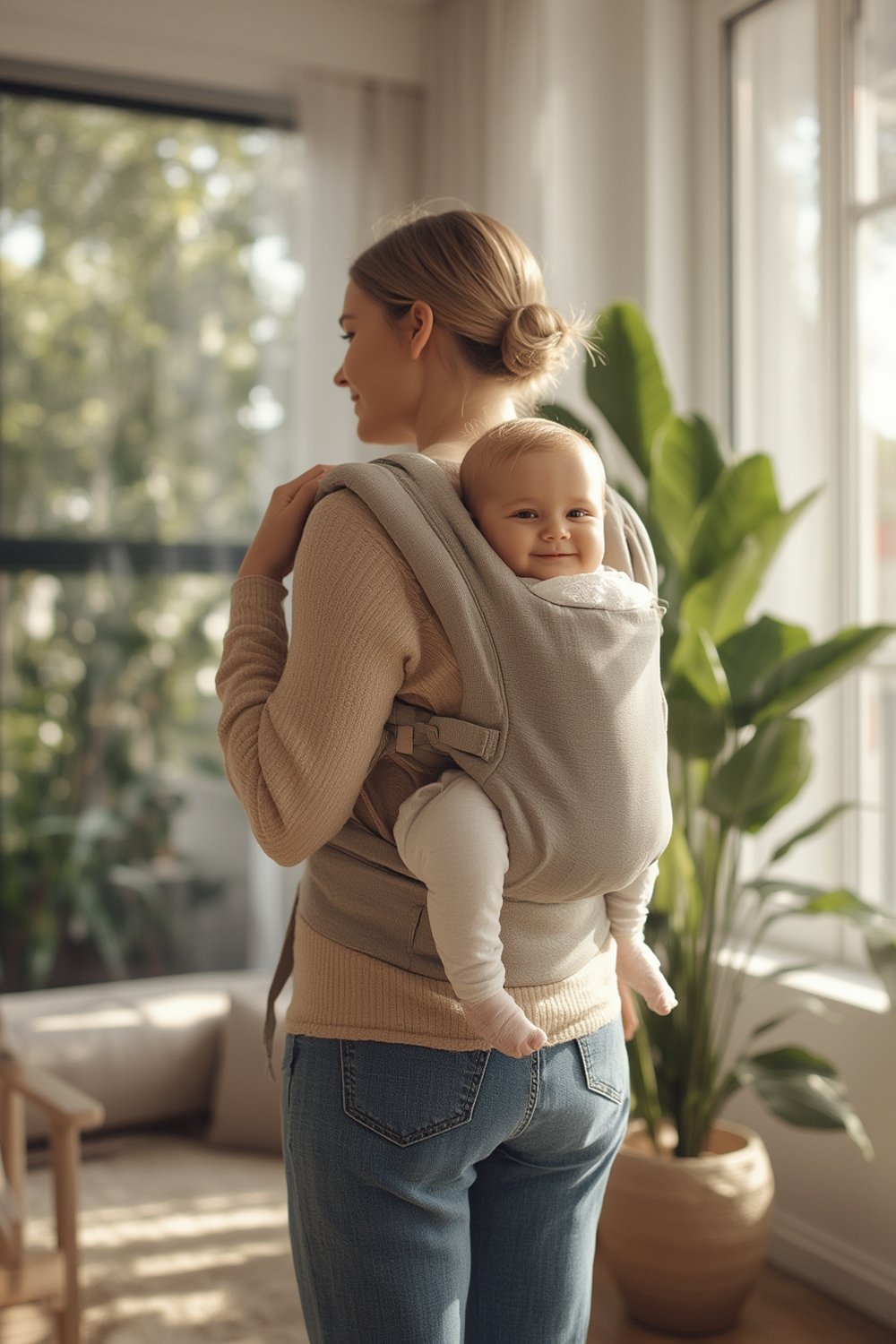
Globally, other markets like China and the EU are implementing their own updates to reflect best practices in 2024 and beyond. The most respected carriers, such as Ergobaby, are JPMA-certified and comply fully with these evolving regulations. Beware: wraps and slings don’t always fall under ASTM F2236-24, and uncertified or imported baby carriers may carry real safety risks—including suffocation or falls due to inadequate labeling or non-ergonomic designs.
Experts and pediatric societies recommend carriers supporting the natural “M position”—where knees are higher than the hips and the spine maintains its natural curve. This position, guided by the T.I.C.K.S. rule (Tight, In View, Close Enough to Kiss, Keep Chin Off Chest, Supported Back), promotes healthy hip development and helps avoid suffocation or airway blockage. Source
To summarize, an ergonomic carrier not only follows updated safety standards but also supports long-term comfort, prevents injuries, and meets the unique needs of babies and caregivers alike.
How to Safely Use an Ergonomic Baby Carrier: Step-by-Step Guide
-
Choose a certified ergonomic carrier.
- Verify JPMA or ASTM F2236-24 certification (see standards here), and avoid uncertified imports or knock-off models.
-
Adjust for your body type and baby’s size.
- Ensure you can keep the baby high and tight on your chest, not too low or too loose.
- Proper fit matters for all body types—for safe, ergonomic positioning and weight distribution.
-
Follow the T.I.C.K.S. safety rule:
- Tight: Keep the carrier snug so the baby doesn’t slump.
- In View: In View Baby’s face should always be visible, never covered by fabric.
- Close Enough to Kiss: The baby’s head is close enough for you to bend down and kiss easily.
- Keep Chin Off Chest: Ensure enough space under the chin to prevent restricted breathing.
- Supported Back: The back should remain naturally curved, supported by the carrier.
-
Double-check labels and instructions.
- Use contrasting instructional materials in English as required by new standards. If something doesn’t make sense, contact the manufacturer directly.
-
Regularly inspect your carrier.
- Check for any loose seams, faulty buckles, or weakening in padding—especially after washing.
- Pay attention to manufacturer updates on recalls or new safety advisories.
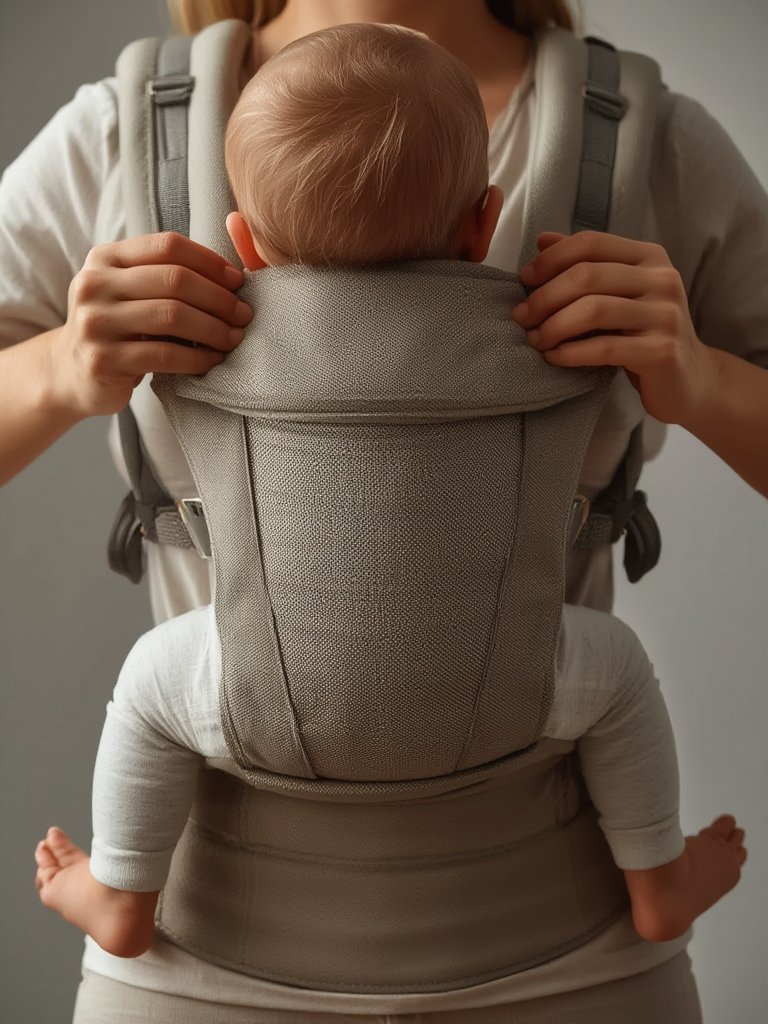
For more on overall baby safety strategies, see safe sleep for toddlers and AI-powered baby monitor recommendations.
Advanced Analysis & Common Pitfalls When Choosing or Using Ergonomic Carriers
Despite improved standards, common pitfalls can undermine the advantages of an otherwise safe and ergonomic baby carrier.
- Misuse and Poor Fit: The most frequent injury source stems from improper adjustment or low carrying, often with baby’s face partially or fully covered. In 2024, New Zealand alone reported 11 injury claims linked to carrier misuse—often preventable with accurate guidance and ongoing training. Source
- Uncertified Imports: Many overseas or knock-off models appear nearly identical to reputable brands but may lack crucial safety features, updated labeling, or flammability-tested materials. Some also omit manufacturer contact info, breaching 2024 requirements.
- Incomplete Instructions: Inadequate, poorly contrasted, or non-English instructions remain a recurring issue—contributing to risky improvisations by caregivers.
- Lack of Adjustability: Carries lacking adjustability can cause period discomfort, poor weight distribution, and make it nearly impossible for people of different body types to safely share the same carrier.
- Overlooking Durability and Sustainability: Many competitor guides ignore fabric wear, long-term compliance with evolving chemical regulations (for example, PFAS bans), and sustainable material sourcing. Carriers may pass initial tests but break down or become non-compliant months later. See regulatory updates.
| Feature/Factor | High-Quality Ergonomic Carrier (e.g., Ergobaby/Infantino) | Knock-off/Generic Import |
|---|---|---|
| Certification | JPMA, ASTM F2236-24 | Usually none |
| Labeling & Instructions (2024+) | Clear, contrasted, English, with permanent manufacturer info | Lacking, unclear or non-English |
| Ergonomic Positioning | Full T.I.C.K.S. support, adjustable for body types | Inconsistent fit, may not support hips/spine |
| Material Testing | Flammability and chemical safety tested | Often untested |
| Durability & Sustainability | Long-term use, may disclose PFAS and fabric sourcing | No guarantee—breakdown likely |
| Customer Support | Responsive, recall-ready | Minimal or nonexistent |
Internal analysis shows that parents increasingly avoid uncertified or unclear carriers, instead gravitating toward reputable brands with transparent compliance and all-inclusive instructions—often featured as best value options in platforms like Infantino (see value breakdown).
For families seeking broader nursery safety strategies, discover advice on kids toy organization and infant feeding solutions to further reduce household risk.

Conclusion
Prioritizing an ergonomic baby carrier is far more than a comfort upgrade—it’s a direct investment in your baby’s physical safety and healthy development. Always seek updated certifications, adjust for correct fit, and commit to ongoing inspection, especially as new standards like ASTM F2236-24 come into play. Ultimately, knowledge and safe habits trump trendy features or unproven bargains.
Ready to upgrade your carrier, or want next-level nursery guidance? Explore our recommendations for tracking baby development milestones and evidence-based organic baby skincare. Protect your child’s growth and wellbeing—choose a baby carrier ergonomic approach today.
Frequently Asked Questions
What is the safest baby carrier ergonomic position for newborns?
For newborns, ensure the carrier creates a snug hold with the baby’s head high enough to kiss, spine naturally curved, and knees higher than the hips—the “M” position. Follow the T.I.C.K.S. rule and always keep the baby’s face visible for airway safety.
How do I check if a baby carrier meets the latest safety standards?
Look for up-to-date ASTM F2236-24 or JPMA certification marks on the packaging or label, along with clear English instructions, permanent manufacturer information, and contrasted warning labels per 2024 requirements. When in doubt, check the brand website or contact customer support.
Should I avoid wrap carriers that aren’t explicitly ergonomic?
Wraps and slings can be safe if they follow the T.I.C.K.S. rule, but many aren’t covered by ASTM F2236-24. If you choose a wrap, prioritize reputable brands with clear safety guidance and avoid generic or imported slings without visible conformity to recognized safety standards.
Are budget-friendly ergonomic carriers just as safe as premium options?
Lower-cost options like Infantino can be safe when JPMA- or ASTM-certified, but always confirm updated labeling, instructions, and adjustability. Avoid models with unclear origin, non-English instructions, or missing certifications, as these might compromise safety.
What are overlooked features parents should consider besides price and comfort?
Long-term compliance with new standards, adjustability for different wearers, and fabric sustainability (including flammability safety and absence of PFAS compounds) are all important but often left out of competitor reviews or product guides.
[…] worth reading more in-depth on ergonomic safety in our front baby carrier and ergonomic safety guide for specific details on usage and […]