

breast pump electric devices have quickly become essential for modern parents who want efficiency and flexibility in infant feeding. In today’s market, choices can feel overwhelming, but understanding how electric, hands-free and portable electric models work—and what you really need—will make a huge difference in your breastfeeding experience.
Key Takeaways
- Electric and hands-free breast pumps dominate the market in 2024, especially among working mothers seeking convenience and speed.
- Double electric pumps are leading due to simultaneous pumping, although model differences and user pain points remain underreported.
- Choosing the right pump means weighing comfort, efficiency, portability, and budget—plus planning for regular cleaning and maintenance.
- Understanding Electric Breast Pumps: What and Why
- How to Use an Electric Breast Pump Effectively
- Pitfalls, Market Insights, and Comparison Points
- Conclusion
- FAQ
Understanding Electric Breast Pumps: What and Why
Electric breast pumps use a motor to automate suction, making milk extraction quicker and less tiring than manual methods. In 2024, these devices are indispensable for many families, especially among working parents or those dealing with lactation challenges. Hands-free and portable electric models provide extra mobility, allowing you to multitask while pumping—whether that means working, caring for your baby, or simply relaxing for a moment.
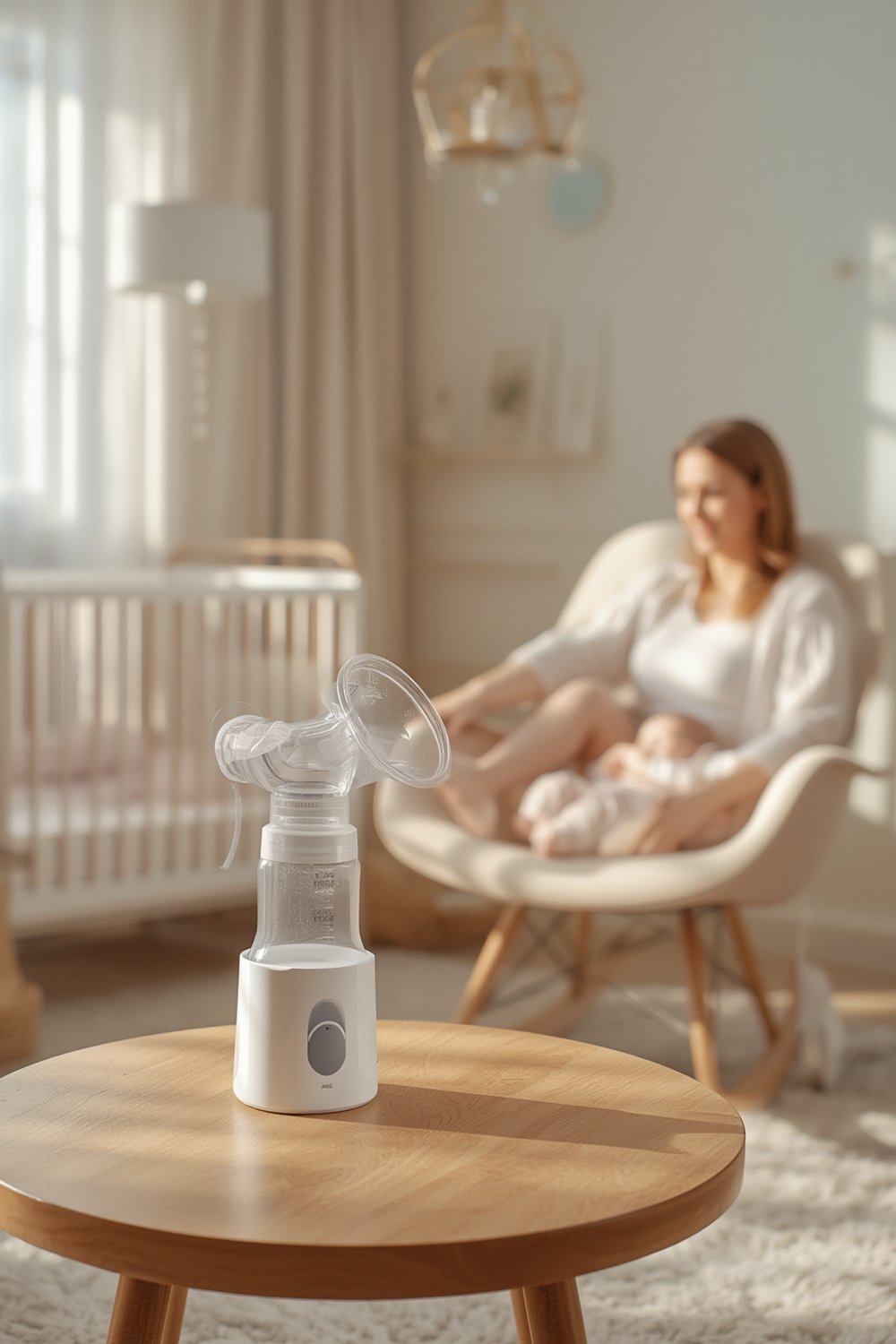
Market data shows electric breast pumps reached a global value of USD 1.6 billion in 2024, and their popularity will only grow—especially devices that offer true hands-free, wearable operation. Models like the Philips Avent Double Electric, which features 16 expression and 8 stimulation levels, lead the way in advanced customization for comfort.
Key reasons parents choose electric options:
- Faster milk expression compared to manual pumps
- Less physical effort, reducing fatigue
- Options to pump both breasts at once for increased efficiency
- More choices for portable, wearable, or hospital-grade models
Deciding which model is right for you often comes down to lifestyle, frequency of use, and budget. Portability, volume/noise, and adjustability are also critical factors to weigh before making a purchase.
How to Use an Electric Breast Pump Effectively
Getting the most out of your electric breast pump depends on setup, comfort, and maintenance. Follow these actionable steps to make the process smoother and less stressful.
-
Read the Manual Thoroughly
Take time to familiarize yourself with your specific model’s instructions. Each electric breast pump is slightly different, and setup steps may vary. -
Clean and Sterilize All Parts
Before every use, make sure all parts contacting milk are sterilized. Some users find eco-friendly cleaning methods help reduce harsh chemical residue for sensitive infants. -
Set Up Your Pumping Area
Pick a comfortable chair and keep water, snacks, and entertainment nearby. If using a hands-free or wearable model, check battery charge and ensure parts like valves and membranes are snugly in place. -
Position the Flanges Properly
Center each nipple in the flange for a good seal. Poor fit can cause discomfort or poor suction. Some moms benefit from using gentle baby skincare products around the breast to minimize irritation. -
Adjust Pump Settings
Start with low suction—gradually increasing until you reach a comfortable, steady flow. Models like the Philips Avent Double Electric let you select from several expression and stimulation levels. -
Pump for the Recommended Time
Typical sessions last 15–20 minutes. A double electric pump can help halve the time needed for both breasts. -
Store Milk Safely
Immediately transfer expressed milk to sterilized containers or bags and refrigerate or freeze as needed. Store Milk Safely -
Clean All Equipment After Each Session
Disassemble and wash thoroughly with hot, soapy water or in a dishwasher if allowed by the manufacturer.
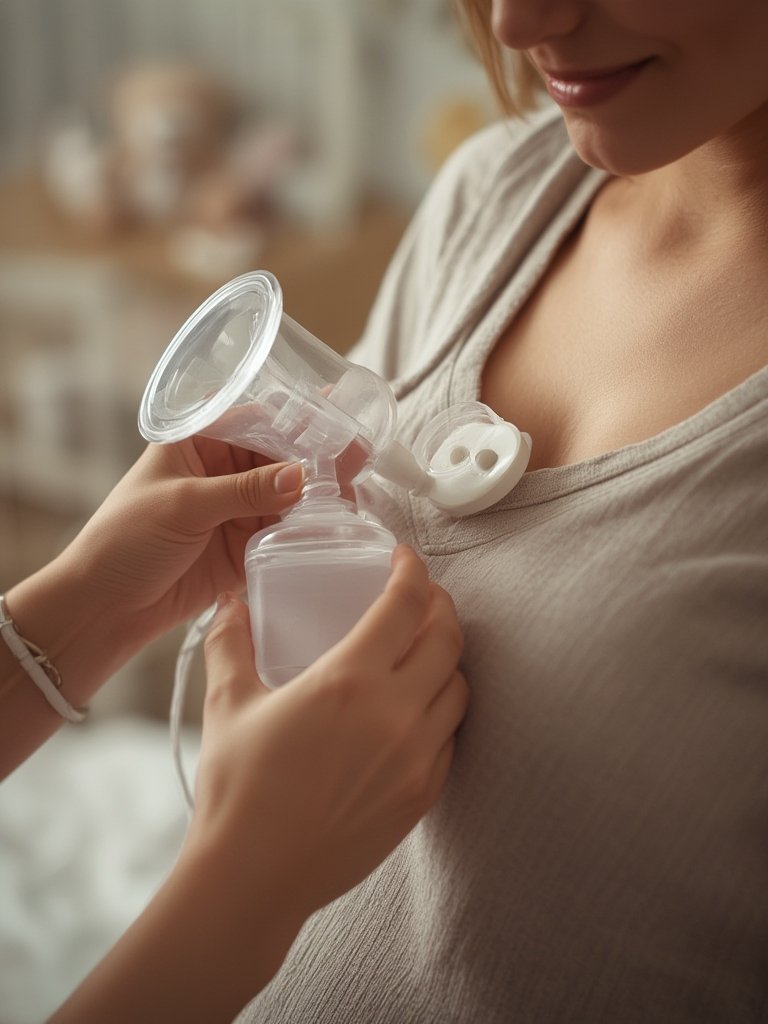
Consider using accessories—like carrying bags or cooling pouches—for added convenience, especially if you pump at work or need to transport milk. For more organizational ideas, visit our guide on toy storage solutions.
For ongoing early parenting tips, support, and practical advice, check out our detailed parenting and child development guide.
Pitfalls, Market Insights, and Comparison Points
While electric breast pump technology advances rapidly, users should be aware of common issues and differences between models. The industry’s massive growth—global revenue is seen doubling from 2024 to 2033—has brought more choice, but also more confusion.
Common Pitfalls and Real-World Problems
- Noise Level: Some electric models can be loud, making discreet pumping at work awkward.
- Cleaning Hassles: Hands-free wearables may have more hard-to-reach parts to clean.
- Fit and Comfort: Poor flange fit leads to pain, and not every breast shape is equally compatible with all models.
- Battery Life: Portable models vary widely—some run low quickly during extended use.
- Valves, membranes, and tubing: Valves, membranes, and tubing need occasional replacement. Not all brands make it easy to find spares.
- Inconsistent Milk Output: Some users, especially with portable devices, report lower output than with bulkier electric or hospital-grade systems.
- Cost: Wearable and hands-free electric breast pumps can be expensive with few universal insurance options. Pricing data is rarely transparent.
Market Leader Quick Comparison
| Feature | Double Electric Pump | Hands-Free Wearable Pump | Traditional Electric Pump |
|---|---|---|---|
| Pumping Mode | Simultaneous, custom suction | Wearable, true hands-free | Single or double, hands-on |
| Convenience | High | Highest | Medium |
| Battery Life | Usually AC adapter, some rechargeable | Mostly rechargeable | Varies |
| Custom Settings | Yes (up to 16 levels on some models) | Often limited due to compact size | Typically moderate |
| Cleaning Required | Easy to moderate | Tedious for some models | Standard |
| Cost | Mid to high | High | Low to mid |
Most users switching to double electric or wearable hands-free pumps cite time-saving as the main reason. However, technical specs like suction level, battery duration, or noise output are rarely standardized or easy to compare when shopping.
Reviews for user experience and maintenance are limited. While double electric models score high for efficiency, hands-free wearables win on mobility but may demand more frequent cleaning. Neither guarantees more milk output if comfort and fit aren’t ideal.
If night pumping is part of your routine, consider using a baby white noise machine to help settle your newborn while you finish your session.

Conclusion
Electric, hands-free, and portable breast pumps are revolutionizing how parents feed their babies—but it’s not one size fits all. Choose a breast pump electric model that aligns with your lifestyle, prioritizing comfort, ease of cleaning, and flexibility. Always review warranty, spares availability, and return policy just in case. Ready to upgrade your feeding setup? Start by comparing models based on your real-world routines—you’ll thank yourself later.
For further parenting safety and routine tips, browse our guidance on safe sleep for toddlers or our expert stroller system guide.
FAQ
How do I know if I need a double electric or single electric pump?
Choose a double electric pump if you want to pump both breasts at once for efficiency or if you plan to pump frequently. Single electrics are useful for occasional pumping or when budget is a concern.
Are hands-free and wearable pumps as effective as traditional models?
Wearable and hands-free pumps win for convenience and mobility, but some users find their output slightly lower than more powerful, traditional electric pumps, especially if fit or suction isn’t perfect.
What’s the best way to clean my electric breast pump?
Disassemble all parts that contact milk, wash with hot, soapy water, then rinse and air-dry. Some parts are dishwasher-safe, but always check your model’s manual.
What should I do if pumping is painful?
Pain usually signals poor fit or too high suction. Check flange size, use gentle pump settings, and pause if discomfort persists. Never continue if you experience significant pain—seek professional lactation support if needed.
Can my insurance cover the cost of a breast pump electric model?
Some insurance plans do cover the cost, primarily in the US, but coverage varies by provider and region. Always check the policy requirements and ask about preferred suppliers.