

baby food maker devices are revolutionizing how parents ensure fresh, nutritious meals for their babies at home. If you want more control, convenience, and health benefits for your little one, understanding these small appliances is key. Here’s how baby food makers are reshaping family kitchens—and what you need to know before buying one.
Key Takeaways
- Baby food makers offer parents control over ingredients, freshness, and nutrition, with a growing market poised for major growth in the next decade.
- Steamer-blender combos are favored for nutrient retention and convenience, aligning with busy family lifestyles and demands for preservative-free homemade food.
- Common pitfalls include unclear pricing, maintenance effort, and lack of verified user pain points—knowing these helps buyers make informed choices.
- What Is a Baby Food Maker and Why Should You Care?
- How to Use a Baby Food Maker: Step-by-Step Guide
- Advanced Analysis: Pitfalls and What Competitors Don’t Tell You
- Conclusion
- FAQ
What Is a Baby Food Maker and Why Should You Care?
A baby food maker is a compact kitchen appliance that helps parents easily prepare fresh, preservative-free meals for their babies. Unlike traditional blenders or food processors, baby food makers often include features like built-in steaming, blending, reheating, and even sterilizing to streamline the homemade baby food process.
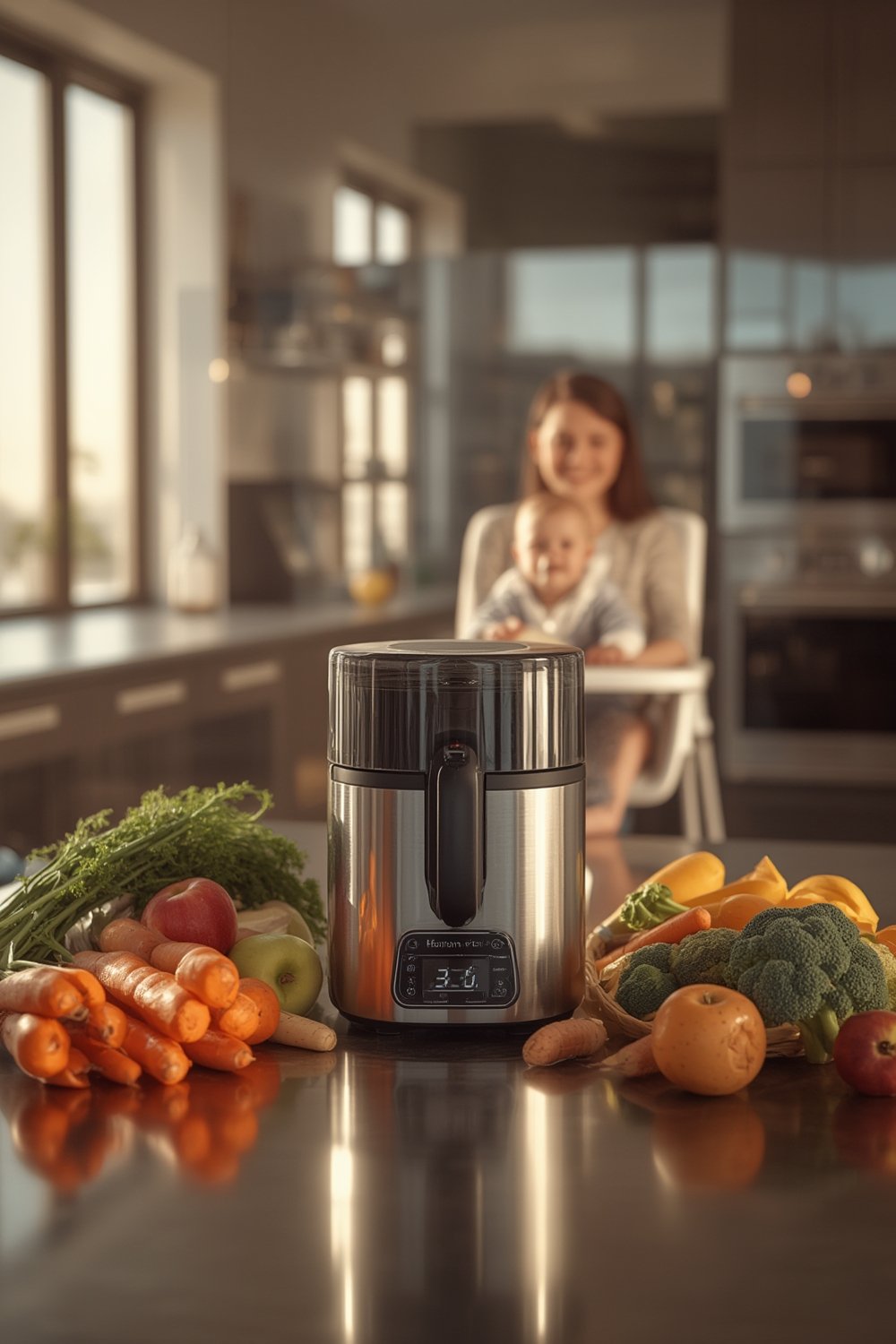
The market for these appliances is experiencing rapid growth. In 2024, the global baby food maker market was valued at USD 1.47 billion, with projections reaching over USD 4 billion by 2034. North America leads with a 36% market share, primarily driven by educated, dual-income families who prioritize nutrition and want to avoid additives in store-bought purees.
Combo devices (blender plus steamer) are the most popular for good reason—they lock in nutrients during steaming before blending. Using a baby food maker means you know exactly what your child is eating, which is especially valuable if you are concerned about sodium, sugar, or allergies. For more ways to support your baby’s healthy development, check out our baby developmental milestones guide.
How to Use a Baby Food Maker: Step-by-Step Guide
Making homemade baby food using a baby food maker is easier than you might think. Here’s how to do it safely and efficiently:
- Choose Fresh Ingredients: Pick organic fruits, vegetables, or proteins. Wash thoroughly.
- Prepare the Produce: Peel and chop into small, uniform pieces for even steaming.
- Add Water: Fill the steamer reservoir with filtered water as instructed.
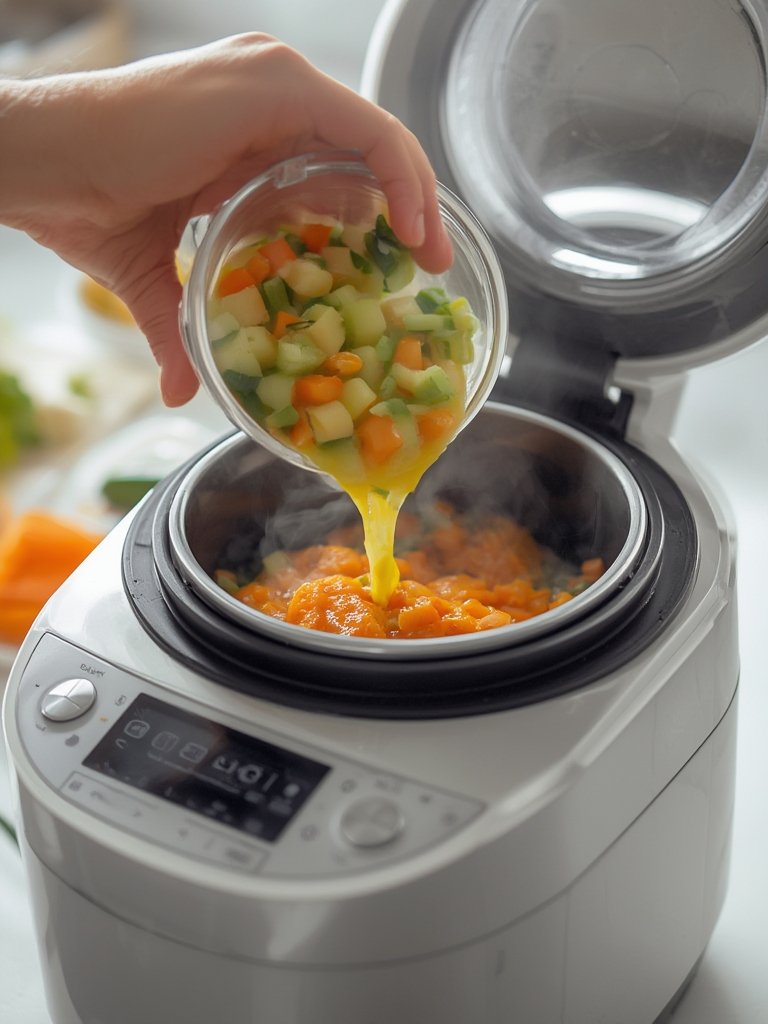
- Steam Your Ingredients: Load the ingredients and start the steam function. Most foods need around 10-20 minutes.
- Blend to Desired Consistency: After steaming, blend directly or transfer, depending on your model. Adjust texture for age and preference.
- Store Safely: Transfer into BPA-free containers; cool promptly and refrigerate or freeze.
- Clean Up: Disassemble parts and wash thoroughly to prevent residue buildup.
If your baby is ready for new flavors, try blending in a tiny pinch of mild herbs. Always introduce new foods one at a time to monitor for allergies. For tips on feeding routines and safe sleep schedules, refer to our newborn sleep schedule guide.
Remember to always consult your pediatrician before introducing new foods, especially if your baby has known sensitivities. While baby food makers simplify the process, your vigilance ensures your baby’s safety and nutrition.
Want to make mealtime even easier? Pair your food prepping with our meal prep guide for the whole family.
Advanced Analysis: Pitfalls and What Competitors Don’t Tell You
Even the best baby food maker has limitations. Here’s what most top-ranking articles miss—alongside pitfalls to avoid:
- Unclear Price Ranges: Many brands do not advertise complete pricing up front. Combo models cost more, but added features justify the price for many households. However, feature differences vary widely and should match your actual needs.
- Cleaning Hassles: Some models have many small parts, making thorough cleaning challenging. If pieces aren’t dishwasher-safe or accessible, food residue may remain, risking mold or contamination.
- Power and Material Quality: Lack of details on wattage, container capacity, and BPA-free certification makes it hard to compare models. Always check for certifications and read the manual. This is crucial for safe use, especially if your home has other small children helping out (toddler bed safety is another important factor for parents).
- No Verified User Reviews: Most available market reports do not include real consumer feedback, leaving gaps about durability and support over time. Before purchase, look for user reviews on retailer sites to avoid buying a device that’s hard to use or prone to break.
- Pediatric Guidance Gaps: No direct recommendations from major pediatric organizations on which baby food maker to buy. Parents must exercise judgment to ensure appliances align with their child’s dietary and health needs. For related health safety, see this baby thermometer guide.
| Feature | Entry-Level Baby Food Maker | Mid-Range Combo | Smart (High-End) Model |
|---|---|---|---|
| Steaming & Blending | Manual, often separate steps | Integrated auto programs, one-button start | Preset programs, app control, automated cycles |
| Capacity | ~1-2 cups | ~2-4 cups | 4+ cups, family size |
| Cleaning | Manual, hand-wash | Dishwasher-safe parts | Self-cleaning or easy-wipe features |
| Price Range | Rarely listed clearly, typically lower | Varied—average $60-$150 (estimate) | $200+ (estimate), with smart functions |
| Material Safety | Plastic (check for BPA-free) | Mostly BPA-free plastics, sometimes glass | BPA-free, glass, stainless options |
Used correctly, baby food makers help with nutrition and time savings. But skip the hype—research product details, especially if you want healthy meals without unexpected hassle. For other smart nursery tools, look at our smart baby monitor guide.
Conclusion
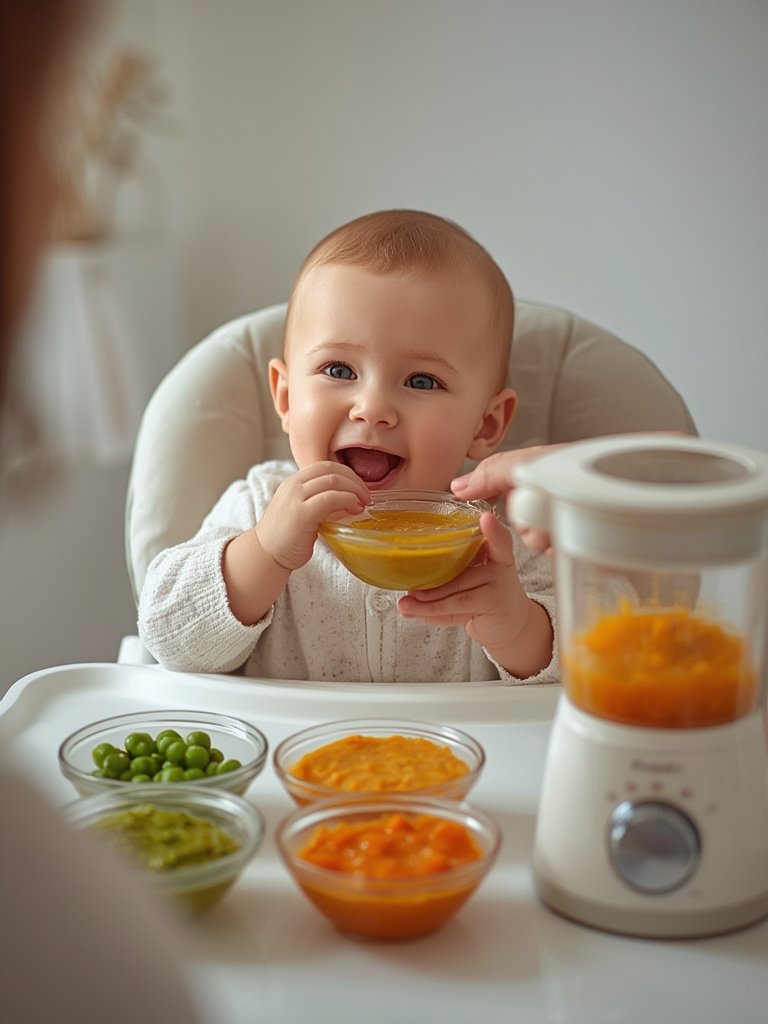
Baby food makers empower parents to serve wholesome, tailored meals with less effort. While the market is rapidly expanding and technology is improving, clarity is still needed around pricing, features, and verified user experiences. By knowing the pros and the challenges, you can find the best baby food maker for your family’s needs.
Ready to upgrade your homemade baby meals? Research models, look for BPA-free options, and don’t hesitate to consult pediatricians about your feeding plan. For more parenting solutions, explore our guides on organic baby skincare and anti-colic baby bottles.
FAQ
Is a baby food maker really necessary?
No, but it streamlines steaming and blending—saving time and reducing mess. It is especially useful if you plan to make baby food at home regularly.
Are baby food makers safe for all types of foods?
Most work with fruits, vegetables, and some proteins. Always check the manufacturer’s guidance and make sure ingredients are cut to the right size for even cooking.
How do I clean a baby food maker?
Disassemble components, rinse or use a dishwasher (if safe), and dry thoroughly. Pay special attention to blades and crevices to avoid residue buildup.
Can I use a regular blender instead?
Yes, but you’ll have to steam separately. Baby food makers save time with built-in steaming, and some models are designed for easy portioning and safer materials.
How do I know if my baby food maker is BPA-free?
Check the packaging and product details. Most reputable brands label this clearly. If in doubt, contact customer support.
[…] Busy households, particularly those focused on organic or allergen-free meals, find appliances like Baby Brezza invaluable. Yet, families should ensure alignment with their real-life needs and expectations, including understanding the differences among bottle warmers, food makers, and combo devices. For broader feeding setup recommendations and homemade food strategy, see our complete baby food maker guide. […]