

Baby sunscreen mineral is more than just a label – it defines how well your sunscreen protects delicate skin, the safety of its ingredients, and whether it truly lives up to claims like “reef safe” and “chemical free.” Many parents want real answers: What’s actually in that tube, how is it verified, and does mineral sunscreen deliver on comfort, cost, and ease of use?
Key Takeaways
- “Mineral” baby sunscreens should list only zinc oxide and/or titanium dioxide as active ingredients, but regulation and labeling accuracy may vary.
- Parents often love mineral sunscreen for safety but may struggle with issues like white cast, rub-in difficulty, and unclear infant age guidelines.
- Look for trusted cues like FDA-recognized actives, “reef safe” claims, and certifications, but be wary of missing third-party seals and incomplete data.
- What Makes Baby Sunscreen Mineral? Understanding the Basics
- How to Choose and Apply Mineral Sunscreen for Babies
- Advanced Analysis & Common Pitfalls
- Conclusion
- FAQ
What Makes Baby Sunscreen Mineral? Understanding the Basics
When you see “baby sunscreen mineral” on the label, it should mean the product relies solely on the mineral UV filters zinc oxide and/or titanium dioxide. These are the only ingredients recognized by the FDA as both safe and effective for sunscreen use. Unlike chemical filters (like oxybenzone or octinoxate), minerals sit on top of the skin and physically block harmful UVA and UVB rays.
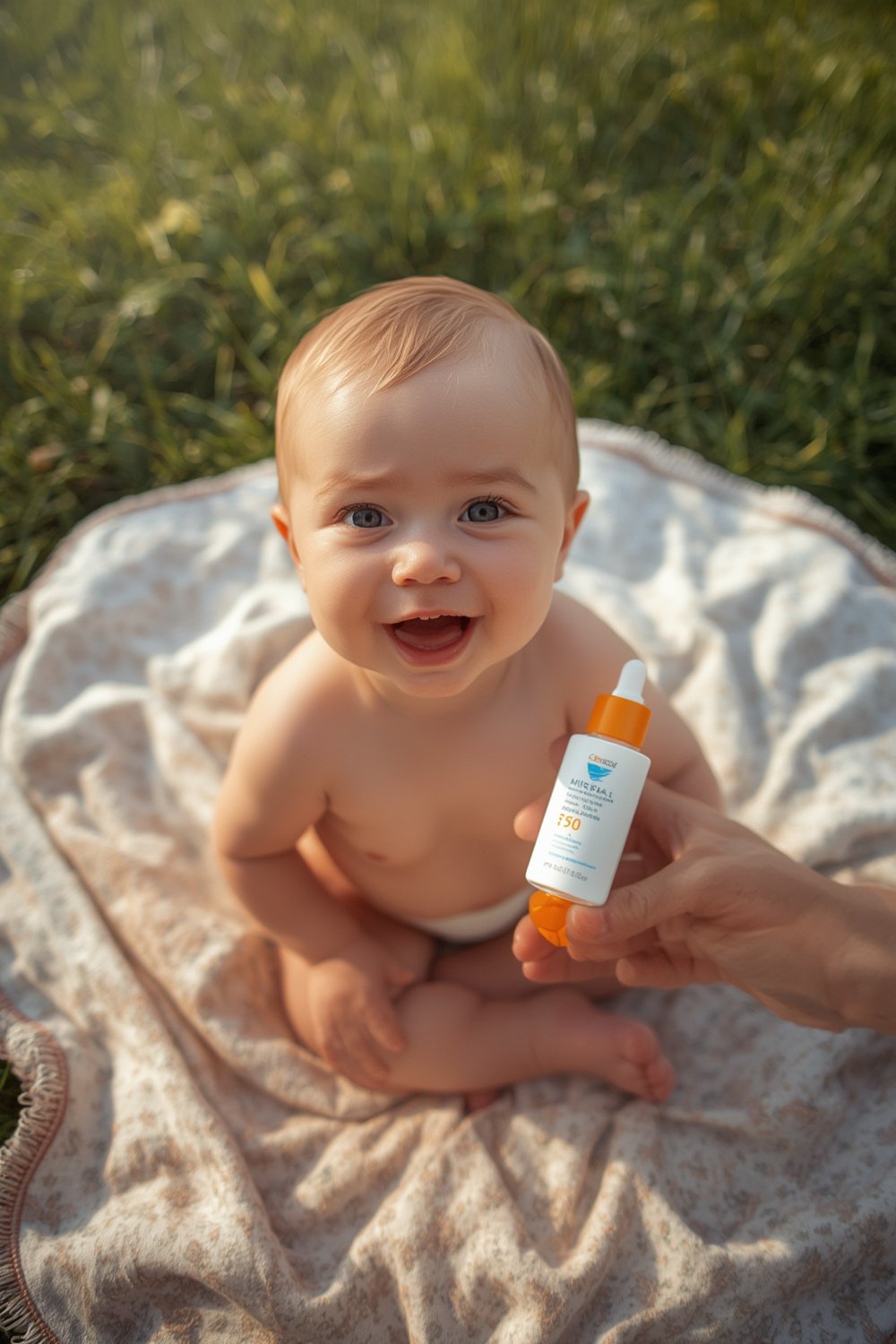
Unfortunately, not every product labeled “mineral” is guaranteed to be 100% pure. According to Umbel Organics and other experts, FDA rules require accurate ingredient labeling, but there are currently no regular third-party audits on “mineral” claims.
Some reputable brands like Badger, Earth Mama, and Pipette self-report using only non-nano zinc oxide, but full oversight is still missing. That’s why reading ingredient lists carefully is a must for parents who want truly mineral-only protection and safety.
Mineral sunscreen has surged in popularity among health-conscious families, especially those concerned about chemical sensitivities, long-term exposure, and environmental impact. Many parents are also seeking formulas that are hypoallergenic, gentle, and free from potentially irritating additives or fragrances.
How to Choose and Apply Mineral Sunscreen for Babies
Selecting and applying a safe, effective baby mineral sunscreen doesn’t have to be complicated. Here’s a practical guide for busy parents who want to make smart choices:
- Identify Authentic Mineral Formulas: Read the “active ingredients” section carefully. Only zinc oxide and/or titanium dioxide should be listed. Ignore marketing on the front—always check the official ingredient panel.
- Consider Certifications and Claims: Look for FDA recognition of actives, EWG verification (for low-toxicity scores), and “reef safe” or “biodegradable” seals. Beware that some popular brands make self-claims without third-party proof. Learn more about what these certifications mean in our organic baby skincare guide.
- Check For Baby-Focused Features: For newborns and infants, opt for unscented and hypoallergenic formulas. Avoid additional fragrances, parabens, or non-mineral UV filters.
- Assess Application and Feel: Babies dislike greasy, sticky, or “chalky” creams, and parents are often frustrated by white cast and tough rub-in. Some modern mineral brands, like Pipette, claim to deliver easier gliding and less whiteness, but every skin is different. Try a patch test before full use.
- Mind Age Recommendations: Sunscreen fundamentals apply at any age, but experts often recommend protective clothing and shade over any sunscreen for babies under 6 months. Double-check age guidance and speak to your pediatrician if unsure. For more on other newborn safety practices, check our article on safe sleep for toddlers.
- Price Awareness: Most reef safe mineral baby sunscreens fall between $8–$18 for a standard tube (per 2024 reviews). Drugstore and premium prices are close—fancy packaging or extra claims don’t always mean better protection.
- Mastering Application: Apply sunscreen to all exposed skin 15 minutes before sun exposure. Use enough to cover (about a teaspoon for face and neck), and don’t forget the tops of feet, ears, and backs of hands.
- Reapply Properly: Every 2 hours, or immediately after water or sweat exposure. Most reputable mineral baby sunscreens are water resistant for 40–80 minutes, but always re-check the bottle.
- Removal After Play: Some mineral formulas cling tightly; use a gentle baby cleanser with warm water and a soft cloth. Dabbing, not scrubbing, is best for sensitive skin. For more on fuss-free baby care routines, see our baby care tips.
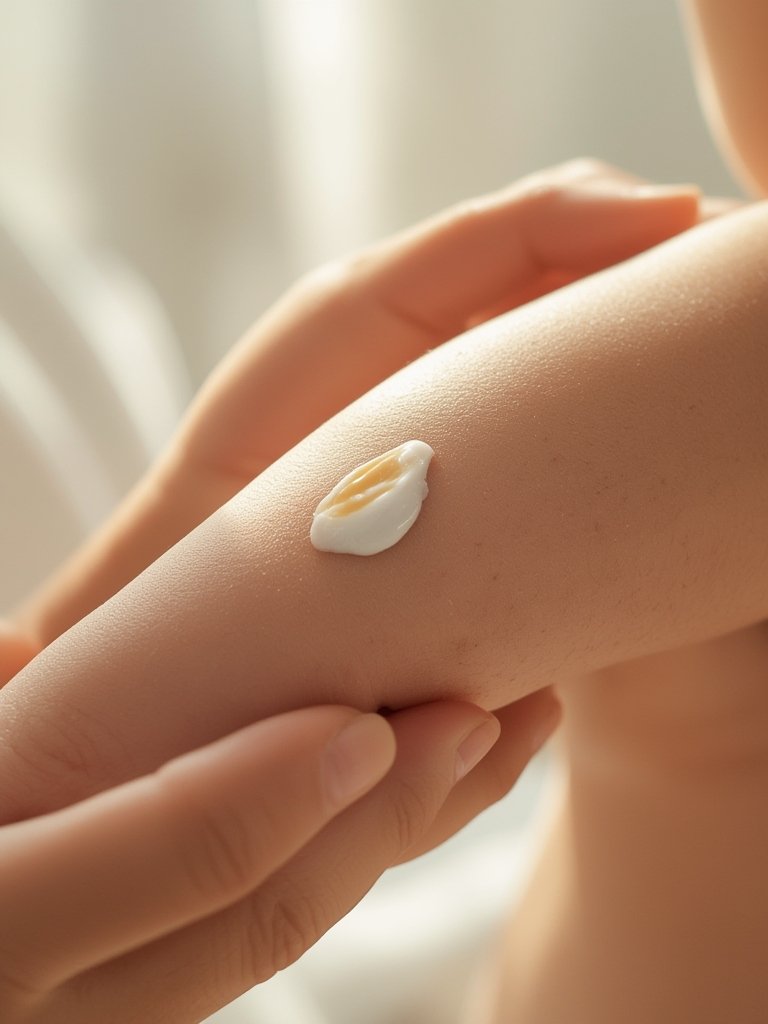
Need product inspiration? Well-rated mineral options cited in reliable external reviews include Earth Mama, Badger, Pipette, Thinkbaby, Babyganics, and Neutrogena’s mineral blends. Always double-check the latest labels, as formulations and certifications can change without warning.
Advanced Analysis & Common Pitfalls
Going deeper, the biggest issues with baby sunscreen mineral aren’t always about safety—they’re about usability, performance, and trust. Here’s what research and real-world use reveal:
- White Cast and Rub-In Difficulty: Not all mineral formulas are created equal. Some produce a chalky, white cast—especially those with higher zinc oxide concentrations or that lack “micronized” particles. This bothers both parents and children, as visible residue is hard to spread and uncomfortable.
- Ingredient Confusion: Brands sometimes market “mineral-based” or “natural” sunblocks, but sneak in chemical filters to boost performance or feel. Read every active ingredient line—don’t rely on front-facing marketing.
- Unclear Age Guidelines: Top articles and brands rarely clarify at what age mineral sunscreen is safe for babies. Generally, mineral formulas are less likely to irritate, but pediatricians still urge caution under 6 months. Cover babies with shade and clothing whenever possible, and use sunscreen judiciously.
- Removal Struggles: Water-resistant mineral sunscreen often stays put—even after a bath—leading to friction, clogged pores, or residue that’s uncomfortable. Some parents find it takes special effort to cleanse gently. For residue removal, use a soft cloth and lukewarm water with a fragrance-free cleanser.
- Certifications & Trust Gaps: While FDA requires zinc oxide/titanium dioxide as active ingredients in mineral sunscreens, the agency doesn’t “approve” individual products or verify “reef safe” claims. Only some brands voluntarily seek additional seals, such as EWG verification, and third-party reef impact testing is rare.
| Feature | Mineral Baby Sunscreen | Chemical Baby Sunscreen |
|---|---|---|
| Active Ingredients | Zinc oxide, Titanium dioxide | Oxybenzone, Avobenzone, Octinoxate, others |
| Safety (FDA, 2024) | Recognized as safe and effective | Most ingredients lack sufficient data or are not considered safe |
| Reef Impact | Reef friendly, biodegradable | Linked to coral bleaching (oxybenzone, octinoxate) |
| Age Suitability | Generally preferred for sensitive/infant skin | Potential irritants for babies |
| Typical Price (2024) | $8–$18 (mostly drugstore prices) | $7–$20 (often similar range) |
| Application Experience | May leave white cast, rub-in can be harder, very little absorption | Easier to apply, little to no white cast, absorbs readily |
You’ll find more guidance on choosing gentle, non-irritating products in our article on best skincare routines for babies.

Conclusion
Picking a baby sunscreen mineral means focusing on safety, simplicity, and integrity. Always verify actives, look for clear certifications, and don’t get swayed by marketing buzzwords alone. While mineral sunscreen is a safer-bet for babies—especially for those with sensitive skin or allergies—it’s not free of application quirks or removal headaches. Steer towards reputable brands, check ingredient panels, and when possible, combine sunscreen with shade and protective clothing for the best sun protection. For deeper baby care tips, explore our related resources—including guides to organic baby skincare and nursery safety solutions. Stay vigilant and protect your little one confidently—start reviewing the latest baby sunscreen mineral options now!
FAQ
How do I know if a baby mineral sunscreen is truly “reef safe” and chemical-free?
Check the “active ingredients” panel—it should list only zinc oxide and/or titanium dioxide. Look for “no oxybenzone, no octinoxate” labels (linked to coral damage). For the most reliable options, choose brands with clear ingredient listings and seek out “biodegradable” or “reef friendly” claims, but remember, these are mostly self-reported and not verified by regulators.
Can mineral sunscreen be used on newborns?
Pediatricians typically advise using shade and protective clothing for newborns (<6 months) instead of any sunscreen. If sun exposure can't be avoided, choose a fragrance-free, hypoallergenic mineral sunscreen, and test a small patch first. Consult your pediatrician before regular use.
Why does mineral sunscreen leave a white cast, and how can I reduce it?
The white cast comes from physical particles (zinc oxide/titanium dioxide) sitting on the skin’s surface. To minimize, warm the product between your hands before application, and dab rather than rub. Opt for brands that explicitly advertise “no white cast” and check user reviews for honest feedback.
What’s the price difference between drugstore and luxury mineral baby sunscreens?
Most effective mineral baby sunscreens cost between $8–$18 per tube. Drugstore and premium pricing have little difference—focus on ingredients and certifications rather than price tags or fancy packaging.
What certifications should I look for on baby sunscreen mineral products?
Look for FDA recognition of zinc oxide/titanium dioxide as actives, EWG ratings (low hazard), and “reef friendly” or “biodegradable” claims. Understand that many “certifications” are self-claims; few brands display third-party seals or true reef impact testing.
[…] Sun Protection: If heading outside, apply a mineral-based sunscreen, such as one from California Baby’s range, to exposed areas. Find more on safe sun care in our baby sunscreen mineral guide. […]