

baby sleep sack use is transforming nighttime routines for parents seeking safer, easier alternatives to loose blankets. If you’ve ever wondered what makes them a top choice or if you’re missing critical details before buying, you’re in the right place. Let’s take a realistic, comprehensive look at how sleep sacks work, why the market is booming in 2024, and what you absolutely must know for safe, comfortable baby sleep.
Key Takeaways
- The global baby sleep sack market is growing rapidly, driven by safety concerns and parent demand for convenient sleep solutions (source).
- Baby sleep sacks are designed to prevent suffocation risks from loose blankets, but families should understand sizing, material hazards, and temperature regulation before choosing one.
- Practical maintenance, transitioning age, and official safety certifications should be researched to avoid common pitfalls.
- The Core Concept: What Is a Baby Sleep Sack?
- Step-by-Step Guide: Safe and Effective Sleep Sack Use
- Advanced Analysis & Common Pitfalls
- Conclusion
- FAQ Section
The Core Concept: What Is a Baby Sleep Sack?
A baby sleep sack, sometimes called a wearable blanket, is a sleeveless zippered garment that replaces loose bedding in the crib or bassinet. Its core purpose is simple: to keep your baby safely warm through the night, while significantly reducing the risks of suffocation and Sudden Infant Death Syndrome (SIDS) associated with traditional blankets (source).
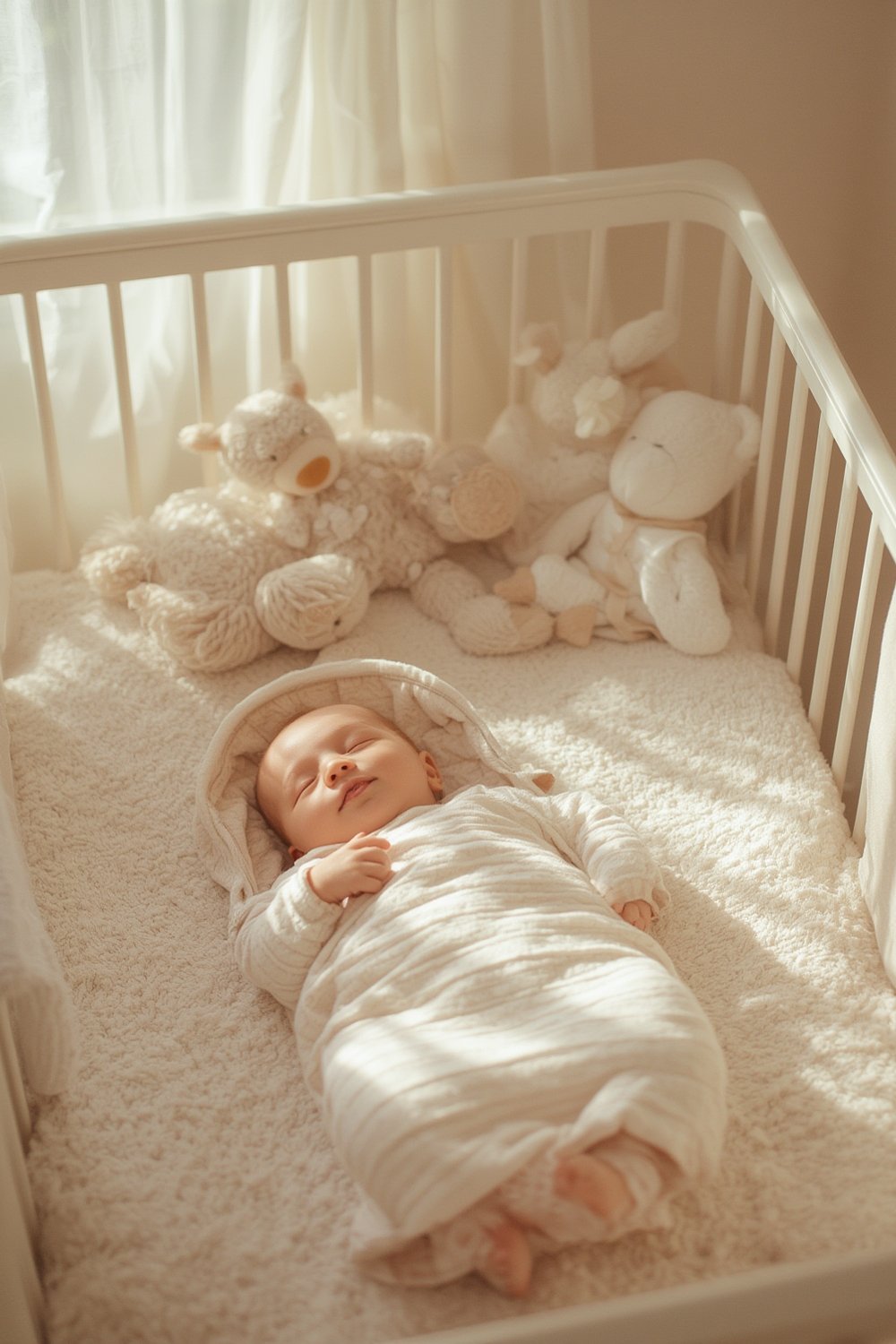
Wearable sleep sacks are tailored to fit snuggly around the chest and open out from the hips, leaving legs free to move but preventing fabric from riding up over your baby’s face. This ingenious profile addresses two critical needs: safety for non-mobile infants and comfort as babies begin rolling or kicking in their sleep. In fact, the largest growth segment is the 0–6 month age group—exactly when sleep safety is most urgent (source).
Convenience is another big draw. Today’s sleep sack models often boast easy-on zippers, breathable organic cotton, armholes for temperature control, and smart fabrics that help regulate heat and moisture. Online retailers are rapidly increasing their selection due to soaring demand (source).
Many parents find the transition to toddler beds and new sleep routines daunting. For safety guidance on toddler beds and cribs, see our safe sleep overview.
Step-by-Step Guide: Safe and Effective Sleep Sack Use
Getting started with a baby sleep sack is straightforward. Here are the steps to make sure your baby sleeps soundly and safely, plus actionable tips to get the most from your purchase.
- Choose the Right Size and Material. Base your purchase on your baby’s current weight and length, not just age. Materials should be soft, breathable, and safe for sensitive skin—certified organic cotton is highly recommended. TOG ratings indicate warmth: 0.5–1.0 for summer, 2.5+ for winter.
- Prep Before the First Use. Machine wash the sack using baby-friendly detergent, inspect all seams and zippers, and check for any loose threads. This also helps avoid skin irritation and removes residual factory chemicals.
- Dress Baby for the Room’s Temperature. In cooler months, use a cotton bodysuit or pajamas under the sleep sack. For warmer rooms, just a onesie may be perfect. Always feel baby’s neck or chest (not their hands or feet) to gauge comfort.
- Secure Properly. Place arms gently through the holes, zip up fully, and ensure the neckline sits below baby’s chin. The sack should not bunch at the face or ride up above their shoulders. Never add extra blankets inside the sack.
- Monitor and Adjust. Regularly check for signs of overheating (sweaty neck, flushed skin) or being too cold (cool chest, fussiness); adjust clothing layers as needed. Replace the sleep sack as soon as your baby outgrows it, or if there’s any zipper or fabric damage.
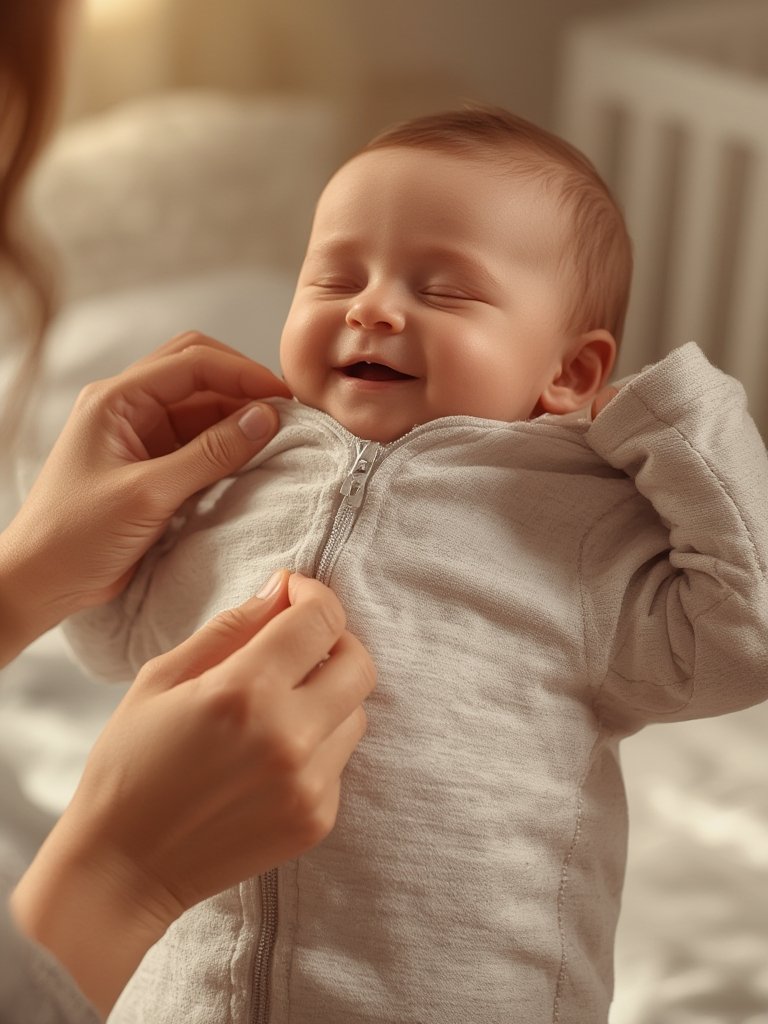
- Transitioning from Swaddle to Sleep Sack: Once your baby begins to roll, stop swaddling immediately and move to a sleeveless sack to avoid entanglement risks.
- Smart Features: Some advanced sleep sacks now include integrated sleep tracking or temperature-regulating fabrics. But these gadgets are still new and may require extra care during laundry or use. For more insights on smart nursery tech, explore our smart baby monitor guide
- Laundry & Durability Tips: Wash sleep sacks in cold water, close all fasteners, and avoid bleach. High heat drying may shrink natural fabrics. Inspect frequently for wear to ensure ongoing safety. See our post on nursery organization and care tips.
For designing a healthy sleep schedule for newborns, visit
our guide to newborn sleep routines. And if you’re troubleshooting sleepless nights, our sleep regression resource can help you decode common disruptions.
Advanced Analysis & Common Pitfalls
While sleep sacks address many safety worries, pitfalls remain. Here’s a realistic look at market findings, overlooked risks, and features you shouldn’t ignore in 2024.
- Lack of Pediatric Guidelines: Public search data lacks direct AAP statements favoring sleep sacks over blankets. While prevention of SIDS is implied (source), official clinical recommendations should be checked with your child’s healthcare provider.
- Safety Gaps & Certification Confusion: Sleep sacks are widely marketed as safe, but specifics on certifications can be vague. European buyers emphasize adherence to strict safety standards; in the U.S., look for products meeting CPSC and ASTM standards, as well as independent lab testing (source).
- No Published Consumer Complaint Data: Market research in 2024 focuses on growth, not user safety or quality issues. Review product ratings, watch for zip/joint failures, and avoid models with choking hazards like detachable adornments.
- Unclear Laundry Lifespans: There’s a notable lack of guidance on care cycles and fabric breakdown. Parents should inspect sleep sacks regularly for thinning or worn spots, especially if reusing with multiple children.
- Temperature Regulation is Underexplored: Many brands mention “year-round use” but provide vague details. Always check for a stated TOG (Thermal Overall Grade). A TOG that’s too high can cause overheating; too low may leave baby cold.
- Uncertain Transition Timing: There’s no clear expert data in the market research on when to move from a swaddle or sleep sack to a blanket (often after age 2 or when a child can safely pull covers back up).
- Smart Tech Limitations: Wearables and tech-enhanced models are entering the market, but washing them can be more challenging and wireless monitoring is not a substitute for parent supervision. See our research on baby sleep devices here.
| Feature | Baby Sleep Sack | Traditional Blanket |
|---|---|---|
| Suffocation Risk | Very Low | High (can cover face) |
| Ease of Use | Simple – zip or snap | Requires tucking/repositioning |
| Temperature Regulation | Rated by TOG; some advanced models regulate | Variable; no TOG system |
| Washing | Machine wash, some shrinkage possible | Flexible, easy care |
| Longevity | Until baby outgrows or walks | All ages, but less safe under 12–18 months |
No market data is available on pricing for 2024. Costs can range widely—basic sacks start at $20-30, organic or smart models can exceed $60. Pay for quality and certifications, not added frills or unproven “luxury” features.
Keep in mind, official recall and incident information is missing from industry reports. For all baby sleep products, check the latest recall lists on your country’s Consumer Product Safety Commission website and read user reviews for real-world issues.
Conclusion
Choosing a baby sleep sack is one of the most effective steps parents can take for a safer, more restful nursery. In a market growing at an unprecedented rate, practical considerations like fit, fabric, washing, and transition timing are just as vital as buzzworthy smart features. By understanding certification gaps and pitfalls, you give your child comfort—and yourself true peace of mind. If you’re seeking next-level advice for infancy, check out our guides to baby developmental milestones and top newborn essentials. Ready to make the switch? Choose a certified baby sleep sack that fits your baby’s size and season, and revisit your routine each month as they grow. Your baby’s best sleep could be just one zip away.
Take action now: Audit your child’s sleep gear today, and make safety your #1 nursery checklist item.
FAQ Section
Are baby sleep sacks safer than blankets for infants?
Yes. Baby sleep sacks are designed to eliminate suffocation risks that can occur when loose blankets ride up over a sleeping infant’s face. Many pediatricians recommend them over traditional bedding for infants under 12–18 months.
How do I choose the right TOG rating for a sleep sack?
Choose TOG according to your home’s nursery temperature. For rooms 75°F and warmer, use a lightweight (0.5–1.0 TOG) sack with minimal layering. In cooler environments (below 70°F), a 2.5 TOG bag with warm pajamas underneath works best.
When should I transition my baby out of a sleep sack?
Most babies transition out of sleep sacks when they begin showing signs of standing or walking independently, usually around 18–24 months. Some sleep sacks are designed for toddlers, but always check safety guidelines for your child’s age and mobility.
How do I wash and care for baby sleep sacks?
Wash baby sleep sacks in cold water using gentle detergent. Zip up the garment and fasten all snaps before washing. Air dry or tumble dry low to maintain fabric integrity and avoid shrinking, especially with organic cotton.
Are there official certifications I should look for?
Look for CPSC and ASTM labels if you’re in the U.S., or CE marking in the EU. Organic labels and OEKO-TEX certification are common for chemical-free peace of mind, but always review individual product claims.