

### Blog Post:
Baby formula organic is rapidly becoming the go-to choice for parents who want a cleaner start for their infants. But is it really better than conventional or non-GMO formulas, and what are the crucial details you need to understand before making the switch?
Key Takeaways
- The global market for baby formula organic is expanding fast, with North America and Asia-Pacific leading the way.
- Organic formulas must use certified organic ingredients, not just avoid GMOs.
- Ingredient sourcing, nutritional standards, and labeling transparency set organic formulas apart but come with their own challenges.
- What Makes Baby Formula Organic Different?
- How to Choose and Use Organic Infant Formula: Step-by-Step
- Advanced Analysis & Common Pitfalls for Baby Formula Organic
- Conclusion
- FAQ on Baby Formula Organic
What Makes Baby Formula Organic Different?
Organic infant formula is designed for parents who want to limit their baby’s exposure to synthetic pesticides, GMOs, and unnecessary chemicals during crucial early development. Instead of relying on conventional crops and milk that may involve antibiotics or non-organic feed, organic formulas source from certified organic ingredients. Many parents are willing to pay a premium for this perceived peace of mind.

Recent market reports reveal that the global organic infant formula market ranges from $2.5 billion to $22.49 billion in 2024, with projections for sustained high growth rates through the next decade. Sources indicate North America leads with a roughly 35% share, while Asia-Pacific is the fastest-growing region due to its rising middle-class population and urbanization. The most prominent brands include established industry leaders like Abbott Laboratories, Danone, Nestlé, Hero Group, HiPP, and new names such as Amara Organics and Baby Gourmet Foods Inc. (Allied Market Research).
What truly distinguishes baby formula organic from both conventional and non-GMO options? First, all ingredients must meet strict organic certification requirements—no synthetic pesticides, antibiotics, or genetically modified organisms. While non-GMO formulas avoid GMOs, they may still include ingredients grown with chemicals or sourced from conventional farming. Further, organic options tend to feature prebiotics, probiotics, and a focus on holistic nutrition through natural vitamins and minerals (DataM Intelligence).
Parents are also increasingly interested in the transparency of ingredient sourcing and labeling. However, comprehensive side-by-side studies or clear regulatory breakdowns (such as detailed steps for US USDA Organic or EU Organic labels) are currently lacking, and competitor articles rarely address this in depth.
How to Choose and Use Organic Infant Formula: Step-by-Step
Selecting the right baby formula organic can feel overwhelming, especially with an ever-expanding marketplace. Here’s how to cut through the confusion:
- Identify Your Priorities
Decide whether your top motive is eliminating GMOs, sourcing only organic ingredients, reducing exposure to synthetic additives, or supporting animal welfare and sustainable agriculture. Organic certification provides assurance, but you can look for additional ethical or animal-welfare certifications. - Research Brand and Source
Choose reputable brands known for transparency. Look for complete lists of ingredients, details about farm sourcing, and whether the company shares third-party testing or recall history. Consider reviewing our guide to anti-colic bottles if your baby experiences digestive discomfort—sometimes it’s not just the formula. - Examine Nutritional Panels
Compare protein, fatty acid, vitamin, and probiotic content to ensure you meet your baby’s feeding needs. Some organic formulas prioritize prebiotics and Omega-3s, while others include less-common nutrients or herbal extracts. - Consult a Pediatrician
Discuss any dietary restrictions, allergies, or past formula intolerance with your medical provider. Your pediatrician may recommend a specific organic formula or help you develop a safe transition plan. For additional support, explore comprehensive baby care tips for developmental milestones as you navigate early feeding stages. - Prepare, Store, and Use Safely
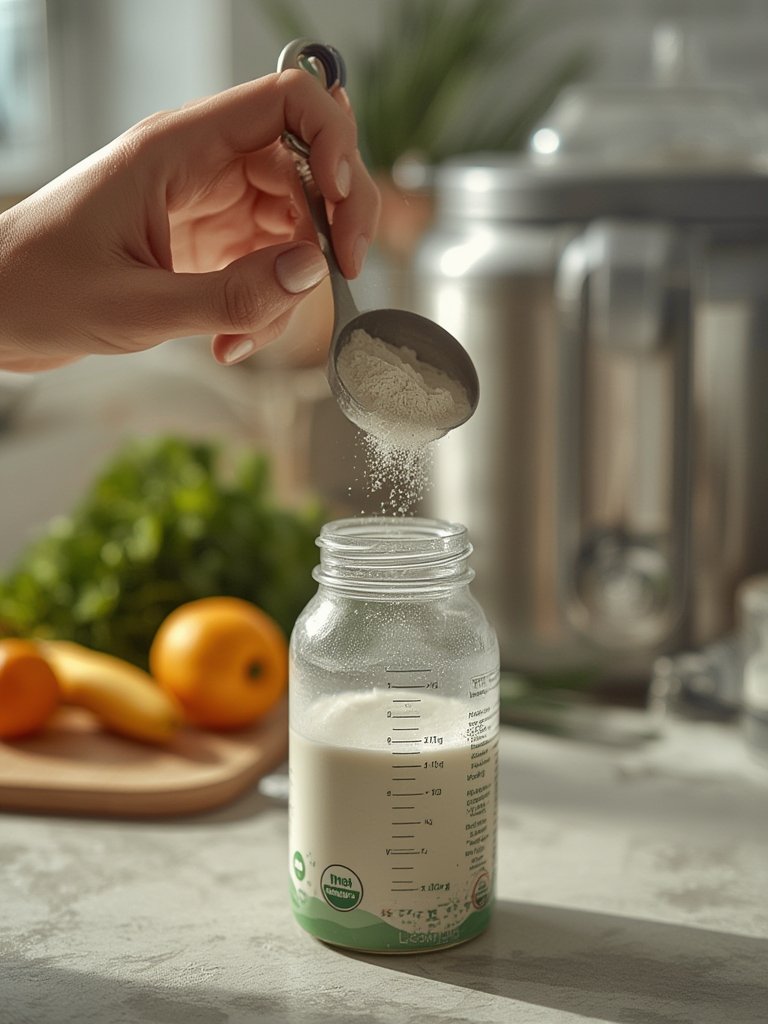
Follow mixing instructions exactly for safety. A common pitfall is using too much or too little powder, which may cause nutrient imbalances or digestive issues. Thoroughly sanitize bottles and feeding equipment—just as you would for any formula.
If allergies or skin irritation occur, cross-check your formula’s ingredient list and review our suggestions for organic baby skincare solutions to reduce exposure to harsh chemicals elsewhere.
- Monitor for Reactions
Track any changes in your baby’s digestion, skin, or overall behavior during and after the transition to baby formula organic. Keep a record of feedings and reactions to discuss with your pediatrician. If you run into persistent issues with sleep or feeding routines, you may find it helpful to check our insights on smoothing out baby sleep regression or explore adding safe baby probiotics.
Advanced Analysis & Common Pitfalls for Baby Formula Organic
While baby formula organic is on the rise, several real-world pitfalls can trip up even cautious parents. Here’s what to watch out for:
| Factor | Organic Formula | Non-GMO Formula | Standard Formula |
|---|---|---|---|
| GMO Ingredients | No | No | Possible |
| Organic Sourcing | Yes (Certified) | No | No |
| Synthetic Additives | Prohibited | Possible | Common |
| Antibiotics/Pesticides | Not Permitted | Possible | Possible |
| Price Data Transparency | Low (Few Public Ranges) | Low | Low |
| Independent Scientific Studies | Limited (as of 2024) | Limited | Limited |
- Certification Gaps: There’s confusion about what each organic logo (USDA, EU, etc.) really means for infant formula, and no public database summarizes recalls or certification failures for these specific products. Always consult trusted official or brand sources before making decisions.
- Price Transparency: Surprisingly, few public sources or brands disclose clear price ranges—making comparison shopping tough. Organic formulas often cost significantly more but with little visibility, it’s easy to overpay.
- Lack of Clinical Data: As of 2024, no major scientific reports show clear benefits (or drawbacks) of organic infant formula over non-GMO or conventional options. You’re choosing based on ingredient profiles, values, and manufacturer practices, not peer-reviewed clinical outcomes.
- Unaddressed Issues: Most competitor articles do not cover potential allergens, detailed ingredient traceability, or environmental impact in depth. If your baby is sensitive or you care deeply about environmental effects, consider contacting brands directly or seeking specialty forums for advice.

Conclusion
Baby formula organic gives parents an option to reduce their baby’s exposure to added chemicals and GMOs, favoring certified organic sourcing. Although public data on pricing, certification issues, and clinical benefits is limited, the marketplace continues to grow quickly. Always consult your pediatrician and review ingredient details carefully. When in doubt, start with trusted brands, monitor your baby’s response, and leverage parent forums for real experiences. Ready to explore cleaner feeding? Start researching brands and ask your healthcare provider about the best baby formula organic options for your child today.
FAQ on Baby Formula Organic
How can I be sure my baby formula is truly organic?
Look for official certification labels such as USDA Organic or EU Organic on the package and cross-check on the manufacturer’s website. If in doubt, contact the brand directly for their certification documentation.
Does baby formula organic reduce allergy risk?
No conclusive scientific studies show that organic formula decreases allergy risk compared to conventional or non-GMO formulas. If allergies are a concern, consult your pediatrician and monitor your baby’s response closely.
Is organic formula always non-GMO?
Yes, certified organic baby formula is required to be free from genetically modified organisms. Non-GMO formulas are not necessarily organic, so check labeling carefully.
Does organic formula taste or mix differently than regular formula?
Some babies notice a slight difference in taste or texture due to the formula’s ingredients, especially when switching brands. A gradual transition and careful preparation can help your baby adjust.
Are there any price differences between organic, non-GMO, and standard formulas?
Yes, organic formulas typically cost more, but as of 2024, few brands provide detailed, transparent pricing for direct comparison. Always compare several options and read reviews before committing long term.