

Baby sleep training isn’t just about longer nighttime stretches. It’s about helping your baby develop healthy sleep habits while supporting attachment, emotional growth, and your own sanity. If you feel lost in the weeds of conflicting advice and unsure what methods actually work or are safe, you’re not alone.
Key Takeaways
- Most research finds baby sleep training is safe without long-term negative impacts, but gaps remain in recent and culturally diverse studies.
- Gentle methods like gradual extinction and camping out suit families worried about attachment and stress but can bring their own challenges and setbacks.
- Real-world outcomes depend on your child’s temperament, your consistency, and flexibility in adapting the process.
- Understanding Baby Sleep Training
- How to Sleep Train Your Baby: Actionable Steps
- Reality Check: Setbacks, Pitfalls, and What Research Shows
- Conclusion
- FAQ
Understanding Baby Sleep Training
Baby sleep training means teaching your infant to fall asleep and return to sleep independently during normal nighttime awakenings. The “why” is simple: well-rested babies and parents benefit from improved mood, cognitive development, and mental health.
Concerns about causing distress or harming attachment are common, but the best evidence to date—including a five-year follow-up study—shows no link to increased behavioral problems, poor emotion regulation, or change in parent-child bonds.
See Blunden et al. (2022) and Paulus et al. (2019).
Modern, gentle approaches focus on supporting both the baby and caregiver. That means balancing sleep science, responsive parenting, and realistic daily life.
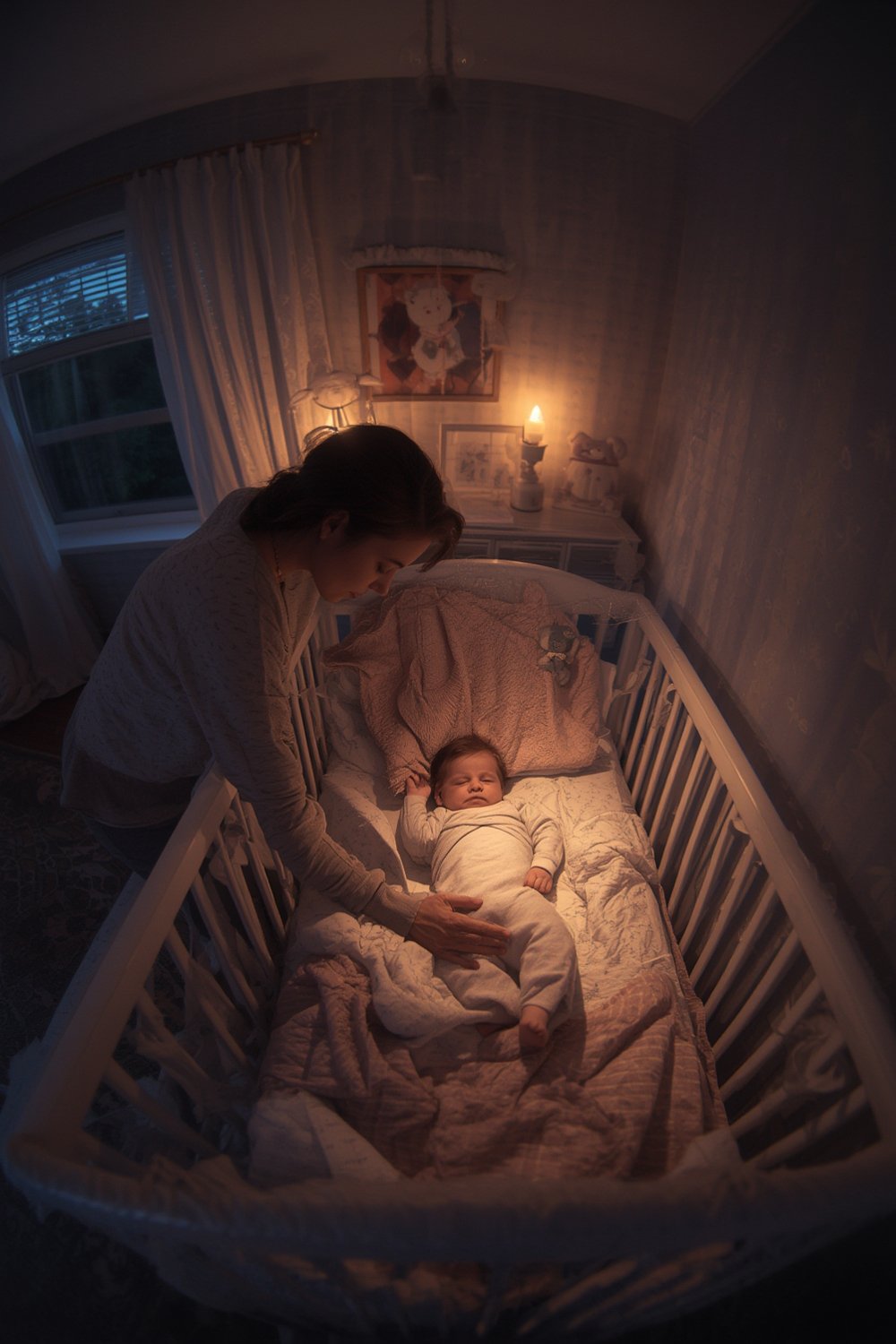
Want to ensure your baby’s entire environment is safe? Check out our toddler bed safety guide for expert crib and room tips.
How to Sleep Train Your Baby: Actionable Steps
These steps are based on the most widely studied gentle sleep training methods: gradual extinction (a “Ferber-style” approach), camping out, and bedtime fading. Choose what matches your comfort and your baby’s needs.
-
Create a sleep-conducive environment.
Darken the room, use a baby sleep sound machine for consistency, and keep the temperature comfortable (68-72°F). -
Pick your method and communicate your plan.
Involve all caregivers; consistency is critical, especially late at night when willpower is low. -
Start at bedtime, not naps.
Nighttime is easiest for learning new sleep skills. Once nighttime improves, you can address naps. -
Gradual Extinction/Ferber Method:
- Put baby down awake, leave the room, return after short intervals to offer brief comfort without picking up.
- Increase intervals gradually each night. Example: Night 1: wait 3, then 5, then 10 minutes; Night 2: 5, 10, 12 minutes, etc.
-
Camping Out or Quick Checks:
- Stay in room, gradually move farther from crib each night, providing less physical reassurance over time.
- Quick Checks: Step out, return for very brief reassurance at set intervals (never picking up) until your baby falls asleep.
-
Bedtime Fading:
- If your baby resists bedtime, delay it by 10-15 minutes nightly until sleep comes more easily, then pair with the above methods.
-
Stay flexible.
If your baby gets sick, is teething, or regresses, pause and restart when things stabilize.
Research shows that gentle and intermediate approaches typically bring real improvement within 3 to 5 nights, but some families need two weeks for skills to stick.
Learn more about recognizing normal baby sleep regression patterns if you see setbacks.
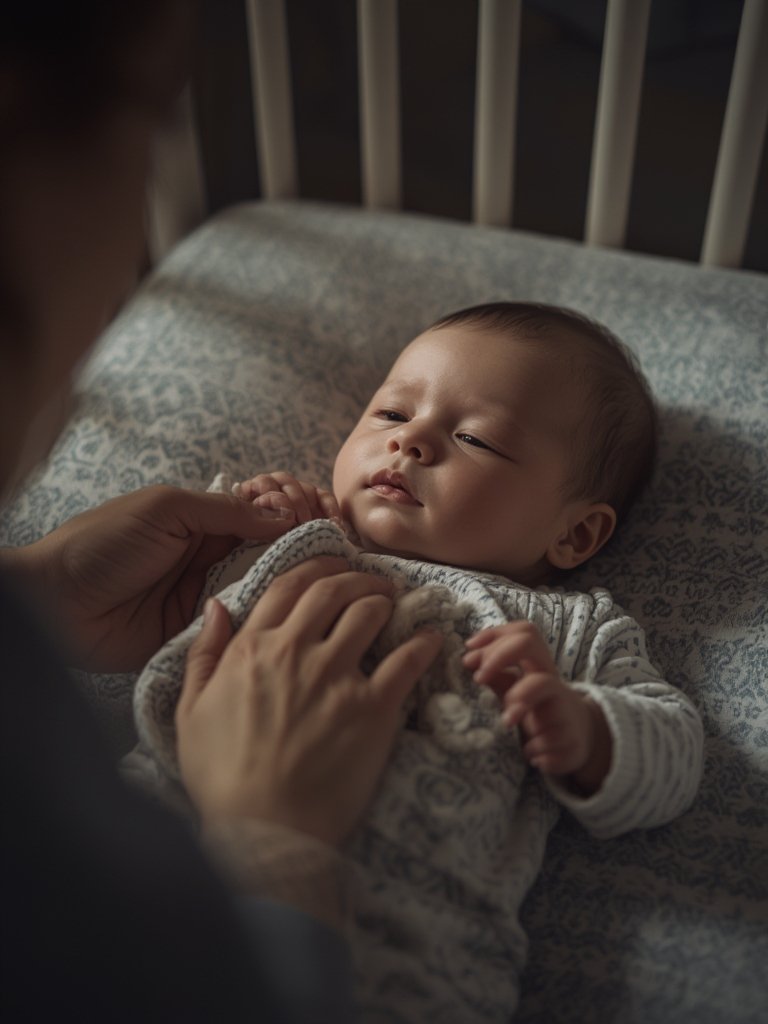
Consider using tech tools like a wifi baby monitor for peace of mind and to spot sleepy cues before overtiredness triggers meltdowns.
For a foundational approach, see our expert tips on baby development month by month to align sleep steps with your child’s stage.
Reality Check: Setbacks, Pitfalls, and What Research Shows
No method is universally easy, and setbacks are common. Here’s what the evidence (and real families) reveal:
- Emotional Worry: Many parents fear sleep training could harm the parent-baby bond or cause stress. However, large studies such as Blunden et al. (2022) and Price et al. (2012) found no impact on attachment or increased stress markers in sleep-trained children (see the latest study).
- Inconsistency: Inconsistency—skipping steps, reverting under pressure, or having partners not on the same page—is a top reason sleep training fails or stalls.
- Illness and Life Changes: Teething, illness, family travel, and regressions can all cause sleep setbacks. It’s OK to pause and restart.
- Overtiredness: Starting sleep training when your baby is already overtired can backfire. It’s much easier to succeed when your child is well-rested.
- Misreading Cues: Not all crying is protest or emotional distress—some is simply frustration from learning new skills. But check on your intuition if something feels “off.”
- Sleep Training at the Wrong Age: Most experts recommend starting no earlier than 4-6 months, as younger babies may not be developmentally ready.
- Expectation vs. Reality: Every baby is different. Some will sleep through after a few days; others may take weeks. Relapses are normal and not a sign of failure.
Top research also reveals what’s missing: Most studies rely on cortisol as a stress marker, lack diverse samples, and don’t always report long-term impacts on breastfeeding or maternal mental health (full analysis here).
| Method | What It Is | Pros | Cons | Common Setbacks |
|---|---|---|---|---|
| Gradual Extinction / Ferber | Timed check-ins, increasing interval | Quick results, supported by studies | Initial baby protest; tough for some parents | Inconsistency, reverting to old habits |
| Camping Out | Parent stays, moves farther away each night | Minimizes distress, good for anxious parents | Takes longer, tempting to “rescue” too soon | Parent fatigue, loss of patience |
| Bedtime Fading | Shift bedtime later to match natural sleepiness | Gentle, avoids overtired battles | Delayed long-term bedtime if not faded back | Lack of patience, reverting to earlier schedules |
| Quick Checks | Brief, intermittent reassurance | Combines comfort with independence | Confusing for babies if not done consistently | Partner disagreement, inconsistency |
If your child shows persistent trouble, check their sleep environment—safe sleep sacks and appropriate room temperature often make a difference.

More resources are being developed as pediatric researchers address ongoing gaps—such as cultural differences and the impact on maternal mental health (see the science here).
Related: Want to see how a structured newborn sleep schedule compares to sleep training later on? Get age-specific tips in our guide.
Conclusion
The science tells us most forms of baby sleep training are safe for healthy infants and their parents, with gentle and gradual strategies offering a low-stress path for most families. Your success hinges on realistic expectations, consistency, and adapting when real life throws curveballs. Choose the approach that suits your baby’s temperament and your parenting style.
Wondering where to start or feeling stuck? Explore our other guides and be patient—baby sleep training is a journey, not a race. If you need fresh troubleshooting tips or personalized support, consult your pediatrician or a certified sleep coach.
Share your experience or ask a question below—your feedback helps other parents too!
FAQ
Is baby sleep training safe in the long term?
Yes, most long-term research—including five-year follow-ups—shows no lasting negative impacts on attachment, stress markers, or behavior. However, studies still lack broad diversity and often do not measure outcomes like maternal mental health or breastfeeding.
At what age should I start sleep training my baby?
Most experts recommend waiting until your baby is 4 to 6 months old and is growing well, with no medical concerns. Younger infants may not be ready for independent sleep skills.
What can I do if sleep training isn’t working?
Check for underlying problems: illness, over-tiredness, growth spurts, or inconsistent routines are common culprits. Sometimes pausing and restarting once things stabilize is best. If you keep struggling, consult your pediatrician or a sleep consultant.
Can I use gentle sleep training methods with co-sleeping?
Yes, gentle approaches like gradual withdrawal or bedtime fading can work with room sharing. You may need to personalize check-in intervals or the presence of a parent, but good sleep habits are still within reach.
Are there any extra tools that can help during sleep training?
Sound machines, blackout curtains, safe sleep sacks, and smart baby monitors are parent favorites. For extra support on safe accessories, see our block on baby sleep sack safety.
[…] parenting and newborn care tips, subscribe to Mother Child Connection or check out our guides to baby sleep training and nursery hygiene […]