

### Blog Post:
Baby bottle sterilizer use is becoming a new nonnegotiable step for parents focused on their child’s safety, especially with increasing infection risks and higher hygiene standards for newborns. Understanding which sterilizer is right for you—and how to maximize its safety and convenience—makes a big difference for your routine and your baby’s health.
Key Takeaways
- Electric and UV baby bottle sterilizers are rapidly evolving, with smart, chemical-free features and greater convenience for busy parents.
- There are notable differences in sterilization methods, device speed, and usability, but up-to-date parent reviews and head-to-head model comparisons are still lacking in the market.
- Choosing the right sterilizer means balancing safety, performance, and new innovations matched to your family’s needs.
- What Is a Baby Bottle Sterilizer and Why Does It Matter?
- Step-by-Step: Choosing and Using a Baby Bottle Sterilizer
- Advanced Analysis & Common Pitfalls
- Conclusion
- FAQ
What Is a Baby Bottle Sterilizer and Why Does It Matter?
A baby bottle sterilizer is a device designed to kill harmful germs on bottles, nipples, and sometimes pacifiers, giving parents peace of mind that feeding gear is free from dangerous bacteria and viruses. This prevents infections in newborns, who are most vulnerable in their first months of life. Electric bottle sterilizers usually use high-temperature steam, while UV baby sterilizers use ultraviolet light for chemical-free operation. Both types are now considered essential for families wanting to maintain the highest hygiene standards with minimal daily hassle.
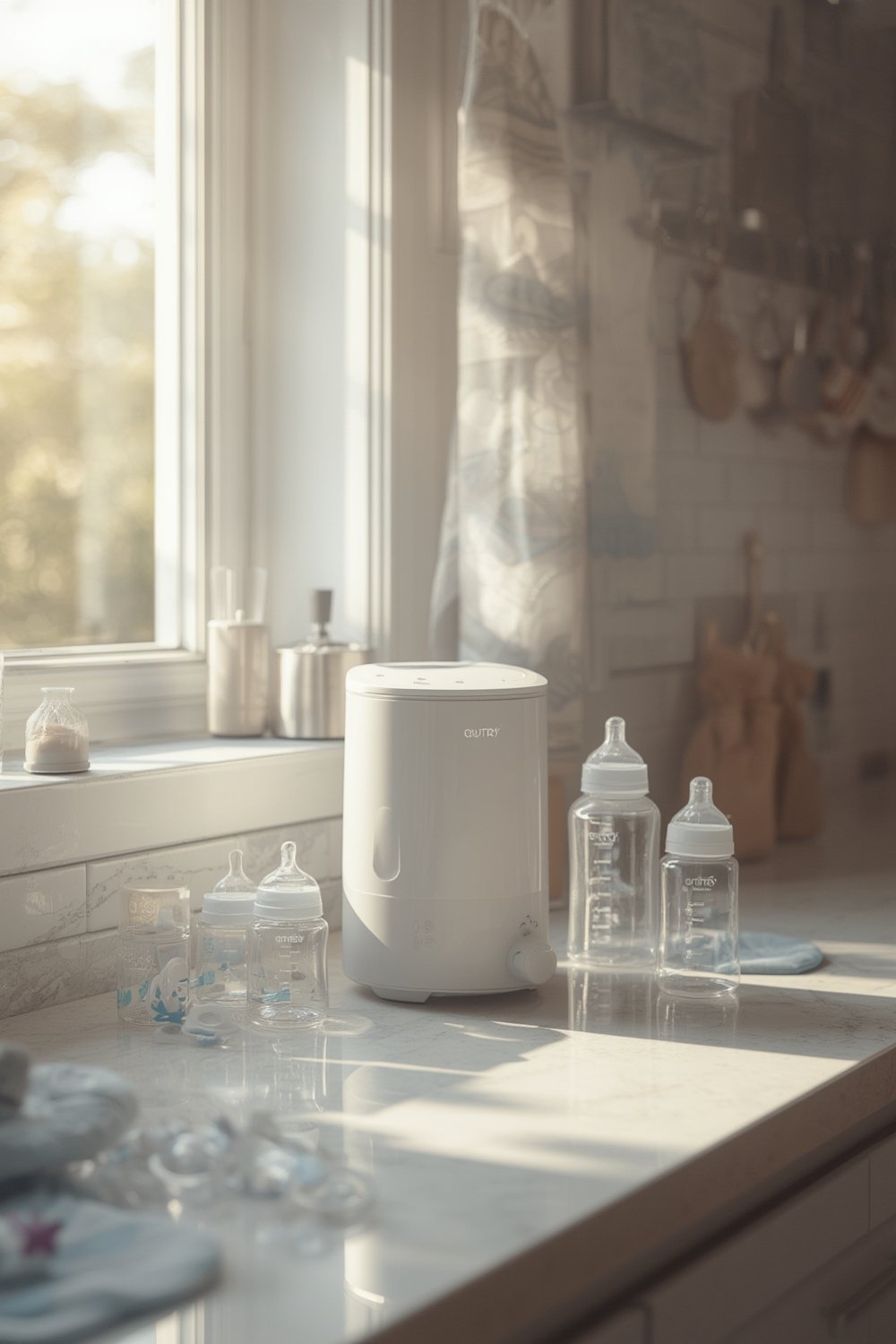
The global baby bottle warmers and sterilizers market is experiencing real growth—estimates for 2024 range from USD 156 million to 428 million. The climb is steady, with projections up to 6.6% CAGR through 2034 and a strong focus on advanced convenience and hygiene features like chemical-free UV sterilization, fast drying, and portability. North America is the largest market, but demand in Asia-Pacific is also surging, fueled by birth rates and e-commerce accessibility.
Pediatric authorities, including the CDC, maintain that strict cleaning (and sterilizing) is warranted during a baby’s first three months, though they do not yet favor one sterilization method over another. Trends show parents increasingly prefer sterilizers that work fast, require little supervision, and offer smart features for added assurance.
See related solutions for safe sleep and nursery safety in Safe Sleep Solutions: Toddler Beds and Crib Bumper Safety.
Step-by-Step: Choosing and Using a Baby Bottle Sterilizer
Picking and using the right baby bottle sterilizer requires more than just reading the label. Here’s a streamlined, actionable approach so you make the safest, easiest choice and save time every day.
- Assess your priorities: Do you need fast sterilization, drying, chemical-free operation, or portability? New UV sterilizers and smart-enabled steam models each offer different perks.
- Check the compatibility: Make sure your bottle types fit in the model’s chamber—wide-neck, glass, and specialty bottles may not fit all sterilizers.
-
Compare sterilization methods:
- Electric (Steam): Reliable, broad compatibility, can double as a bottle warmer, uses heat and water.
- UV: No heat or water involved, ideal for chemical-free operation, uses UV light—may take longer/moisture is retained unless using a hybrid drying model.
-
Look for safety features:
- Automatic shutoff, childproof latches, temperature sensors, and no external hot surfaces are all important.
-
Follow setup and use instructions:
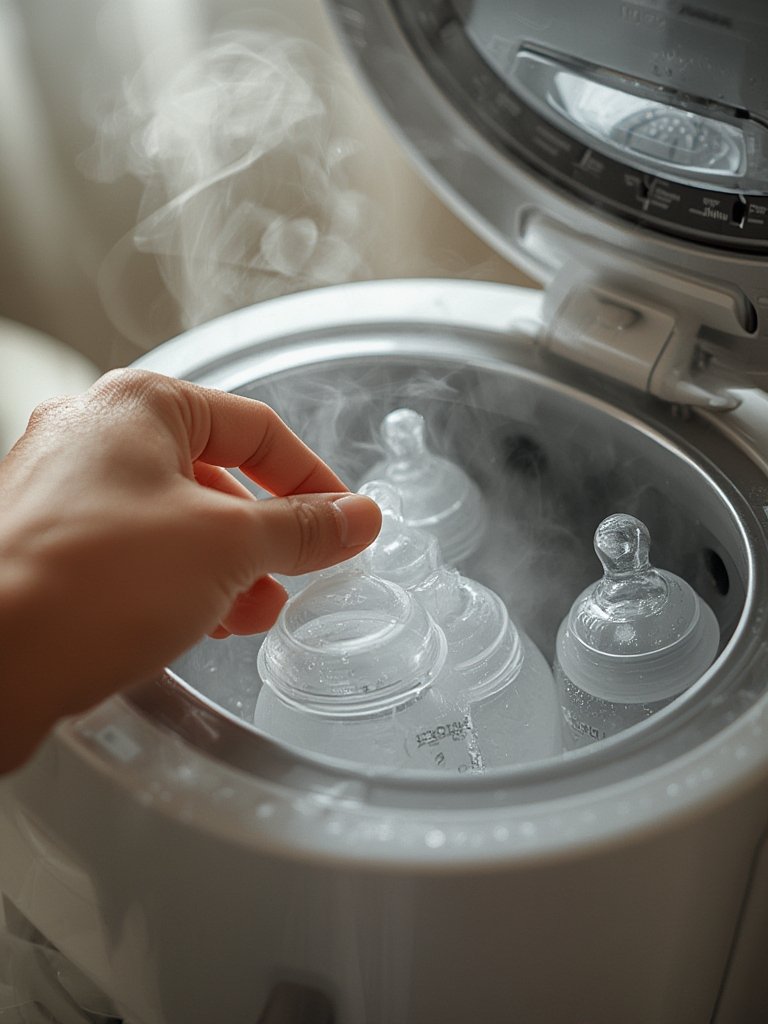
Wash all items first, position them upright with the right spacing, and run the recommended cycle type for your device and bottle brand. -
Schedule regular maintenance:
Descale electric sterilizers frequently (some recommend vinegar), and wipe UV interiors with a soft, dry cloth. Replace bulbs or filters as directed. - Stay informed: Keep up with the latest pediatric advice and product news. For trusted baby development and parenting resources, visit Top 10 Essential Tips for Understanding Baby Developmental Milestones.
Want to upgrade your baby gear all around? Read about other game-changing products like anti colic baby bottles and electric breast pumps for an easier parenthood experience.
Advanced Analysis & Common Pitfalls
Rushing to buy a baby bottle sterilizer? Don’t overlook these common pitfalls and key market findings that could impact your decision:
- Market confusion: Most market reports, like those from Grand View Research and 360iResearch, blend baby bottle warmers and sterilizers, making it tough to get clear, apples-to-apples comparisons on performance, cost, and features for specific models.
- Missing verified reviews: There’s a real shortage of honest, verified parent complaints about electric and UV sterilizers—so be cautious with marketing promises and check multiple sources before committing.
- Unanswered questions: No source currently provides clear cost ranges, model-specific warranties, or lifespan details. This makes it hard to predict total ownership costs or long-term reliability.
- Usability tradeoffs: Not all “advanced” features save time. Some UV models don’t dry bottles, while some steam models need daily descaling or longer cooling time.
- Potential risks: All sterilizer types can sometimes leave condensation inside bottles. Incomplete drying or improper cleaning may actually encourage bacteria if bottles are stored wet and not used immediately.
Below is a direct electric vs. UV comparison, highlighting key differences and tradeoffs based on current research:
| Feature | Electric (Steam) Sterilizer | UV Baby Sterilizer |
|---|---|---|
| Sterilization Method | High-temperature steam kills germs | UV-C light neutralizes bacteria and viruses, no chemicals |
| Cycle Time | 6–15 minutes (plus cooling and optional drying) | 8–30 minutes (drying varies; some models include it) |
| Residue Risk | Possible mineral build-up; must descale regularly | No residue; dry cloth cleaning required |
| Compatibility | fits most bottle types | Chamber size may limit some wide/glass bottles |
| Safety Features | Automatic shutoff, temp sensors, locking lid | Automatic shutoff, bulb safety, no heat risk |
| Smart Features | Available on premium models (cycle programming, app alerts) | Available on premium models (cycle monitoring, remote alerts) |
| Portability | Bulky; usually countertop only | More portable; some battery-powered options |
| Maintenance | Regular descaling, possible mold if not dried | Wipe with dry cloth; replace UV bulb as advised |
| Costs/Warranty | No comprehensive current data | No comprehensive current data |
For more on parenting “best picks,” don’t miss our deep dives into choosing the best stroller travel systems and nursery organization in toy storage solutions.
Technical innovations emerging in 2024 include hybrid models (combining steam with UV), real-time digital monitoring, adaptive temperature regulation, and programmable cleaning/drying cycles. These solutions are designed for peace of mind and to cope with the fast pace of modern family life, though their ultimate effectiveness and longevity are still being tested in the homes of real parents.
Conclusion
In summary, baby bottle sterilizers—whether electric or UV—are essential for safe infant feeding and parental peace of mind. Rapid market growth and ongoing improvements in smart convenience signal these devices are only getting better, but missing model-by-model data means parents must still do careful homework. Remember to match a sterilizer’s method, capacity, and special features to your honest priorities, and never skip daily cleaning or maintenance. For a safer, smarter nursery, start here and keep up with the latest developments in baby bottle sterilizer technology, safety, and hygiene.
Act now: Review your current cleaning routine and make an informed upgrade with a reliable sterilizer that fits your lifestyle.
FAQ
Is UV sterilization safe and effective for baby bottles?
Yes, UV sterilizers use UV-C light to kill bacteria and viruses on contact, without chemicals or heat. However, bottles must be properly washed before use, and effectiveness can vary depending on how thoroughly light reaches all surfaces. Always follow the device’s guidelines and replace bulbs as recommended.
Can I use a regular dishwasher instead of a baby bottle sterilizer?
Dishwashers can clean and sanitize bottles if used with a hot water cycle, but dedicated sterilizers sanitize more thoroughly and quickly. Pediatric authorities recommend sterilizing bottles during the first three months of life, especially for premature or medically vulnerable infants.
How often should I sterilize my baby’s bottles?
It’s best to sterilize bottles after each use during your baby’s first three months or after illness. After that, a thorough wash in hot, soapy water or the dishwasher is often sufficient unless your baby is immunocompromised or as advised by your pediatrician.
What regular maintenance do baby bottle sterilizers need?
Electric sterilizers need routine descaling to prevent mineral buildup, and all types require regular cleaning. UV sterilizers require bulb replacement and dusting/wiping of internal surfaces. Always check for manufacturer-specific instructions.
Are more expensive sterilizers proven to be safer or last longer?
No reliable data exists showing that higher-priced models are more effective or durable. Warranties, build quality, and proper care tend to matter more than price tag alone. Look for reputable manufacturers with strong customer support and clear instructions.
—