

aby Sound Sensor
baby sound sensor technology has quickly become essential for modern parents who want accurate, real-time alerts when their baby cries or needs attention. As innovation in nursery monitoring grows, understanding the strengths and pitfalls of baby sound sensors is crucial for making safe, informed choices for your child’s sleep and wellbeing.
Key Takeaways
- Baby sound sensors and cry detection monitors are a booming market, projected to see strong growth and innovation through 2034.
- There is limited independent testing or transparency around real-world accuracy, privacy, or common user complaints with baby sound sensor devices.
- Parents should take practical steps to optimize their baby sound sensor setup and understand the technology’s current limits.
- Understanding Baby Sound Sensor Technology
- How to Use and Optimize Your Baby Sound Sensor
- Advanced Analysis and Common Pitfalls
- Conclusion
- FAQs
Understanding Baby Sound Sensor Technology
Baby sound sensors detect sound patterns in your child’s room to identify crying, fussing, or other noises that may indicate your baby needs attention. These smart sensors, often included in modern baby monitors, use built-in microphones and, in some cases, AI-based cry detection. The purpose? Give you immediate alerts when your baby is in distress, and help you monitor sleep quality, all without hovering over the crib.
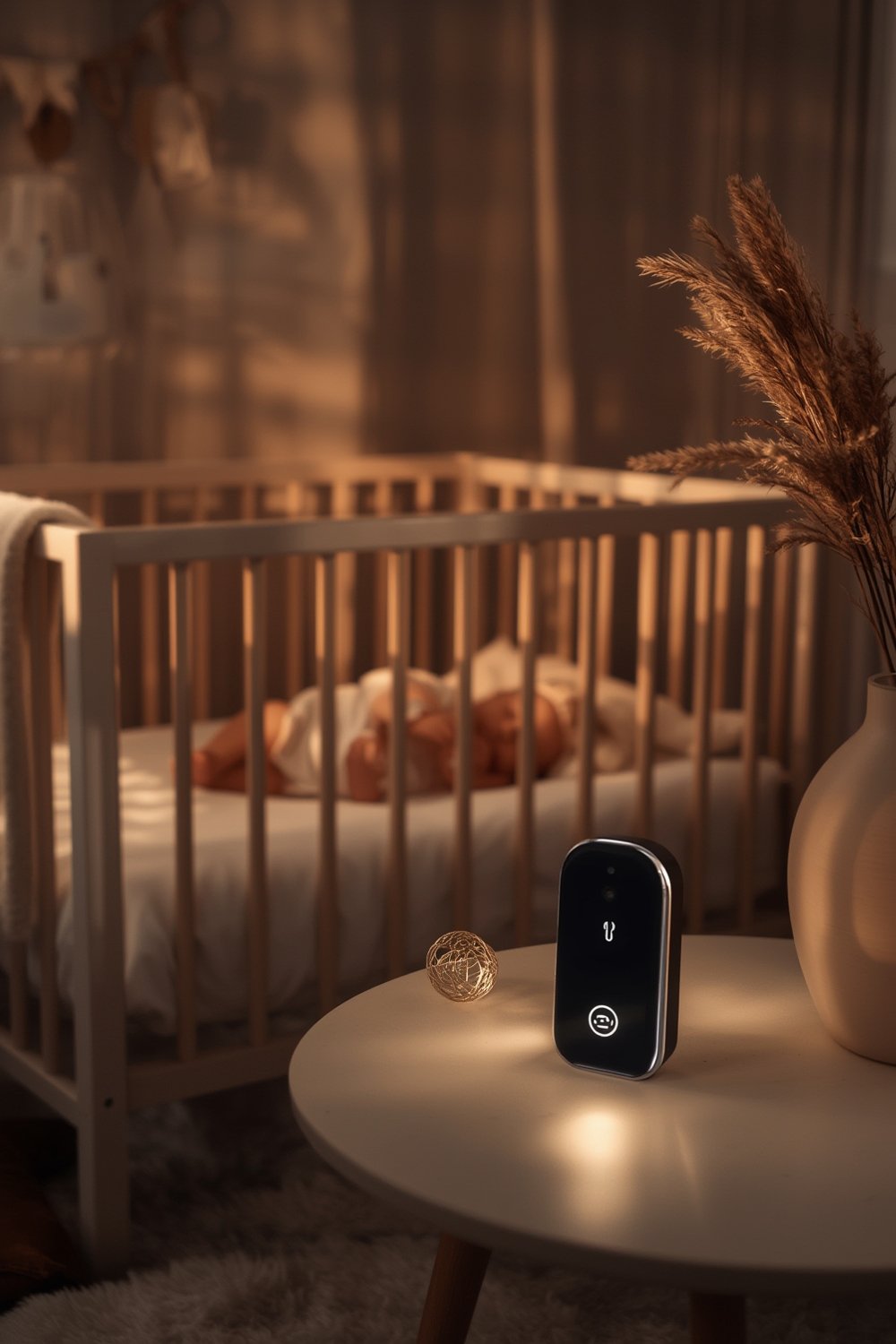
From simple audio detectors to advanced units bundled with HD video, temperature sensors, and two-way talk, options are diverse and evolving. Over 80% of baby monitors sold in 2024 featured video capabilities, but audio-specific cry detection remains vital for sleep safety and peace of mind. In fact, the baby sound machine market alone was valued at $0.03 billion in 2024 and is expected to keep growing through 2033. Parents today can even integrate smart baby sound sensors with home assistants or mobile apps for real-time notification and remote monitoring.
It’s easy to see why devices powered by sound and cry detection are at the heart of safe sleep solutions for families. For more in-depth safe sleep guidance, visit our guide on toddler bed safety and crib safety tips.
How to Use and Optimize Your Baby Sound Sensor
Setting up your baby sound sensor—and ensuring it works at its best—takes a few simple but critical steps. Below is a proven, practical approach for parents, especially if you’re new to this technology.
- Choose the Right Model: Decide whether you want a dedicated audio baby sound sensor, a smart baby monitor with multi-sensors, or one with AI-based cry detection. Consider reputable options with real user feedback.
- Optimal Placement: Install the sensor 3–6 feet from your baby’s crib, away from direct airflow or devices like humidifiers. For added peace of mind, learn more about optimizing nursery safety in our safe sleep sack guide.
- Adjust Sensitivity: Positive detection requires calibration. Start with the default sensitivity, then fine-tune up or down based on sample noises and false alerts you experience.
- Integrate with Your Routine: Enable app-based features for remote alerts. Some models let you pair with smart speakers or even adjust the uniformity of notifications during scheduled nap times or overnight.
- Routine Maintenance: Dust sensors and ensure firmware or app updates are installed. Interference from dust, outdated software, or location changes can reduce effectiveness.
- Regularly Review Logs: Many smart sensors log events. Reviewing these helps you understand actual alert quality and tweak device settings accordingly. For data-driven parents, pairing sound sensors with a milestone tracker provides a fuller developmental snapshot.
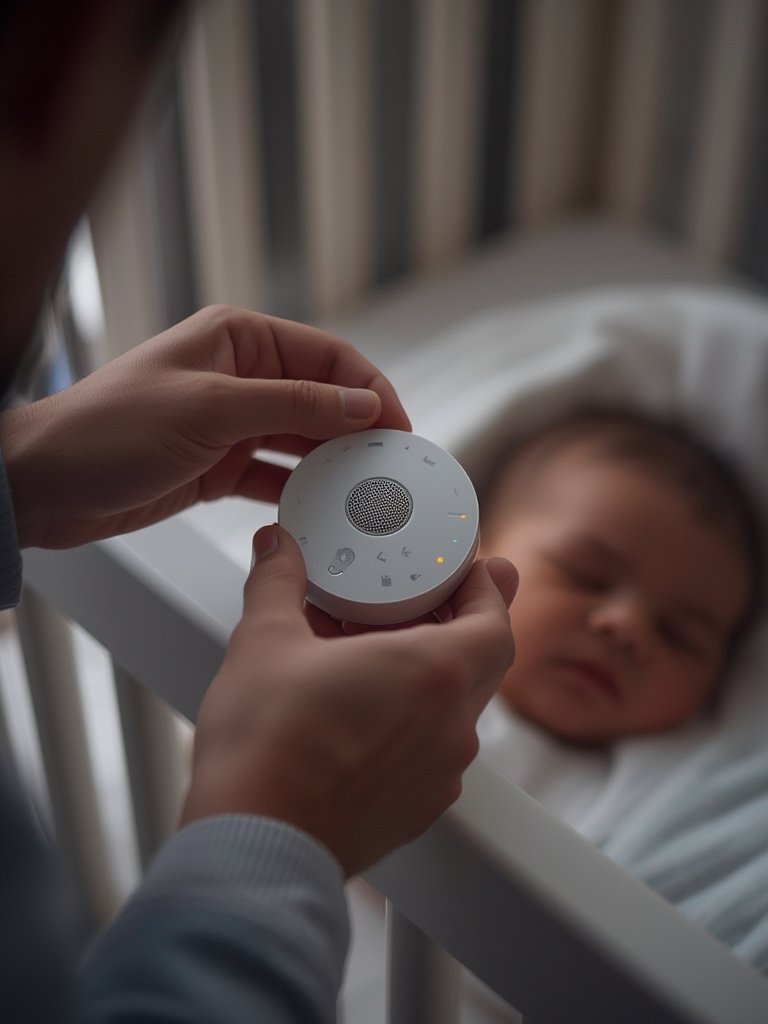
It’s also smart to combine baby sound sensors with a digital thermometer or safe baby sound machines as part of an overall sleep strategy. See our research-based recommendations in the guide to baby thermometers and baby sound machines.
Advanced Analysis and Common Pitfalls
Despite rapid market growth—with global sales for smart baby monitors hitting $1.6 billion in 2024—the technology is not flawless. Here are the most realistic hurdles and limitations facing parents and caregivers:
| Issue | What to Expect | Actionable Solution |
|---|---|---|
| False Positives | Alerts get triggered by siblings, pets, or non-cries (e.g. babbling, loud rainfall). | Reduce sensitivity; keep sensor away from windows and other sound sources; test placement frequently. |
| Limited Cry Differentiation | Most models cannot reliably distinguish ‘hungry cry’ from ‘tired cry’ or spot difference between cry and playful squeals. | Don’t depend solely on sound detection for urgent needs. Supplement with visual monitoring or frequent check-ins. |
| Connectivity Issues | WiFi-enabled monitors may drop connection or send delayed notifications if the network is unstable. | Use a dedicated, stable WiFi network. Have a backup audio monitor as redundancy. |
| Privacy Risks | No major incidents reported, but cloud-connected monitors collect audio and video data. | Change default passwords, enable encryption, and update firmware. Stick to brands offering ‘secure connectivity’ and advanced encryption standards. |
| Lack of Transparency | Companies rarely publish independent test results or real-world detection accuracy. | Seek user reviews and third-party evaluations. Be prepared to tweak settings to fit your household specifics. |
| Over-Reliance | It’s tempting to trust alerts alone, but sensors may miss soft cries or rare sounds. | Continue physical checks and develop your own intuition as a complement to tech. |
Interestingly, while new innovations like AI-enabled cry detection and app-controlled sound sensors are emerging fast, most brands still don’t share their accuracy or error rates. It’s also worth noting that the biggest leap in the past two years has been integration with smartphone apps and smart assistants, not necessarily in raw detection quality.
Some parents expect their baby sound sensor to tell them exactly why their baby is crying, but as of 2024, there’s little evidence these systems can reliably distinguish subtle differences between crying and other baby sounds. You may also find in online forums that false alarms—such as alerts triggered by a pet or passing car—are a persistent annoyance for some families.
For a more elaborate comparison of baby monitors in general and how to choose one that fits your family’s needs, see our smart baby monitor guide.
Conclusion
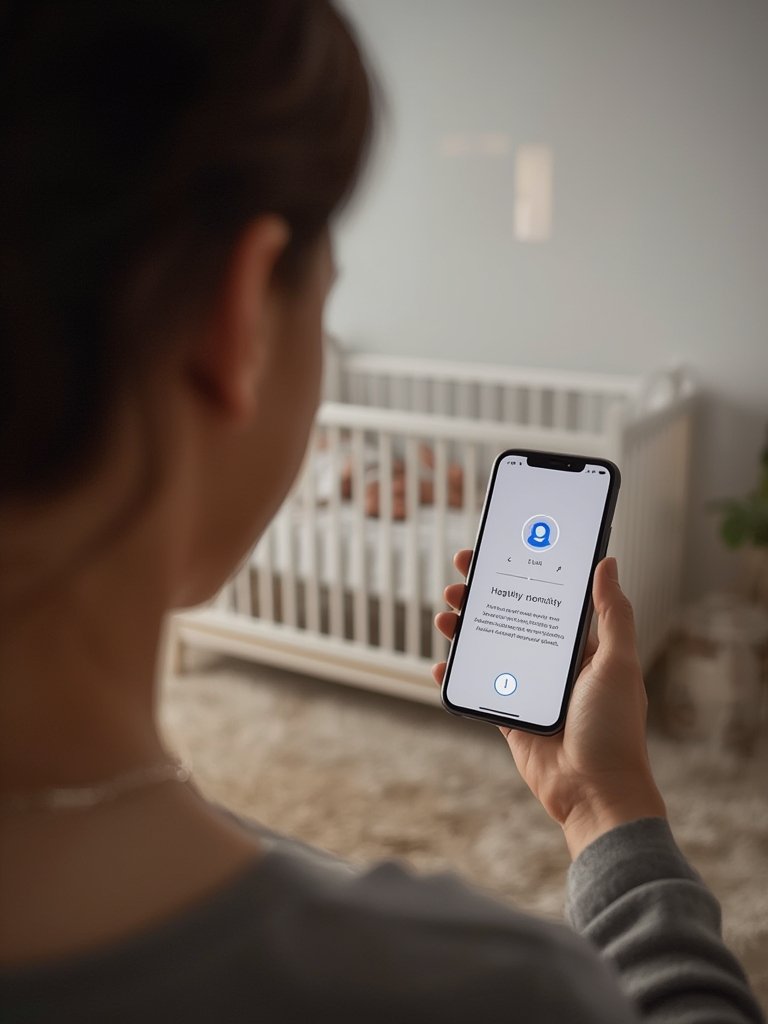
Baby sound sensor devices have come a long way, offering more options, smart features, and integration with digital parenting tools. However, parents should keep realistic expectations—these devices still send occasional false alerts and, without independent performance data, should be used as part of an overall safe sleep and care plan. Investing in a reliable baby sound sensor, optimizing placement, and regularly reviewing your setup can help ensure better sleep and peace of mind for both you and your baby.
If you’re serious about creating the safest sleep environment, don’t forget to explore features like sleep tracking and combine your baby sound sensor with other smart nursery solutions. Ready to take the next step? Compare devices and upgrade your family’s sleep routine today!
FAQs
How do baby sound sensors detect a baby’s cry?
Baby sound sensors use sensitive microphones and digital processors to analyze sound intensity and frequency in the nursery. Some advanced models use AI to recognize patterns unique to crying, triggering alerts when detected.
Can a baby sound sensor distinguish between crying and babbling?
Most sensors can detect the loudness and duration of sound, but many still struggle to accurately tell the difference between crying, babbling, or background noises. Advanced AI models may improve separation, but results vary.
Are there any privacy risks with smart baby sound sensors?
Yes. Any device connected to the cloud can pose privacy risks if not properly secured. Choose brands that offer encryption, change default passwords, and keep device firmware up to date to reduce risks.
What should I do if I receive too many false alarms?
Adjust your device’s sensitivity settings, reposition the unit further from noise sources like open windows or vents, and keep firmware updated. If issues persist, consider combining audio monitoring with video or physical checks.
Where can I learn more about creating a safe sleep environment?
See our comprehensive guide on safe sleep practices for toddlers and cribs.