

Baby night light solutions are more advanced, customizable, and safety-focused than ever, but choosing the right one can be confusing with all the new tech, features, and legitimate parent concerns around sleep, safety, and value.
Key Takeaways
- The best baby night lights offer warm, low-level adjustable illumination with reliable safety certifications, simple controls, and durable materials.
- Brightness, color temperature, and timer functions matter as much as extra features like sound and app control—smart options can introduce privacy and maintenance challenges.
- Long-term reliability, aging of LEDs and batteries, and actual placement in your child’s room are as important as what’s listed on the box or app.
- What Is a Baby Night Light and Why Does It Matter?
- How to Choose and Use a Baby Night Light: Step-by-Step
- Advanced Analysis & Common Pitfalls to Avoid
- Conclusion
- Frequently Asked Questions
What Is a Baby Night Light and Why Does It Matter?
Baby night lights are specialized lights for nurseries and sleep areas, providing soft, low-level illumination to help parents see during nighttime feedings and diaper changes—while preserving your baby’s sleep environment. Their purpose: help you care for your baby overnight without harsh light, potential overstimulation, or sleep disruption.
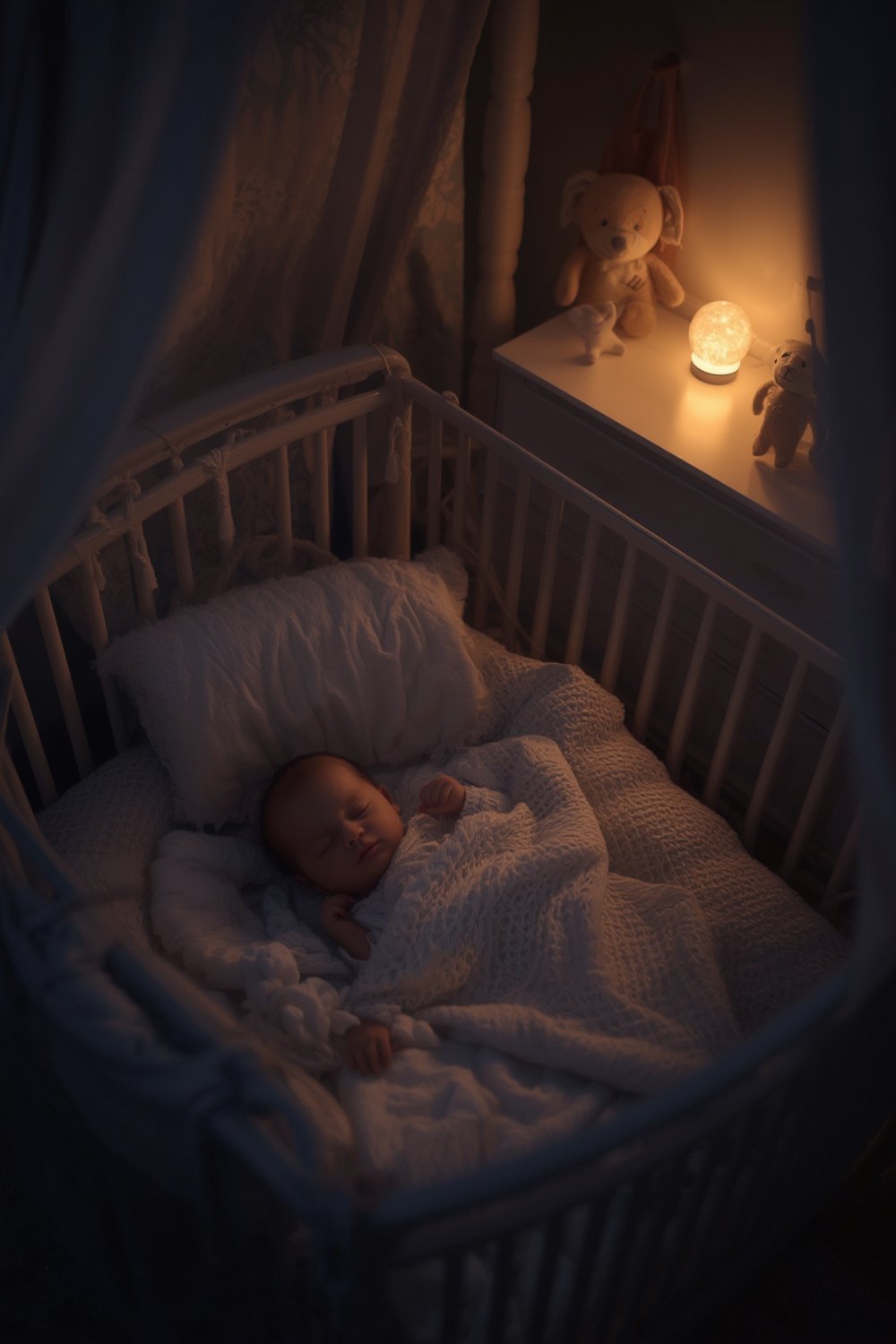
In 2024, the baby night light market is valued at billions of dollars globally, growing fast due to demand for smart features, LED efficiency, and health-conscious, convenience-driven design.
Parents are not just looking for cute animals or nursery décor—they’re seeking solutions that balance safety, performance, and real-world usability.
Why does it matter? Night lights are directly linked to better sleep routines and safer overnight care—if chosen wisely. The wrong choice can lead to over-stimulation, unsafe materials, unreliable performance, or privacy concerns (source).
Simple as night lights seem, there’s more science, technology, and parent experience in play than meets the eye. The right product can make your nights smoother and safer—so it pays to know what counts.
How to Choose and Use a Baby Night Light: Step-by-Step
Skip “best of” lists—here’s a realistic, actionable process for picking and using a baby night light that works in any nursery.
- Decide your primary use case:
- Diaper changes and feeding? Prioritize adjustable brightness, battery life, and warm color output.
- Room orientation and comfort? Softer, lower output models placed near the floor may be enough.
- Motion activation? Useful for late-night entries so your hands stay free.
- Check certifications and product safety information:
- Look for CE (EU), UL/ETL (North America), or UKCA (UK) marks plus CPSIA or ASTM F963 (for products marketed toward children).
- Materials should be labeled BPA-free, phthalate-free, and—if silicone—preferably food grade.
- Assess brightness and color temperature in practice:
- Choose models with 1–10 lumens at lowest setting. Aim for “warm white,” “amber,” or “soft red.”
- If you can, test at night in the actual nursery. Err on the side of lower light and avoid strong blue/white hues for overnight use (source).
- Pick your power and control setup:
- Rechargeable (USB-C/B) for portability. Battery-only for worry-free operation during power outages.
- Choose lights that remember your last setting and can be controlled one-handed or by touch in the dark.
- Evaluate app-enabled models for privacy: check if they require an account, send data to the cloud, or support local-only operation.
- Place and angle for real-world effectiveness:
- Place lights below eye level for babies—ideally on a dresser near the floor, facing the wall for softer diffusion, or behind your glider/chair.
- Avoid mounting lights directly facing the crib. Use physical shades, baskets, or diffusers if needed.
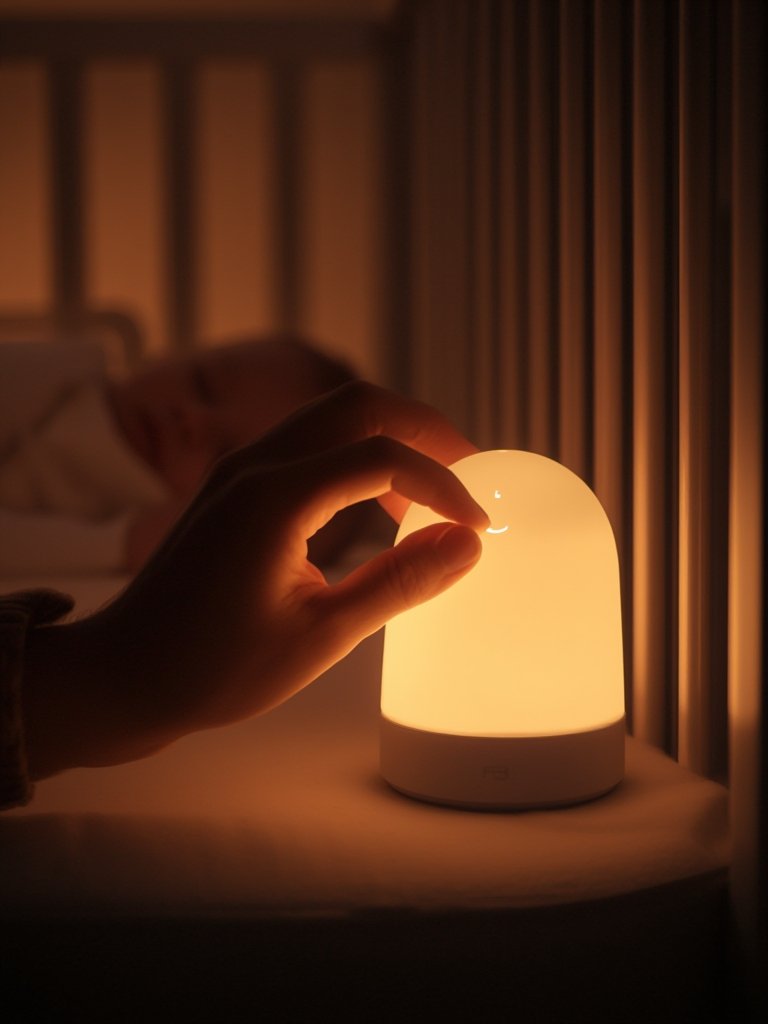
- Set up timers and automation mindfully:
- Try different timer lengths and routines. For sleep, most families prefer lights that auto-shutoff after 30–60 minutes, but having an “all night” option is helpful for illness or sleep regressions (sleep regression guide).
- If using smart features, ensure your phone/app is up to date and test from your own Wi-Fi network.
- Test, adjust, and replace as needed:
- Periodically check brightness, functionality, battery health, and surface heat. Replace devices that dim, flicker, or show physical wear. Every one to two years, consider a full refresh—especially for rechargeable devices.
- Keep night light safety in mind as your child grows:
- As your baby becomes mobile, check for cords, loose parts, and stability. Avoid small removable pieces that may become choking hazards (toddler bed safety tips).
- Move lights farther from the crib if your child reaches or mouths objects.
For additional sleep environment tips, take a look at our newborn sleep schedule guide and sleep sack safety advice.
Advanced Analysis & Common Pitfalls to Avoid
Despite slick marketing, even top-rated baby night lights can come with frustrating issues or hidden risks. Here’s what to watch for, plus how feature/price points stack up in practice.
| Feature/Issue | Low-End (<$15) | Midrange ($15–$35) | Smart/Premium ($60+) |
|---|---|---|---|
| Brightness Controls | None or 1-2 levels; often too bright | 4–8 levels, some dimming | Fine/continuous dimming; “scene” memory |
| Color Temperature | Cool (“blue-white”) | Warm/cool options; amber | Customizable (with presets) |
| Timer/Memory | Often missing; manual off only | Basic timer (15–60 min); sometimes saves settings | Smart schedules; multiple preset scenes |
| Power/Battery | Plug-in only; batteries (often not replaceable) | Rechargeable (may lack battery status indicator) | Long-life batteries; USB-C; can use while charging |
| Safety | Minimal certifications; may have odor or parts risks | Clear BPA-free/safety labeling | Toy safety, EU/US certifications; stable build |
| App/Smart Features | None | None or basic remote | Wi-Fi/Bluetooth; smart home integration (may raise privacy/security issues) |
Common Pitfalls to Avoid:
- Overlighting: Many products—even those labeled for babies—are too bright. Light levels at the crib should be just enough to see, not enough to read by. This is essential for supporting natural sleep cycles (market data).
- Underdelivering on safety: Not all brands clearly state certifications. Don’t assume “for nursery” means safe by default—look for explicit listing of CE/UL, toy safety, and food grade materials. If you smell much plastic or chemicals, air it out or avoid using immediately. See our non toxic play mat guide for detailed chemical safety advice.
- Smart features with privacy gaps: Wi-Fi enabled, app-connected night lights can be convenient but often require creating online accounts, connecting to external servers, or introduce cyber risks if not properly secured. Check if the manufacturer publishes a clear privacy policy and supports regular firmware updates (market report).
- Short lifespan due to battery or LED degradation: Cheaper rechargeable lights can lose brightness or hold less charge within a year. Regularly test for output and battery swelling, and consider replacing yearly for well-used devices.
- Complex user interfaces: Multi-function buttons and hidden UI mean parents fumble at 2am trying to either shut off a light or re-enable favorite settings. Prioritize simple controls—or use models with a memory function that “remembers” your preferences.
- Limited real value from extras: Projector stars, cycling rainbows, and sound machines are tempting upsells, but may have little actual benefit for sleep and could even disrupt routines. When in doubt, go basic and reliable—especially for infants. Learn more about realistic baby sleep strategies in our sleep training guide.
Also, consider future nursery changes, like toy storage shuffles (see our toy organization tips) or baby becoming a toddler—night light needs change with age.
Conclusion
Modern baby night lights are more than a simple accessory—they’re an essential piece of a safe, soothing nursery. Focus on adjustable warm light, robust safety credentials, simple controls, and honest manufacturer transparency over flashy bonuses. Smart features can add value but come with privacy and maintenance responsibilities, so weigh them carefully. Regular maintenance and critical placement are just as important as the specs on the box. When used wisely, a well-chosen baby night light can offer peace of mind, safer care, and better nights for your whole family.
Ready to upgrade your nursery for better sleep and safety? Check certifications, test placement, and focus on warmth and adjustability first—your baby’s sleep and your own will benefit.
Frequently Asked Questions
What is the ideal brightness for a baby night light?
Experts recommend a brightness of around 1–10 lumens at the crib area—just enough for visibility without disrupting melatonin or deep sleep. Adjustable dimmers are ideal, and it’s best to use the lowest effective setting.
Should I choose a warm or cool light color for my nursery?
Warm white, amber, or soft red light is significantly less disruptive to sleep cycles than blue or cool white light. For overnight use, always opt for warm tones. Save brighter, cooler settings for playtime or daytime routines.
How do I know if a baby night light is truly safe?
Look for clear labeling of CE (Europe), UL/ETL (North America), or UKCA (UK) certifications—plus compliance with toy or children’s product safety like CPSIA or ASTM F963 for the US. Materials should be labeled BPA-free and phthalate-free. If in doubt, reach out to the manufacturer before purchasing.
Are smart app-enabled night lights safe from a privacy perspective?
Not all manufacturers treat data privacy equally. Before connecting any nursery device to Wi-Fi or an app, check for a published privacy policy and note whether you must create a cloud account. Choose brands supporting “local-only” control where possible, and regularly update device firmware for security.
How often should I replace or maintain my baby night light?
Inspect rechargeable night lights at least every six months for battery swelling or excessive dimming. LEDs can lose brightness over time, and safety standards may change. For daily use, plan to replace your night light every one to two years, or sooner if function declines.