

### Blog Post:
Baby swaddle blanket shopping is more complex than it seems—between safety rules, material claims, and overwhelming options, most new parents end up confused about what’s actually best for their baby and sleep. This guide goes beyond the basics to cover what really matters: market facts, common complaints, scientific safety, and actionable swaddling strategies that work in the real world.
Key Takeaways
- Swaddling is safest only for newborns (0–3 months), and stopping at first attempt to roll is critical to reduce risk.
- Material, size, and technique all impact usability, safety, and long-term value—bigger muslin blankets (47×47 in) last longer and offer more flexibility.
- Improper swaddling—overheating, tight leg wraps, loose fabric near the face—is the biggest source of risk and parent frustration (but avoidable with evidence-based methods).
- What Is a Baby Swaddle Blanket and Why Does It Matter?
- How to Swaddle Safely: Detailed Step-by-Step Guide
- Advanced Analysis & Common Pitfalls
- Conclusion
- Frequently Asked Questions
What Is a Baby Swaddle Blanket and Why Does It Matter?
A baby swaddle blanket is a specially sized, lightweight blanket (often muslin) designed for snugly wrapping an infant’s body. The goal: to mimic the cozy womb environment, suppress the moro reflex (“startle”), and help babies settle and sleep. Swaddling works best during the newborn months, but safe use is extremely time-limited and requires strict attention to both technique and material.
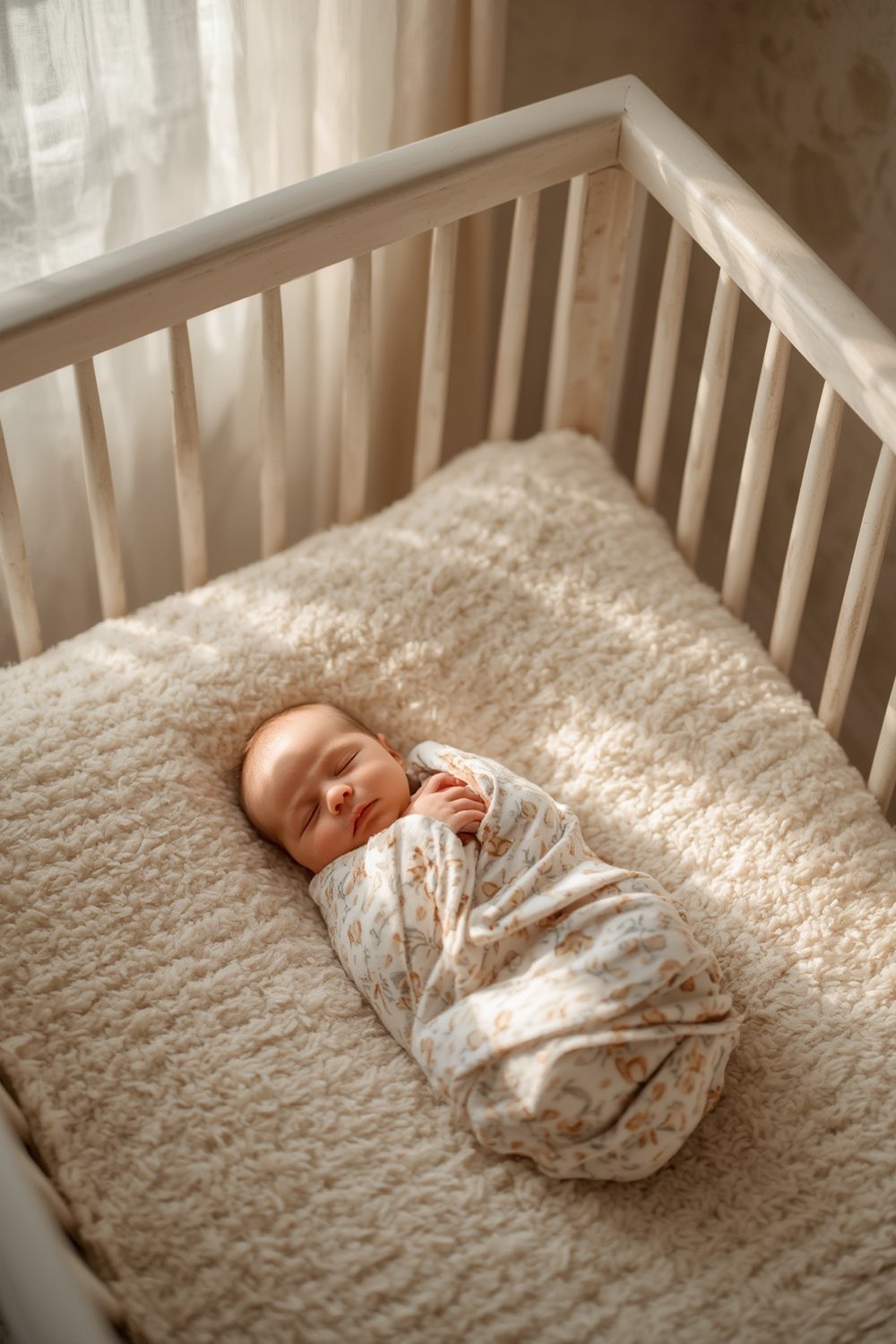
Why does this matter? Safety is the top reason. Pediatric guidelines from the AAP, IHDI, and others emphasize that swaddling must:
- Only be used from birth until the first attempt to roll—usually by 2–3 months (source).
- Allow free hip and knee movement (“hip-healthy” position).
- Never include loose fabric near the baby’s face, and always place babies on their backs.
When done right, swaddling can improve sleep, reduce frantic movements, and calm colicky newborns. When done wrong (tight legs, overheating, unsupervised rolling), it increases risk for hip dysplasia, suffocation, and SIDS. Understanding the “what and why” ensures you swaddle for the right reasons, with the right products, at the right time. For more background on baby sleep and safety, see our toddler bed safety guide.
How to Swaddle Safely: Detailed Step-by-Step Guide
Here’s a proven approach for swaddling with muslin or structured blankets that balances safety and real-life usability:
- Choose the right blanket. For muslin swaddles, a size of 44×44 or 47×47 in is ideal—it stays usable even after baby’s first few weeks. Organic cotton is best for durability and breathability.
- Set up your safe sleep space. Always use a firm, flat mattress free of loose bedding. Layer your baby in a light onesie (no hats or thick clothing underneath the swaddle), keeping the room comfortably cool (not hot).
- Position the blanket. Lay your baby on their back on the open blanket, with their neck above the fold.
- Wrap the arms snugly, but hips loosely. Bring one side over the arm and chest, tuck under the body. Repeat with the other side. The blanket should be firm on the arms and chest, but leave enough room for the hips and knees to bend and “frog” outwards.
- Check for “hip-healthy” fit. Verify you can fit two fingers between the swaddle and baby’s chest. Baby’s legs should move freely at the hips.
- Lay baby on their back for every sleep. Watch for signs of rolling. Stop swaddling immediately if baby begins rolling, or use a sleep sack instead.
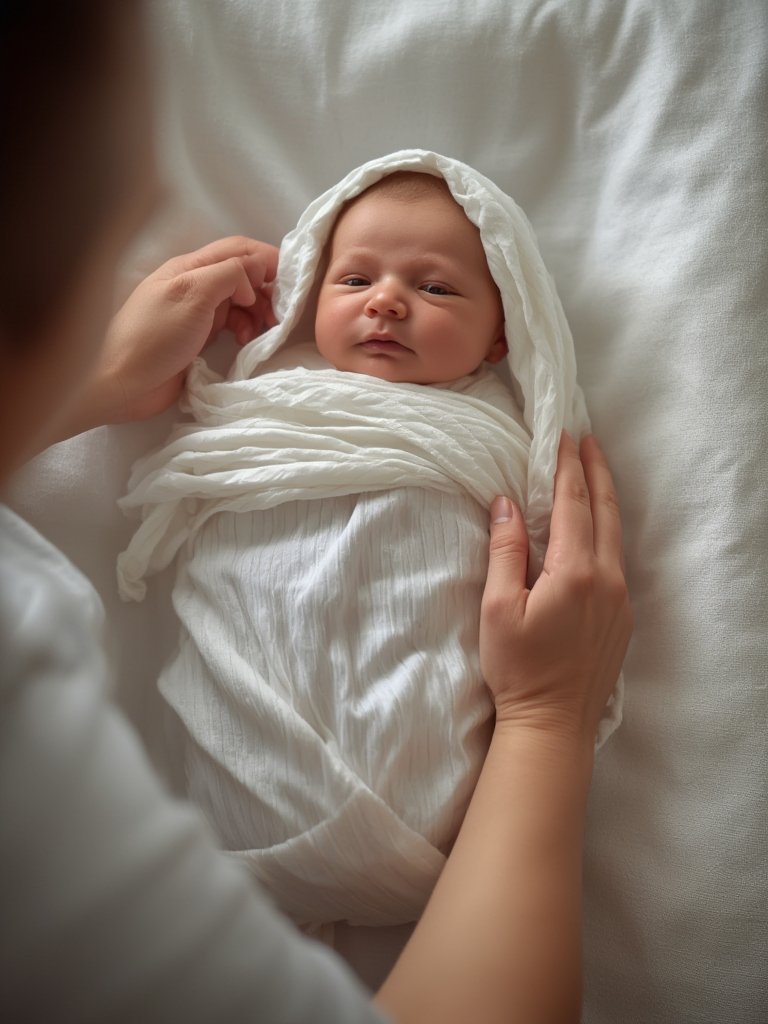
Still having trouble? Many new parents find the learning curve high at 3 am. Video tutorials from reputable pediatric sites can help, and easy-zip or Velcro swaddles can be a game-changer—but always double-check that product design passes both the “hip-healthy” and “no loose fabric” tests. For more troubleshooting, see our baby sleep regression guide.
Advanced Analysis & Common Pitfalls
Not all baby swaddle blankets are created equal. Here’s what parents, market data, and pediatric safety sources agree you need to watch out for:
| Material Type | Pros | Cons |
|---|---|---|
| Cotton Muslin | Breathable, softens with wash, multi-use, affordable | Can shrink, edges may fray, may feel thin in cold rooms |
| Organic Cotton Muslin | Hypoallergenic, pesticide-free, eco-friendly | Pricier, not always more durable |
| Bamboo/Vicose Muslin | Ultra-soft, very breathable, cool touch | Pills, may tear/stretch, can feel slippery so babies escape more easily |
| Jersey Knit Cotton | Stretchy, snug fit, good for wriggly babies | Can get too warm, may lose shape |
| Fleece or Minky | Warm in cold climates | High overheating risk, poor breathability |
| Blends (Cotton-Poly) | Strong, holds shape, easy-care | Not as breathable, may feel synthetic |
Most-Common Parent Complaints
- Blanket size is too small for babies past a few weeks—40×40 is often outgrown after the first month. Opt for 44×44 or 47×47 in if you want to use your swaddles beyond the initial weeks.
- Overheating or being too cold. Muslin is breathable but single layers can feel chilly. Thick layers, fleece, or pairing with hats in warm rooms risk overheating—which is a known SIDS danger.
- Babies breaking out of the wrap, especially as they get more mobile. Slippery bamboo or poor technique leaves loose fabric near the face, which raises suffocation risk.
- Washing wear-and-tear. Cheaper muslin frays and shrinks. Bamboo pills quickly. For longest life, use gentle cycles, cold water, no bleach, and avoid high-heat drying.
- Velcro and zipper drama. Fasteners can wake babies (loud!), snag laundry, or fail after frequent cycles. Poorly designed zippers may ride up toward the chin and face—never safe.
- Tight hips and hip dysplasia risk—too-tight wrapping or structured swaddles without a roomy leg pouch are linked to hip problems. Only buy products that conform to “hip-healthy” positions (IHDI guidance).
- Hard-to-master technique. Many first-timers struggle with traditional swaddling and wish they’d started with a structured, arms-in zip swaddle—but even those must be discontinued at the first attempt to roll.
Parents also want honest comparison of durability and value for price. Premium muslin swaddles (especially larger sizes and organic lines) average dozens to 100+ washes and can be re-used for multiple kids, driving down long-term cost. For evidence-backed baby gear decisions, see our baby carrier ergonomic safety guide.
When Swaddling Becomes Unsafe
- First attempt to roll: transition immediately to a sleep sack or wearable blanket—never swaddle a rolling baby.
- Signs of overheating: sweating, flushed cheeks, rapid breathing (remove layers, reduce room temp, or switch to single-layer muslin). prevent my baby from overheating
- Blanket does not stay secure: switch from muslin to a structured arms-in swaddle (but only for pre-rolling babies), or phase out swaddling altogether.
For more on transitioning infants safely, check our newborn sleep schedule guide and baby sleep training guide.
Conclusion
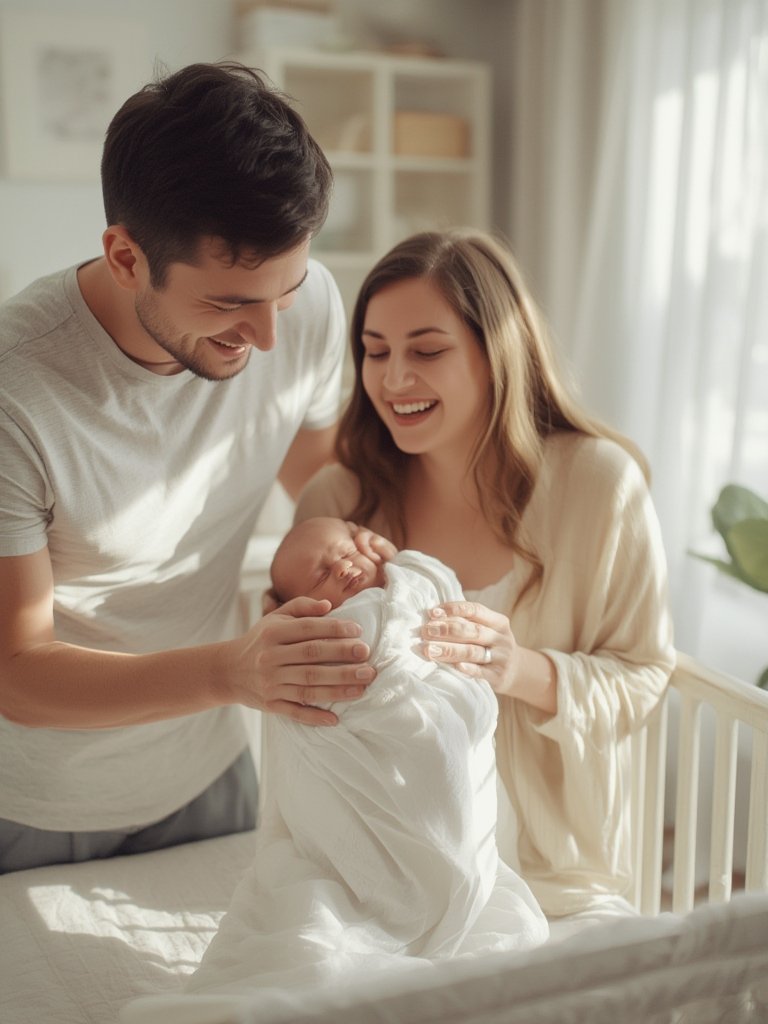
Choosing and using a baby swaddle blanket is not just about cute prints—it’s about safety, suitability, and long-term value. The evidence is clear: only swaddle from birth through the earliest rolling attempts, always prioritize breathable materials and proper hip/knee positioning, and recognize when it’s time to move on to a sleep sack. The right approach, with the right blanket, will give you peace of mind and better sleep. For smart parents, the best baby swaddle blanket is the one that does its job, supports safe development, and survives real-world washes. Ready to make your nursery safer and sanity-saving? Invest wisely, start swaddling safely, and always stay up-to-date with the latest parent-proven tips.
Frequently Asked Questions
When should I stop swaddling my baby?
Always stop swaddling at the first sign your baby tries to roll (usually around 2–3 months). Never swaddle a baby who can roll.
Is muslin better than fleece or bamboo for swaddle blankets?
Muslin is the best all-around choice: it’s breathable, softens with every wash, and dries quickly. Fleece is too warm for most climates and increases overheating risk. Bamboo is very soft but can pill, stretch out, and get slippery, so some babies escape more easily.
How many swaddle blankets do I really need?
Most parents use 4–6, rotating while others are in the wash. If using only muslin, larger packs (44×44 or 47×47 in) are more versatile, serving as swaddles, nursing covers, or stroller blankets after the newborn stage. For more on budgeting for baby gear, see our top nursery storage solutions.
How can I prevent my baby from overheating in a swaddle?
Use a single lightweight muslin swaddle, dress your baby in a light onesie underneath, and keep the room between 68–72°F (20–22°C). Never use hats, fleece, or thick multi-layers inside a swaddle. Watch for sweating and adjust as needed.
What’s the best budget-friendly way to swaddle safely?
Choose a multipack of quality cotton muslin blankets in larger sizes (44×44 or 47×47 in). They are lower cost-per-use, can last for years if properly cared for, and serve multiple functions. For more savings tips, check our reusable baby diapers guide.