

Baby allergy testing is a critical topic for parents concerned about their child’s health and development. Knowing when and how to test for food allergies in infants can prevent unnecessary worry, avoid dangerous reactions, and guide the introduction of new foods safely.
Key Takeaways
- Baby allergy testing methods vary by age, risk, and symptom history—blind screening is rarely advised.
- Misinterpreting symptoms and over-relying on skin or blood tests can lead to unnecessary food avoidance.
- Oral food challenge is the most accurate test, but carries risks and should be done under expert supervision.
- Understanding Baby Allergy Testing: What and Why
- How to Navigate Baby Allergy Testing Step-by-Step
- Advanced Analysis & Common Pitfalls in Baby Allergy Testing
- Conclusion
- Frequently Asked Questions
Understanding Baby Allergy Testing: What and Why
Baby allergy testing helps confirm or rule out food allergies in infants who have had concerning reactions or have strong risk factors (like severe eczema). The goal is to accurately diagnose true allergies—so only foods that genuinely cause problems are avoided—while ensuring optimal nutrition and safety.

Prevalence of food allergies in infants varies by region and method of diagnosis. For example, a 2024 meta-analysis found that global questionnaire-based reports suggested a 3-35% prevalence, but true, challenge-confirmed rates are closer to 3-4% worldwide. In the United States, reported rates are about 8%, yet much of this is based on parent questionnaires and is likely an overestimate (research).
Deciding whether to test an infant, and which test to choose, depends on:
- The baby’s symptoms (timing, severity, body system affected)
- Family and personal risk factors (severe eczema, previous reactions)
- Feeding history and current diet
Testing every baby “just in case” leads to many false positives, unnecessary restrictions, and sometimes nutritional harm. A precise, history-guided approach is best for most families.
How to Navigate Baby Allergy Testing Step-by-Step
Here’s a practical, research-informed process to guide parents through baby allergy testing:
-
Assess Symptoms and Risk
Start with a timeline. Did symptoms appear immediately (within minutes to 2 hours) after eating a new food? Were they mild (redness around mouth) or severe (hives, vomiting, wheezing, limpness)? Does the baby have severe eczema or a strong family allergy history? -
Consult a Pediatrician or Allergist
Do not test at home. Discuss the details with someone trained in food allergies—testing is often not the first step. Many non-allergic problems, like colic or viral rashes, are mistaken for allergies. Professional assessment helps clarify the likelihood. -
Select the Appropriate Test (if needed)
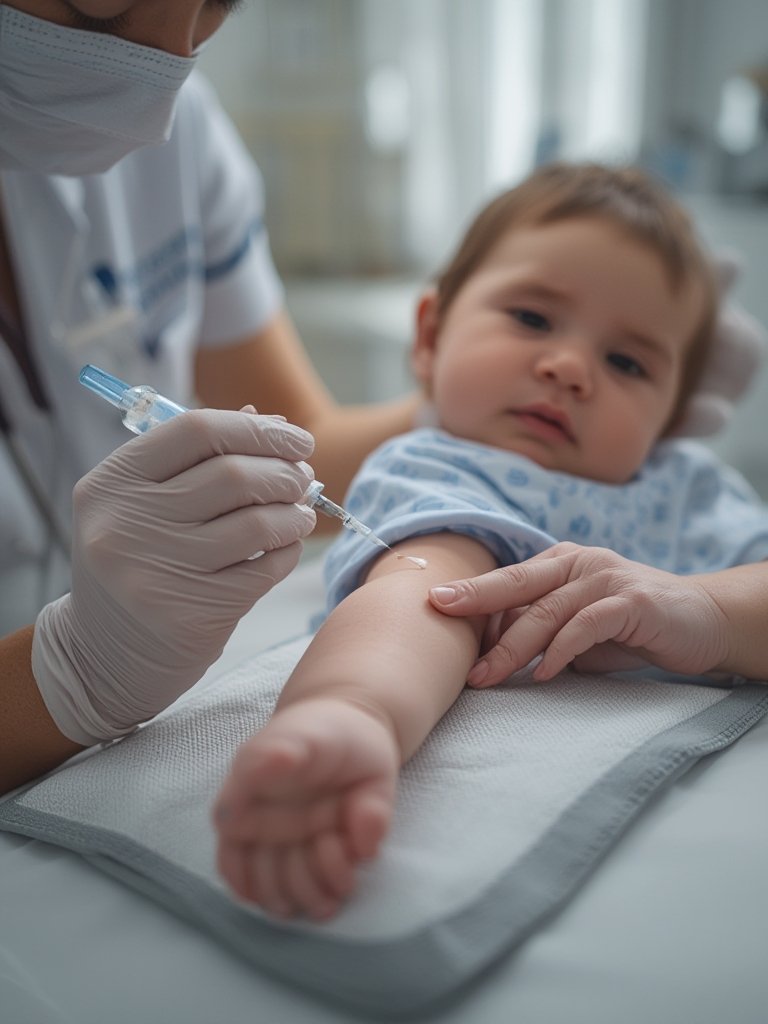
- Skin Prick Test (SPT): Quick and gives results in 15 minutes. Looks for IgE sensitization. Costs around $150–$400 in the US.
- Serum specific IgE blood test: Used if SPT is not feasible due to skin issues or medications. Costs around $200–$600. Useful for tracking trends over time.
- Oral Food Challenge (OFC): Supervised gradual exposure, usually in a clinic, and is the gold standard. Costs $500–$2,000, but is most accurate. Reserved for ambiguous or high-importance cases.
- Elimination-Rechallenge: Especially for non-IgE allergies (like FPIES or proctocolitis), involves removing a suspect food and then reintroducing it under medical supervision.
-
Understand the Test Results
A positive SPT or blood IgE does NOT always mean your baby has a clinical allergy—it simply means their immune system has recognized the food. Only oral food challenges confirm true allergy, especially with a compatible history (source). -
Follow Age-Specific Advice
- Under 6 months: Testing is rare, reserved for strong suspicions.
- 6–12 months: Testing if there’s a significant reaction or high risk. Mild rashes usually do NOT require routine panel testing.
- 1 year and older: More frequent use of food challenges, often to see if a previously allergic baby has “grown out” of the allergy (especially with milk and egg).
If you need tips on related first-year care, see baby developmental milestones.
-
Post-Test Planning
After diagnosis, your allergist will explain any foods to avoid, need for emergency medications, and when/how to reintroduce foods if the allergy is likely to resolve over time (which is common).
For practical support on feeding transitions, our anti colic baby bottle guide can help reduce feeding stress for sensitive infants.
Advanced Analysis & Common Pitfalls in Baby Allergy Testing
The science and real-world practice of baby allergy testing are complex. Here’s what parents and even some professionals get wrong:
- Equating “positive test” with “must avoid”: Many babies with positive SPT or IgE tests, especially without strong symptoms, are not truly allergic. Overrelying on these can cause unnecessary diet restrictions and poor weight gain.
- Confusing non-allergic issues with allergy: Spitting up, temporary eczema flares, and viral rashes often get wrongly labeled as food allergies.
- Not distinguishing between IgE and non-IgE allergies: Most standard tests will not diagnose conditions like FPIES or proctocolitis, which often require elimination-rechallenge for confirmation.
- Relying solely on parent questionnaires: Self-report studies inflate perceived allergy rates (up to 35%), but only 2–5% have confirmed allergy with challenge testing (research).
- Expecting instant improvement after elimination: For true IgE allergies, symptoms resolve in hours; for proctocolitis or eczema, full improvement can take up to 4 weeks, and not all skin issues are due to food.
- Delaying solid food introduction unnecessarily: Recent guidelines recommend early introduction of allergenic foods (like peanut and egg) for most infants, as this may actually reduce the risk of developing allergies (evidence).
| Testing Method | What it Detects | Sensitivity/Specificity | False Positives? | Can it Predict Severity? |
|---|---|---|---|---|
| Skin Prick Test (SPT) | IgE Sensitization | 70–95% / 40–80% | Common, especially with low pre-test probability | No |
| Serum specific IgE | IgE Sensitization | Good / Limited | Frequent, variable by cutoff and food | No |
| Oral Food Challenge | Actual clinical allergy | Highest accuracy | Rare (well-controlled) | No |
| Elimination-Rechallenge | Non-IgE clinical allergy | Depends on rigor | Possible misattribution | No |
Risks of allergy testing are rare but real. An oral food challenge can provoke a reaction (even anaphylaxis), but is always done in a setting equipped for emergencies. Skin prick testing may cause irritation, and blood tests can be stressful for infants and parents. For more on emotional and behavioral health at this age, see our toddler behavior guide.

Conclusion
Baby allergy testing should be smart, targeted, and guided by actual symptoms or significant risk factors. Over-testing or misunderstanding results can lead to harm through unnecessary dietary avoidance and family stress. Remember, the gold standard for diagnosis is the oral food challenge, but most infants will not need this unless clinically indicated. For related safe feeding and sleeping tips, check our guides to toddler bed safety and best stroller travel systems. If you’re concerned about eczema or skin care, see the organic baby skincare guide too.
Work with your pediatrician or allergist for a plan tailored to your baby. If you suspect a food allergy, keep detailed records, avoid blanket elimination diets, and seek expert testing only when indicated. Make sure your understanding of baby allergy testing is up to date and evidence-based—your child’s safety and comfort depend on it.
Ready to take the next step? Schedule an appointment with a board-certified pediatric allergist for a personalized approach to your baby’s allergy care.
Frequently Asked Questions
Can I test my baby for food allergies at home?
No. Home tests are unreliable and may miss dangerous allergies or give false positives. Always consult a trained specialist before any testing.
How soon after removing an allergenic food will my baby improve?
Depending on the type of reaction, symptoms may resolve in hours (for hives), a few days (blood in stool), or up to several weeks for eczema. Some skin issues may not be food-related at all.
Are blood tests more accurate than skin prick tests in infants?
Both tests detect IgE sensitization and have similar limitations. Neither proves an allergy alone; a compatible history and, if needed, an oral food challenge provide higher accuracy.
Is it safe to introduce peanut and egg early to reduce allergy risk?
For most infants, yes. Early introduction of peanut and egg (from around 6 months) can decrease allergy risk, especially if your baby does not have severe eczema or prior reactions. Discuss with your doctor first.
What foods are most likely to cause allergies in infants?
The most common allergens are cow’s milk, egg, peanut, tree nuts, wheat, soy, fish, and shellfish. Milk and egg allergies are often outgrown, while peanut may persist in more cases.
[…] baby allergy testing if you have family history or notice […]
[…] allergies are a concern, our guide to baby allergy testing offers stepwise […]