

Baby eczema treatment is a critical concern for many parents who notice persistent dry, red, and itchy skin patches on their babies. Without an effective and careful care routine, these symptoms can worsen quickly, causing discomfort and sleepless nights for all involved.
Key Takeaways
- Baby eczema is common, with notable regional and demographic differences, and often requires daily management.
- Safe and effective treatments focus on gentle skincare, hydration, and knowledgeable product selection, while watching for financial and practical pitfalls.
- Long-term control and prevention are just as important as treating flare-ups. Ingredient safety and simple routines can make a real difference.
- What Is Baby Eczema and Why Does It Matter?
- Step-by-Step Baby Eczema Treatment You Can Start Today
- Advanced Analysis & Common Pitfalls in Baby Eczema Treatment
- Conclusion & Action Steps
- FAQ: Baby Eczema Treatment
What Is Baby Eczema and Why Does It Matter?
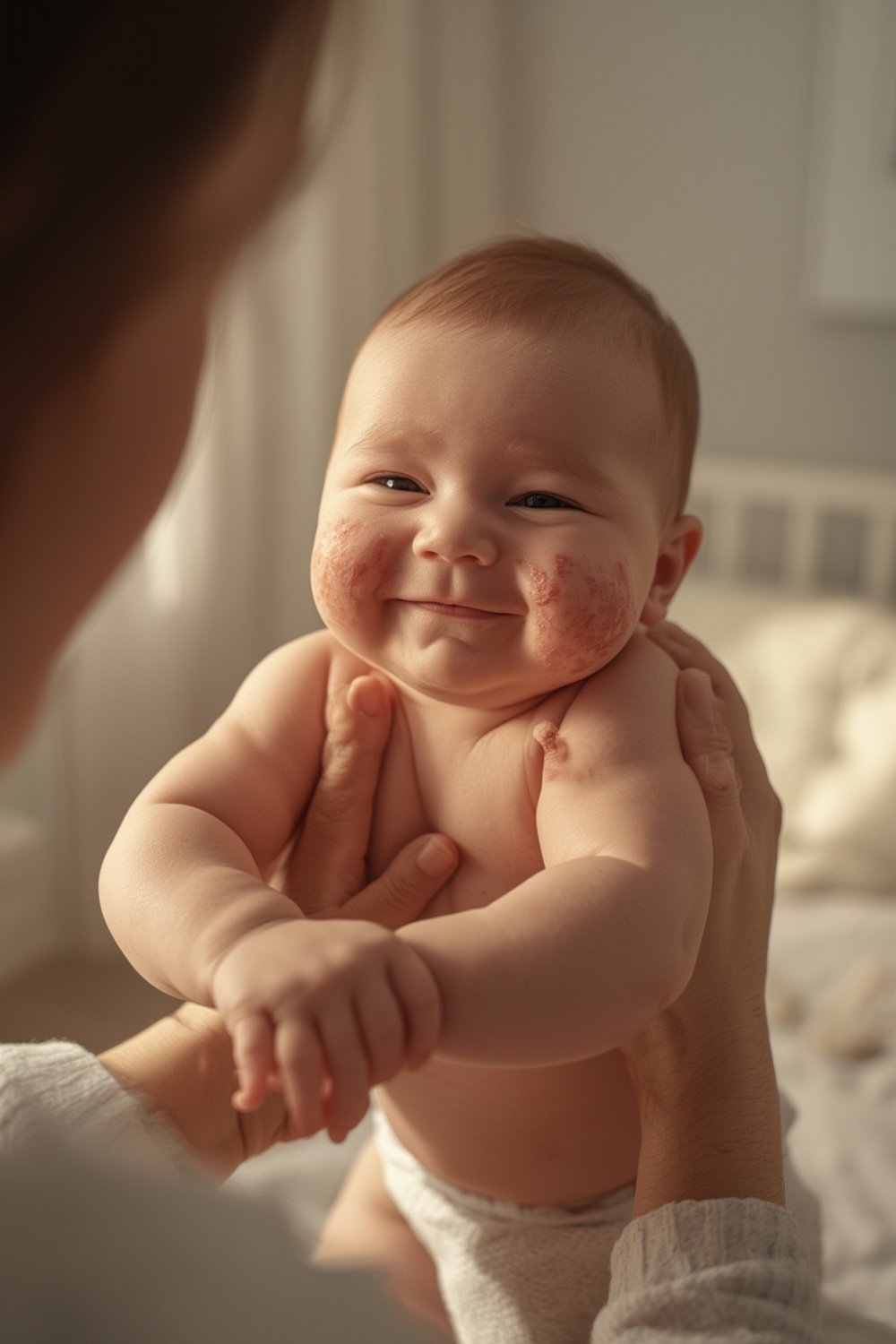
Baby eczema, or atopic dermatitis, is a chronic skin condition marked by dry, itchy, and inflamed skin. The impact goes well beyond skin deep. In 2024, U.S. data show that 12.7% of children aged 0 to 17 suffer from eczema, and higher rates are found among non-Hispanic Black children. Globally, more than 72 million children aged 0 to 14 live with the condition, especially in Central Asia and Western Europe, with the 5-9 age group most affected (source, source).
If left unmanaged, baby eczema can trigger sleep interruptions, discomfort, infections, and parental stress. The daily care needed is often time-consuming. Treatments are not just about quick fixes; they demand consistency and safe choices.
Step-by-Step Baby Eczema Treatment You Can Start Today
A successful baby eczema treatment plan rests on the basics: restoring the skin barrier, managing symptoms, and limiting potential triggers. Here’s a pragmatic approach you can begin now:
- Daily gentle bathing: Use warm (never hot) water for 5-10 minutes. Skip soaps and opt for fragrance-free, hypoallergenic cleansers. Pat skin dry with a soft towel rather than rubbing to avoid irritation.
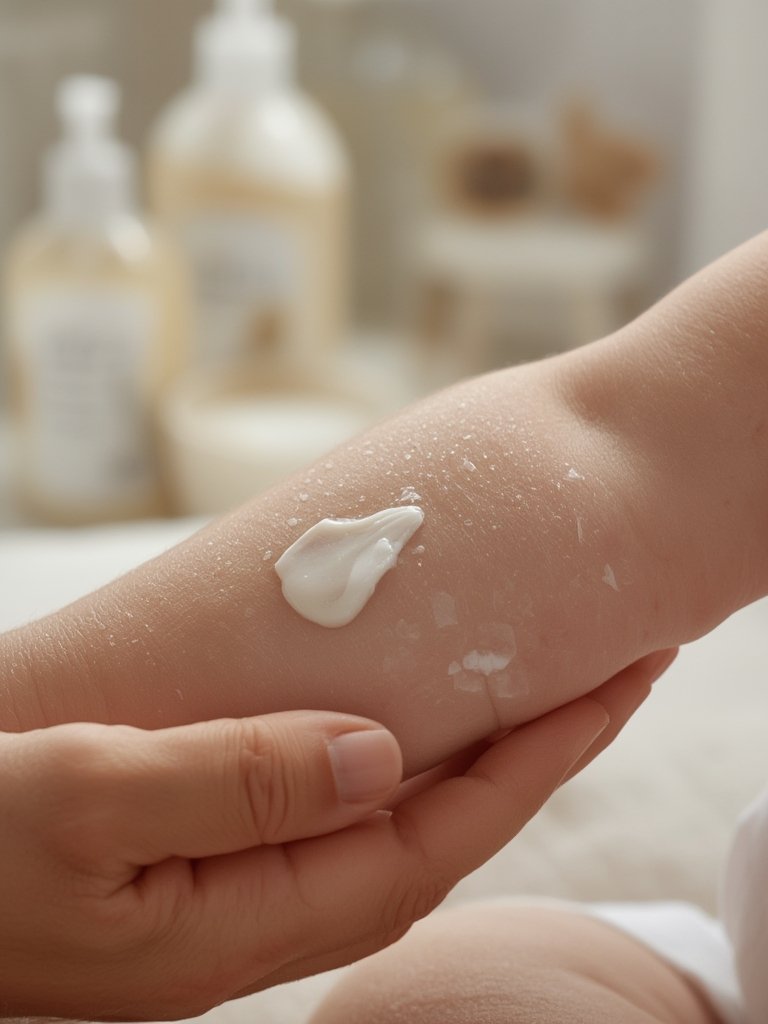
- Moisturize within 3 minutes after bathing: Immediately lock in moisture with a thick, fragrance-free ointment, cream, or emollient. Petroleum jelly and ceramide-based products work well.
- Apply medicated creams (if prescribed): Use topical corticosteroids or other treatments only as directed by your pediatrician for flare-ups or severe patches.
- Keep nails short and use mittens at night: This helps minimize scratching and further injury to sensitive skin.
- Dress baby in loose, soft cotton clothing: Avoid synthetics and wool. Layer appropriately to prevent overheating, a common trigger for flare-ups.
- Monitor for potential irritants: Fragrances, detergents, baby wipes with chemicals, and even saliva or drool can worsen eczema. Select laundry detergents designed for sensitive skin (fragrance free baby detergent guide).
- Consider environmental adjustments: Use a nursery humidifier in dry climates, monitor temperature, and clean often to minimize dust, mold, and pet dander.
If you prefer natural or “chemical free” products, see our organic baby skincare guide for tips on ingredient safety and alternative options. A gentle routine also means checking your entire household: use unscented wipes, keep toys clean, and consider eco friendly diapers to reduce irritation from disposables.
Always consult a doctor for persistent, widespread, or infected eczema. No home treatment replaces professional advice, especially if your child experiences swelling, pus, or fever.
Advanced Analysis & Common Pitfalls in Baby Eczema Treatment
Treating baby eczema is not just about finding a good cream. The process involves lifestyle tweaks, managing expectations, and understanding costs and insurance realities. Here’s what recent data and parent experiences reveal:
- High costs and unclear insurance coverage: Out-of-pocket costs for families average $600 each year, with some paying over $1,000. Prescription and over-the-counter treatments can add up quickly (source).
- Lack of clear clinical guidelines for infants: Most up-to-date recommendations are geared toward broader childhood age groups, not specifically infants. That means parents often experiment with products based on trial and error (source).
- No guarantee creams work the same for every baby: There’s limited data on how baby eczema creams compare to those for adults or older kids. Some creams might irritate or simply be ineffective for your child.
- Sleep, mood, and daily quality disrupted: Ongoing itchiness and skin discomfort can mean less rest, more crying, and increased stress for both baby and caregiver.
- Misunderstood triggers: Without a clear understanding of what sets off flare-ups (such as overheating, soap, or food allergens), well-intended routines may actually make things worse.
| Aspect | Prescription Creams | Over-the-Counter Creams |
|---|---|---|
| Cost | High (may be covered by insurance, but varies widely) | Moderate to Low (rarely covered by insurance) |
| Ingredients | Can include steroids or immune modulators; risk of side effects if overused | Mainly emollients, ceramides, and sometimes mild anti-itch agents; generally safer |
| Best Use | Moderate-to-severe eczema, doctor-monitored use | Mild-to-moderate eczema or maintenance/prevention |
| Common Pitfalls | Overuse, skin thinning, delayed treatment when needed due to cost | Delayed healing if insufficiently effective, allergic reactions to fragrances or additives |
Comparing creams is just part of the picture. Long-term success comes from routines, monitoring, and avoiding products that can sensitize or irritate infant skin. For safer results, always check the ingredient label—even “natural” creams can contain irritating botanicals if not formulated for babies.

Conclusion & Action Steps
Baby eczema treatment is an essential, ongoing process that combines knowledge, daily habits, and safe product choices. Track symptoms, moisturize after every bath, avoid triggers, and don’t hesitate to consult a pediatrician. Above all, consistency will pay off over time. Start updating your baby’s skincare routine today for calmer, happier days—and nights. If you want in-depth information on organic options or ingredient safety, visit our organic baby skincare guide. Take action now: your baby’s comfort and your peace of mind depend on a careful baby eczema treatment strategy tailored to your child’s needs.
FAQ: Baby Eczema Treatment
How can I tell if my baby’s rash is eczema or something else?
Eczema often appears as dry, red, or scaly patches that are especially itchy. Common locations are the cheeks, arms, and legs. If the rash persists, is weeping or forming a crust, or you’re unsure, consult your pediatrician to rule out other conditions.
How often should I bathe a baby with eczema?
Brief, daily baths using lukewarm water can be helpful. Always apply moisturizer immediately after patting the skin dry. Avoid hot water and harsh soaps.
Is it safe to use steroid creams on infants?
Low-potency steroid creams may be prescribed for baby eczema, but always use them exactly as directed by your doctor. Long-term or unsupervised use can lead to skin thinning and other issues.
Are there natural or alternative treatments for baby eczema?
Some families use “chemical free baby cream” or organic emollients, but always check ingredients for potential allergens. For more information, see our organic baby skincare guide.
When should I seek professional help for my baby’s eczema?
If eczema is severe, spreading rapidly, appears infected (pus or yellow crust), or your baby has a fever, consult your doctor promptly. Persistent or worsening symptoms require expert evaluation and treatment modifications.
[…] recommendations, current research citations, and updated step-by-step guides. Resources like baby eczema care or safer baby carrier choices are reviewed frequently for safety and […]