

Baby potty training seat selection plays a critical role in setting the stage for a stress-free transition out of diapers. Understanding real-life parent frustrations, milestone timelines, and what works can help you avoid the common mistakes and accelerate your child’s potty training success.
Key Takeaways
- Most children start using a baby potty training seat between 21-36 months, but the process is individual.
- Support, readiness, and patience are more important than the specific seat style you choose.
- Real-life frustrations—including anxiety, mess, and slow progress—are common, so realistic expectations are essential.
- What Is a Baby Potty Training Seat and Why Does It Matter?
- How to Use a Baby Potty Training Seat: Step-by-Step Guide
- Advanced Analysis & Common Pitfalls (What Research Reveals)
- Conclusion: Helping Your Child Succeed
- FAQ
What Is a Baby Potty Training Seat and Why Does It Matter?
A baby potty training seat is a transitional tool—either a child-sized standalone potty or a toddler toilet seat adapter—designed to help babies and toddlers become comfortable using the toilet. These seats support proper posture, prevent falls, and reduce a child’s fear of the larger toilet, helping build independence and confidence as they master this important milestone.
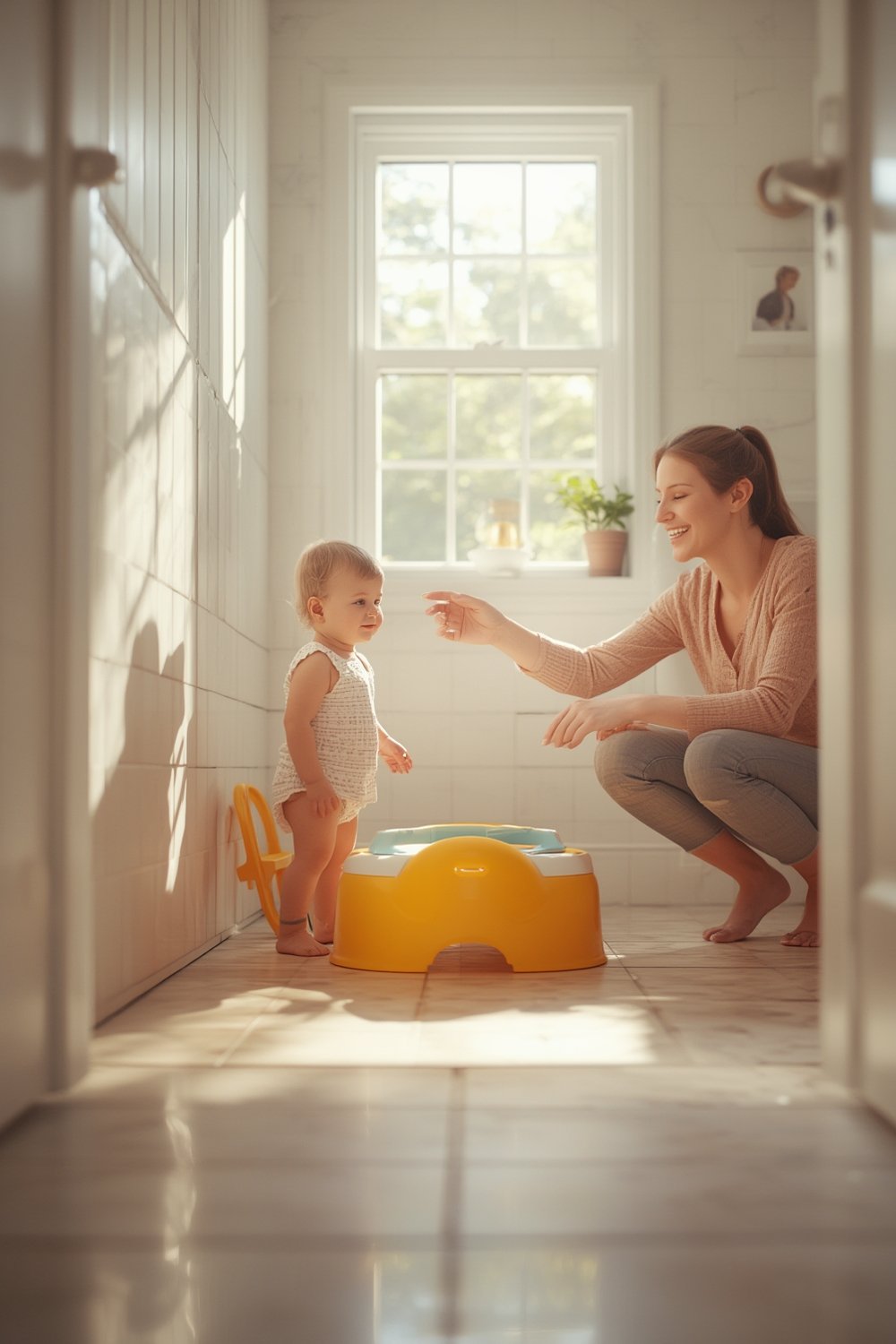
Children are typically ready to start toilet training around 21 to 36 months, but every child develops on their own timeline. As research shows, 40% to 60% of children are fully trained by age 3, but the average age for completion has gradually increased due to lifestyle changes and extended diaper use (read more). This underlines why a baby potty training seat isn’t a magic solution—it’s about fostering positive habits and recognizing readiness.
Compared to traditional methods, using a potty seat appears to accelerate the training process. A 2023 research summary found children using potties had nearly four times the odds of completing training in less than 15 days compared to toilet adapters (source).
For further foundational child development tips, explore this detailed guide on baby milestones.
How to Use a Baby Potty Training Seat: Step-by-Step Guide
Getting started with a baby potty training seat is simple, but consistency and attention to your child’s signals make the difference. Here is a highly actionable roadmap:
- Know the Signs of Readiness
Notice cues like fewer wet diapers, interest in adult bathroom habits, or dry periods for at least 2 hours. - Choose the Right Equipment
Pick a safe, easy-to-clean seat—standalone potty for initial independence, or a toddler toilet seat adapter for direct toilet training. Look for stable bases and splash guards to prevent mess. - Set Up a Potty Routine
Introduce the seat by letting your child explore it first. Place them on the seat at consistent times (after meals or before baths). - Reinforce Hygiene
Teach proper wiping and handwashing from day one. Use step stools if needed for washbasin access. - Encourage, Don’t Pressure
Celebrate small wins and don’t show frustration over accidents. Patience will keep anxiety low and motivation high. - Gradually Transition
As skills grow, move from potty to toilet adapter if needed, always maintaining your routine. Stay flexible—regression is normal.
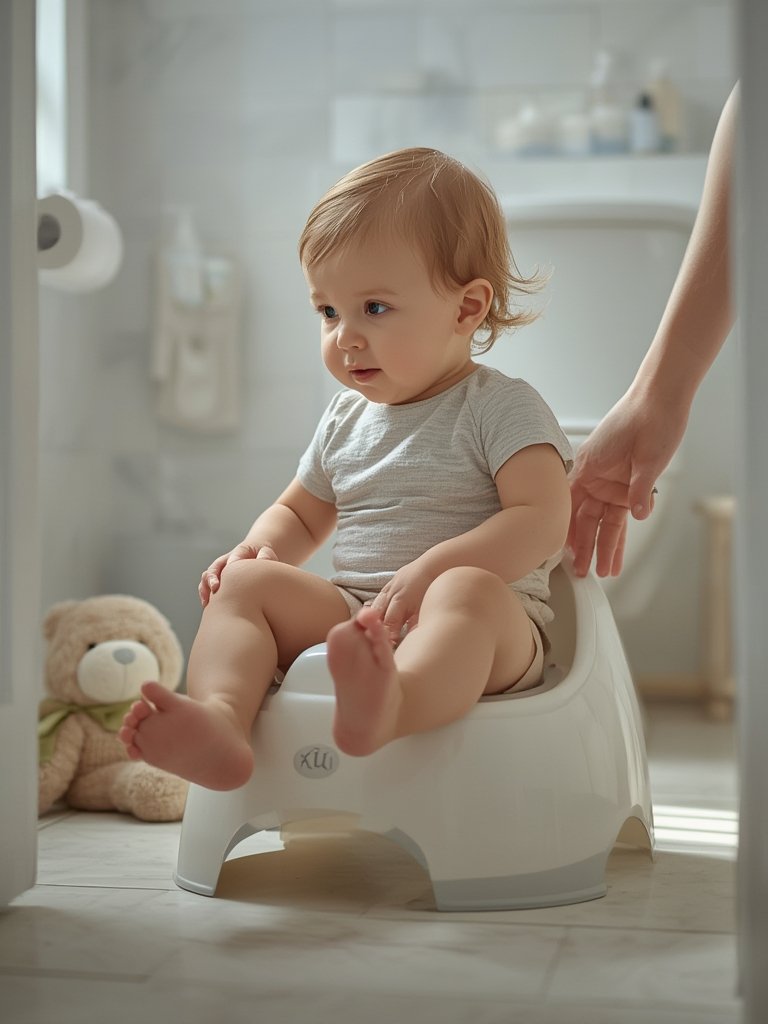
Routine and patience are keys to keeping progress steady. Explore other transition periods like sleep safety for toddlers to align routines holistically.
For practical nursery setup tips, see these toy organization solutions that keep your training area clutter-free and safe.
Advanced Analysis & Common Pitfalls (What Research Reveals)
Despite its apparent simplicity, potty training comes with many pitfalls—both logistical and emotional—for babies and parents alike. Research highlights that around 20% of parents find the process more challenging than expected, and nearly the same percent report that their child experiences anxiety or repeated setbacks (see discussion).
Comparison Table: Standalone Potty vs Toilet Adapter
| Feature | Standalone Baby Potty Seat | Toddler Toilet Adapter Seat |
|---|---|---|
| Best Age | 18–30 months | 24–36 months |
| Setup | Portable, set on floor | Fits on regular toilet seat |
| Hygiene | Must be emptied/cleaned after every use | Waste goes straight to toilet |
| Safety | Stable, low risk of falling | Must check for firm fit, risk of slipping if loose |
| Learning Curve | Gentler for early starters | More realistic long-term transition |
| Potential Issues | Can’t use outside home easily | May cause fear of heights; needs stool |
Common Mistakes and How to Avoid Them
- Ignoring readiness cues: Starting too early can lead to long, stressful training and frustration. Use readiness checklists like the TTRS scale (>6 readiness score equals faster training) (study).
- Expecting overnight success: Children who start before 24 months may need up to 14 months to complete training. Average age milestone now hovers around 36–38 months due to longer diaper use (more details).
- Not supporting with good habits: Consistent routines, positive reinforcement, and patience remain essential throughout setbacks.
- Hygiene slip-ups: Standalone potties need prompt cleaning. Toilet adapters must fit snugly to prevent falling or leaks.
No product guarantees success—children learn at their own pace, with the right environment and encouragement. For further support with child behavior strategies, visit this guide on toddler development.
Conclusion: Helping Your Child Succeed
The transition out of diapers depends less on picking the “perfect” seat and more on how you support your child’s independence, hygiene, and confidence. Set realistic expectations, stay patient, and remember that each journey is unique—even if you have the ideal baby potty training seat. Now is the time to start building healthy routines for lifelong success. Ready to take the next step? Create your child’s potty training plan today.
FAQ
When is the best age to start using a baby potty training seat?
Most children show signs of readiness between 21 and 36 months, but some may start earlier or later. Focus on your child’s cues rather than a set age.
Should I use a standalone potty or a toddler toilet seat adapter?
It depends on your child’s comfort level. Standalone potties are less intimidating for beginners, while adapters help kids transition directly to the real toilet. Some families use both during the process.
How long does potty training usually take?
If started between 18–24 months, potty training averages 13–14 months to completion. Starting after 27 months usually takes less than 10 months, but every child is different.
How can I prevent accidents and hygiene issues?
Supervise your child, stick to routines, and clean the potty or toilet seat after each use. Teach handwashing and proper wiping habits from the start.
Can disposable diapers delay potty training?
Research links extended diaper use to later training milestones, with averages now closer to 36–38 months. Consider balancing diaper convenience with regular potty practice.