

Baby gold jewelry is a cherished tradition, but many parents are surprised by the safety, quality, and maintenance issues hidden behind those tiny bracelets and earrings. Choosing and caring for baby gold is about more than style—it’s about peace of mind.
Key Takeaways
- Certified 14K or 18K baby gold jewelry is the safest, but even the best pieces require careful selection, supervision, and upkeep.
- Major safety risks include allergens like nickel, choking hazards, and poorly made clasps—always check for CPSC, ASTM, or EN71 certification.
- Proper maintenance and smart storage are essential to make your baby gold accessories last as beloved keepsakes.
- What Is Baby Gold and Why Do Parents Choose It?
- How to Safely Choose and Use Baby Gold: Step-by-Step
- The Real Risks and Common Pitfalls with Baby Gold Jewelry
- Conclusion and Next Steps
- Frequently Asked Questions
What Is Baby Gold and Why Do Parents Choose It?
Baby gold jewelry refers to gold accessories specifically made for infants and toddlers, such as bracelets, earrings, charms, anklets, and necklaces. Often given for milestones like births, baptisms, and birthdays, baby gold holds sentimental value and can become treasured family heirlooms. Yet, unlike most other baby gifts, jewelry must meet strict safety and material standards—because what’s beautiful isn’t always harmless.

The key draws of baby gold are tradition, symbolism, hypoallergenic properties of real gold, and the intent to pass jewelry down through generations. However, the market is crowded with options that look similar but vary greatly in terms of safety, certification, and everyday usability. For parents who want to make informed choices, understanding the difference between regulated, properly certified baby gold and unsafe lookalikes is crucial.
How to Safely Choose and Use Baby Gold: Step-by-Step
-
Confirm Material Quality
Only buy jewelry labeled as 14K or 18K solid gold or certified sterling silver (.925), platinum, or medical-grade stainless steel. Steer clear of anything described as “gold-plated,” “costume,” or “fashion” jewelry, which often mask allergens or toxic metals. -
Check for Safety Certifications
Look for evidence of compliance with the Consumer Product Safety Improvement Act (CPSIA), ASTM F2923, or EN71 for baby accessories under age 3. Certifications should match the region you live in and be easy to verify.- Understand the CPSIA standards for children’s jewelry to spot non-compliant pieces.
- Always avoid products sold by unverified online shops or vague marketplace resellers without clear labeling.
-
Evaluate the Design and Workmanship
Select jewelry with rounded edges, sturdy clasps, and nothing that can snap or be swallowed. Avoid items with magnets, sharp points, or fragile beads. For example, bracelets should only have secure engravings—no detachable charms for babies under 3. -
Size Appropriately and Supervise
Jewelry should fit snugly but not tightly. Never let a baby sleep or nap while wearing jewelry, and remove all accessories for unsupervised play or daycare. Supervise babies at all times when jewelry is worn. -
Inspect and Maintain Regularly
Check clasps, links, and stone settings before every wear. Clean gold jewelry gently using warm water and a soft cloth—never harsh chemicals or abrasive cleaners. Store items in a safe, dry place, separate from adult jewelry to avoid tangling or damage. -
Document Provenance and Care Instructions
If you are purchasing baby gold as an heirloom or investment, keep appraisals, original receipts, and care guides together. This makes resale, gifting, and eventual hand-downs much smoother.
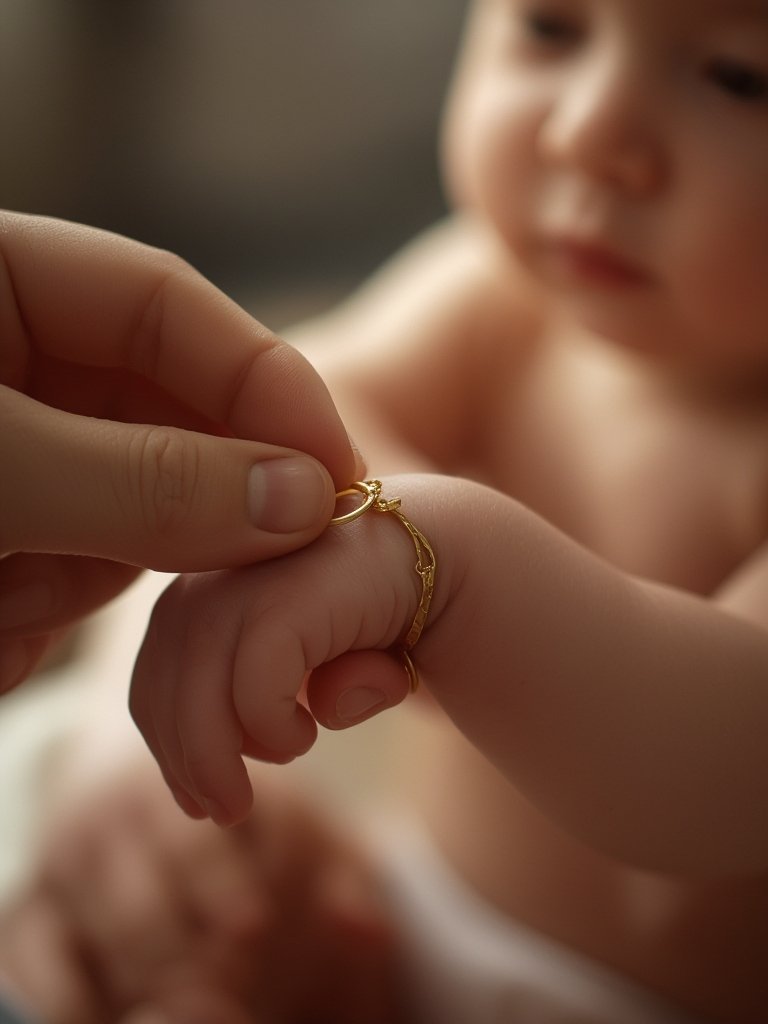
For parents balancing style and safety, it helps to browse guides on organic baby skincare and safe sleep for toddlers, since both include direct product safety advice.
Remember that unlike clothes or baby care items, jewelry requires ongoing adult vigilance to remain safe.
The Real Risks and Common Pitfalls with Baby Gold Jewelry
Many parents and gift-buyers assume that all baby gold is inherently safe, but research shows persistent risks. Here’s a breakdown of the most common (and preventable) mistakes:
| Issue | Reality Check | How to Avoid |
|---|---|---|
| Nickel, Lead, or Cadmium Content | “Gold-plated” or unlabelled pieces often contain heavy metals or nickel that cause reactions—especially on sensitive baby skin. | Only purchase 14K/18K gold, sterling silver, or platinum. Avoid “mystery metals.” See these safety guidelines. |
| Loose Parts or Insecure Clasps | Breakable links, clips, or embedded magnets can detach and be swallowed. Many jewelry items have not passed the 15-pound breakaway standard. | Verify ASTM F2923 or EN71 compliance—this mandates breakaway force and no loose magnets or batteries. |
| Improper Use or Age Mismatch | Even the safest baby gold is hazardous if worn unsupervised or given to a child under 3 years old. | Use jewelry only for brief, supervised occasions. Remove for sleep, daycare, travel, and play. |
| Poor Storage and Cleaning | Baby gold can scratch, tarnish, or bend if tossed in a toy box or cleaned with abrasive products. | Store in individual soft-lined boxes. Clean with warm water and a gentle cloth—no ammonia, bleach, or baking soda. |
Beyond material and design, many parents also worry about the long-term value and heirloom quality—but few competitor articles discuss this. To safeguard resale value or preserve as a keepsake, request official markings (karat, maker’s mark) and save all documentation.
Cultural preferences also shape choices. For example, Italians have a tradition of gifting coral horn necklaces for newborns, believed to guard against the “evil eye” (source). In many US families, engraved gold bracelets and earrings remain favorites for baptisms and first birthdays, while in some cultures, gold bangles are believed to bring prosperity or protection.
For more on child-safe accessories and nursery safety, check out our toy storage guide and comprehensive resources on safe baby carriers.
Conclusion and Next Steps
Baby gold combines aesthetics, tradition, and symbolism—but it also carries hidden risks if parents don’t insist on safe materials, real certifications, and proper maintenance. To maximize both meaning and safety, only trust 14K or 18K baby gold with clear, written proof of compliance and always supervise its use. Explore more safe parenting solutions and keep learning with our guides—including curated picks for baby toys and baby clothes—for a safer family experience. Make every milestone memorable and safe with authentic, certified baby gold.
Frequently Asked Questions
Is 14K or 18K gold better for baby jewelry?
Both are good hypoallergenic choices, but 18K gold is softer and may scratch more easily, while 14K is slightly harder and often more durable for children. Always verify the purity and avoid gold-plated items.
At what age can a baby safely wear gold jewelry?
Most experts advise against babies wearing jewelry under 3 years old, except during closely supervised events. Remove all jewelry for naps, bedtime, and active play.
How do I clean and store baby gold so it lasts?
Clean baby gold gently with warm water and a soft cloth. Store each piece separately in soft-lined boxes or pouches to prevent scratches and tangles. Inspect regularly for loose parts.
What certifications should I look for when buying baby gold?
In the US, look for CPSIA compliance and ASTM F2923 certification. In Europe, EN71 is the standard for baby accessories. Always ask for proof from your jeweler and buy from reputable sellers.
Can baby gold jewelry become a family heirloom or be resold?
Yes, solid 14K or 18K gold pieces with official stamps and original documentation can become cherished heirlooms and retain resale value. Avoid plated or non-certified items for best long-term value.