

Baby food delivery is transforming how busy parents feed their little ones, offering convenient access to nutritious, ready-made meals shipped right to the doorstep.
Key Takeaways
- The baby food delivery market is growing rapidly, with North America leading adoption due to busy lifestyles and focus on nutrition.
- Most services target millennial and Gen Z parents, with organic and natural options in high demand despite limited transparency around sourcing and regulations.
- Parents should carefully weigh convenience, cost, and quality when choosing a delivery plan, and not assume all “organic” or “fresh” claims are equal.
- Understanding Baby Food Delivery: What & Why
- How to Choose and Use a Baby Food Delivery Service
- Advanced Analysis: Market Realities & Common Pitfalls
- Conclusion
- FAQ
Understanding Baby Food Delivery: What & Why
Baby food delivery services offer parents a way to skip meal planning, shopping, and cooking by providing pre-made or freshly-prepared baby meals. These platforms cater to families needing convenient, time-saving options, with many highlighting organic ingredients, age-appropriate nutrition, and flexible subscriptions. In 2024, the global market value for these services hit nearly $2.4 billion, doubling expected by 2035, with North America and Europe driving most of the demand. [source]
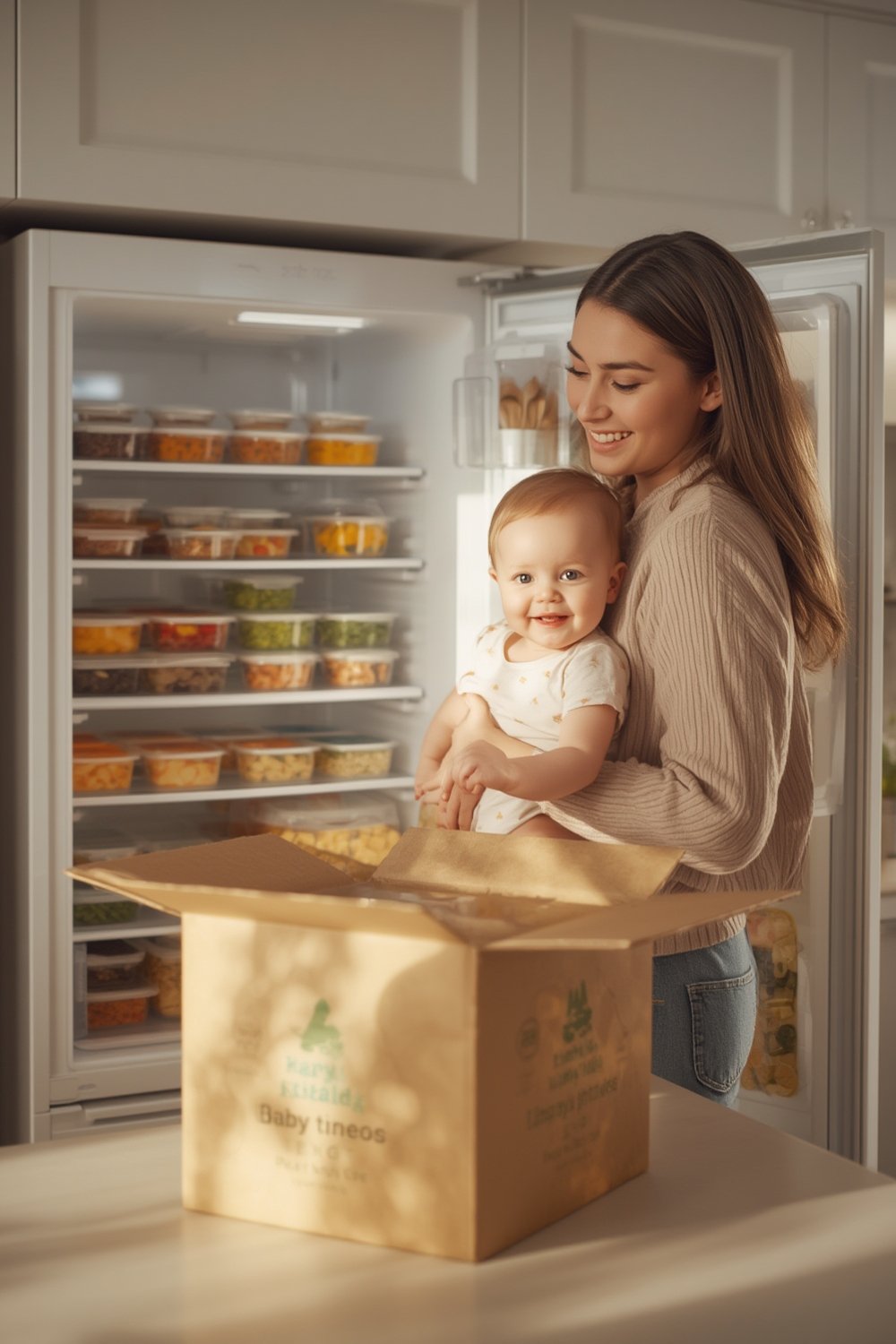
This industry thrives as more millennial and Gen Z parents prefer convenience, transparency, and healthy, often organic, meal options. The rise of online ordering and urban lifestyles further fuels rapid adoption. For families juggling work, errands, and sleep schedules, these services promise less stress and more nutritious meals for babies.
But it’s not just a modern convenience. For many, baby food delivery offers peace of mind: meals are portioned for baby’s age, often designed by nutritionists, and may use ingredients you’d pick yourself—at least according to the marketing. That said, there’s little publicly-available data about certified sourcing or regulatory oversight, so parental diligence is still required.
If you’re also preparing other aspects of your nursery or home for a growing child, don’t miss our nursery storage solutions guide and tips for toddler bed safety to set your space up for safe, convenient living.
How to Choose and Use a Baby Food Delivery Service
Choosing a baby food delivery service isn’t just about picking the company with the best photos. Here’s how to make a choice that truly fits your household and guarantees wholesome food for your baby:
Step 1: Identify Your Priorities
Begin by listing what matters most: Is it organic certification, allergy-friendly options, meal variety, convenience, or price?
- Organic & Non-GMO – Scan service details and labels closely; if “USDA Organic” or equivalent is essential, check for real documentation, not just buzzwords.
- Allergen Management – Only a few services specialize in top-8 allergen free meals. Read ingredient lists or reach out to customer care for clarifications.
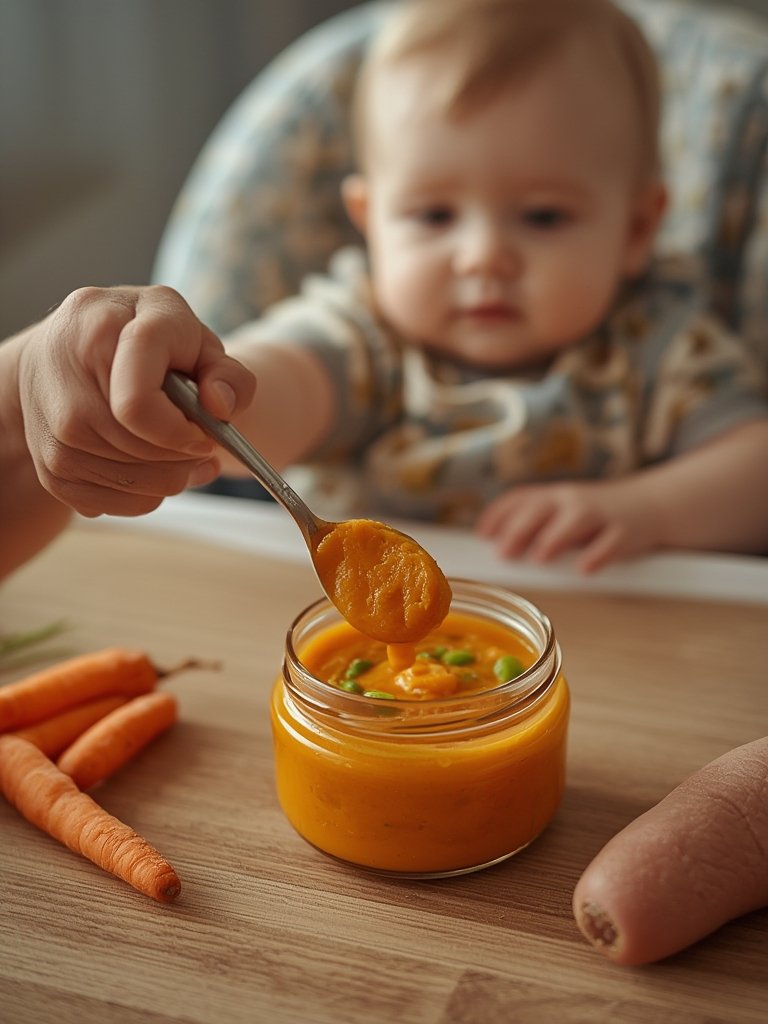
- Prep Style – Decide if you want shelf-stable pouches or refrigerated, ready-to-serve containers.
Step 2: Compare Plans and Pricing
Pricing isn’t always transparent up front, but most weekly subscription boxes cost between $25 and $60, fluctuating with quantity and the region. Major brands such as Nestle, The Kraft Heinz Company, and Once Upon a Farm dominate, though they may not always offer competitive options for every city or need. [source] Watch for cancelation fees, shipment minimums, and meal customization options.
Step 3: Review Menus and Nutritional Transparency
Look for transparency in ingredient sourcing, nutrition breakdowns, and preparation methods. Some providers partner with pediatric dietitians, while others keep recipes basic. Don’t assume all “organic” claims are regulated—many lack official certification. Contact companies directly for details about their sourcing, kitchen standards, and certifications. If in doubt, consider brands proven for transparency, or check out our deep dive on organic baby skincare and why certification matters for baby products.
Step 4: Test Delivery Coverage and Turnaround
Not all towns or states are served, and rural addresses might experience delays. While most major companies cover North America and large cities in Europe or APAC, specific eligible ZIP codes may be excluded. Turnaround time from order to delivery usually ranges from two days to a week—ask support if unsure, or check social proof on forums or parent groups.
Step 5: Evaluate Subscription Management and Pause Options
Life with a baby changes fast. Good services let you edit orders, pause deliveries, or cancel with minimal hassle. Subscription plans dominate (valued at $1.1 billion in 2024), so prioritize flexibility.
For even more hands-on feeding control, see our popular baby food maker guide—or blend both approaches for maximum flexibility.
Step 6: Monitor Your Baby’s Response
Every child has unique preferences and sensitivities. Monitor texture, aroma, and your baby’s happiness with the meals; don’t be afraid to change plans if waste is high or your baby refuses certain ingredients.
Keeping a simple meal tracker alongside a baby milestone tracker can help identify new favorites and sensitivities quickly.
Advanced Analysis: Market Realities & Common Pitfalls
While the promise of baby food delivery is strong, real-world parents face notable risks and uncertainties. Here’s what the latest research and trends reveal.
Unregulated “Organic” Claims
Market research in 2024 shows a growing preference for organic meal plans, but available data doesn’t specify which delivery brands actually comply with strict standards like USDA Organic. Some companies may use unregulated terms such as “natural” or “fresh” without third-party verification. Always scrutinize certifications and source origins.
Transparency Gaps
Top companies trumpet their healthy credentials, but specifics on ingredient sourcing, preparation methods, and freshness guarantees are often missing. Most do not share comprehensive information about kitchen facilities, supply chains, or nutritional breakdowns. For parents managing allergies or seeking local sourcing, this lack of detail is a potential dealbreaker.
| Feature | Typical Industry Practice | Potential Issues |
|---|---|---|
| Organic Label | Used in marketing frequently, certification not always clear | Risk of misleading claims, especially without USDA or local seals |
| Delivery Range | Broad in cities, sporadic in rural areas | Longer wait times, limited access for some families |
| Pricing | Average $25-$60 weekly, varies by plan | Hidden shipping costs, minimums, or upcharges possible |
| Subscription Flexibility | Most offer online management tools | Some enforce strict pause or cancellation rules |
Service Gaps
Despite strong market growth, parent-reported pain points such as delivery delays, customer service issues, and product quality inconsistencies aren’t tracked in published statistics. Before you commit, read recent, independent reviews and check parent forums for direct feedback.
If your child has complex needs or if you’re seeking more control over diet, our organic baby formula guide and baby allergy testing resource may help supplement these services responsibly.

Conclusion
Baby food delivery offers genuine benefits to modern families—saving time, delivering age-appropriate nutrition, and helping parents juggle busy routines. The market’s rapid adoption, especially among millennial and Gen Z parents, shows these services are here to stay. However, the lack of regulatory transparency and variations in quality make diligence essential. Before subscribing, investigate claims closely, sample foods whenever possible, and keep a close eye on your baby’s health and happiness. As the market evolves, smart parents will keep asking hard questions—and make the most of the best parts of baby food delivery. Ready to explore? Compare your options today and invest in both convenience and nutrition for your growing family!
FAQ
How much does baby food delivery typically cost in 2024?
Most baby food delivery subscriptions in 2024 range from $25 to $60 per week, depending on the number of meals, ingredient quality, and whether organic options are selected. Always check for hidden fees and discounts.
Are all baby food delivery companies certified organic?
No. While many companies promote organic options, not all are certified. Look for official certifications like USDA Organic and ask for documentation if this is your priority.
Which regions are served by most baby food delivery services?
Most leading services cover major urban areas in North America, Europe, and parts of Asia-Pacific. Rural coverage and international shipping may be limited or unavailable.
What if my baby refuses the delivered meals?
Try sample boxes or smaller orders first to test your baby’s preferences. If your child refuses the meals or develops a sensitivity, consider pausing your subscription or switching to homemade options.
Is baby food delivery safer than making homemade baby food?
Not always. While delivery can be convenient and portion-controlled, homemade food lets you inspect every ingredient and adjust meals immediately. For best results, check company sourcing details or blend both approaches.
[…] published certifications, and authentic parent reviews. If you want a head start, consult our baby food delivery companies guide for an overview of reliable options and insider […]