

Focus Keyword: baby meals
Introduction
Baby meals are rapidly evolving, with a surge in demand for organic and convenient options. New data from 2024 shows parents across the globe are rethinking what and how they serve their infants, but challenges remain with ingredients, pricing, and decision-making. This guide cuts through the confusion and breaks down what matters most about choosing, preparing, or subscribing to baby meals—especially the organic kind.
Key Takeaways
- The organic baby meals market is booming, projected to double in value by 2032 due to rising parental health concerns and global awareness.
- Most available research still leaves critical questions unanswered about additives, pricing comparisons, real-world time savings, and regulation clarity.
- Parents need actionable, realistic advice to navigate a landscape where information gaps and product claims are still common.
- Introduction
- Understanding Baby Meals & the Trend Toward Organic
- How to Choose or Prepare Healthy Baby Meals: Step-by-Step
- Advanced Analysis & Common Pitfalls
- Conclusion
- FAQ
Understanding Baby Meals & the Trend Toward Organic
“Baby meals” refers to foods prepared or provided specifically for babies, typically starting at six months and continuing through toddlerhood. In recent years, there’s been a sharp push from standard, store-bought purees toward both home-prepared and subscription-based organic options. Why? Parents are increasingly wary of artificial ingredients, preservatives, and pesticides, demanding transparency and cleaner nutrition for their infants.
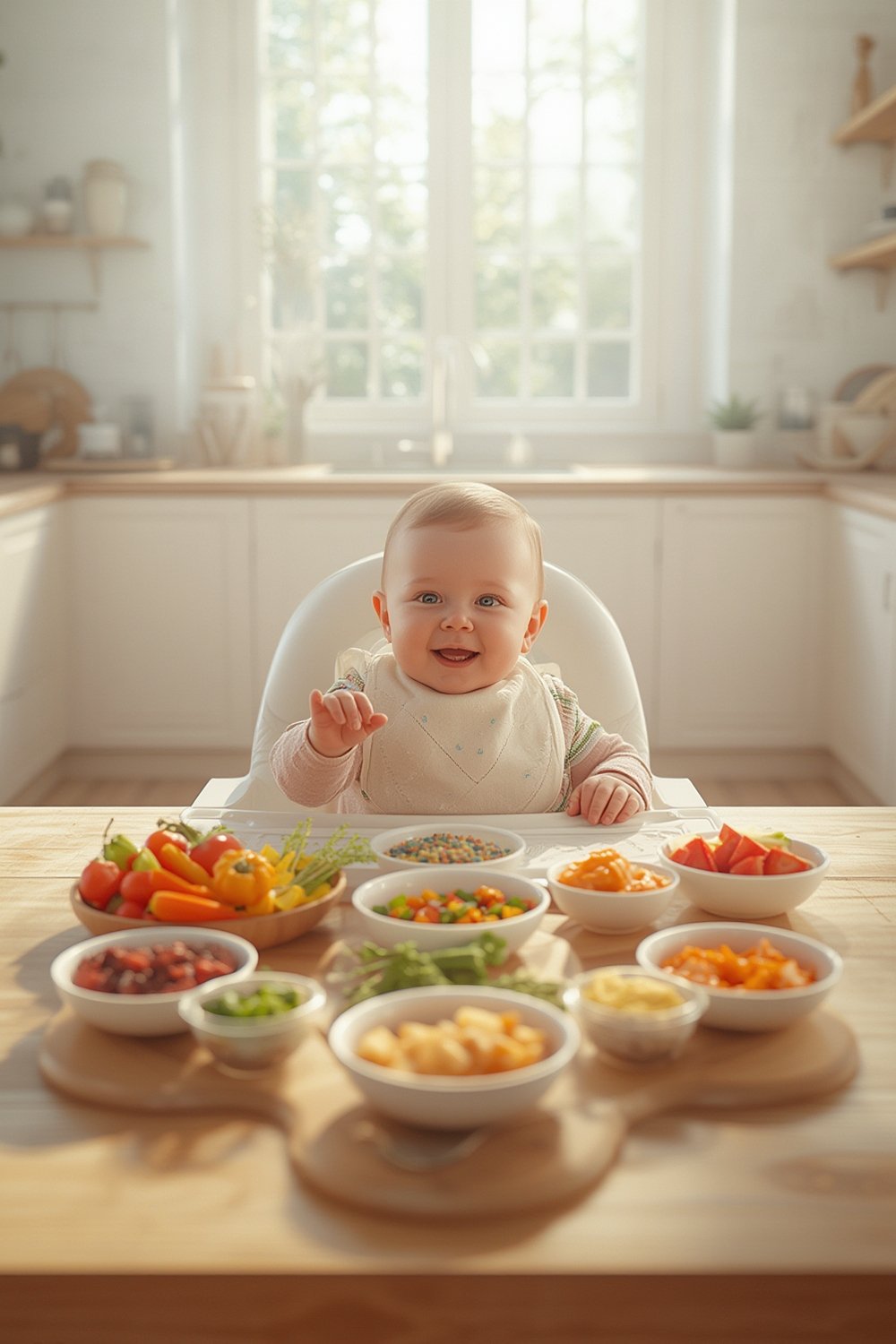
According to recent market research, the global organic baby food market hit as much as $7.92 billion in 2024. Growth rates hover between 6.7% and 10.4% CAGR, with North America leading in market share. These numbers show parents are more willing than ever to invest in what goes onto their baby’s spoon, especially when it’s labeled organic and delivered with convenience.
Still, most solutions fall into one of three camps:
- Premade baby food from the store (organic or not)
- Subscription and delivery-based baby meal services (often organic, sometimes customizable)
- DIY homemade baby meals, where parents buy, prep, and cook their own ingredients
While organic choices seem best on paper, the reality includes muddy ingredient lists, vague certifications, and pricing hurdles. Parents must weigh what they can control at home against the promises of convenience and “all-natural” from companies.
How to Choose or Prepare Healthy Baby Meals: Step-by-Step
Whether you go the meal delivery route or home-cooked meals, a structured approach saves stress and keeps your baby’s nutrition on track.
-
Research Your Options:
- Review certified organic options and check for clear labeling (look for certifications relevant to your country).
- Read ingredient lists closely, even for “organic” products; minimal, recognizable ingredients are ideal.
- If considering meal delivery, see our comprehensive baby food delivery guide and dedicated organic baby food delivery article for up-to-date reviews and tips.
-
Dial in Nutrition & Texture:
- Transition from smooth purees to more textured foods as your baby grows. Follow guidance like these developmental milestone tips for timing.
- Focus on variety: Rotate through different whole grains, vegetables, fruits, and protein sources for balanced nutrition.
- Homemade meals? Invest in a quality baby food maker to speed up prep and reduce clean-up.
-
Watch Out for Additives:
- Even some organic products may include added fruit concentrates or “natural flavors” that offer less nutritional value and mask sugar content.
- Avoid products with unpronounceable ingredients or sweeteners (check against sources on parental concerns about additives in global baby meals).
-
Plan Storage and Safe Prep:
- If prepping at home, store meals in airtight, BPA-free containers and label each batch by date to avoid spoilage.
- Batch cooking and freezing like described above is a proven, efficient system.
-
Transition Smartly & Observe:
- Monitor baby’s reactions to each food and adjust textures and ingredient complexity as tolerated. Keep emergency contacts and a baby first aid kit handy when introducing allergens.
- Consider baby allergy testing if you have family history or notice reactions.
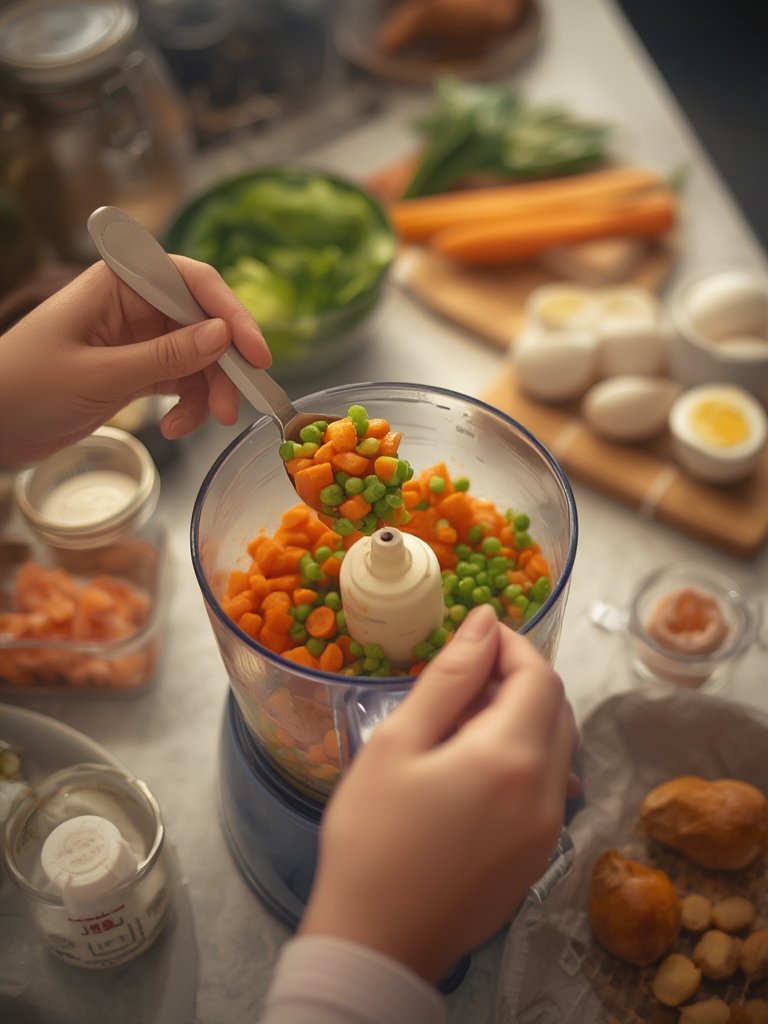
Throughout the process, balance convenience and cost. Some parents find prepping at home is cheapest, while others feel subscription services are worth the premium for stress reduction and exposure to new flavors—if the label transparency checks out.
For advanced storage and preparation hacks, see our guides on meal prep organization for families and safe storage solutions for your baby’s environment.
Advanced Analysis & Common Pitfalls
The baby meal market is dynamic, but the reality is information is often incomplete—especially around what really makes a baby meal safe or healthy. Here’s where most parents get tripped up:
- Lack of transparent data on additives or preservatives: Most “organic” baby meals avoid synthetic ingredients, but standards can vary by country and not all “natural” claims are regulated. Source research shows general concern about pesticide residues but stops short of listing specific risks.
- Pricing confusion and hidden costs: Reliable recent data on actual service costs and meaningful comparisons to DIY remain lacking. Premium organic subscriptions can quickly surpass home-prepped alternatives, but convenience and parental time may justify the expense for some families.
- Regulation gaps: Neither US nor EU-specific certification criteria are detailed in most public sources, leaving parents to decipher confusing labels or trust unverified claims.
- Expectation vs Reality: Marketers promise time savings, but few offer verified data on how much easier these services are compared to home prep. Parents may find the perceived time benefit doesn’t match day-to-day experience.
| Baby Meal Option | Pros | Cons |
|---|---|---|
| Home-Prepared Organic Meals | Full ingredient control Potentially cheaper Customizable for allergies | Time-intensive Requires planning Storage & prep safety matters |
| Meal Delivery/Subscription Services | Very convenient Exposure to variety Easy for busy families | Can be costly Ingredient transparency varies Long-term cost adds up |
| Store-Bought “Organic” Baby Food | Ready-to-eat Widely available | Shelf-stable may mean less fresh Label claims not always trustworthy Additives possible even in organic |
Keep in mind, well-known services rarely discuss the reality of organic certifications or regulatory lapses. Recent reports highlight India’s NPOP program as a model but offer limited transparency in the US and Europe. Always go beyond the marketing and contact brands directly if you want to understand sourcing or ingredients.
Conclusion
Parents face a rapidly shifting landscape when it comes to baby meals. The market for organic options is booming, but clear details about additives, regulatory standards, and actual value for money are hard to come by. Ultimately, the best approach is to blend reliable information with your household’s needs—balancing cost, convenience, and control. For more support, explore our full range of guides on preparing homemade baby food, organic formula, and baby meal delivery. Take the next step for your family’s health—do your research, ask tough questions, and don’t be afraid to challenge product claims when choosing baby meals.
If you want direct comparisons, real-life parent stories, or more hands-on advice, check out our in-depth guides or send us your questions. Your baby’s nutrition is worth it.
FAQ
What is the difference between regular and organic baby meals?
Organic baby meals use ingredients grown without synthetic pesticides, fertilizers, or artificial preservatives, while regular options may include these additives and are often less strictly regulated.
How do I know if a baby meal is truly organic?
Look for certified organic seals (like USDA Organic in the U.S. or the EU organic leaf logo). Still, double-check ingredient lists for hidden sweeteners or flavors, and contact brands to ask for certification documentation.
Are baby meal delivery services worth it?
It depends. For busy parents, meal delivery means convenience and variety, but costs can add up fast. If budget is a concern, prepping at home using a baby food maker could be better long-term.
How should I introduce new foods to my baby?
Start with one new food at a time, spaced out by several days, to watch for allergies. Gradually increase texture and variety as your baby grows and tolerates more.
Can I freeze homemade baby meals?
Yes, most homemade purees and single-ingredient foods freeze well. Use BPA-free containers, label everything, and try to use within 1-2 months for best quality and safety.
[…] healthy, stress-free meals? See our organic baby meal tips for busy […]