

Baby bunting is one of the most popular ways UK parents keep babies warm, comfortable, and stylish—especially during chilly months or festive occasions. But with so many options, finding the right fit can be confusing and sometimes frustrating for new parents who want the perfect blend of safety, comfort, and cuteness.
Key Takeaways
- Baby bunting provides warmth and security but requires careful attention to sizing and fabric safety.
- Most UK brands do not clearly outline age, size, or material safety standards for baby bunting, so parents must be proactive in research.
- Consider features like hypoallergenic or sustainable materials for maximum comfort and peace of mind.
- The Core Concept: What Is Baby Bunting and Why Does It Matter?
- Step-by-Step Guide: How to Choose Baby Bunting for Comfort and Safety
- Advanced Analysis & Common Pitfalls: What Parents Need to Know
- Conclusion
- FAQ
The Core Concept: What Is Baby Bunting and Why Does It Matter?
Baby bunting is more than just an adorable way to swaddle your child—it’s a practical necessity for keeping infants warm without the safety risks of loose blankets. Traditionally, a bunting is a single-piece, insulated garment, often with a hood and sometimes designed with cute animal themes like reindeer or bears. The closed design helps regulate your baby’s temperature and prevents kicking off layers while sleeping or during outdoor strolls. Costumed baby bunting, such as baby animal outfits, is especially popular for festive photos or special outings.
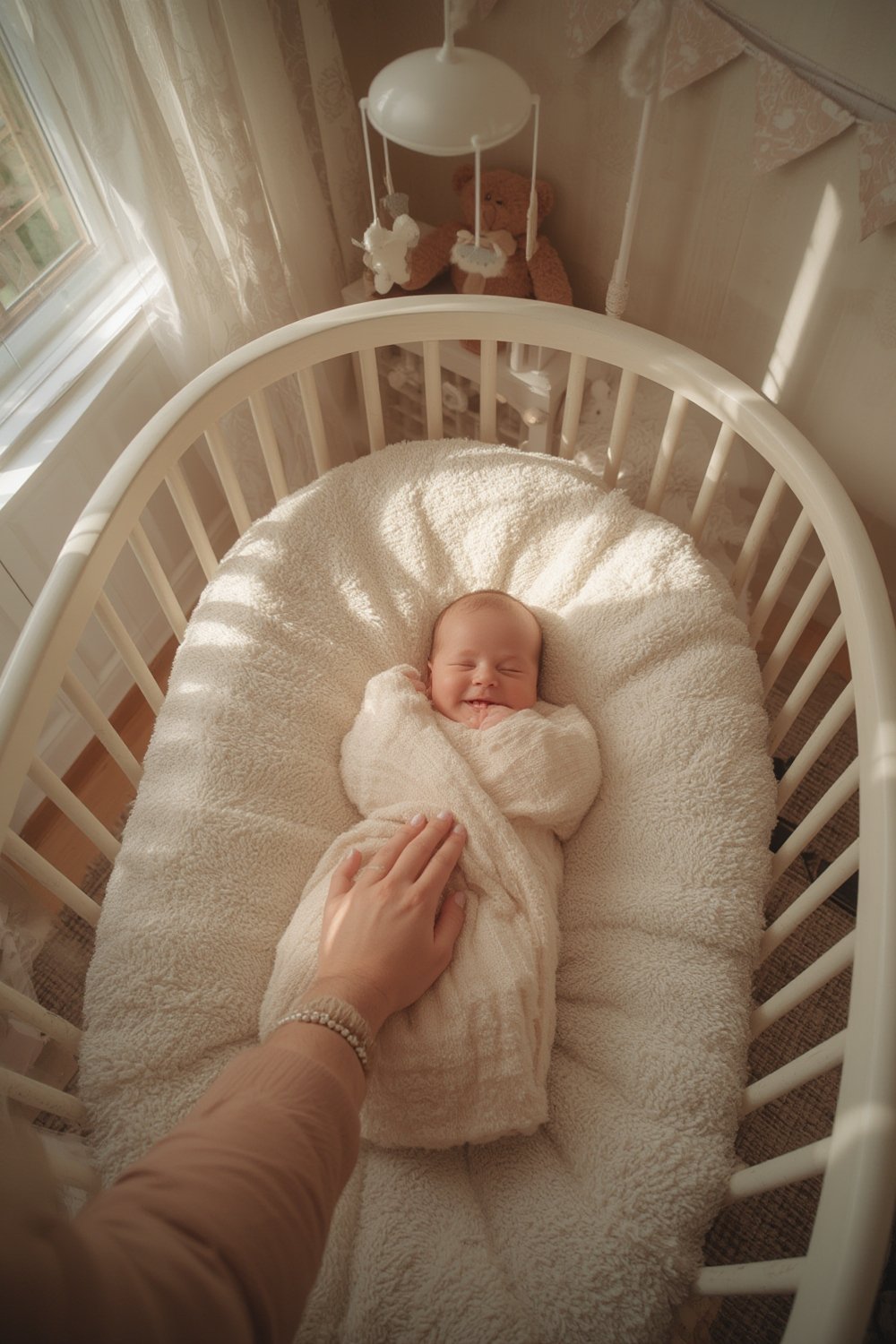
The biggest reason parents choose baby bunting in the UK is to comply with safe sleep guidelines and reduce the risk of suffocation from loose bedding. It’s also about ease—no fussing with blankets or constantly tucking the baby in again. For many, bunting brings peace of mind, style, and plenty of photo ops.
If you’re interested in creating the safest sleeping environment for your little one, take a look at our toddler bed safety and crib safety tips which reinforce why alternatives to loose bedding are so important.
Step-by-Step Guide: How to Choose Baby Bunting for Comfort and Safety
Choosing baby bunting isn’t just about cute patterns—it’s a balance of sizing, materials, practicality, and child-safe features. Here’s how to do it right:
-
Know Your Baby’s Size and Age.
Since retailers rarely standardise baby bunting sizing, always use your baby’s current weight and length as a guide—not just age labels. Garments that are too big pose suffocation hazards and may expose your baby’s face, while too small makes movement restrictive. If in doubt, measure your baby and check specific product dimensions before purchasing.
-
Choose Materials Carefully.
Opt for natural or certified hypoallergenic fabrics when possible. Organic cotton, bamboo, and soft merino wool are gentle, breathable, and reduce the risk of overheating or skin reactions. Stay away from excessive synthetic blends unless they are Oeko-Tex or GOTS certified.
Read more about the value of chemical free baby products. -
Check for Safety Standards and Certifications.
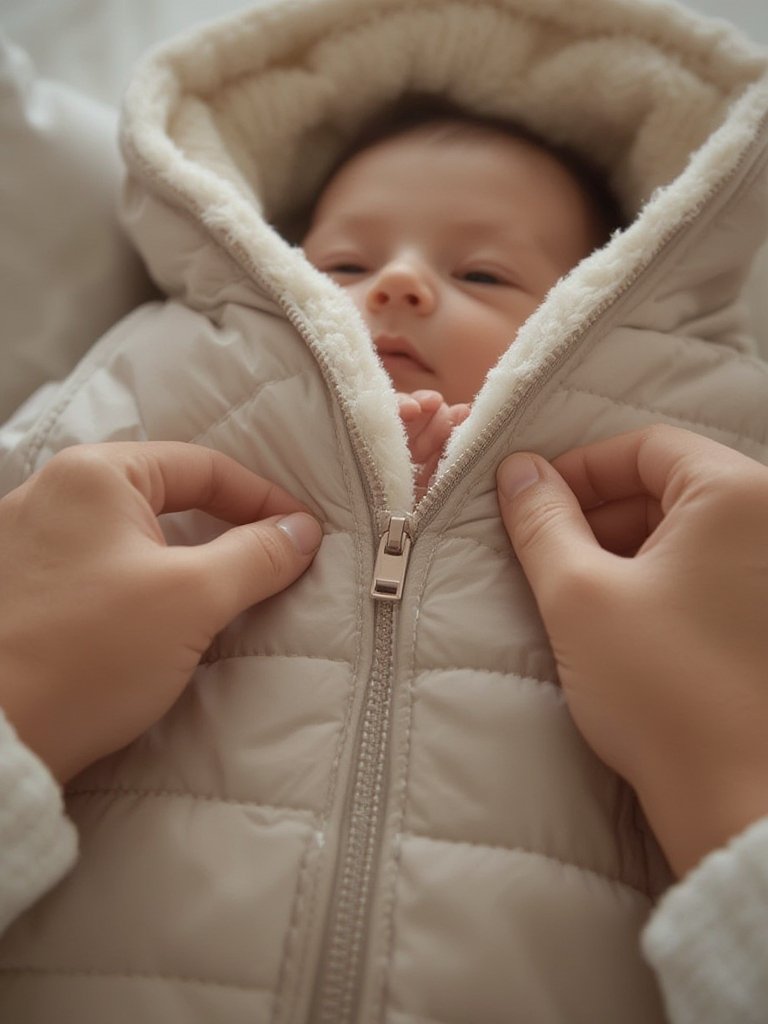
In the UK, relevant safety certifications include EN 71 (for toy safety, often cited for costumes) and BS EN 14878 (children’s sleepwear). While most baby bunting listings won’t reference these outright, you can ask the retailer directly or check for sewn-in labels that verify flame resistance or non-toxicity. Compare this with adult apparel standards for context—even if most info is not baby-focused, you can spot differences.
-
Inspect the Design Details.
Look for well-covered seams, secure fasteners (like snap buttons rather than velcro that can catch hair), and ample legroom for proper hip movement. Avoid loose parts or sewn-on decorations that could become choking hazards.
-
Consider Seasonal and Practical Use.
Thicker, double-lined buntings are best for cold outings, while single-layer, breathable options work for indoor naps. For festive animal costumes, ensure the hood or ears don’t obstruct vision or irritate the skin.
-
Prioritise Easy Care.
Babies spit up—a lot. Choose bunting that’s machine-washable and holds its shape after repeated cleaning. Quick-dry fabrics are a bonus.
Looking for full wardrobe tips? Visit our affordable baby clothes and sustainable selection guide.
Advanced Analysis & Common Pitfalls: What Parents Need to Know
Many UK parents assume all baby buntings are created equal, but our research shows this is rarely the case. Here’s a breakdown of challenges you should be aware of and why vigilance matters:
| Potential Issue | Why It’s a Problem | What to Do |
|---|---|---|
| Poor Sizing Labels | Babies grow fast, but many buntings use broad age bands, leading to ill-fitting garments. | Measure before you buy. Ignore vague “0–6 months” tags—seek dimension charts or reviews that mention true fit. |
| Unclear Material Info | Some brands use generic fabric descriptions, making it hard to spot allergens or eco-credentials. | Request detailed fabric specs. When in doubt, opt for trusted labels or look for Oeko-Tex or GOTS logos. |
| Missing Safety Certifications | No obvious compliance with EN 71 or BS EN 14878 means higher risk for overheating, fire hazards, or chemical exposure. | Contact brands directly, or choose those that display compliance for peace of mind. |
| Overheating Risk | Overly insulated buntings can cause sweating or rash, especially for young babies indoors. | Use lightweight bunting at home, thick ones outdoors, and remove extra layers once inside. |
| Choking Hazards | Loose ears, pom-poms, or decorative buttons on costume buntings may detach during rough handling. | Check all seams and securely attached details before dressing your baby. |
Many parents also overlook temperature regulation when using baby bunting. Overheating is a real concern, especially with newborns and premature infants. For a deep dive into how room temperature impacts infant comfort, explore how we address nursery climate and humidity.
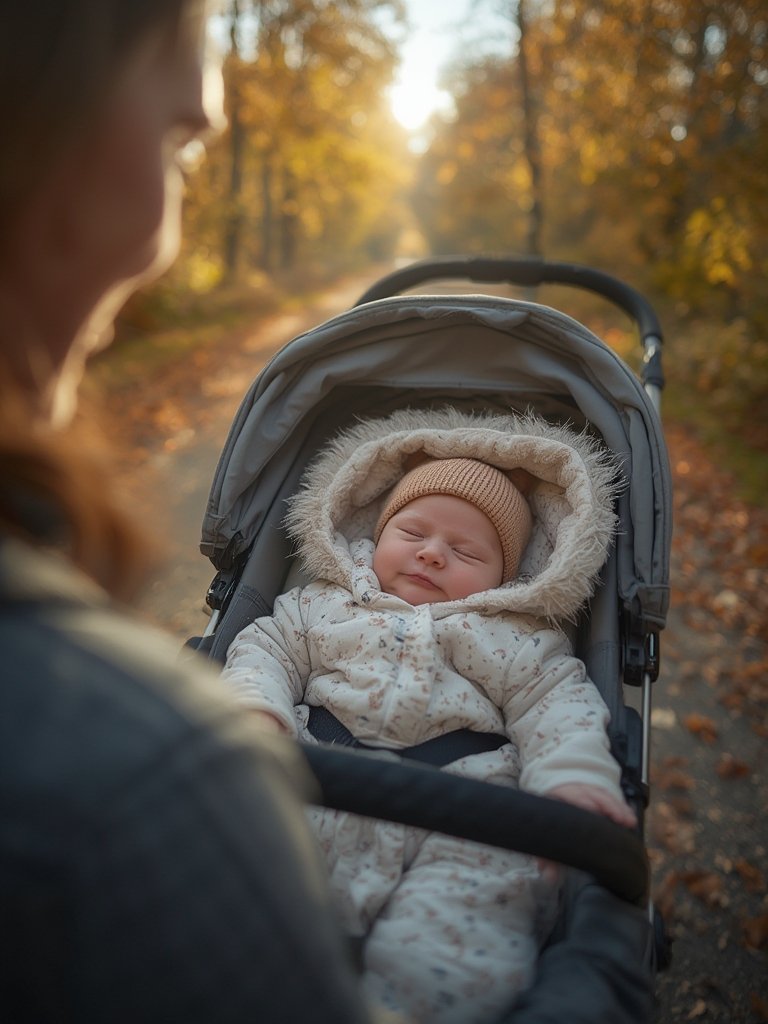
Despite the rise in eco-friendly design trends elsewhere, most UK baby bunting products on the market still lack transparency about their sustainability or hypoallergenic qualities. Leading brands don’t publish data on their supply chain or clearly advertise advanced certifications. This gap means it’s up to parents to ask tough questions about fabric sourcing and allergen testing. For more tips on sustainable options and modern essentials, review our baby essentials guide.
Conclusion
Baby bunting can transform your baby’s comfort, safety, and overall well-being during sleep and outdoor excursions. With no strict universal standards for age, size, or materials, your choice will rely on diligence: always double-check sizing, prefer natural hypoallergenic fabrics, and verify safety certifications when possible. If in doubt, consult trusted resources or seek advice from other parents to make the best decision for your child. Ready to upgrade your child’s comfort? Start by choosing a baby bunting that matches both your climate and your little one’s needs—because making an informed choice pays off in sleep, safety, and those all-important first memories.
FAQ
What’s the difference between baby bunting, sleep sack, and swaddle?
Baby bunting is typically a one-piece wearable blanket with sleeves and a hood, designed for outings and general warmth. Sleep sacks are wearable sleeping bags for indoor use. Swaddles are tighter wraps used mostly for newborns to soothe startle reflexes.
Can I use baby bunting in a car seat?
Most experts advise against using thick baby bunting inside car seats. The bulk can compromise harness safety. Instead, place baby in slim layers and drape bunting over the harness once buckled.
How do I know if my baby is overheating in a bunting?
Check for sweating, flushed cheeks, damp hair, or fussiness. Room temperature and activity level matter. Opt for lightweight materials indoors, and always touch baby’s neck or back to see if they feel too hot.
Should I buy costume-style bunting for everyday use?
Animal-themed or festive bunting is great for photos and events, but everyday use is best with simpler designs that won’t irritate sensitive skin or restrict movement.
How do I clean baby bunting safely?
Follow care instructions closely, use a hypoallergenic baby detergent to avoid irritating residues, and ensure it’s fully dry before next use.