

Toys for babies 6-9 months learning are more than just entertainment—they are crucial for supporting rapidly developing minds and bodies. From building essential motor skills to unlocking first words, the right toys at this stage can directly influence how your baby learns and grows. Choosing suitable options isn’t always straightforward, and overlooked details can lead to frustration or wasted effort.
Key Takeaways
- Well-chosen toys stimulate both cognitive and motor development for babies aged 6 to 9 months.
- Safety, material quality, and ease of cleaning are just as important as educational features.
- Parents often overlook toy features that match specific development milestones—making targeted selection a must.
- The Core Concept: Why Learning Toys Matter for 6-9 Month Olds
- Step-by-Step Guide: How to Select the Best Toys for 6-9 Month Old Babies
- Advanced Analysis & Common Pitfalls
- Conclusion
- Frequently Asked Questions
The Core Concept: Why Learning Toys Matter for 6-9 Month Olds
Between six and nine months, babies experience a surge in brain growth and physical abilities. During this phase, infants start to anticipate moving objects, sit up with little or no support, and respond to names and simple words. [source] Toys geared for this age are not just for fun—they actively drive development by offering experiences that teach babies to reach, grasp, crawl, and problem-solve.
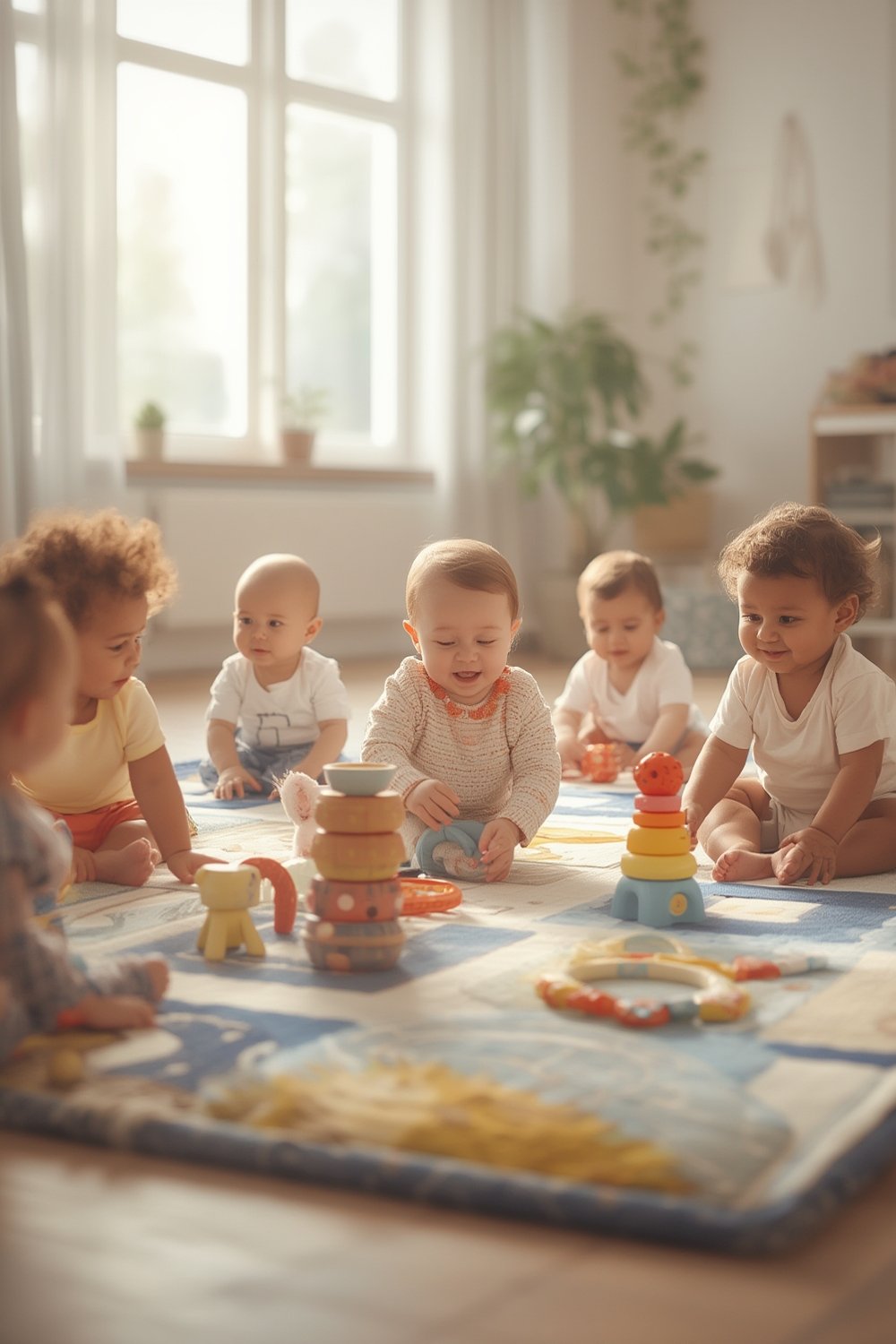
According to St. Jude, toys that invite reaching, mouthing, and hand-to-hand transfer foster fine and gross motor skills. For example, rattles and large, textured blocks keep a baby’s attention and promote grasping, while toys placed just out of reach encourage crawling and discovery. These activities have been linked to improved focus, hand-eye coordination, and early problem-solving.
Learning toys at this stage lay the groundwork for future milestones—like understanding object permanence, imitating sounds, and developing strong, agile muscles needed for standing and walking. (The Bump)
If you’re looking to optimize all aspects of your baby’s growth, also consider the right environment—such as safe sleep solutions and supportive play areas. For advice on creating a secure nursery, see this practical guide on toddler bed and crib safety.
Step-by-Step Guide: How to Select the Best Toys for 6-9 Month Old Babies
Making smart toy choices at this age doesn’t have to be overwhelming. Here’s a clear roadmap based on developmental science and practical parenting experience:
-
Know the Milestones.
Babies 6-9 months old should be reaching, grasping, sitting with support, and enjoying cause-and-effect play like banging and shaking. Match toys to current abilities, not just age labels. Check out this milestone guide for more insights.
-
Prioritize Safety.
Pick toys labeled for 6+ months, avoiding small pieces or loose parts. Soft, non-toxic materials are a must. Always inspect new toys for seams, batteries, and choking hazards. For tips on safe toy storage, visit this toy storage guide.
-
Look for Key Features:
- Easy to grasp and manipulate—large rings, soft blocks, textured balls
- Multi-sensory—combines visual, tactile, and sound elements
- Promotes movement—rolling toys or objects just out of reach
- Wipeable and washable—babies mouth everything in this stage
-
Encourage Independent and Parent-Child Play.
Create opportunities for both solo exploration (spinning, shaking, banging) and interactive play like peek-a-boo or naming objects. These activities boost social, language, and problem-solving skills. For more on baby play mats promoting safe floor exploration, see our play mat safety overview.
-
Monitor Engagement.
Babies this age typically focus on a single toy for 2–3 minutes. If a toy gets ignored, try introducing it again later, or add a new element (like shaking or rolling) to spark interest.
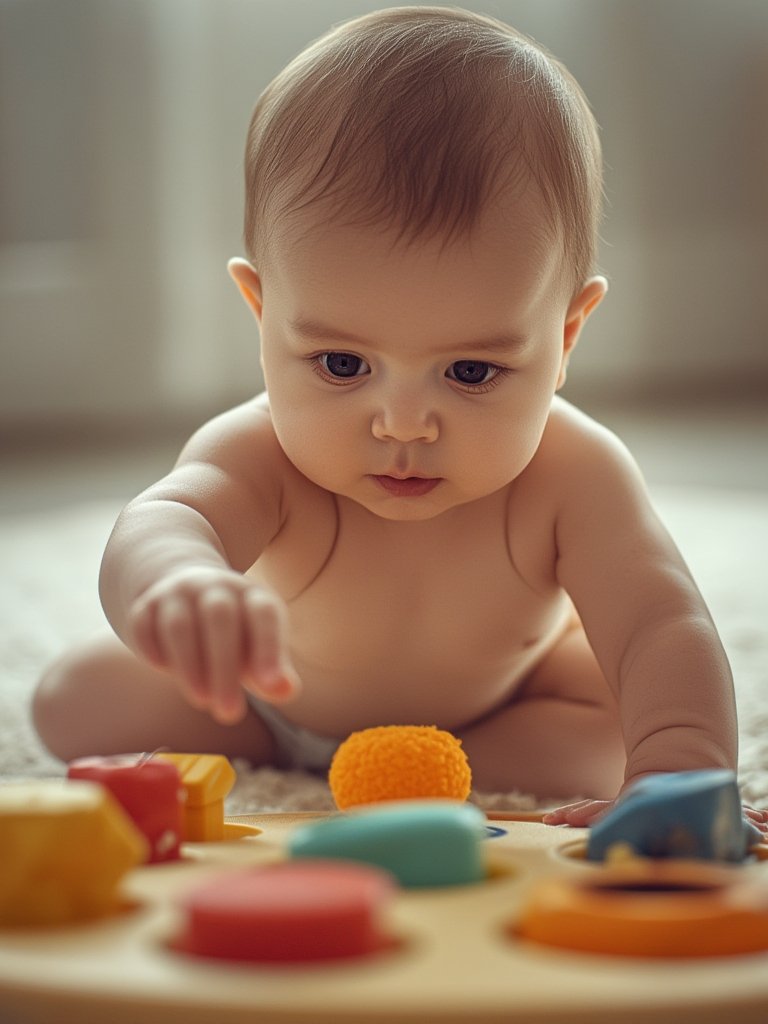
Not sure which products work best? The best toys for babies 6-9 months article features in-depth recommendations from real parents.
For babies on the move or starting to crawl, securing your space is just as essential as the toys themselves. Read practical baby proofing tips in our baby safety gate guide to create a worry-free play area.
Finally, while price matters, avoid confusing “expensive” with “better.” Many simple, affordable toys outperform flashy electronic gadgets at this age. If you plan on storing toys between uses, refer to nursery storage tips in this nursery storage guide for increased longevity and safety.
Advanced Analysis & Common Pitfalls
No toy is perfect, and even well-intentioned choices can fall short. Here are common pitfalls parents face when shopping for toys for babies 6-9 months learning:
| Common Issue | Description | How to Avoid |
|---|---|---|
| Overlooking Safety Certifications | Few toys display clear information about standards like ASTM or EN71, making it hard to judge actual safety. | Buy from reputable brands; check for clear, up-to-date safety compliance labeling and avoid imports with unclear materials. |
| Ignoring Cleaning Needs | Many toys are not fully washable or become moldy if left in damp conditions. | Choose toys labeled as dishwasher-safe, wipeable, or machine-washable to keep bacteria and buildup at bay. |
| Choosing Toys with Unnecessary Electronics | Loud, flashing, or battery-powered toys can overstimulate babies or even frighten them. | Prioritize simple toys for early development—rattles, blocks, and textured balls encourage better hands-on learning. |
| Assuming “One-Size-Fits-All” Age Labels | Age labels are only guides—not every six-month-old has the same skills as another. | Match toys to your child’s current skills; observe how they interact with each item you introduce. |
| Delayed Toy Rotation | Allowing all toys at once leads to clutter and less engagement—babies quickly lose interest. | Keep out a few toys at a time and change them weekly—a proven strategy for sustained interest. |
It’s also worth noting that 2024-specific data on pains parents face, warranty issues, or brand comparisons is sparse. Use trusted review platforms and parent forums for firsthand feedback, and supplement your learning with milestone tracking tools—like those described in our milestone tracker guide.

Conclusion
The right toys for babies 6-9 months learning can foster rapid gains in critical skills, spark baby’s curiosity, and set the stage for ongoing development. Remember to focus equally on safety, material quality, and features that match your baby’s specific abilities and interests. For proven, evidence-based recommendations, don’t hesitate to check out our expert-curated list. Start today—your baby’s best learning phase begins now.
Frequently Asked Questions
What are the safest toy materials for babies 6-9 months old?
Look for BPA-free plastics, untreated wood, silicone, or fabric with clear safety certifications. Always ensure toys are large enough to prevent choking and free of small, detachable pieces.
How many toys should I give my 6-9 month baby at once?
Keep out 3 to 5 toys at a time to avoid overstimulation and clutter. Rotate toys weekly for maximum interest and developmental benefit.
Do electronic toys help babies learn better than simple toys?
No. Research shows simple toys—like rattles, stacking cups, and textured blocks—are more effective for hands-on learning, motor skill development, and attention span at this age.
How can I tell if a toy supports my baby’s development?
Choose toys that challenge current skills: grasping, banging, hand transfer, cause-and-effect, and movement. Observe your baby’s engagement and progress over time.
Where can I find more toy recommendations for babies in this age range?
Explore our up-to-date guide on the best toys for babies 6-9 months for curated lists based on real-world testing.