

Movement toys for babies 6-9 months play a critical role in encouraging core motor skills, but choosing and using them effectively is key for healthy development and safety. This guide equips parents with science-backed strategies, real product insights, and expert recommendations to help their 6-9 month-old thrive.
Key Takeaways
- Movement toys for babies 6-9 months are most effective when used to encourage natural reaching, grasping, and crawling.
- Safety is paramount—choose toys free of small parts, avoid long strings, and stabilize any push-pull objects to prevent tipping.
- Prioritize free floor play, and use movement toys to create small, developmentally challenging goals that engage your baby’s curiosity and initiative.
- Understanding Movement Toys for Babies 6-9 Months
- How to Safely and Effectively Use Movement Toys (Step-by-Step)
- Advanced Analysis & Common Pitfalls
- Conclusion
- Frequently Asked Questions
Understanding Movement Toys for Babies 6-9 Months
Movement toys for babies aged 6-9 months are designed to motivate babies to reach, roll, scoot, and attempt crawling—helping support major gross motor milestones. At this age, babies are naturally curious but are just developing the muscle control to grasp, pivot, sit with support, and eventually crawl.
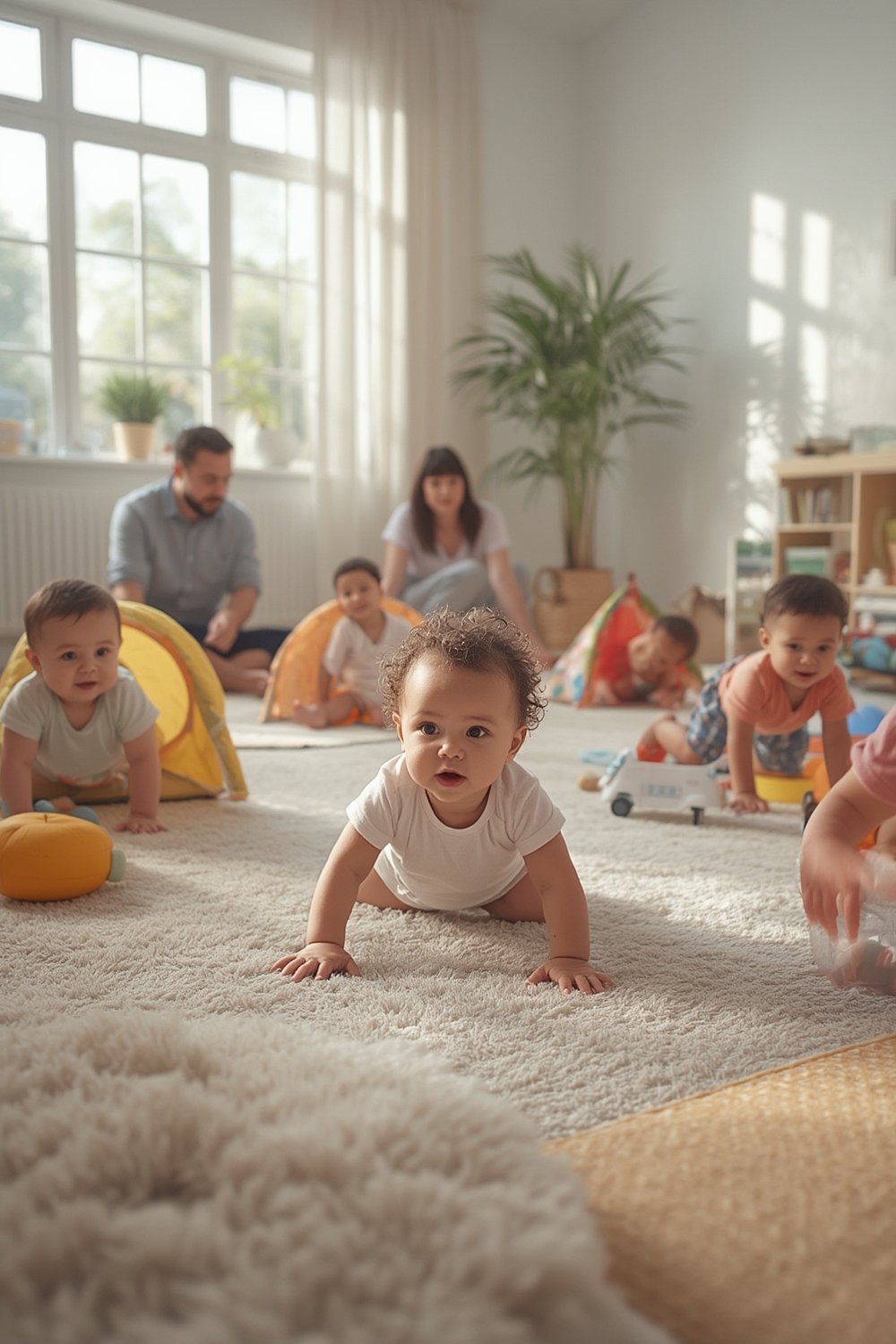
The right movement toy encourages reaching and shifting weight, which builds strength in core, arms, and legs. According to child development experts, placing toys just out of reach boosts coordination as babies learn to roll, scoot, or crawl to get them. Occupational therapists emphasize that while movement toys are helpful, free floor time remains the real foundation for progress (source).
Popular movement toys for this age group include activity gyms, soft tunnels, push-pull objects (with stabilizers), and simple balls or grasping rattles. These objects are used to gently push babies toward key skills, but should never overpower or “force” development before the baby is naturally ready.
Parents focused on overall healthy baby development may also want to read Top 10 Essential Tips for Understanding Baby Developmental Milestones Month by Month for a full overview of milestone timing.
How to Safely and Effectively Use Movement Toys (Step-by-Step)
- Choose safe, age-appropriate toys. Look for products with sturdy construction, no removable small parts, and no long strings. Avoid dangling objects that could wrap or tangle around limbs or neck. Check labels, and research trusted brands like Infantino, Skip Hop, Tiny Love, Lalo, or Lovevery (source).
- Prioritize a safe play environment. Always use movement toys on a flat, soft surface like a large play mat (see more on non-toxic play mats), away from hazards or sharp edges. Supervise at all times.
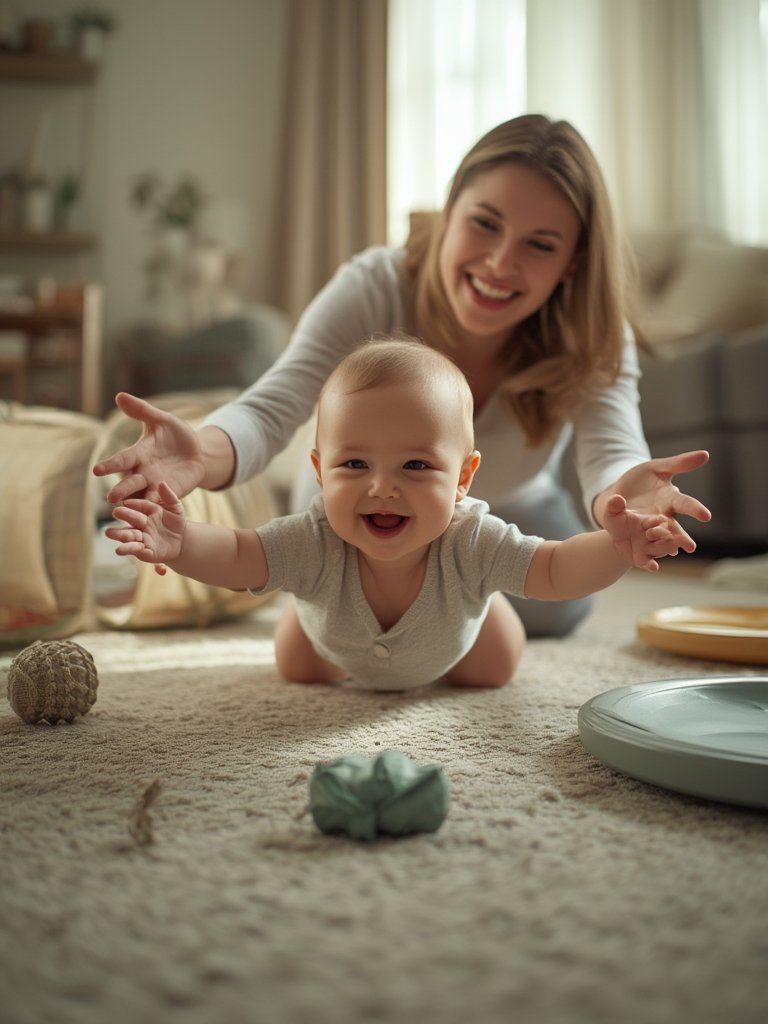
- Encourage reaching and rolling. Place a toy just outside your baby’s reach while they are on their tummy. Encourage them to reach for it—this builds arm and shoulder strength, and motivates early rolling and scooting.
- Use play gyms and activity centers for grasping. These allow babies to reach up, bat, and grip various textures. This practice supports fine and gross motor development. Rotate the hanging toys every few days to keep things fresh.
- Introduce crawling motivators. Once your baby shows signs of rocking on hands and knees, use an appealing toy or soft ball to encourage crawling across short distances. Gently keep the toy in front of your baby to spark pursuit but avoid frustration.
- Stabilize push-pull and upright toys. If using a wagon or push toy, always add weight (like bags of rice or heavy books) so it doesn’t tip easily. Never use walkers at this age (learn about safe use of baby walkers). Hold your baby gently as they practice standing or cruising along sturdy furniture.
- Keep play sessions short but frequent. Babies tire quickly. Aim for several 10–15 minute play sessions each day, adjusting for your baby’s mood and cues.
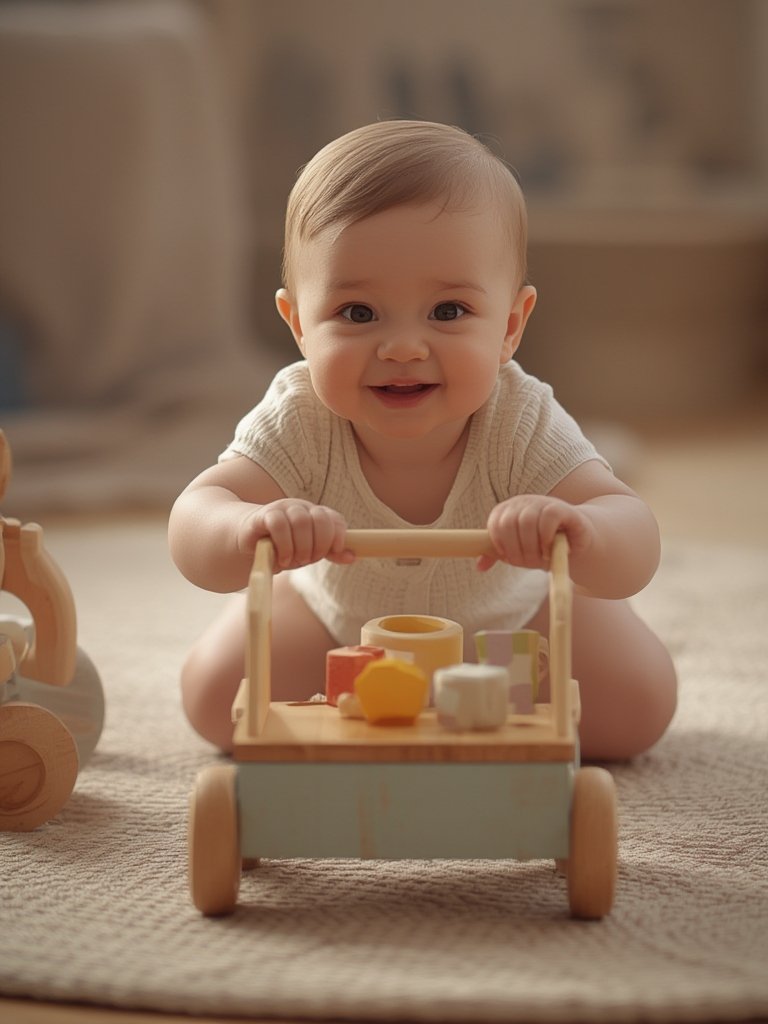
For more creative ways to organize and store baby toys safely, check out The Ultimate Guide to Kids Toy Storage Solutions.
Advanced Analysis & Common Pitfalls
Even the best movement toys for babies 6-9 months can have downsides if not used thoughtfully.
- Overuse may hinder free movement. Experts stress that babies need plenty of time to roll, pivot, and explore freely on the floor. Too much time in structured activity centers or jumpers can actually delay motor skills (source).
- Safety risks are real. Toys with small removable pieces or long strings pose choking and entanglement hazards. Unstable push or pull wagons can tip, striking or trapping a learning baby (source).
- Lack of individualized challenge. Each baby is unique. Pushing a non-crawler too hard or too soon creates frustration, not motivation. Watch for cues; switch up toys if your baby seems bored or overwhelmed.
- Limited inclusivity for babies with diverse abilities. Most toys are designed for average developmental timelines. If your baby is preterm or has delayed motor skills, adaptations or specific guidance from a pediatric occupational therapist may be needed.
When comparing popular movement toy brands, consider durability, ease of cleaning, and whether the features truly match your baby’s current stage:
| Brand/Product | Price Range (2024 listings) | Key Features |
|---|---|---|
| Infantino 4-in-1 Deluxe | $59.99-82.21 | Twist/fold gym, play mat, versatile reaching toys |
| Skip Hop Garden Oasis | $79.99-80 | Activity gym, sensory exploration zones |
| Tiny Love Boho Chic | $84.45-109.99 | Luxe developmental gymini, grasping stations |
| Lalo Play Gym | $124.99-125 | Multi-sensory reaching zone |
| Lovevery Play Gym | $150-150.99 | High-engagement, milestone-focused activities |
For a more detailed comparison and trusted recommendations, visit Best Toys for Babies 6-9 Months and Toys for Babies 6-9 Months Learning.
Conclusion
Intentional use of movement toys for babies 6-9 months can spark major leaps in motor skills—when paired with safety, parent observation, and plenty of independent floor play. Regularly rotating toys and adapting play setups keeps your baby engaged and supports healthy progress.
If you’re ready to start, review your existing toys for hidden risks and set up a fun, safe play space today with the best movement toys for babies 6-9 months. For more tips, bookmark our guides on when babies start crawling and trending baby toys for 2024.
Empower your baby’s next milestone—choose well, play safe, and encourage exploration!
Frequently Asked Questions
Are movement toys necessary for motor skill development?
No single movement toy is necessary, but well-chosen toys can boost reaching, crawling, and problem-solving. Most experts advise using toys as motivators, not replacements for floor play.
What is the safest play surface for movement toys?
A flat, firm, padded play mat is best. Avoid high beds, couches, or uneven surfaces. Learn more in our play mat safety guide.
Should push toys or walkers be used at 6-9 months?
Standard baby walkers are not recommended due to fall risks. Push toys can be used if they are heavily weighted and under close adult supervision—but are usually best for slightly older babies.
How can I adapt play for a baby with delayed motor skills?
Seek input from a pediatrician or occupational therapist. Use larger, easier-to-grasp toys, reduce distance between toys and baby, and provide lots of encouragement for small successes.
What are early signs my baby is ready for crawling toys?
Rocking on hands and knees, pivoting on tummy, or showing interest in moving objects are good early signs. Start with motivating toys just out of reach and progress at your baby’s pace.