

Toys for babies 9-12 months play a critical role in supporting early movement, curiosity, and healthy brain growth. But with a market flooded by options, choosing safe, effective, and developmentally-appropriate toys can become stressful for any parent. Below, we guide you through current trends, market data, pitfalls to avoid, and pro-level tips—armed with 2024’s latest research and actionable advice that works.
Key Takeaways
- The market for toys for babies 9-12 months in 2024 focuses on sensory, motor, and cognitive skill development—especially educational and eco-friendly options (source).
- Safety, durability, and hypoallergenic materials are vital—parents must check for certifications and avoid small, hard parts.
- Regional preferences affect toy selection: Asia-Pacific drives educational innovations while North America emphasizes tech-savvy safety standards.
- Understanding Toys for Babies 9-12 Months: What Matters
- How to Select the Best Toys for Babies 9-12 Months: Step-by-Step Guide
- Advanced Analysis & Common Pitfalls
- Conclusion
- FAQs
Understanding Toys for Babies 9-12 Months: What Matters
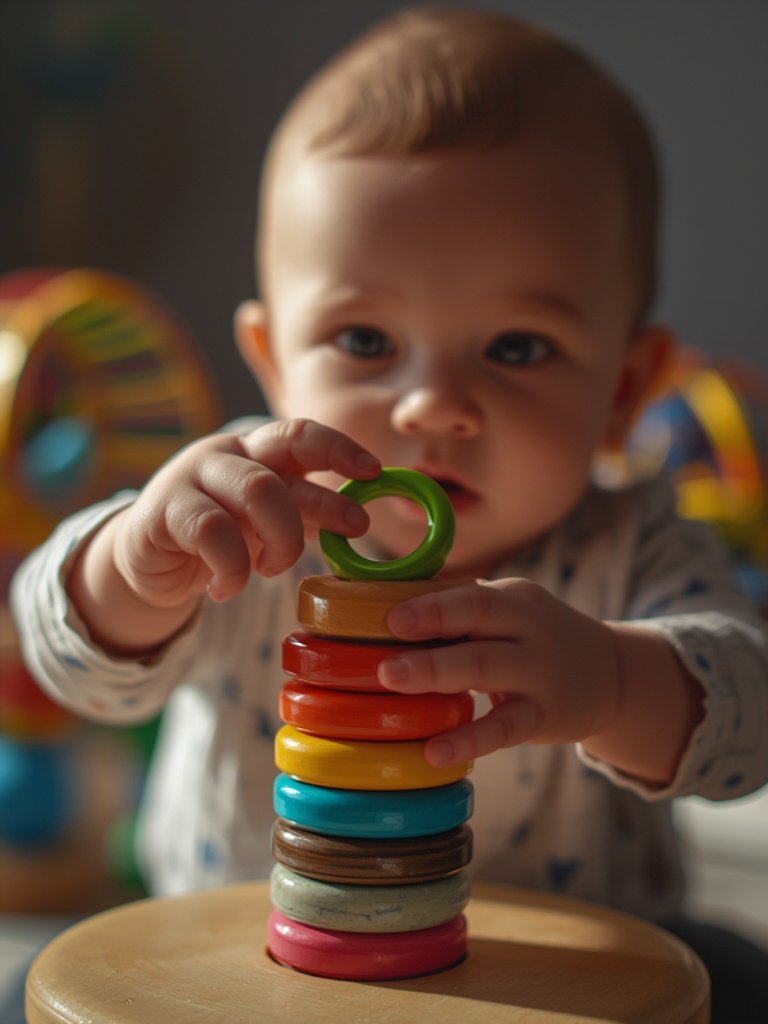
At 9-12 months, babies quickly transition from passively observing to actively crawling, pulling up, and exploring. Their developing senses, grasp reflexes, social curiosity, and cognitive skills demand toys that are safe, interactive, and stimulating. The right toys at this stage encourage both gross and fine motor skills—think grasping, stacking, banging, rolling, and crawling after objects.
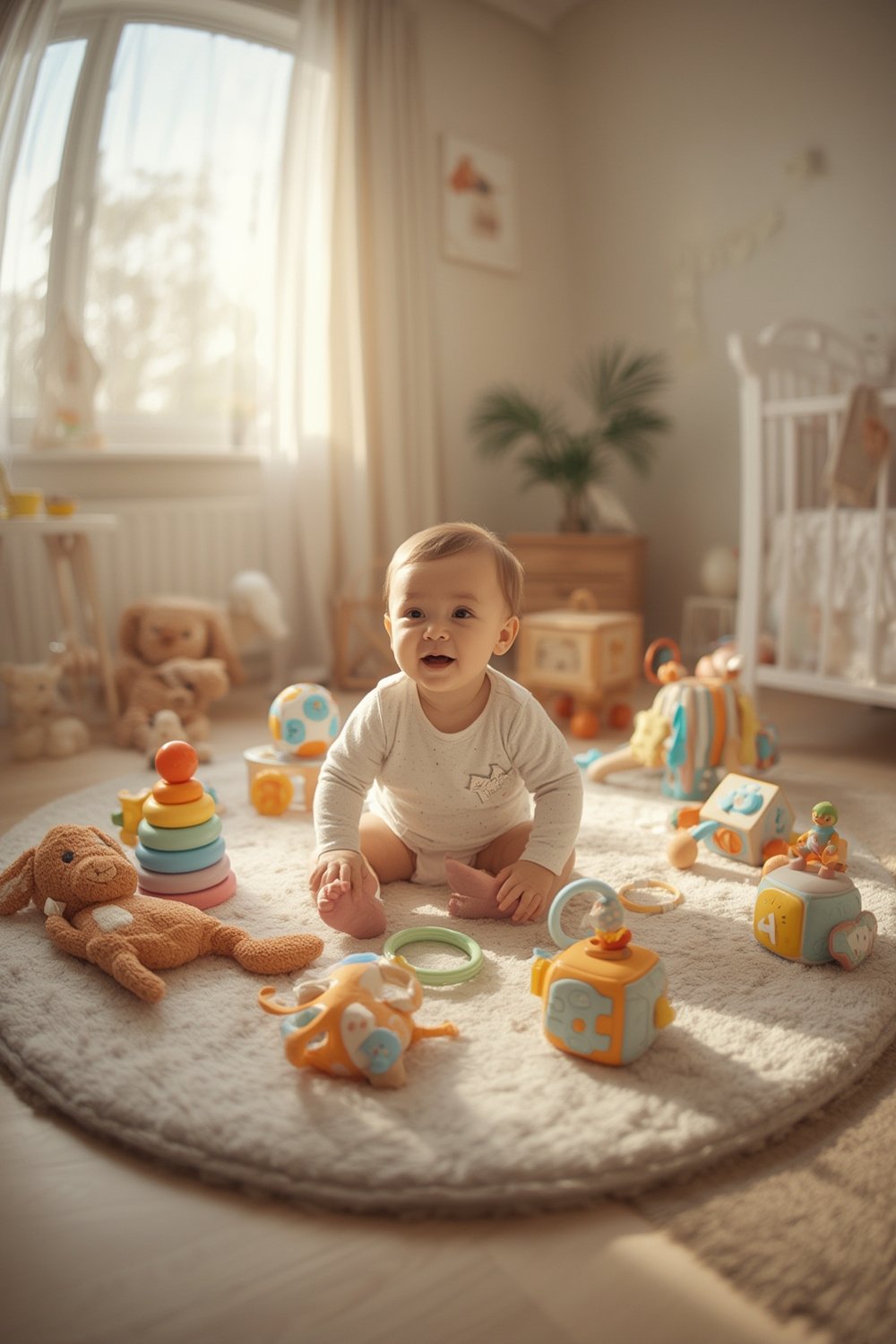
Globally, this category is surging—projected to reach over $932 million in 2025, with educational toys capturing 40% of the market (source). Options range from tactile fabric blocks and soft animals to Montessori-inspired modular sets and flexible stacking cups and crawling tunnels. Yet, the challenge is sorting through products that actually deliver developmental benefits versus those that are just flashy and over-marketed.
Safety always comes first: toys for this age group must be large enough to avoid choking hazards, made from soft or chew-safe materials, and produced in line with stringent safety standards—especially in North America and Europe (source).
If you want to dive deeper into choosing and storing safe playthings, see these practical resources:
- Toy storage ideas for safe, tidy playrooms
- Sleep safety for toddlers and babies
How to Select the Best Toys for Babies 9-12 Months: Step-by-Step Guide
-
Spot Key Developmental Needs:
- Look for toys that promote crawling, pulling up, grasping, and cause-and-effect exploration.
- Prioritize multisensory features: textures, sounds, and colors foster attention and engagement.
- Check for clear age labeling—avoid “all ages” toys that may not be safe for infants.
-
Audit for Safety & Certifications:
- Inspect toys for choking hazards and detachable small parts—especially on crawling or rolling toys.
- Seek out recognized safety marks (ASTM, CE, or equivalent regional certifications).
- Confirm hypoallergenic, BPA-free, and non-toxic material use—fabric and rubber are preferred.
-
Choose Toys That Encourage Active Movement:
- Soft balls, push-along vehicles, crawl tunnels, and flexible stacking cups motivate babies to move.
- Interactive panels and musical toys prompt reaching, tapping, and repetitive play.
- Balance between open-ended toys and single-purpose toys based on space and your child’s interests.
-
Consider Local and Cultural Preferences:
- STEM and “smart toys” are popular in North America; educational multi-skill toys drive Asia-Pacific sales (source).
- Regional safety standards may affect which brands are available in your area.
-
Check Reviews and Recall Info:
- Consult trusted parent sites and recent recall lists, especially for new releases.
- If you want guidance on choosing specific toy types, see our list of trending baby toys this year.
Want more evidence-based baby care? Check out our monthly milestone guide: Baby Milestones Month by Month.
Advanced Analysis & Common Pitfalls
While most toys marketed for babies 9-12 months follow general safety rules, there are still pitfalls parents should watch out for:
- Crawling toys with hard or sharp edges—can lead to injuries when babies tumble onto them.
- Poorly stitched soft toys—sheds stuffing and becomes a choking risk.
- Overly noisy and flashy toys—may overwhelm sensitive babies and disrupt quiet play.
- Generic, mass-produced toys—sometimes lack proper safety certification for your region.
- Unclear age ranges on labels—may indicate a lack of rigorous testing for infants.
| Feature | What to Look For | Red Flags |
|---|---|---|
| Material | Soft, hypoallergenic soft toys; BPA-free plastic; smooth rubber | Hard plastic, sharp edges, toxic-smelling paint |
| Certification | CE, ASTM labels or local marks | No visible certs, “for all ages”, or missing labels |
| Design | Large parts, securely stitched seams, rounded shapes | Small detachable pieces; seams that pull loose |
| Purpose | Sensory, movement, and cognitive development | Passive toys that “do everything” for the child—limit active engagement |
| Price Range (2024) | Most quality toys range $10–$40; premium brands up to $60 | Excessively cheap products can signal unsafe shortcuts |
Safe crawling spaces and baby-proofing are just as important as picking the right toys. Learn how to minimize fall and hazard risks in your home with our baby safety gate guide.
If your baby isn’t showing much interest in movement or toys, don’t panic. See our post on when babies start crawling for realistic milestones and suggestions.
Conclusion
The best approach to purchasing toys for babies 9-12 months is careful, safety-first, and aligned with your child’s needs. The 2024 market offers a wealth of high-quality, developmental toys—particularly focused on sensory exploration and motor skills. Remember to prioritize certifications, rotate playthings, and use creative solutions to maximize learning. Ready to take the next step? Explore our curated picks and stay informed so toys for babies 9-12 months become a powerful tool in your baby’s healthy growth journey.
Want help building your baby’s play area? Browse our updated resources, clarify milestones, or reach out for custom tips.
FAQs
Which types of toys are safest for babies 9-12 months?
Safe toys for this age group include large, hypoallergenic soft toys, BPA-free rattles, and movement aids (balls, crawl tunnels) with ASTM or CE certifications. Avoid toys with small parts or thin cords.
What features matter most when buying crawling toys?
Look for sturdy but lightweight designs, smooth surfaces, and no detachable components. Fabrics should be machine-washable and free from odors. Interactive panels and gentle sounds are helpful, but not overwhelming.
How often should I rotate or replace my baby’s toys?
Rotating toys every 2–4 weeks keeps play sessions fresh and promotes revisiting old skills. Replace any toy that’s visibly damaged or failing safety checks—especially after teething phases.
Are there any essential safety checks before introducing a new toy?
Yes. Always examine toys for loose seams, secure attachments, clear safety certification marks, and washability. Introduce new toys during supervised play to watch for unforeseen risks.