

### Blog Post:
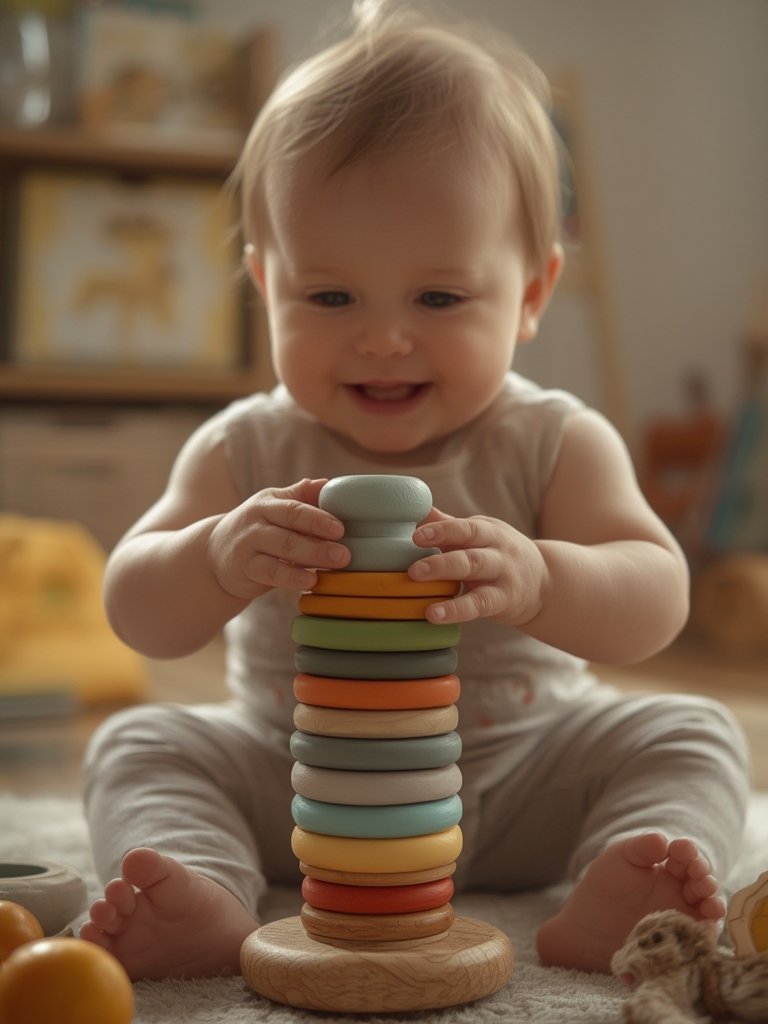
Educational toys before first birthday are an increasingly popular choice among parents eager to support early development, but current research highlights far more about safety concerns than proven learning benefits for infants under 12 months.
Key Takeaways
- No 2024 scientific evidence links educational toys before the first birthday to measurable cognitive or motor benefits—safety remains the top concern.
- Choking hazards, toxic materials, magnets, and suffocation risks are the most common issues parents and safety officials flag in infant toys.
- Choosing toys for babies under one year should prioritize age appropriateness and safety warnings over unsubstantiated learning claims.
- The Core Concept: Educational Toys Before First Birthday
- Step-by-Step Guide: Choosing Safe, Smart Toys for Infants Under 12 Months
- Advanced Analysis & Common Pitfalls
- Conclusion
- FAQ
The Core Concept: Educational Toys Before First Birthday
Educational toys for babies under one year are marketed as tools to boost early brain development and motor skills. However, 2024 research reviews and safety reports show there is no direct scientific evidence confirming these claims for infants under 12 months. While many parents hope these toys can give their child a head start, federal agencies and pediatric sources overwhelmingly emphasize toy safety rather than learning outcomes.
Understanding this distinction is essential. Brands may promise stimulation or learning, but at this stage, a toy’s value is primarily determined by its safety, appropriateness, and ability to gently engage the senses without creating risks.

Step-by-Step Guide: Choosing Safe, Smart Toys for Infants Under 12 Months
Selecting appropriate educational toys for babies before their first birthday requires focusing less on unproven learning claims and more on practical safety. Here’s a realistic sequence you can follow:
- Read and honor age labels—Always select toys labeled for children under 12 months. These toys are designed with larger parts, safe materials, and cannot be swallowed.
- Skip toys with batteries, magnets, or small parts—Batteries and magnets can be deadly if swallowed. Tiny pieces or removable components, even on “educational” toys, are a choking hazard.
- Inspect toys for sturdy construction—Look for seamless designs with nothing that can break off. Loose seams, buttons, or eyes on stuffed toys present risks.
- Focus on sensory play—Safe rattles, textured balls, fabric books, and stacking rings stimulate touch, sound, and sight. The real benefit at this age: helping your baby explore safely.
- Disregard claims of educational superiority—As the Consumer Product Safety Commission and recent studies show, there’s no proven boost to learning from complex gadgets or electronic “learning” toys for infants under one.
- Regularly check for recalls—Stay up-to-date on recalls by visiting official safety sources. Recent investigations found high rates of recalls in infant product categories, often after serious injuries occurred (see current recall listings).
- Supervise playtime—No toy is a substitute for adult supervision, especially with infants. Rotate toys to reduce boredom and check toys after each use for wear and tear.
- Explore expert resources—Build your confidence by understanding core milestones for babies under one year. Check out this development guide for motivations beyond toys alone.
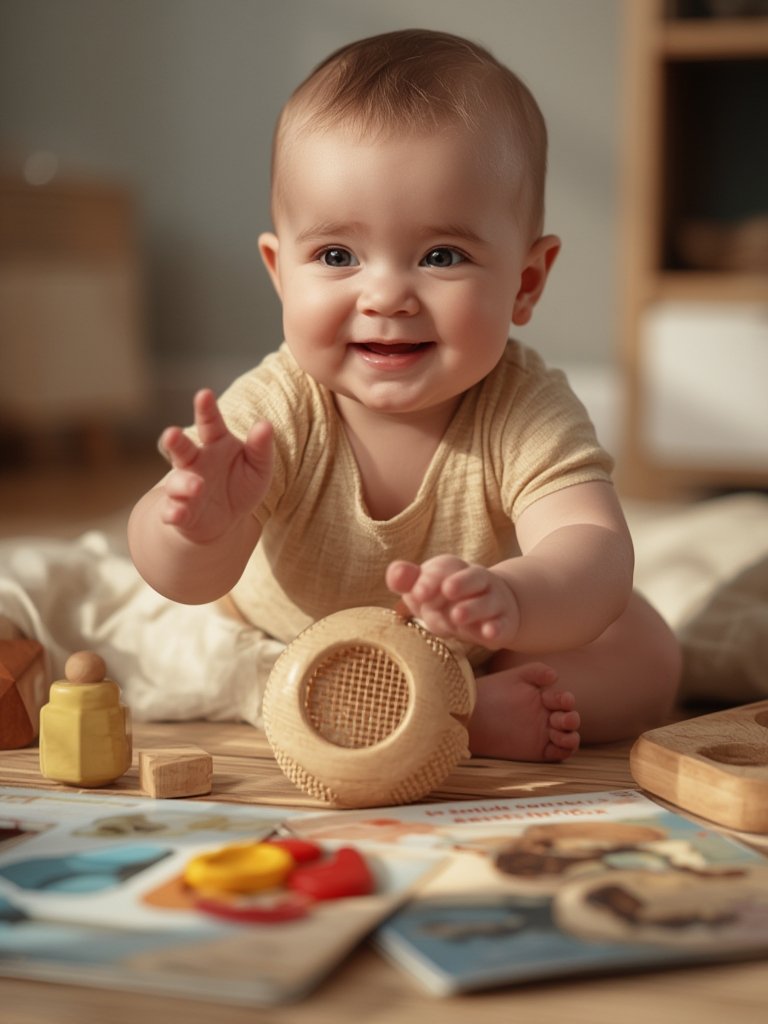
Want more ideas about age-specific toys? See our guides on best toys for babies 6-9 months and toys for babies 9-12 months.
Advanced Analysis & Common Pitfalls
Current safety reporting and 2024 source reviews reveal these persistent pitfalls for parents shopping educational toys for infants:
- Mistaking “educational” claims for evidence-based benefit. As of 2024, no peer-reviewed studies show that so-called educational toys make a measurable developmental difference in the first year (see DaCare 2024).
- Overlooking choking and ingestion hazards. Toys with small balls, detachable parts, or batteries/magnets continue to cause life-threatening injuries, with over 154,000 estimated ER visits for under-12s in 2023 and 10 deaths (CPSC data).
- Relying on toys for milestone achievement. No expert recommendations specifically connect toys with hitting core milestones like sitting, crawling, or babbling in this age group. See this baby milestone tracker guide instead.
- Ignoring recalls and manufacturing changes. Toy recalls shift rapidly. For example, swings, bead sets, and toys with toxic metals are constantly flagged for danger. Always check for the newest recall alerts before buying or using handed-down items (see recall list).
- Assuming all “baby” products are regulated the same way. Plush toys and plastic trinkets bought online may not meet federal or U.S. CPSC testing standards—especially from third-party sellers.
For parents looking to combine safety with play inspiration, organization also matters. Explore our toy storage solutions to keep your nursery both safe and tidy.
| Pitfall | Impact | How to Avoid |
|---|---|---|
| Choosing toys based on “educational” advertising | No measured developmental gain; possible overpaying for features that don’t matter. | Focus on sensory, open-ended, and safe toys clearly labeled for under-12 months. |
| Skipping recall checks | Exposure to dangerous items, increased risk of accidents or injury. | Bookmark and periodically review official recall and safety sites. |
| Assuming expensive = safer or better | Wasted money, product may not meet needs of real infants. | Review guides like Trending Baby Toys 2024 for practical picks, not gimmicks. |
| Prioritizing toys over direct engagement | Missed bonding, playtime not optimized for learning or peace of mind. | Aim for shared activities and responsive time with your baby, not just unattended play. |
Conclusion
Ultimately, while the market for educational toys before first birthday is booming, no reputable evidence supports their impact on cognitive or motor development for infants under 12 months. Instead, your energy is best invested in toy safety, sensory play, and connecting with your baby. Check for recalls, choose large and simple toys or safe household objects, and remember—a loving, interactive environment is the most essential “educational tool” of all.
Ready to rethink your approach to baby toys? Review your nursery for hidden hazards, and follow the latest safety guides before making your next purchase.
FAQ
Are there proven benefits of educational toys for babies under one year?
No. As of 2024, there is no published scientific evidence showing that “educational” toys provide measurable cognitive or motor benefits for infants younger than 12 months.
What are the most important safety checks for infant toys?
Key safety checks include verifying age labels, avoiding any toys with small parts or detachable elements, inspecting for loose seams or sharp edges, and confirming the toy does not use magnets or batteries.
What kinds of toys are best for engaging babies under 12 months?
Choose simple, sturdy toys that encourage sensory play—think soft blocks, textured balls, rattles, and fabric books. Always select toys that are easy to clean and contain no small parts.
How do I stay informed about toy recalls?
Visit official websites like the U.S. Consumer Product Safety Commission and subscribe to recall alerts or check periodically for updates. This helps you keep toys in your home safe and up to date.
Where can I learn more about the safest toys or how to organize my baby’s play area?
Explore our comprehensive guides on toy storage solutions and trending baby toys for practical tips and inspiration.