

Independent play toys 12-18 months are the cornerstone of fostering creativity, problem solving, and focus for toddlers as they explore the world on their own terms. For families seeking practical guidance and real results, understanding which toys actually encourage independent play—and how to introduce them effectively—matters more than ever. In this realistic guide, you’ll learn what makes a toy truly independent, pitfalls most parents never hear about, and hands-on steps for supporting your toddler’s play journey.
Key Takeaways
- Experts recommend open-ended, minimal-distraction toys that support movement, manipulation, and gentle cause-and-effect learning for 12-18 month olds.
- Many parents struggle to find toys that actually engage toddlers without overwhelming them or turning into background clutter.
- Practical toy rotation, realistic expectations, and a safe environment are critical for nurturing true independent play at this age.
- What Makes Independent Play Toys for 12-18 Months Unique?
- Step-by-Step Guide: Encouraging Independent Play With the Right Toys
- Advanced Analysis & Common Pitfalls: Why Parents and Toddlers Struggle
- Conclusion
- Frequently Asked Questions
What Makes Independent Play Toys for 12-18 Months Unique?
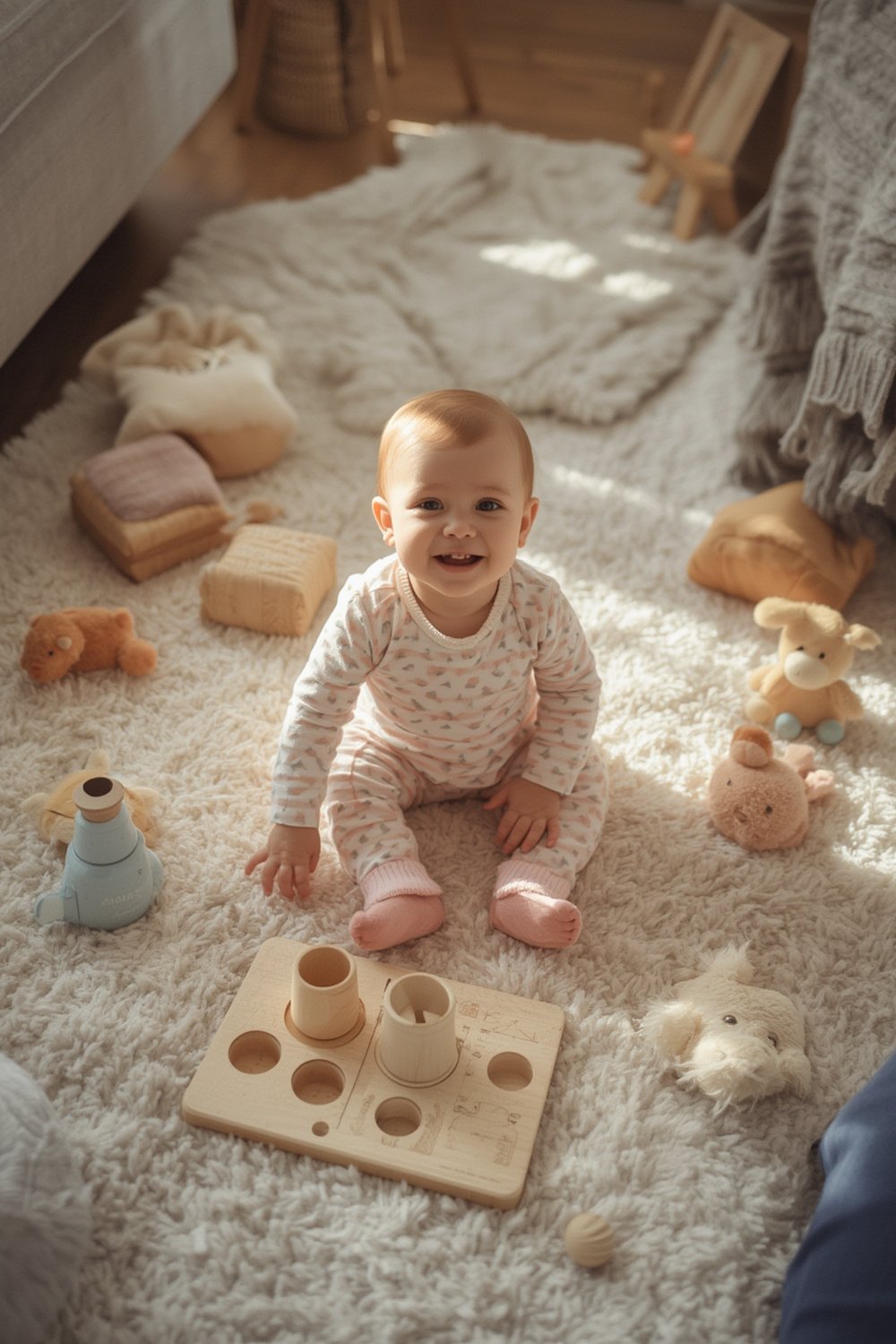
Independent play toys for 12-18 months are expertly designed to encourage self-directed, meaningful activity—even before children have advanced language or attention spans. Child development experts agree that the most effective toys at this age are open-ended, offer simple cause-and-effect interaction, and support emerging mobility. Think wooden blocks, stacking cups, soft scarves, or a simple push wagon: each of these lets your toddler explore, imagine, and create without overwhelming lights or noises.
According to the American Academy of Pediatrics, play during this stage drives key skills in executive function, language, and early math. The evidence is clear: open-ended, minimally-distracting toys foster concentration and real learning, while over-stimulating toys can actually decrease attention and engagement.
Unlike many battery-powered gadgets on store shelves, the best independent play toys don’t direct the play—they invite your toddler to lead the way. For more milestone-based parenting support, check out our developmental milestones guide.
Step-by-Step Guide: Encouraging Independent Play With the Right Toys
- Assess your play space. Remove hazards and minimize distractions. A clear, safe space gives your toddler the confidence to move and explore. For sleep and rest, follow safe sleep guidelines.
- Select a few open-ended toys. Start with one or two options, like wooden blocks, a nesting cups set, or a push cart. Too many choices can overwhelm; less is more at this age. Experts recommend sticking to toys that can be used in many creative ways.
- Model simple play—then step back. Show your toddler how to stack cups or push wagon, then quietly move a few feet away. Silent presence lets them focus and take ownership.
- Rotate toys every few days. Keep novelty alive by switching toys from storage into play. This keeps old favorites feeling fresh and avoids sensory overload. For storage solutions, read our toy organization guide.
- Observe, but don’t interrupt. Resist the urge to direct play. Let your toddler problem-solve and experiment—even if it looks messy or repetitive.
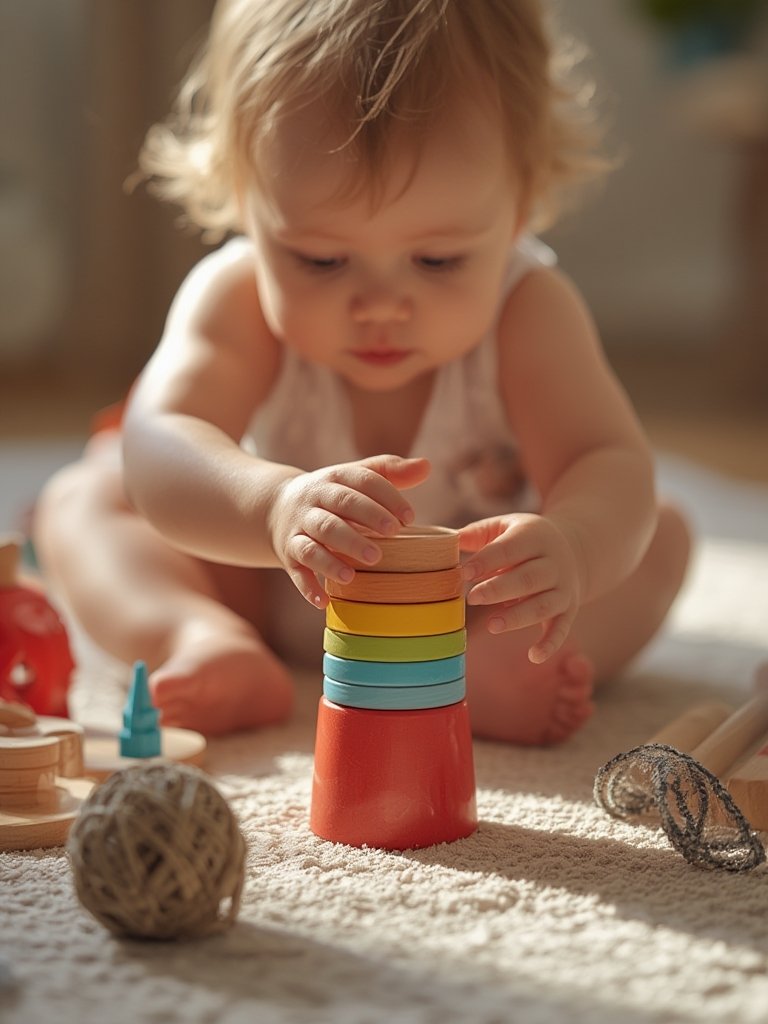
Keep expectations realistic. Most toddlers in this age group will play independently for three to eight minutes before seeking your attention. Over time, their focus and play length will naturally increase. To nurture their curiosity beyond playtime, see how toddler toys support early speech and movement.
Advanced Analysis & Common Pitfalls: Why Parents and Toddlers Struggle
Even with the best intentions, many parents find that independent play toys for 12-18 months don’t always deliver seamless results. Here’s what often goes wrong—and how to fix it.
Most-Overlooked Pitfalls
- Too many toys, too little focus: A cluttered play area overwhelms toddlers and shortens attention spans. Stick to just a couple of toys at a time.
- Overstimulating features: Toys with flashing lights or loud sounds can distract more than engage. Research recommends gentle, quiet responses—like jingle keys—for deeper concentration (see source).
- Lack of toy rotation: Leaving the same toys out every day leads to boredom. Change things up every few days to keep your toddler curious and engaged.
- Developmental mismatch: Some toys are either too advanced or too simple, resulting in frustration or disinterest. Always check recommended age ranges and observe how your child interacts.
Toy Type Comparison Table
| Toy Type | Supports | Pros | Cons |
|---|---|---|---|
| Open-Ended Toys (Blocks, nesting cups, scarves) | Creativity, motor skills, problem solving | Flexible, long-lasting, grows with child | Requires parent trust in unstructured play |
| Sensory Toys (Simple textures, gentle sounds) | Sensory exploration, calming effects | Soothing, encourages focus | Can be less engaging if too simple |
| STEM-Oriented Toys (Shape sorters, stackers) | Early math & logic, fine motor control | Age-appropriate challenge | Frustration if too complex, lost pieces |
| Montessori toys | Self-guided learning, independence | Focuses on real-world skills | Higher price, availability variability |
No toy is perfect for every child. Be patient. Adjust as needed. Avoid flashy gadgets in favor of toys that truly support open exploration. For toys tailored to specific skills, see our article on imitation toys for 12-18 months.
Conclusion
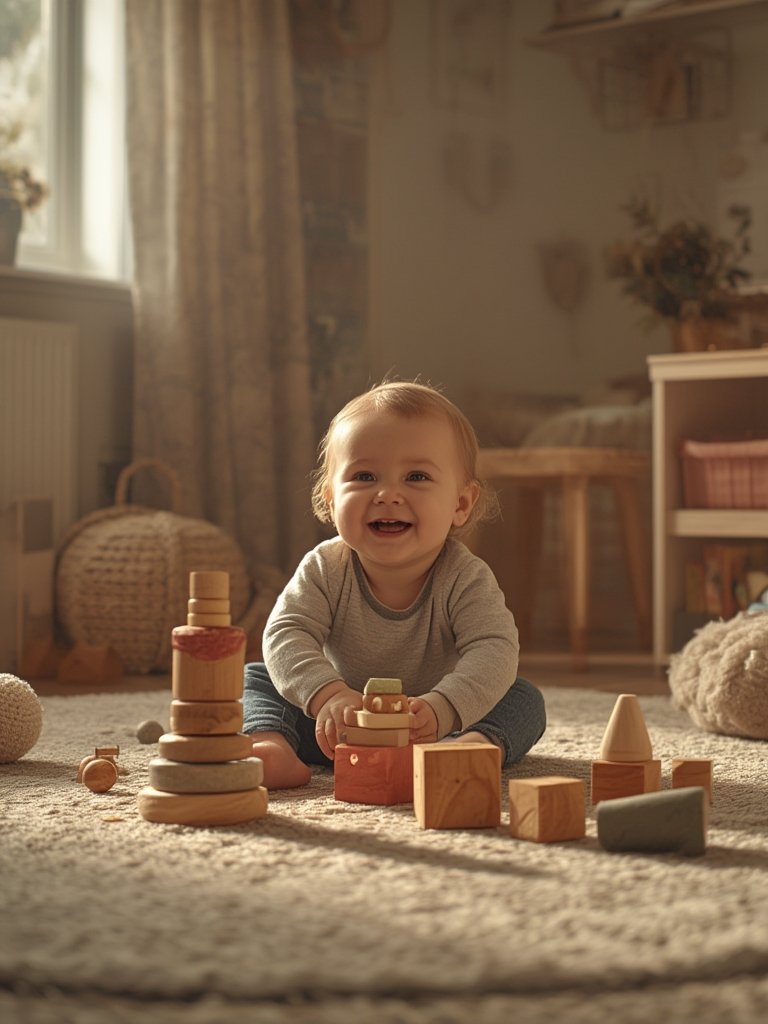
Choosing effective independent play toys for 12-18 months isn’t about filling your home with the trendiest gadgets—it’s about focusing on open-ended, safe, and age-appropriate items that nurture true exploration. By limiting choices, rotating toys, and stepping back, you give your child the chance to develop core skills at their own pace. Ready to see real changes? Select one new independent play toys 12-18 months from this guide and try these steps for a week—you’ll be amazed by your toddler’s creativity. Looking for more child development insights? Read our full baby development guide today.
Frequently Asked Questions
What are the best independent play toys for 12-18 month olds?
The best options include open-ended toys such as wooden blocks, nesting cups, scarves, push wagons, and simple sensory toys with gentle sounds. Avoid toys with too many lights or noises.
How long should I expect my toddler to play independently?
Most 12–18 month olds play independently for 3–8 minutes at a time. Play duration will gradually increase with consistency and low-pressure encouragement.
Should I leave my toddler completely alone during independent play?
No, stay nearby to supervise for safety. Silent presence or sitting in the same room reassures your toddler and supports focus without interference.
How often should I rotate independent play toys?
Rotate toys every 3–5 days, or whenever your child seems bored or disengaged. Fewer toys at a time can enhance engagement and creativity.
Are Montessori toys the same as independent play toys?
Montessori toys are designed for independent play but focus on real-life skills and simple, purposeful tasks. All Montessori toys support independence, but not all independent play toys are Montessori-based.