

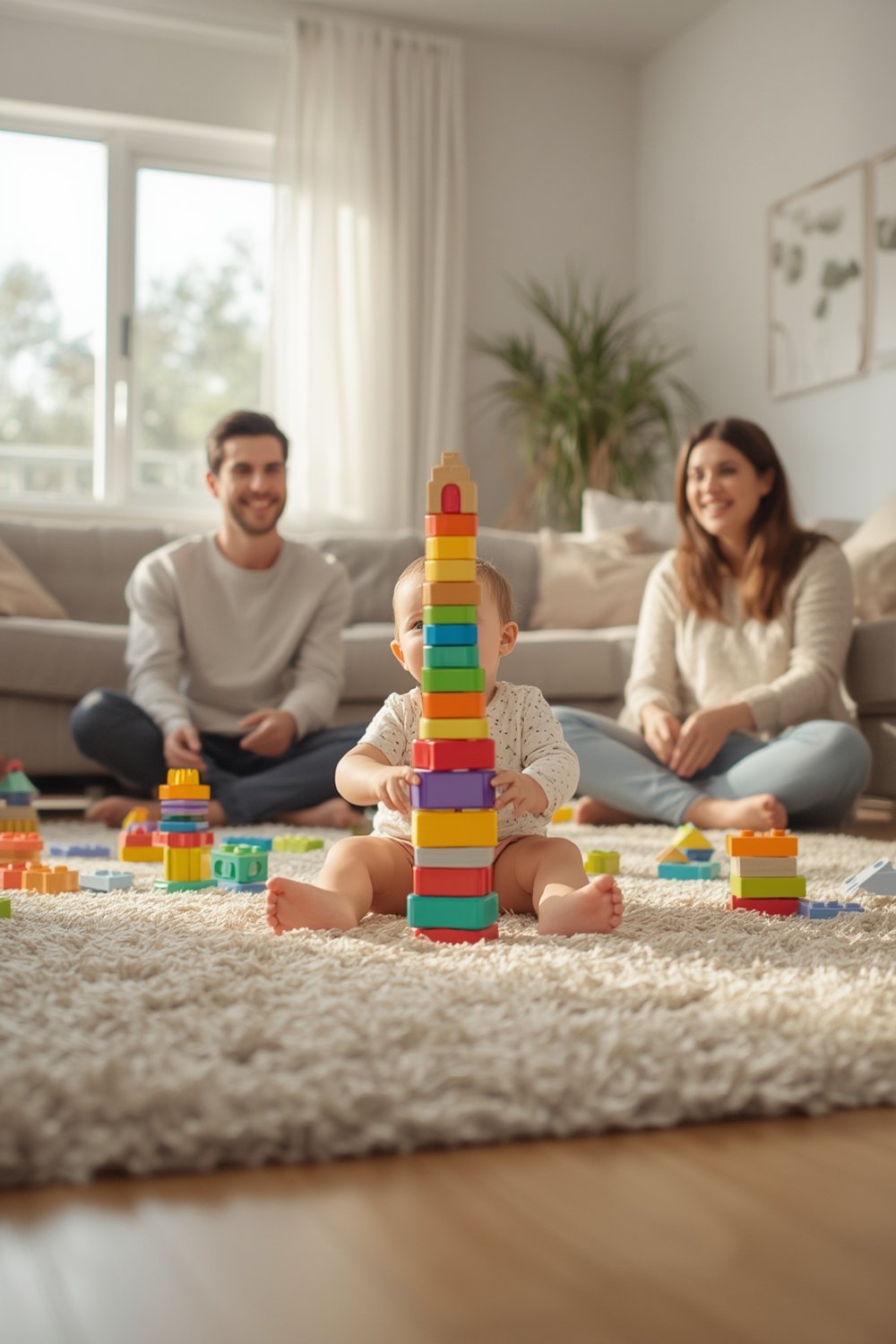
Educational toys under 2 years are more than just fun—they build critical physical, cognitive, and social skills that set the stage for lifelong learning. Parents looking for the best start want toys that are safe, genuinely educational, and practical to use every day.
Key Takeaways
- The educational toy market for children under 2 is growing rapidly, but safety and true developmental value vary widely by product.
- Non-electronic, tactile toys are most supported by child development experts for this age to foster essential milestones.
- Parents should be alert to hidden costs and always check for region-specific safety certifications when selecting toys.
- What Educational Toys Under 2 Years Really Offer (and Why It Matters)
- How to Choose & Use Educational Toys Under 2 Years: Practical Steps
- Advanced Analysis & Common Pitfalls
- Conclusion
- FAQ
What Educational Toys Under 2 Years Really Offer (and Why It Matters)
Educational toys for babies under 2 years are designed to nurture the skills your child will rely on for a lifetime. The best options target fine and gross motor development, sensory exploration, early problem-solving, and parent-child bonding. In 2023, the global educational toys market reached around USD 54 billion, with the 0–4-year segment (which includes infants and toddlers) growing the fastest at 13.10% CAGR. This explosion in demand is driven by mounting evidence that high-quality play in the first two years has lasting effects on communication, cognition, and social understanding (Research & Markets).
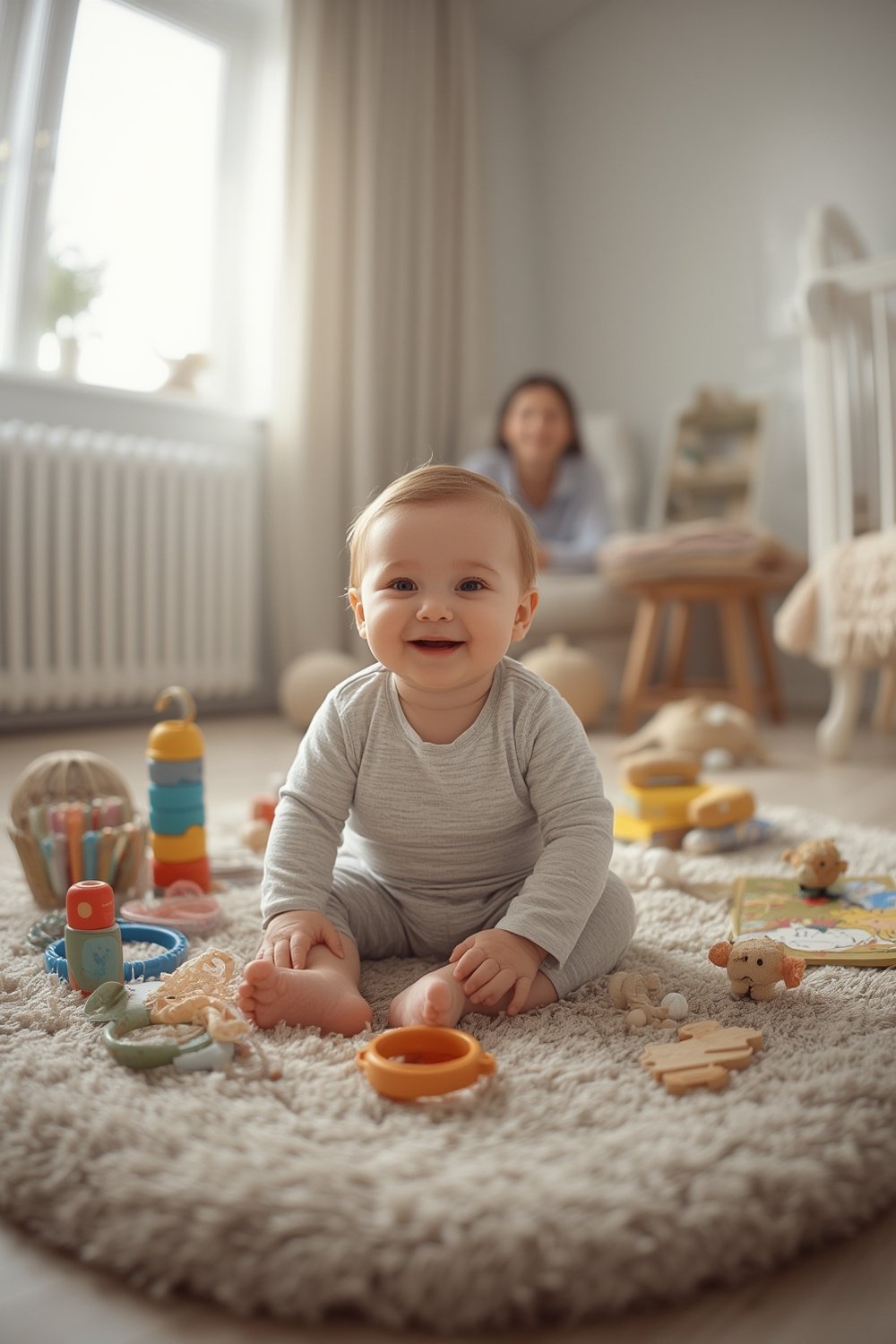
Experts recommend toys like stacking blocks, simple puzzles, and soft books for their ability to encourage sensory discovery, cause-and-effect understanding, and the coordination of small hands. Non-electronic options are often favored not just for development, but also to limit screen time and ensure safety. For parents, selecting truly educational toys can feel complicated in a crowded market—especially when balancing cost, durability, and the desire for lasting engagement.
If you want to create an enriching play environment, understanding exactly what milestones should be nurtured at each age is key. Educational baby toys become a powerful tool for laying these foundations in the simplest of ways.
How to Choose & Use Educational Toys Under 2 Years: Practical Steps
-
Understand the Essential Milestones
Research what skills are most vital for your baby’s age—look for toys that foster hand-eye coordination, sensory awareness, and early problem-solving. Trusted guides like this pre-birthday educational toy roundup can help clarify priorities. -
Prioritize Non-Electronic, Tactile Toys
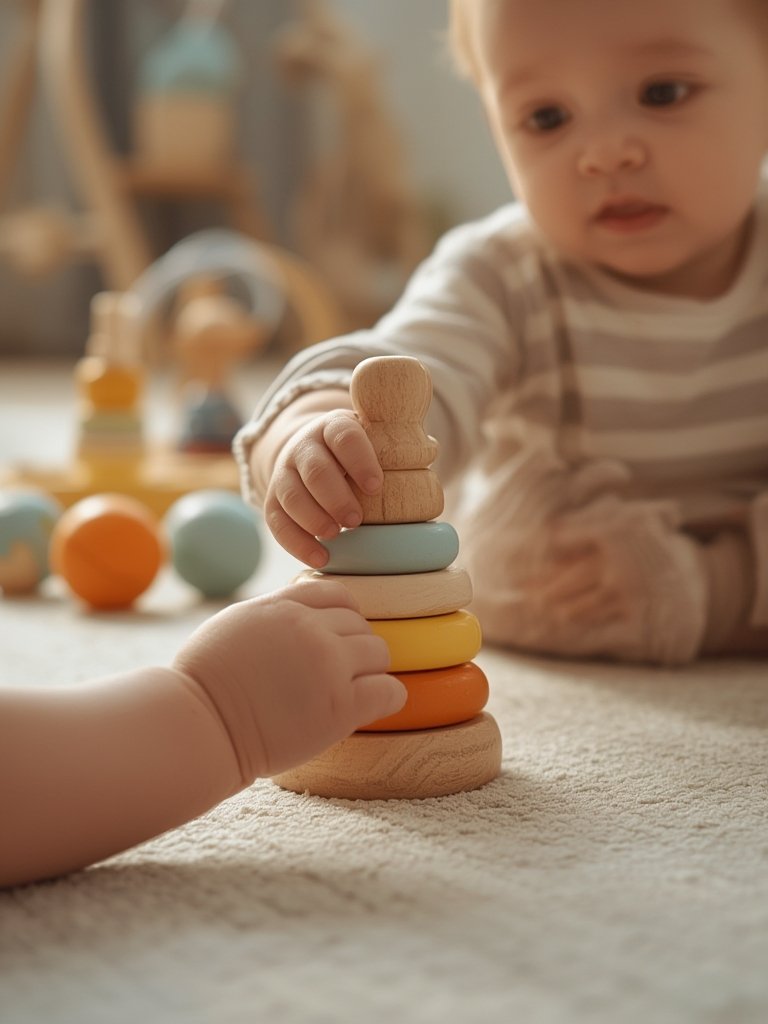
For under-2s, opt for items like stacking rings, nesting cups, or soft shape sorters. These have direct benefits for fine and gross motor development and avoid the risks of excess screen exposure. -
Check for Region-Specific Safety Certifications
In the US, look for ASTM F963 or similar. In Europe, seek EN 71 certification. Certifications may not be printed on all packaging—consult manufacturer websites or ask directly. Learn more about ensuring safety in every facet of baby care and household design from our safe sleep and nursery practices guide. -
Consider Hidden or Recurring Costs
Subscription-based play kits like those from Lovevery can be wonderful—but check for auto-renewal, non-refundable fees, and whether batteries or accessories are required for “smart” toys. -
Rotate Toys Regularly for Sustained Engagement
Babies get bored fast. Having several simple toys and switching them out weekly keeps interest (and learning) high without having to buy constantly. -
Observe Your Child’s Individual Response
Some babies adore stacking blocks; others ignore them in favor of soft books. Pay attention and adjust your toy mix as preferences emerge. For a deeper understanding of how these preferences reveal developmental strides, consult our developmental milestone tips.
Finally, always store and organize toys properly to extend their life and keep your baby’s play area safe. Our toy organization guide helps keep spaces tidy, reducing lost pieces and daily cleanup stress.
Advanced Analysis & Common Pitfalls
While the educational toy market is booming, not every product labeled as “educational” delivers true developmental value for babies under 2. Here are the most common problems parents encounter—plus an at-a-glance comparison of typical toy types and what pediatric experts say about each.
| Toy Type | Developmental Benefits | Expert Recommendation | Common Pitfalls |
|---|---|---|---|
| Tactile (e.g. wooden blocks, balls) | Motor skills, hand-eye coordination, spatial awareness | Strongly recommended for infants and toddlers | Splinters (cheap woods), choking hazard if too small |
| Sensory (e.g. textured mats, rattles) | Tactile, auditory, and sometimes visual stimulation | Recommended—with regular cleaning and supervision | Difficult to clean, can wear out quickly |
| Language-based (soft books, talking plush toys) | Early literacy, social interaction foundations | Books, yes—electronic/noisy toys, use sparingly | Annoying or overstimulating noise, batteries die/fail |
| Smart/AR/AI (interactive tech toys) | Potential for STEAM exposure, interaction | Generally not recommended for under-2s | Screen time concerns, subscription/battery costs |
- Hidden Costs: Many parents are surprised by subscription renewals (like Lovevery), or constant battery/part replacement needs for “smart” toys. Non-electronic toys, which now make up over half the market, generally avoid these issues (Mordor Intelligence).
- Safety and Durability: Cheap plastics dominate the mass market but have higher breakage risks and may contain unsafe additives. Always research material quality and keep up with recalls.
- Overpromising “Educational” Claims: Just because a toy is sold as educational—with bright labels or buzzwords—does not mean it will genuinely benefit development. Seek evidence-backed recommendations, like those highlighted in our learning toy guide for 6–9 months.
- Engagement Mismatch: Babies’ preferences change quickly. If a toy sits unused, it’s not a reflection on your parenting—adjust the toy rotation based on interest just as you would adjust routines or nap schedules. Our crawling milestones resource can help you spot changing interests.
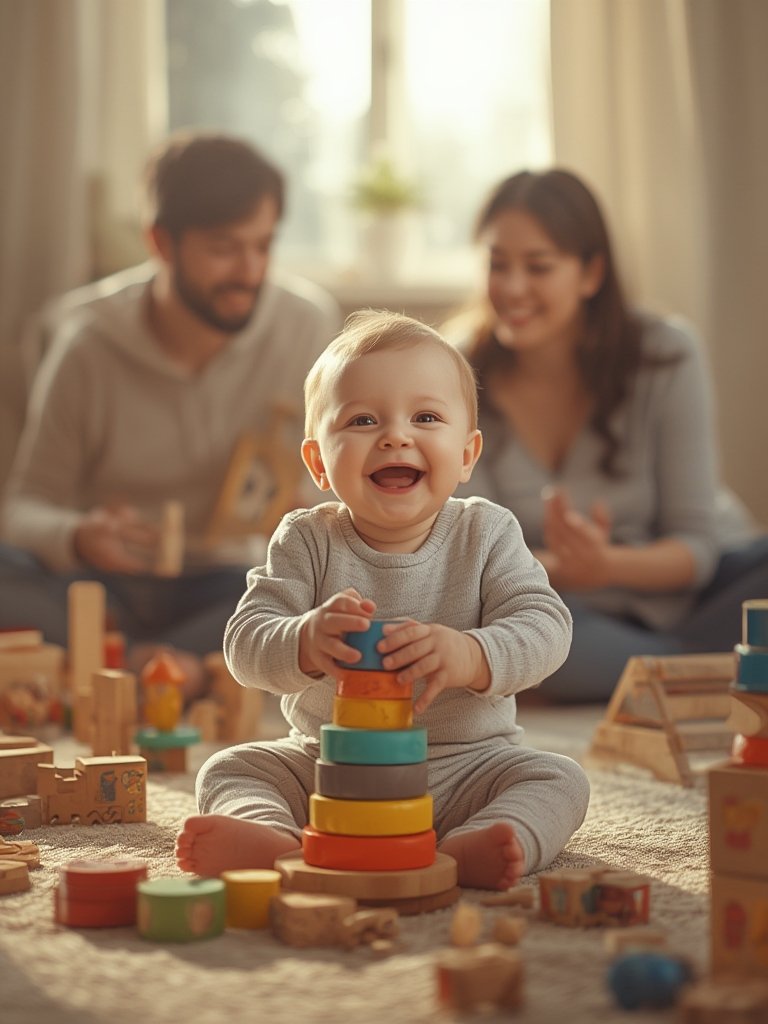
For more about durable, safe, and age-appropriate baby toys, see our expert-curated 2024 baby toy trends, which breaks down what’s worth your investment and what’s not.
Conclusion
Choosing educational toys under 2 years requires balancing evidence-backed developmental gains with realistic considerations like safety, cost, and lasting engagement. Focus on simple, tactile, and non-electronic toys that build critical milestones, while keeping an eye on certifications and your child’s evolving interests. As new products hit the market, remember that your attention and interaction make any toy exponentially more valuable. Explore further guides and invest with confidence knowing you’re setting your child up for a rich learning start.
Ready to make smarter, safer choices? Dive deeper into our essential tips and always put your child’s discovery first—because the best educational toys under 2 years are the ones that inspire both learning and joy.
FAQ
What makes a toy genuinely educational for babies under 2 years?
A genuinely educational toy will encourage at least one important developmental skill such as motor coordination, sensory exploration, or social engagement. The simplest items, like stacking blocks or textured balls, are often the most valuable—look for options that require your baby to explore, grasp, move, or problem-solve.
How do I know if an educational toy is safe for my baby?
Always check for regional safety certifications: ASTM F963 (US), EN 71 (Europe), or similar. Inspect the toy for small parts, loose pieces, or splinters. Read recalls and reviews, and remember that non-electronic, solidly built toys tend to be safest for this age group.
Do I need to spend a lot for top-rated educational toys under 2?
No. While smart toys and subscription kits can be pricey, many of the best educational toys for infants are affordable—think stacking cups, soft cloth books, or wooden puzzles. Watch out for recurring or hidden costs like batteries or subscriptions.
Are electronic or smart toys bad for children under 2 years?
Most child development experts recommend limiting screen time and electronic features in toys for infants and toddlers. Tactile, non-electronic toys best support natural developmental milestones. Smart toys can also come with added costs and maintenance demands.
How many toys does a baby under 2 really need?
It’s about variety, not volume. A selection of 5–7 well-chosen toys—rotated regularly—covers all key skills for most children in this age range. Overwhelming your baby with choices often reduces engagement and interest.