

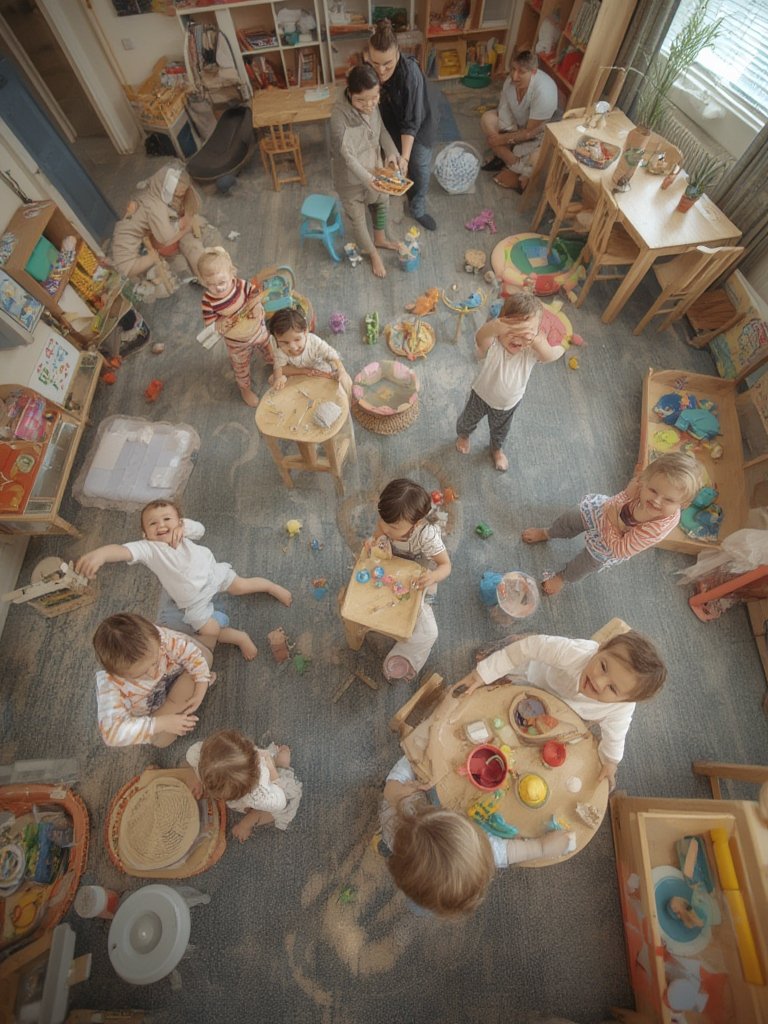
Toys by developmental stage can make or break a child’s growth path. The toys you choose today can directly shape your child’s brain, body, and social skills. But not all toys boost development equally and common mistakes can stall progress. This guide breaks down what really matters when it comes to toys by developmental stage—backed by the leading research from the past year.
Key Takeaways
- Choosing toys by developmental stage is proven to accelerate cognitive, physical, and social growth in children.
- Parents often overlook neurodiversity and accessibility, so opt for toys that match your child’s unique learning style and abilities.
- Market trends now heavily favor educational, sensory, and eco-friendly toys, especially for toddlers and preschoolers.
- What Are Toys by Developmental Stage and Why Do They Matter?
- How to Choose Toys by Developmental Stage: Step-by-Step Guide
- Advanced Analysis: Pitfalls, Myths, and Real-World Problems
- Conclusion: Get the Most Value from Toys by Developmental Stage
- FAQ: Toys by Developmental Stage
What Are Toys by Developmental Stage and Why Do They Matter?
Toys by developmental stage are toys carefully matched to a child’s current abilities and needs—cognitive, physical, and social. These toys are not just entertainment—they function as crucial learning tools. When synced to the right stage, toys can speed up brain growth, build coordination, and set up healthy social habits early.
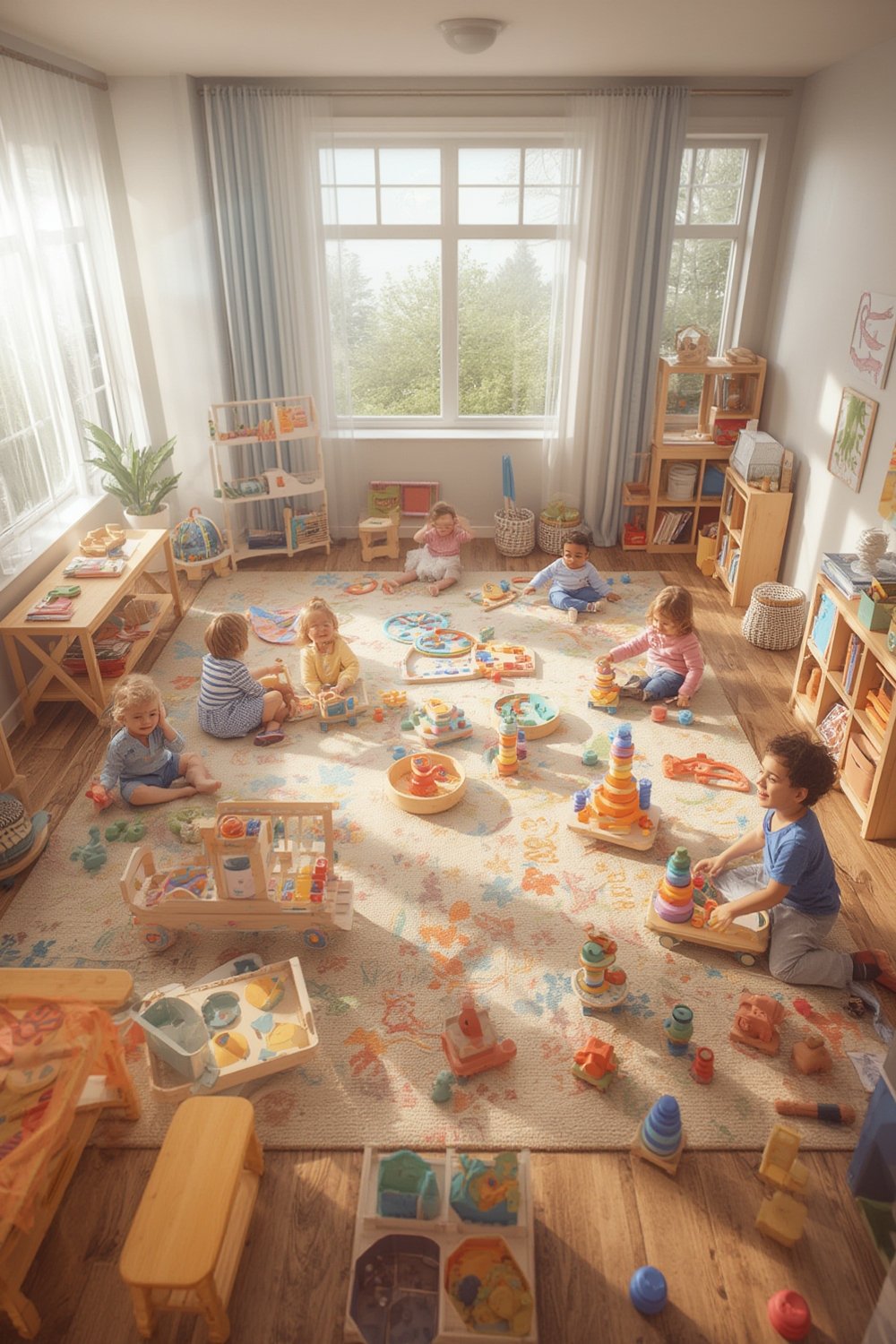
Why does this matter? Research in 2023 and 2024 shows a direct link: babies and toddlers given sensory-rich toys, age-appropriate toys performed better in cognitive and motor skill tests than those with generic toys (source). For preschoolers, toys like building blocks and puzzles fast-tracked problem-solving and creative thinking, with some studies using observation and performance metrics (see detailed data here).
Critically, the right toys reduce frustration. Children stick with tasks longer and learn through play, while parents can see steady progress—if they avoid one-size-fits-all approaches.
How to Choose Toys by Developmental Stage: Step-by-Step Guide
Matching toys to your child’s age and abilities is straightforward, but most parents miss key steps. Use this process to select toys that will truly support development—and cut out the confusion.
-
Understand Your Child’s Actual Stage—Not Just Their Age
Age ranges on toy boxes aren’t perfect. Track which milestones your child has hit. Use milestone charts like those in our baby development milestones guide for reference.
-
Choose Sensory-Rich Toys for Babies (0-12 months)
Look for toys that provide different textures, gentle sounds, and bright but non-overwhelming colors. For more on specific age options, see our toys for 6-9 month baby and toys for 9-12 month baby guides.
-
Support Movement and Coordination in Toddlers (1-3 years)
ride-on toys and items that require pushing, stacking, and sorting build essential muscles and reasoning. Imaginative play toys and those with varied textures increase physical and social growth (study). Find practical suggestions in our toddler toys overview.
-
Embrace Educational and Problem-Solving Toys for Preschoolers (3-5 years)
building blocks, puzzles, and interactive games encourage creative thinking and early STEM skills. Look for open-ended toys that support multiple solutions (market data).
-
Don’t Skip Social and Accessibility Needs
Playtime with parents or other children builds emotional intelligence—even if the toy is simple. If your child has unique learning needs or is neurodiverse, select multi-sensory toys that adapt to different engagement styles. This is a growing need most shops and online guides overlook.
-
Check Safety Certifications—Especially for Under-3s
Stick with brands or retailers that clearly meet US or EU safety standards. For more insight, read our checklist in the toy storage safety guide.
-
Review and Rotate
Watch how often your child actually uses each toy. Swap out less-used items every few weeks to reignite interest—a proven way to spur learning even with a limited toy budget.
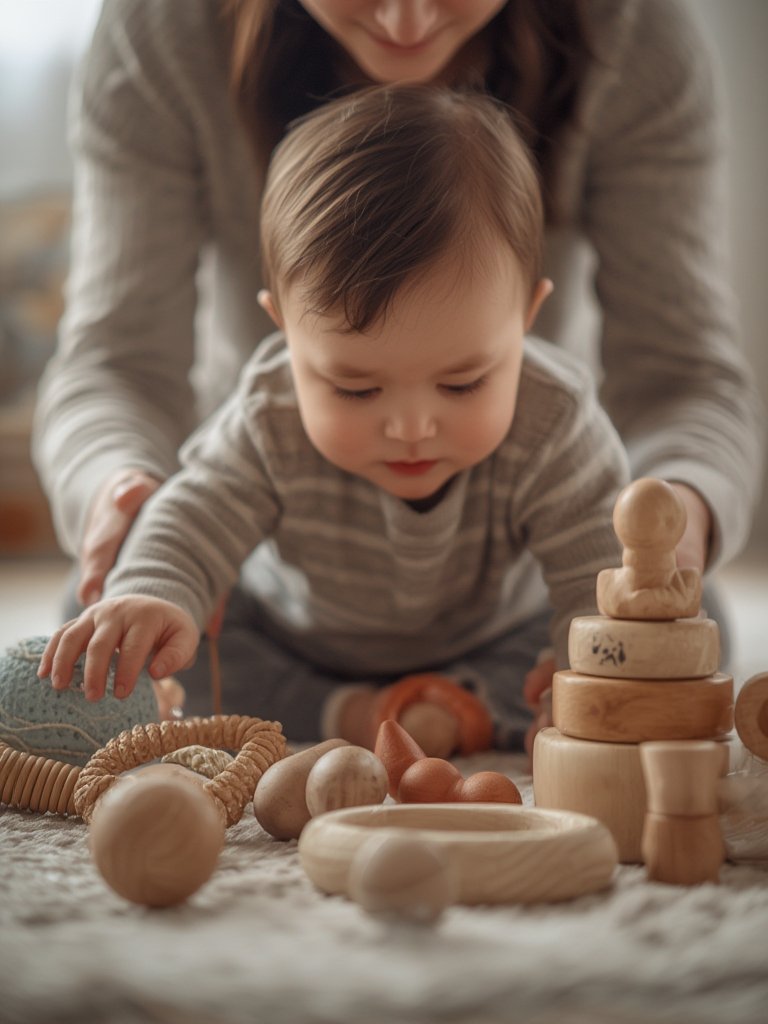
Need more toy storage ideas? Discover toy storage solutions that keep child spaces safe and clutter-free.
Advanced Analysis: Pitfalls, Myths, and Real-World Problems
Following age labels on toys isn’t enough. Research and feedback reveal subtle (but serious) problems that can affect your child’s development and even safety.
| Toy Age Group | Biggest Pitfall | What To Watch For | Market Value (2024)* |
|---|---|---|---|
| Infants (0-12 months) | Choking hazards, low sensory engagement | Choose large, washable, multi-sensory toys. Avoid button batteries and cheap plastics. Always check latest recall lists. | $14.98B (source) |
| Toddlers (1-3 years) | Overly advanced or too basic toys | Balance sensory, movement, and language-building toys. Avoid skipping simple stacking or role-play toys. | $831M (source) |
| Preschoolers (3-5 years) | Screen-based toys replacing hands-on play | Favor building blocks, open-ended puzzles, and games that encourage creativity. Limit electronics unless they support problem-solving (market research). | Fastest growth (13.4% CAGR) |
| Older Kids (6+ years) | Lack of social and cross-cultural focus | Look for STEM toys but also ones that foster group play and diverse perspectives. | No specific data |
*Market value reflects total category spend and trends rather than product cost per household.
Common Myths to Avoid:
- “More toys = faster learning.” Reality: A few carefully chosen toys used often beat a room full of clutter.
- “Tech toys are always better.” Reality: Battery-powered learning toys sometimes reduce real-world skill building unless thoughtfully chosen.
- “All ‘educational’ toys are equal.” Reality: There’s a huge gap in impact. Look for evidence-backed, play-based toys instead of generic “learning” labels (toy trends report).
- “Safety is assumed if it’s in a store.” Reality: Counterfeit and low-quality imports continue to bypass safety standards. Check certifications and keep up with recalls.
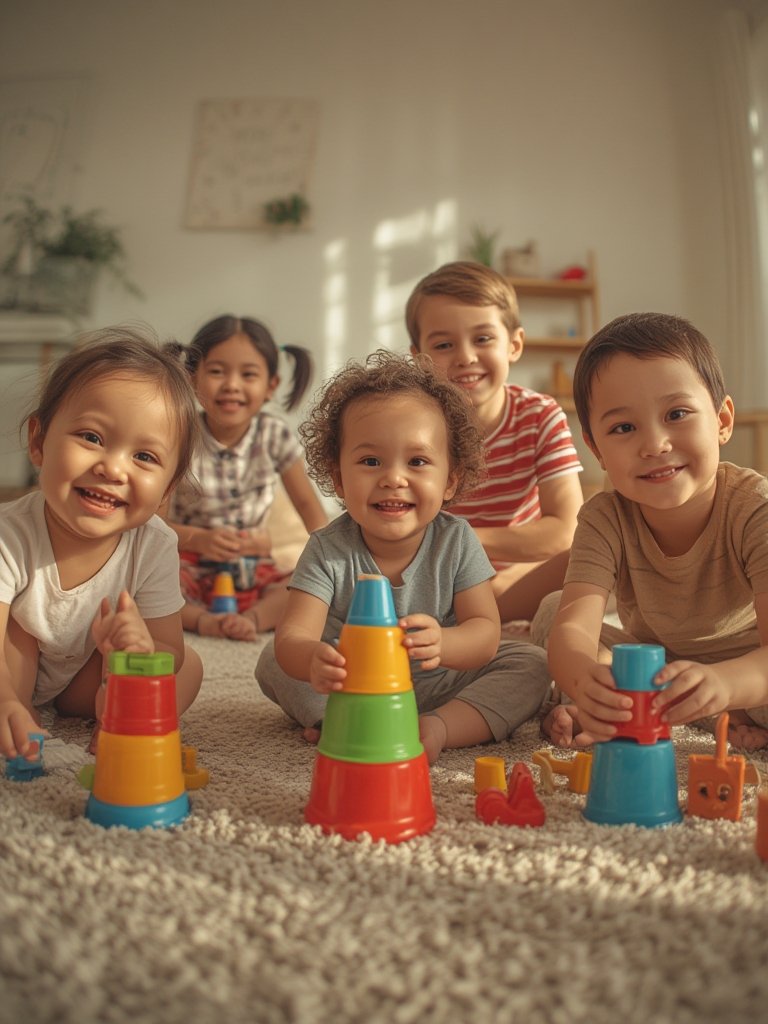
Don’t forget: Proper toy storage keeps play areas safe and reduces injury. See our kids toy storage ideas for practical tips.
Conclusion: Get the Most Value from Toys by Developmental Stage
Every parent wants what’s best for their child, but simply buying new toys is not enough. High impact comes from intentionally picking and rotating toys by developmental stage. Watch for safety, real developmental evidence, and how your child interacts—don’t just trust labels or trends. The investment in toys by developmental stage pays off in milestone growth, social ease, and confident exploration.
Ready to take action? Review your playroom, swap out mismatched toys, and focus on a few new choices matched to your child’s real stage. For more guides on promoting healthy development, see our expert posts like top baby milestone tips and toys for 6–9 month old babies.
FAQ: Toys by Developmental Stage
What is the best way to match a toy to my child’s current stage?
Look beyond age labels. Watch your child’s coordination, speech, and interests. Use milestone checklists or milestone tracking apps for an extra layer of guidance.
How often should I rotate toys?
Swap or rotate toys every two to three weeks. This keeps your child engaged, maximizes learning, and extends the life of each item.
Are tech-integrated toys worth it?
Tech toys are not automatically better. Choose ones proven to build real skills (such as coding or pattern recognition). Avoid screen-only devices for under-fours.
What about neurodiverse or special needs children?
Select multi-sensory, adaptable toys. Simple, hands-on play is often best. Prioritize toys with varying textures, colors, and interactive features to meet unique learning styles.
How can I be sure a toy is safe?
Check for US or EU safety certifications (such as ASTM, CPSC, or CE). Avoid toys with small parts for children under 3. Keep updated with official recall news and safe sleep guidelines like in our toddler bed safety post.