

Safe sleep position for babies is the single most critical habit parents must master to reduce the risk of sudden unexpected infant death overnight. The latest studies make it clear: How your baby sleeps literally saves lives, but even dedicated parents face challenges implementing the safest practices, especially with all the conflicting advice online.
Key Takeaways
- The back (supine) sleep position is proven to be the safest for babies and is strongly recommended by the American Academy of Pediatrics (AAP).
- Rates of sleep-related infant deaths in the US remain high, with 21.6% linked to unsafe sleep positions according to recent data.
- Consistency, a firm sleep surface, and eliminating loose objects are practical ways to maintain a safe sleep position every night.
- What Is the Safe Sleep Position for Babies & Why Does It Matter?
- Step-by-Step Guide: How to Achieve Safe Sleep Position Every Night
- Advanced Analysis & Common Pitfalls with Safe Sleep Positions
- Conclusion
- FAQ
What Is the Safe Sleep Position for Babies & Why Does It Matter?
For all healthy infants under 1 year, the safest sleep position is lying on their back—referred to medically as “supine.” Decades of research show this dramatically lowers the risk of sudden infant death syndrome (SIDS) and accidental suffocation.
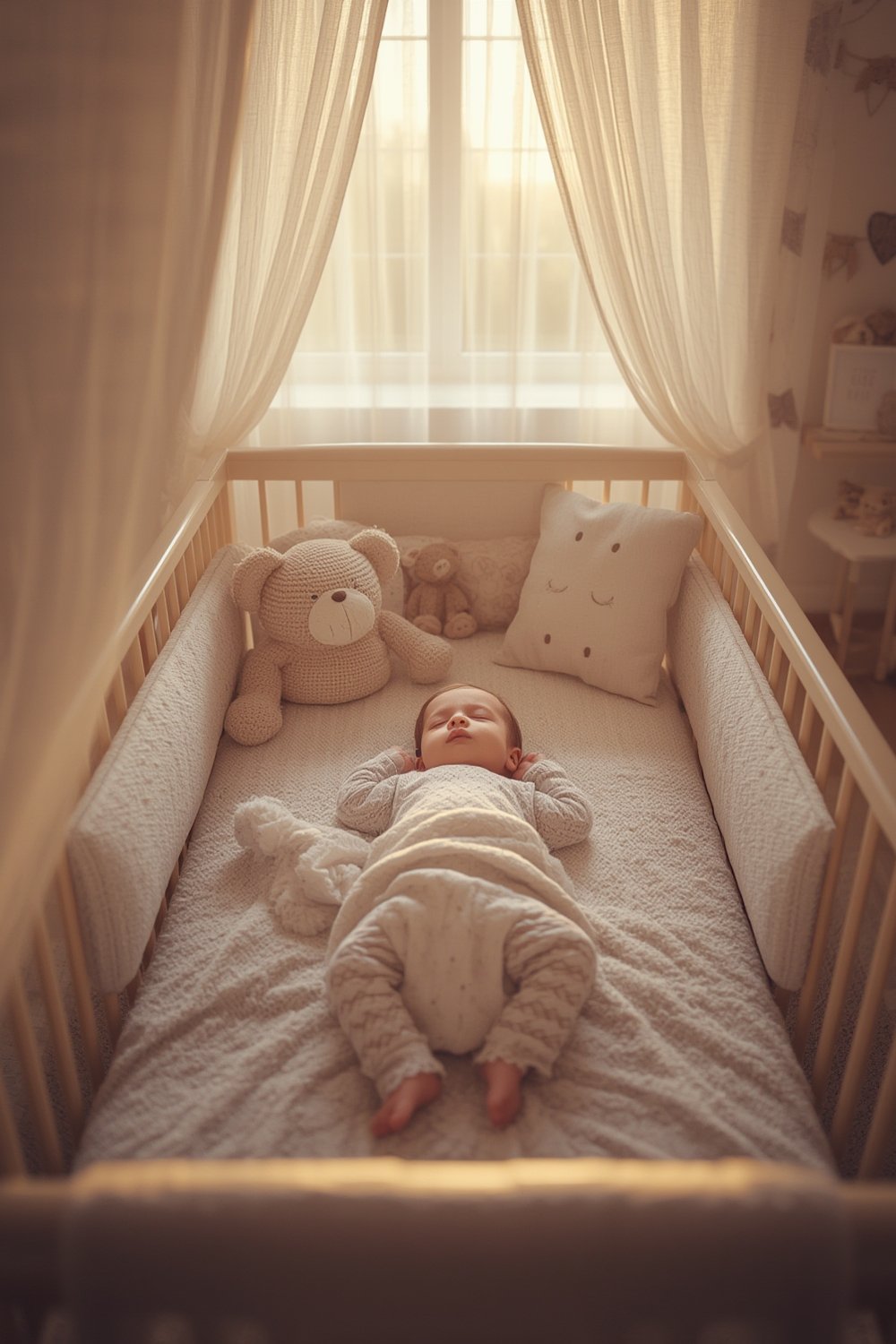
According to the latest JAMA report, the United States saw a concerning 12% increase in sudden unexpected infant deaths (SUID) from 2020 to 2022, with over 3,700 cases annually. Unsafe sleep positions were a factor in more than one in five of these deaths, as confirmed by the Children’s Safety Network. The American Academy of Pediatrics (AAP) maintains its strong recommendation: Always put babies on their backs to sleep, never on the side or stomach.
Why is the safe sleep position so critical? Babies who sleep on their backs get better airflow, experience less risk of re-breathing exhaled air, and are much less likely to suffocate or overheat. This is especially important for infants under six months when they cannot reliably roll themselves.
While the science is clear, disparities exist—Black, American Indian, and some Pacific Islander infants face much higher SUID rates, up to ten times those of Asian infants, further underscoring the need for consistent practices across all communities (CDC SUID data).
In short: Back is best, every sleep, every nap—no exceptions until your baby is old enough to roll themselves both ways independently.
Step-by-Step Guide: How to Achieve Safe Sleep Position Every Night
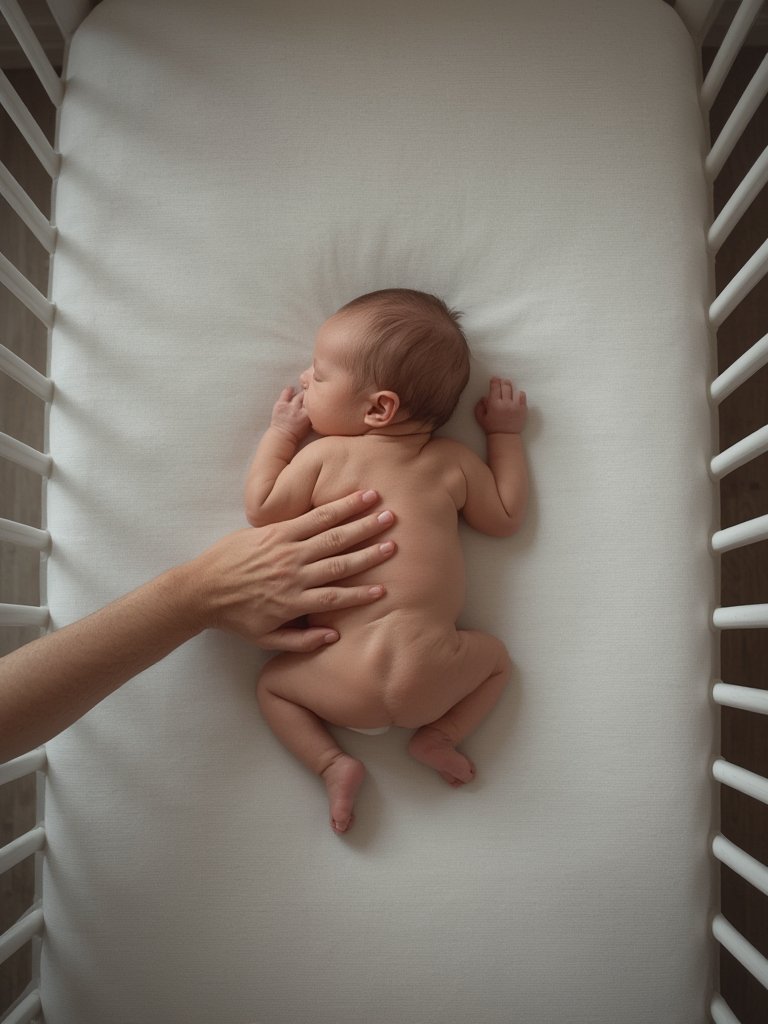
- Place your baby on their back for all sleep times (naps and overnight), until at least one year old. Do not use side or tummy positions even once unless directed by a pediatrician for medical reasons.
- Use a firm sleep surface such as a safety-approved crib mattress covered with a fitted sheet. Avoid couches, armchairs, or adult beds for unsupervised sleep.
- Keep the crib empty of loose objects: Remove blankets, pillows, stuffed animals, crib bumpers, sleep positioners, and toys. Only a sleep sack or properly swaddled blanket is acceptable for infants who are not yet rolling over (safe sleep sack use guide).
- Room-share, don’t bed-share: Place the crib or bassinet in your room—but never in your bed. Bed-sharing increases suffocation and SIDS risk, even with co-sleeper devices (more safe sleep solutions).
- Avoid overheating: Dress your baby in just one more layer than you would wear and keep the room temperature comfortable for a lightly clothed adult. Do not use hats or heavy blankets.
- Offer a dry pacifier at sleep time (optional): Several studies suggest it may lower SIDS risk. But never force a pacifier back in if your baby refuses it during sleep.
- Never prop the baby up with pillows or wedges: These items are dangerous and can block your baby’s airway.
- Limit the use of infant sleep products, loungers, and swings: Only cribs, bassinets, and play yards that meet federal safety standards are recommended for unsupervised sleep (monitoring safe sleep environments).
For more on building a bedtime routine, see our newborn sleep schedule guide.
And for tips if your baby only falls asleep while being held, try our resource: newborn only sleeps if held.
If you’re searching for gentle options to help with sleep, a white noise machine can support your baby’s safe sleep routine without changing their position.
Advanced Analysis & Common Pitfalls with Safe Sleep Positions
Even with the best intentions, parents often encounter barriers when implementing the safe sleep position for babies:
- Babies who resist back sleep: Some infants fuss or have reflux and seem to settle better on their side or stomach. This creates a temptation to ignore the guidelines—but the safety risk is real unless your pediatrician prescribes a specific exception.
- Rolling milestones: Once your baby can roll both ways on their own, it’s okay to let them find their own position after being placed on their back. But never use positioning products or wedges to restrict their movement.
- Inconsistent advice: Grandparents or caregivers may rely on outdated practices, putting the child at unnecessary risk.
- Unconscious errors during night feeds: Tiredness can cause parents to accidentally dose off while feeding in bed, increasing suffocation risk.
- Travel challenges: Away from home, parents may improvise unsafe sleep setups or overlook safe position routines.
| Unsafe Practice | Why It’s Risky | What To Do Instead |
|---|---|---|
| Side or tummy sleeping | Linked to up to 21.6% of sleep-related infant deaths (source) | Always place baby on back for every sleep |
| Pillows, bumpers, positional products | Suffocation hazard, may block airway | Use only a fitted sheet on a firm, bare mattress |
| Bed-sharing | Major increase in risk of SIDS and suffocation | Room-sharing is preferred; keep baby in own space |
| Letting baby sleep in swing or car seat | Slumping can block baby’s airway | Transfer to a crib or bassinet for sleep |
| Swaddling after rolling starts | Swaddled rolling babies can get stuck on tummy | Stop swaddling once any rolling begins |
Another missed aspect: No sleep positioner or “anti-roll” product is proven safe—most have been recalled or flagged by safety agencies. Stick with crib-only, no added accessories unless specifically directed by a healthcare professional.
Finally, always communicate the safe sleep message to anyone who cares for your infant, from babysitters to relatives. Consistency is vital, as risks spike with even one unsafe sleep.

Conclusion
The evidence is overwhelming: Back sleeping on a firm, bare surface remains the gold standard for safe infant sleep. Avoid side or stomach positions, skip all bedding and positioners, and keep sleep routines consistent at home and away. With vigilance and support, you can dramatically reduce risk, help your baby sleep more safely, and gain peace of mind.
Always put your child in the safe sleep position for babies—it’s one habit that quite literally saves lives. Want more resources? Browse our guides on baby milestones and baby sleep training, or reach out for expert support.
Take action tonight: Do a quick crib check—remove any extra items, reset your sleep routine, and share what you’ve learned with caregivers. Your commitment can make all the difference.
FAQ
Why is the back sleep position safest for babies?
Back sleep keeps the airway clear and reduces the risk of suffocation or rebreathing exhaled air—major contributors to SIDS. Decades of data and official health guidelines confirm this position gives infants the best chance for safe sleep.
What if my baby rolls onto their stomach during sleep?
If your baby can independently roll both ways, it’s okay to let them stay where they’re comfortable after being placed on their back. Always start every sleep on the back and keep the crib free of soft objects.
When can I stop placing my baby on their back to sleep?
Continue placing your baby on their back until at least one year old. If your baby can roll independently, you do not have to reposition them if they roll during sleep.
Are sleep positioners or wedges safe to use?
No. Most sleep positioners and wedges have been recalled or warned against by safety agencies. They pose suffocation risks and should not be used unless medically indicated and prescribed by a doctor.
Can a pacifier really help with safe sleep?
Offering a dry pacifier at sleep times (without a string) has been shown in studies to lower the risk of SIDS, even if it falls out after your baby falls asleep. It should never replace a safe sleep routine, but is a helpful extra layer of protection.