

When can babies drink water is a critical question that every new parent faces before starting solids. The answer could mean the difference between safe, healthy development and potentially severe health risks for your baby. Here’s what every parent needs to know—plain and simple.
Key Takeaways
- Babies should not drink water before 6 months old; both AAP and WHO strictly advise against it.
- Early water introduction can cause water intoxication, seizures, and even be fatal due to immature kidneys.
- After 6 months, water can be offered in small amounts (4-8 oz/day) with solids—always consult your pediatrician.
- What Every Parent Needs to Know
- Step-by-Step Guide: How and When to Offer Water
- Advanced Analysis & Common Pitfalls
- Conclusion
- FAQ
What Every Parent Needs to Know
The American Academy of Pediatrics (AAP) and World Health Organization (WHO) are crystal clear in their 2024 guidance: infants should not have any water before 6 months old. This medical advice is grounded in infant physiology. Your baby’s kidneys and stomach are not developed enough to handle water before this age. Giving water to young infants—before 6 months—can lead to dangerous sodium dilution (see here), seizures, swelling of the brain, and other life-threatening complications.
Breastmilk and formula actually provide all the hydration a baby needs because they are made up of over 85% water (source). This is true even in hot climates or during fever. After 6 months, as babies begin solid foods, you can start to introduce small sips of water. The usual recommendation is 4-8 ounces a day, and water should never displace breastmilk or formula as the main source of calories and nutrients.
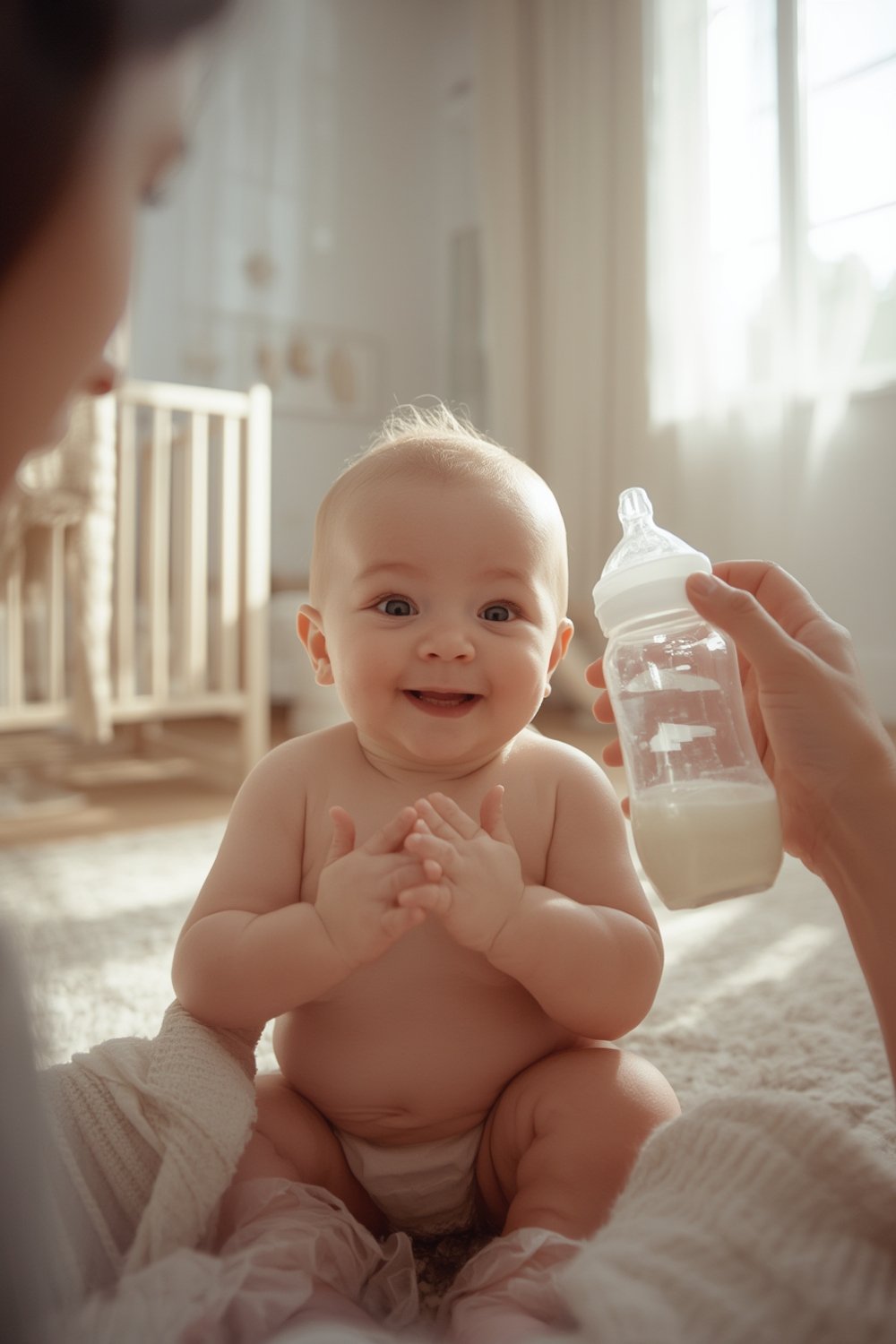
This careful delay isn’t just a technicality. Babies’ kidneys are immature and can’t balance fluid and sodium well—so too much water can cause dangerous imbalances leading to water intoxication. This is not rare; pediatricians routinely see cases caused by excess water or improperly mixed formula. The consequences can be severe and, rarely, fatal.
As your child reaches 6 months and shows interest in solid food, small sips of water (offered in a sippy or straw cup) can help with swallowing and cup skills, and support healthy tooth development—especially if your water source contains fluoride (see guidance).
Step-by-Step Guide: How and When to Offer Water
- Wait until 6 months (at minimum): Before this age, never give your baby water, not even in hot weather or if your baby has a fever. Hydration comes exclusively from breastmilk or formula.
- Begin with small sips: Once your baby is 6 months—and only after solids are well-established—start with 1-2 ounces per day of water in a sippy cup or straw cup, not a bottle. Observe your baby for readiness cues: sitting upright, interest in drinking, and handling a cup are good signals.
- Slowly increase as your baby grows: Over the next months, you can gradually increase the volume up to 4 ounces a day between 6-8 months and up to 8 ounces a day by 9-11 months. Always prioritize breastmilk or formula.
- Offer water with meals: Use water to help your baby learn to manage solids (especially dry or sticky foods) but avoid letting water interfere with milk feeds.
- Watch for signs of readiness and cup skills: Don’t force or pressure a baby to drink water—they should take small sips at their own pace.
- Check your water source: test well water for safety, and avoid distilled or sparkling water (no minerals and can cause gas).
- Respond to illness: If your baby is sick, monitor for dehydration (at least 4-6 wet diapers per day, alertness, tears when crying), and never give extra water to treat fever or illness without pediatrician input.
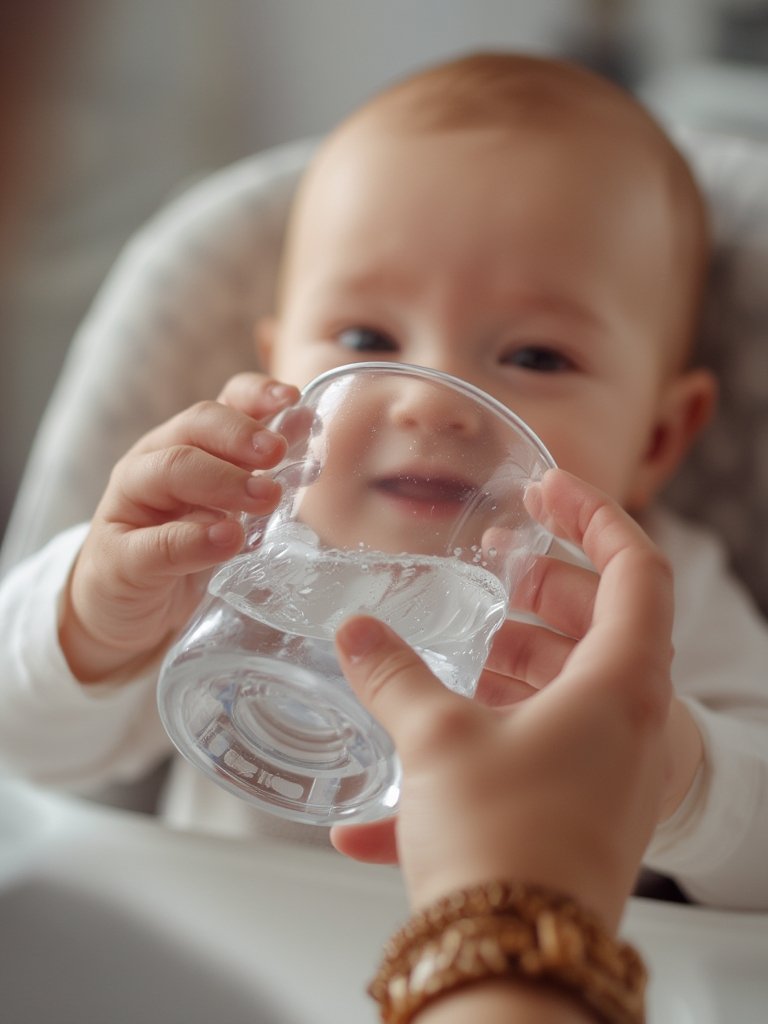
Looking for more ways to support healthy baby development? Check out our essential tips on baby milestones for actionable guidance at every stage.
Advanced Analysis & Common Pitfalls
Even well-meaning parents can fall into common traps when introducing water. Here’s a deeper look at the risks, hidden challenges, and how to sidestep them based on recent pediatric advice and parent reports.
- Too much water, too soon: The single most common mistake is offering water to babies under 6 months or exceeding the advised 4-8 oz/day after 6 months. Water intoxication can sneak up—babies show subtle signs like sleepiness and irritability that are easily missed until severe symptoms develop.
- Incorrect formula mixing: Adding extra water to stretch formula can dilute essential nutrients, slow growth, and result in dangerous hyponatremia (low sodium). Always follow manufacturer instructions to the letter and consult your pediatrician if in doubt. improperly mixed formula Get more on formula feeding safety here.
- Poor water quality: Tap water is generally safe in developed areas, but well water should be tested for contaminants. Avoid distilled water (no minerals) and never give carbonated water to infants (may cause bloating or gas).
- Dehydration confusion: Overcompensating by giving water during illness or in hot climates is unnecessary if your baby is having 4-6 wet diapers/day and is alert. baby thermometer instead of extra water.
- Misunderstanding “readiness” signs: Readiness to drink water is tied to overall milestone development around 6 months (not thirst cues or weather changes).
| Common Pitfall | What Can Happen | How to Avoid |
|---|---|---|
| Water before 6 months | Water intoxication, sodium imbalance, seizures | No water before 6 months, stick to breastmilk/formula |
| Over-diluted formula | Growth failure, nutrient deficiency, hospitalization | Follow explicit mixing instructions, use clean water |
| Unfiltered or contaminated water | Infection, exposure to toxins, mineral deficiencies | Test well water, use safe tap water, avoid distilled |
| Too much water with solids | Milk/formula intake drops, missed nutrients | Offer water only with meals, max 8 oz/day |
- Both breastfed and formula-fed babies follow the same water introduction timeline and limits (Solid Starts explains more).
- In hot climates, no additional water is needed; increase breastmilk or formula feeds if baby seems thirsty or during minor illness.
If you have concerns about baby hydration or nutrition, talk directly to your pediatrician or consult resources like our baby food preparation guide.
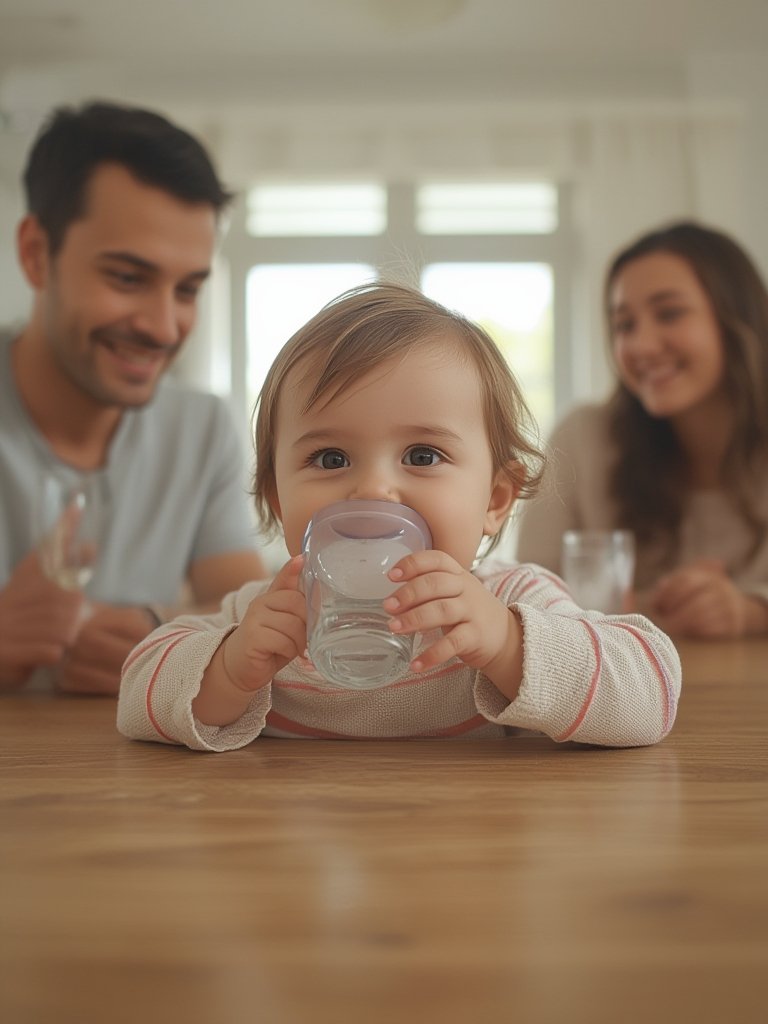
Want to boost your safe-sleep game as well? Don’t miss our proven safe sleep solutions for babies and toddlers for total peace of mind.
Conclusion
Safety always comes first when it comes to hydration. Following international guidance, when can babies drink water is not open to guesswork: wait until 6 months, introduce water gradually and in moderation only after starting solids, and always keep formula or breastmilk as the main drink until at least 12 months. The benefits? Stronger development, dramatically reduced risk of dangerous water intoxication, and better lifelong drinking habits. Ready for more actionable parenting tips? Browse our expert-led baby advice library or join our newsletter for weekly updates you can trust.
FAQ
Is it ever safe to give water to newborns?
No, it is never safe to give water to babies under 6 months, regardless of weather or illness. All hydration should come from breastmilk or properly mixed formula.
How much water can a 6-month-old baby have?
After starting solids at 6 months, you can offer 1-4 ounces of water daily at first, gradually increasing to a maximum of 8 ounces per day by 9-11 months—but always confirm with your pediatrician.
What are the warning signs of water intoxication in babies?
Early signs include unusual sleepiness, irritability, swelling in hands/feet, low body temperature, vomiting, and less frequent wet diapers. Severe cases can cause seizures or loss of consciousness. If you notice any of these, seek medical help immediately.
Can I use well water or bottled water for my baby’s formula?
Well water should be tested for contaminants before use. Avoid distilled water (no minerals) and consult your pediatrician. If using bottled water, choose options with added minerals and fluoride.
Do formula-fed and breastfed babies have different water needs?
No. Both formula-fed and breastfed babies should avoid water until 6 months, then follow the exact same gradual introduction schedule and safety guidelines.