


### Blog Post:
When to start solids is one of the most important and nerve-wracking feeding decisions for parents. Introducing solid foods too early or too late can raise real concerns about nutrition, safety, and healthy development. Here is exactly what the latest research and medical recommendations say, with practical, step-by-step advice and honest insight into the process.
Key Takeaways
- Most organizations recommend starting solids at around 6 months, based primarily on key developmental signs, not age alone.
- Choking hazards, allergy risks, and readiness signs are common pain points — understanding real evidence keeps your baby safe.
- Introducing single-ingredient foods and waiting between new foods helps parents spot and manage any allergic reactions.
- Understanding When to Start Solids: What and Why
- How to Start Solids Safely: Step-by-Step Guide
- Advanced Analysis & Common Pitfalls
- Conclusion
- Frequently Asked Questions
Understanding When to Start Solids: What and Why
Starting solids is a major developmental milestone that sets your child’s nutritional foundation. Current recommendations from the American Academy of Pediatrics, CDC, and World Health Organization have reached rare agreement: most babies benefit from starting solid foods at around 6 months, once they are developmentally ready. This timing ensures that babies’ diminishing iron and zinc stores can be replenished by nutrient-rich foods and they are physically able to handle new textures safely.

The “right” time isn’t just about age; it’s about your baby’s unique physical and behavioral readiness. Key readiness signs include sitting with some support, strong head and neck control, opening their mouth for food, and showing genuine interest at meal times. Recognizing these signs can feel overwhelming or confusing, especially with mixed advice from different sources.
Remember: Introducing solids too early (before 4 months) raises choking risks and may interfere with nutrient absorption. Starting too late (after 6-7 months) may lead to iron deficiency and feeding difficulties. Balancing developmental cues with trusted guidelines makes all the difference for your child’s health and your peace of mind.
How to Start Solids Safely: Step-by-Step Guide
Introducing your baby to solids works best when you break the process into clear, manageable steps. Here is a practical, research-backed approach any parent can follow—even if you’re feeling nervous or unsure:
-
Watch for All Readiness Signs: Before offering solids, confirm these signals:
- Sits upright with minimal support and holds head steady
- Shows interest in your food—leans forward or opens mouth when you eat
- No longer thrusts tongue out automatically (tongue thrust reflex has faded)
- Can transfer objects from hand to mouth
Tip: Not all babies show every sign at once. If in doubt, discuss readiness with your pediatrician.
- Pick a Starter Food: Offer easy-to-digest, single-ingredient purees like iron-fortified baby cereal (oat, brown rice), pureed vegetables, or fruit. If you want to make your own, a baby food maker streamlines prep and gives you peace of mind over ingredients.
- Offer a Tiny Amount on a spoon: Start with 1 or 2 teaspoons, once a day. Either right after a breast milk or formula feed or halfway between—experiment to find when your baby is most receptive.
- Wait and Watch: Introduce new foods one at a time, 3-5 days apart. This staggered approach helps identify allergic reactions (rash, diarrhea, vomiting) quickly and keeps track easy if your baby reacts poorly to a new food. For more support if allergies run in your family, review our baby allergy testing guide.
- Progress Textures Gradually: Once your baby handles purees without pushing them out, transition to thicker mashed foods, then small soft pieces, eventually offering safe finger foods between 8-10 months (source).
- Prioritize Food Safety: Always prepare foods to reduce choking hazards. Cut grapes and hot dogs into thin strips, cook or steam hard vegetables, and avoid unpasteurized honey and cow’s milk before age 1. Check out our practical safety tips on anti-colic bottle feeding and toddler sleep safety for a safer home setup overall.
- Focus on Enjoyment, Not Perfection: Not every attempt ends in a clean, happy meal. Most babies spit, make faces, swat at the spoon—this is normal learning.
- Keep Breastfeeding or Formula: Solid foods are complementary for the first year. Breast milk or formula continues as the main source of nutrition.
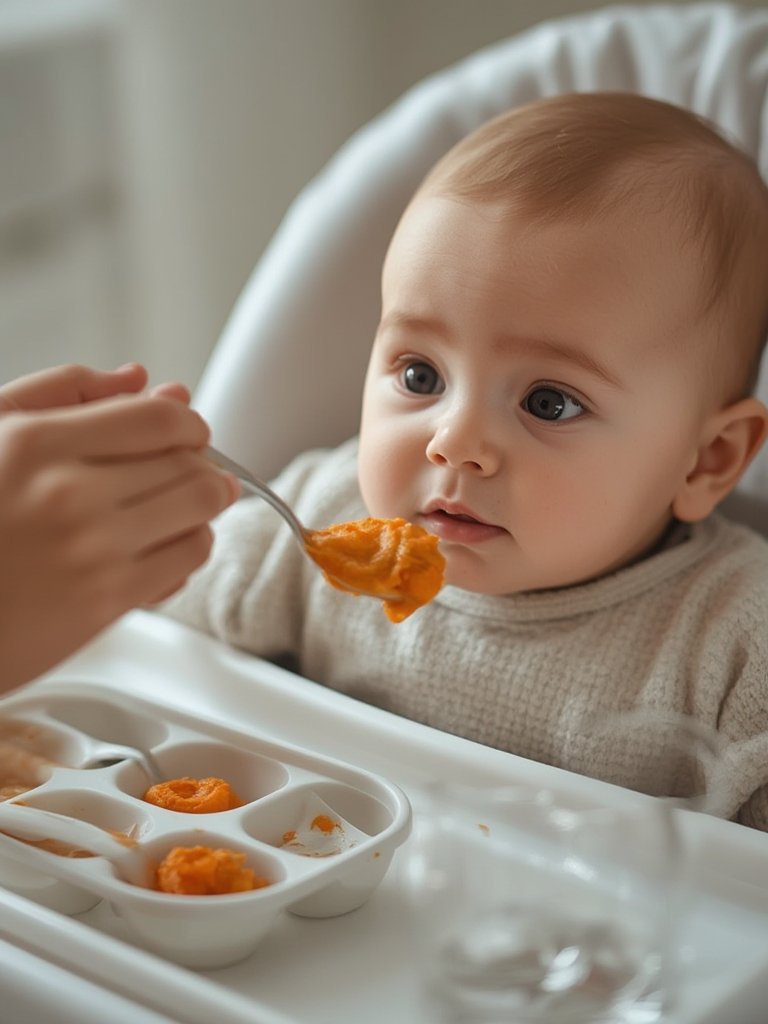
By following this stepwise framework, you can confidently introduce solids, minimize hazards, and enjoy the process as your baby learns to appreciate new tastes and textures. For more meal inspiration, see our organic baby meal guide.
Advanced Analysis & Common Pitfalls
Despite clear guidelines, parents and caregivers face common obstacles and mistakes when introducing solids. Here’s how to avoid the most frequent traps—based on current research and field experience.
| Pitfall | What Happens | How to Avoid |
|---|---|---|
| Starting solids based on age alone | Baby starts too early (before readiness gives choking risk) or too late (lower iron stores, increased feeding resistance) | Always confirm developmental readiness signs as described in the step-by-step guide |
| Misjudging choking risk | Whole grapes, hot dogs, raw carrots, or nuts can cause choking | Cut or mash foods appropriately; avoid all round, hard, or sticky foods (source) |
| Introducing allergenic foods without monitoring | Delayed detection of true allergies or mixed reactions | Use one new food at a time, space 3-5 days apart, and watch for symptoms (source) |
| Parental stress or “food battles” | Baby resists solids, meals become a power struggle | Keep mealtimes positive and low-pressure; trust your baby’s appetite and pace |
| Not varying tastes and textures | Baby develops feeding “picky-ness” or aversion to lumps and pieces later | Gradually broaden variety, incorporate new flavors and textures by 10 months |
Parents commonly misunderstand the difference between “developmental readiness” and simple age milestones. Some may rush to start at 4 months because of pressure or conflicting advice, though their baby cannot yet safely swallow solids. Others may delay beyond 7 months, risking iron deficiency or oral aversions. Allergies and choking remain widespread anxieties. Above all, conflicting online resources add confusion—so stick to evidence-based sources and trusted guides.
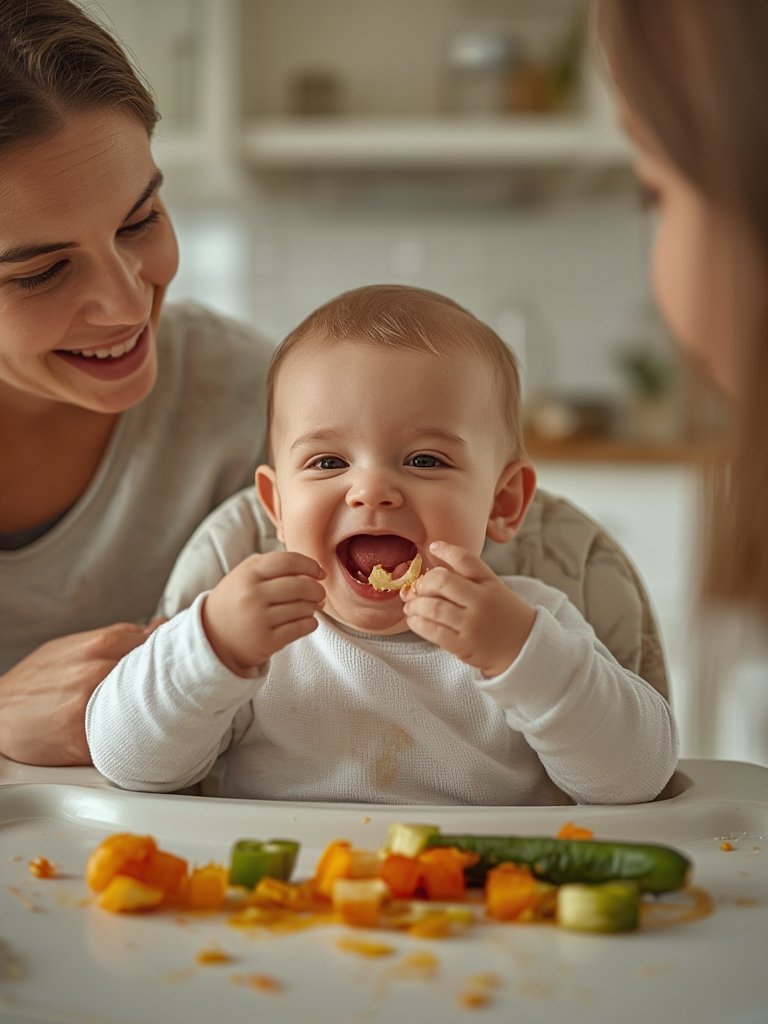
If you’re concerned about sleep, messy meals, or adjusting to new routines, our guides on baby sleep regression and how to make baby sleep through the night offer down-to-earth, practical help beyond just feeding strategies.
Conclusion
Every baby is unique, but the best answer to when to start solids rests on timely, development-based cues and a slow, careful approach—rather than pushing ahead by the calendar. Avoid choking risks, be alert for allergies, and create a joyful, low-pressure introduction to food. Ready to tackle other feeding challenges? Download our free feeding checklist, or check our in-depth resource on formula feeding schedules for infants transitioning to solids. Your confidence and calm are just as important as your child’s first bite.
Frequently Asked Questions
What age should I start solid foods for my baby?
Most major health organizations agree that solids should be introduced around 6 months, but only when your baby shows signs of readiness. Some babies may be ready as early as 4 months, but this is less common and should be done only under healthcare supervision.
How can I tell my baby is ready for solids?
Readiness signs include sitting up with support, good head and neck control, losing the tongue-thrust reflex, and showing interest in food.
What is the best first solid food to try?
Iron-fortified single-grain baby cereals, pureed vegetables, or fruit are all good choices. Start with single-ingredient foods and wait a few days before introducing another.
How do I introduce allergenic foods like peanuts or eggs?
Introduce one potentially allergenic food at a time, after less allergenic foods have been tolerated. Wait 3-5 days, watch for reactions, and consult your pediatrician with any concerns. Current guidance supports early, monitored introduction in most babies.
Should babies drink water when starting solids?
Before 6 months, babies do not need water. After starting solids, you can offer a few sips with meals but continue using breast milk or formula as their main beverage. Learn more in our complete water guide for babies.