

Is honey safe for babies? This is one of the most frequent and crucial nutrition questions new parents ask. While honey is often celebrated for its health benefits in older children and adults, introducing it to infants carries unique health risks—especially in the first year of life.
Key Takeaways
- Leading health organizations strongly advise against feeding honey to babies under 12 months due to the risk of infant botulism.
- Hidden sources of honey (like pacifiers or processed foods) and cultural customs contribute to accidental exposures, especially in certain communities.
- There are no safe sweetener alternatives recommended for infants under one year; natural options should be avoided, and focus should remain on breastmilk, formula, and age-appropriate solids.
- What Every Parent Needs to Know About Honey and Babies
- How to Keep Your Baby Safe: Steps and Best Practices
- Risks, Cultural Considerations, and What Most Parents Miss
- Conclusion
- FAQs
What Every Parent Needs to Know About Honey and Babies
Honey is unsafe for babies under 1 year because it can contain spores of Clostridium botulinum. These spores can germinate inside an infant’s immature digestive system, leading to infant botulism—a rare but potentially life-threatening illness. Unlike in older children or adults, infants under 12 months do not have the well-developed gut bacteria needed to prevent these spores from growing and producing dangerous toxins.
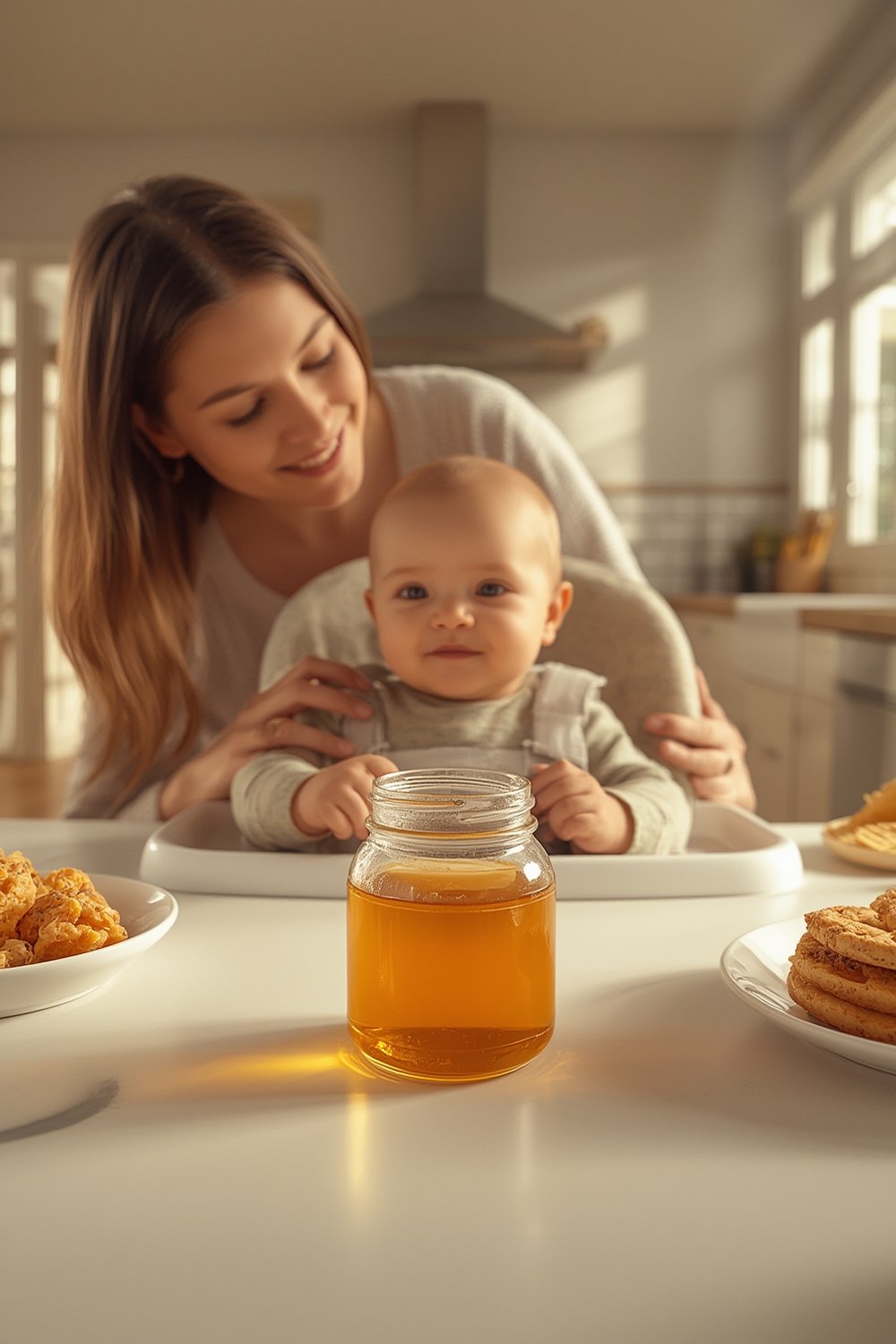
Globally, between 2007-2021, around 20% of all reported infant botulism cases were linked to honey (source). While many parents think a little honey is harmless or even beneficial, science is clear: it carries unique risks for infants that disappear after the first birthday. This advice comes from organizations worldwide, including the CDC, the American Academy of Pediatrics, and the World Health Organization (source).
Crucially, the biggest risk window is under 6 months, particularly the first 2 months (source). Risks are invisible—one taste or a “honey-coated pacifiers” can be enough to cause illness in a susceptible baby.
How to Keep Your Baby Safe: Steps and Best Practices
Preventing accidental honey exposure for infants is mostly about education, vigilance, and reading labels. Here’s how you can protect your baby in realistic, actionable steps.
- Never feed honey to babies under 12 months. This includes raw, pasteurized, organic, or Manuka honey. Age 1 is the scientifically validated threshold for safety, including in home-cooked meals, snacks, or teas (source).
- Watch out for hidden sources. Common “hidden” honey sources include:
- Honey-coated pacifiers (which can be sold in Latin or Asian markets and are common in some cultural traditions).
- Chamomile teas or herbal remedies given to infants.
- Homemade remedies from friends or relatives.
- Processed or imported baby foods. While US-made formula and cereals are generally honey-free by regulation, always check when buying international brands or local artisanal products.
- Medical-grade honey used on gums or wounds.
- Educate all caregivers. Babysitters, daycare staff, relatives, and especially grandparents should be made aware—one accidental slip can happen if someone is unaware of the risks.
- Do not use honey as a “natural” cough or sleep remedy. Rely instead on comfort measures recommended for infants, such as saline drops or a safe sleep environment (safe sleep tips). Visit this guide to baby development for age-appropriate milestones and care ideas.
- If in doubt, ask your pediatrician. No question is too small when it comes to food safety and your baby. Your provider can also offer guidance if your baby accidentally consumes honey.
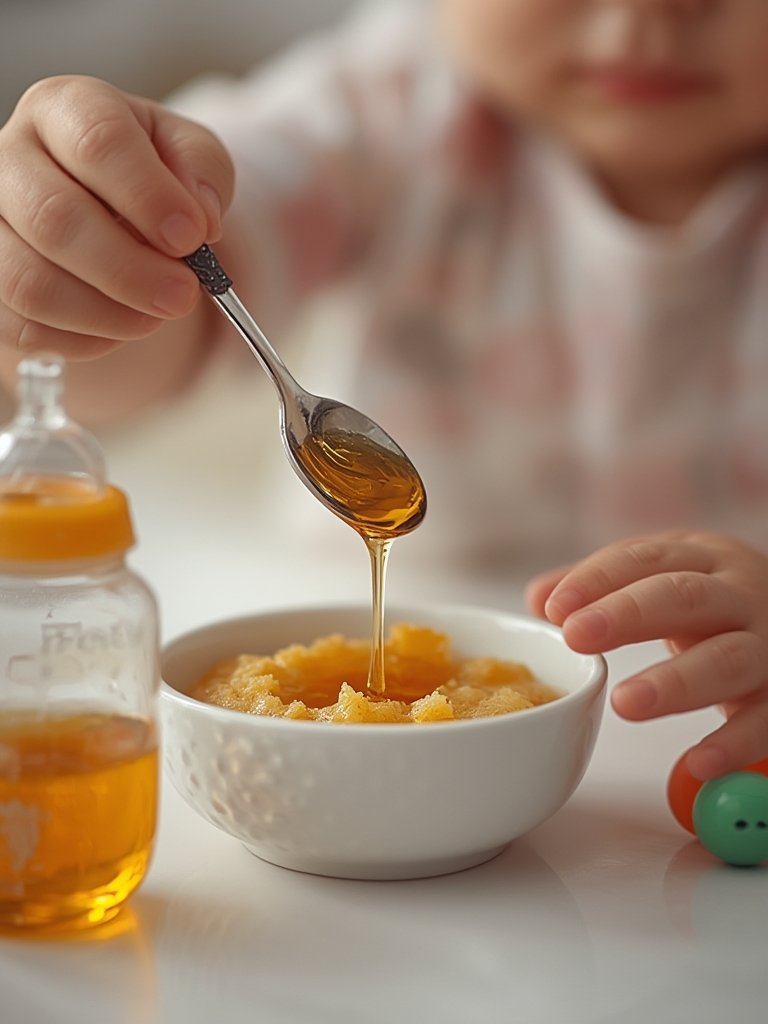
Wondering about “natural sweetener” alternatives? For babies under one year, the only safe choices are breastmilk or infant formula. Adding sweetness (even from fruit purees) is not needed at this age—focus on safe textures, flavors, and healthy feeding routines. To learn more about introducing solids safely, visit our solid food introduction guide and explore the baby-led weaning safe start article.
Risks, Cultural Considerations, and What Most Parents Miss
The science on honey and infants is clear, but real-life scenarios can be complicated. Here are the most critical pitfalls and cultural complexities revealed by current research:
- Misconceptions and accidental exposures: Nearly 80% of parents who used honey pacifiers were unaware of the risks. Pacifiers, herbal teas, and home remedies account for many accidental exposures—especially in communities with strong cultural traditions around honey or herbal medicine.
- Hidden sources are everywhere: Even if honey is avoided at home, babies can be inadvertently exposed via dust, soil, or processed foods. A 2025 formula outbreak linked 39 US infant botulism cases to contaminated powdered formula.
- Prevalence doesn’t always match soil spore rates: Scientists report that the global distribution of infant botulism doesn’t correlate to where C. botulinum spores are most common in soil. This means prevention must go beyond “country risk maps” and focus on universal safe feeding education.
| Aspect | Babies under 12 months | Babies over 12 months |
|---|---|---|
| Honey Safety | Unsafe (high botulism risk) | Safe (immune/digestive maturity) |
| Symptoms if exposed | Constipation, weak cry, poor feeding, hypotonia | Extremely low risk; no symptoms typically occur |
| Approved sweeteners | None; breastmilk/formula only | Small amounts of honey, other natural sweeteners acceptable |
| International guidelines | No honey, world-wide | Permitted unless medical contraindications |
Recovery, if infant botulism occurs, is often long and may require specialized care. Recent data shows that the average US hospital stay is 12 days, and international cases average 27 days (source). While modern treatment with BabyBIG (immune globulin) is very effective and there have been no deaths in recent years in the US, up to 50% of international cases require intubation and intensive care.
Even accidental exposure by a loving grandparent or a mislabeled snack can have serious consequences. Education for every caregiver is key, especially in multicultural or multilingual families where advice or folk remedies may be shared across generations.
If you are concerned your baby was exposed, look for symptoms like constipation, a weak cry, muscle weakness, or feeding problems—act quickly and seek immediate medical attention. For more on baby constipation and feeding tools, see our guide to anti-colic bottles and baby food maker essentials.
Conclusion
The bottom line: honey should never be given to babies under 12 months. The risks of infant botulism are real, but with basic precautions and caregiver education, they are almost entirely preventable. There are no recommended alternative sweeteners for this age group—focus on breastmilk, formula, and safe introduction of solids instead. Remember, these practices will support healthy development and give you peace of mind for your baby’s first year. If anyone asks, “Is honey safe for babies?”, you’ll have the clear, evidence-based answer—no, not until after their first birthday.
If you found this guide helpful, share it with your parenting groups or caregivers—and check our baby sleep schedule resources for more expert tips on safe and healthy baby routines!
FAQs
Can a tiny amount of honey harm a baby?
Yes. Even a small taste of honey can introduce botulinum spores into a baby’s digestive tract, placing them at risk for infant botulism. Babies’ immature gut flora can’t stop these spores from growing.
What should I do if my baby accidentally ate honey?
Monitor closely for symptoms such as constipation, poor feeding, a weak suck, or muscle weakness. Seek immediate medical attention if any symptoms appear or if you are concerned.
Are honey-sweetened pacifiers or herbal teas safe?
No. Both can be sources of hidden honey exposure. These products should not be given to babies under 12 months under any circumstances.
Is pasteurized, local, or organic honey safer for infants?
No. All types of honey—raw, pasteurized, local, organic, and Manuka—have the same risks for babies under 1. Avoid all types completely until after your child’s first birthday.
What about honey in processed foods?
In most countries, commercially produced infant food is required to be honey-free. Always check labels. Avoid introducing baked goods, cereals, or snacks sweetened with honey until after 12 months.