

### Blog Post:
Rash on baby face is one of the most common concerns parents encounter in a child’s first year. Not every rash is serious, but knowing the difference between harmless baby skin changes and medical emergencies matters for your child’s health. Here’s exactly what you need to know—from top causes and home remedies, to warning signs you can’t ignore.
Key Takeaways
- Most baby facial rashes are harmless and clear on their own, but some require medical care.
- Trigger factors include heat, drool, eczema, and newborn skin changes—knowing the cause guides your response.
- Watch for severe, widespread, or infected rashes, and seek help if the rash is joined by fever or lethargy.
- What Causes a Rash on Baby Face?
- Step-by-Step Guide to Managing Baby Face Rash
- Advanced Analysis and Common Pitfalls
- Conclusion
- FAQ
What Causes a Rash on Baby Face?
A rash on baby face can have many causes. For most newborns, it is a normal response to skin maturing or environmental factors. In some cases, rashes signal irritation, allergy, or infection.
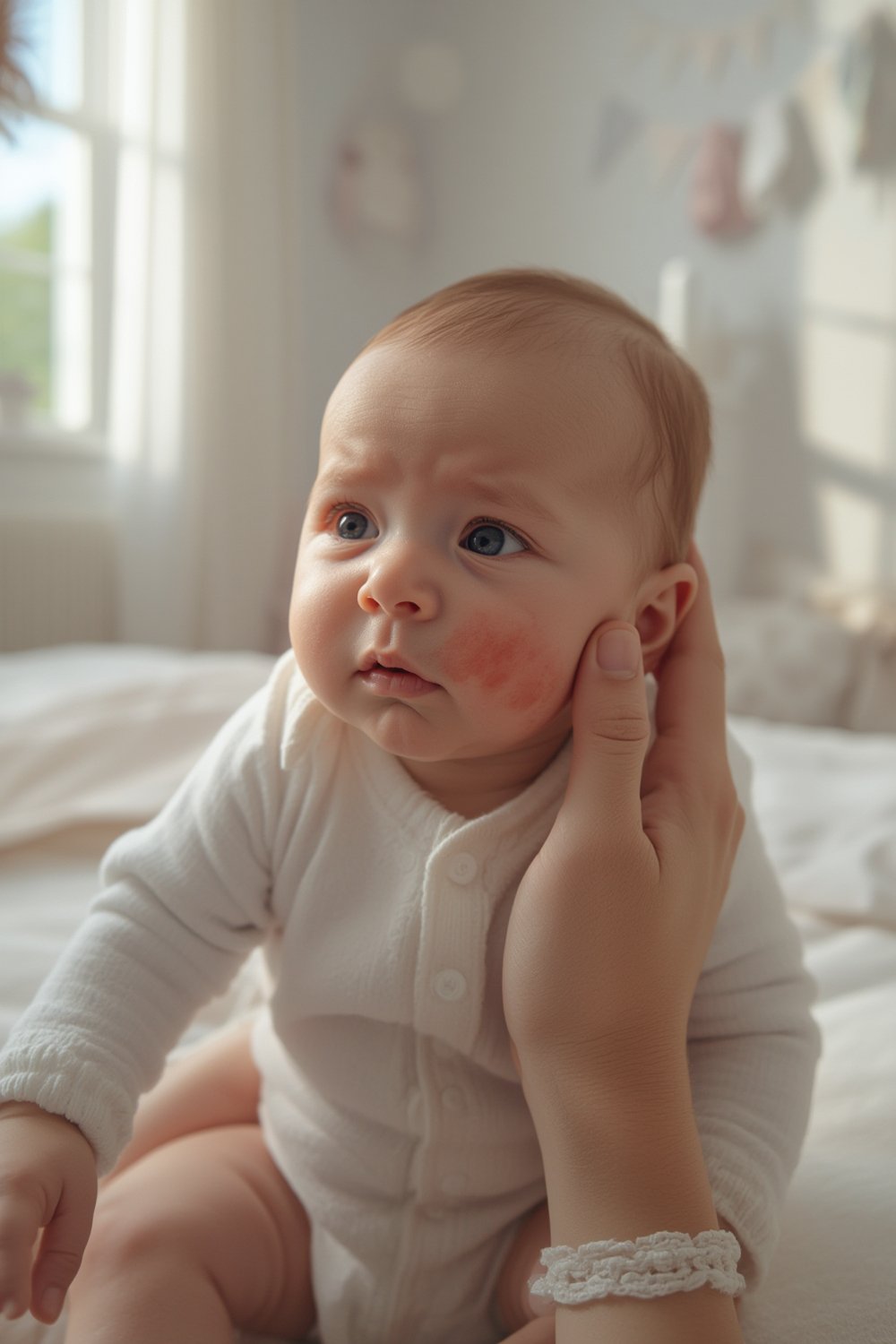
Here are the most common culprits, with prevalence rates based on Seattle Children’s Hospital and Medical News Today:
- Erythema toxicum neonatorum: Up to 50 percent of newborns will have this within the first week of life. Appears as tiny red spots—usually harmless and temporary.
- Milia: 40 percent get these small white bumps, commonly on cheeks or nose, due to blocked skin pores.
- Baby acne: About 30 percent of babies may develop acne-like red pimples or whiteheads, peaking around weeks 2-4. The cause is hormonal changes from birth.
- Heat rash (prickly heat): Rashes can appear when a baby overheats or sweats, often as tiny red dots anywhere sweat collects.
- Eczema: Characterized by dry, itchy, red patches, more common with family history of allergies. May flare with cold, dry air or stress.
- Cradle cap/seborrheic dermatitis: Greasy, yellowish, scaly sections around hairline or eyebrows. When on the face, it may look like thick flaky skin.
- Drool/irritation rash: Wet skin from drooling or milk often causes redness around the mouth or chin.
- Viral rashes (like fifth disease): Flat, red patches with other symptoms, sometimes serious in children with immune problems.
Most rashes are temporary, but some signal infection or allergies. If in doubt, consult your pediatrician.
Step-by-Step Guide to Managing Baby Face Rash
Simple steps at home can often improve your baby’s skin quickly. Here’s how to safely handle most rashes and when to act fast:
- 1. Identify and avoid triggers: Note if the rash is near a pacifier, after new foods, or in hot weather. For heat rash, dress your baby in breathable layers and monitor room temperature. (safe sleep sack tips can prevent overheating overnight.)
- 2. Gently cleanse the area: Use lukewarm water and a soft cloth. Avoid harsh soaps, wipes with alcohol, or scrubbing, especially with eczema-prone babies. (organic baby skincare options may reduce irritation.)
- 3. Moisturize as needed: For dry, flaky rashes or eczema, choose thick, fragrance-free moisturizers or ointments after cleansing. Ointments are better than lotions for locking in moisture. You can check for gentle creams and tips in this baby eczema treatment guide.
- 4. Limit exposure to known irritants: Switch to a mild, fragrance-free laundry detergent (hypoallergenic detergent tips), and avoid fabric softeners.
- 5. Spot-treat problem rashes: If drool causes chin or cheek redness, blot gently after feeds and apply a protective barrier. If cradle cap is present, soften flakes with mineral oil for a few minutes and gently wash. For persistent eczema, allergy, or infection, talk to your pediatrician before using medicated creams.
- 6. Monitor for worsening symptoms: Watch for spreading, blistering, swelling, drainage, or fever (see red flags below).
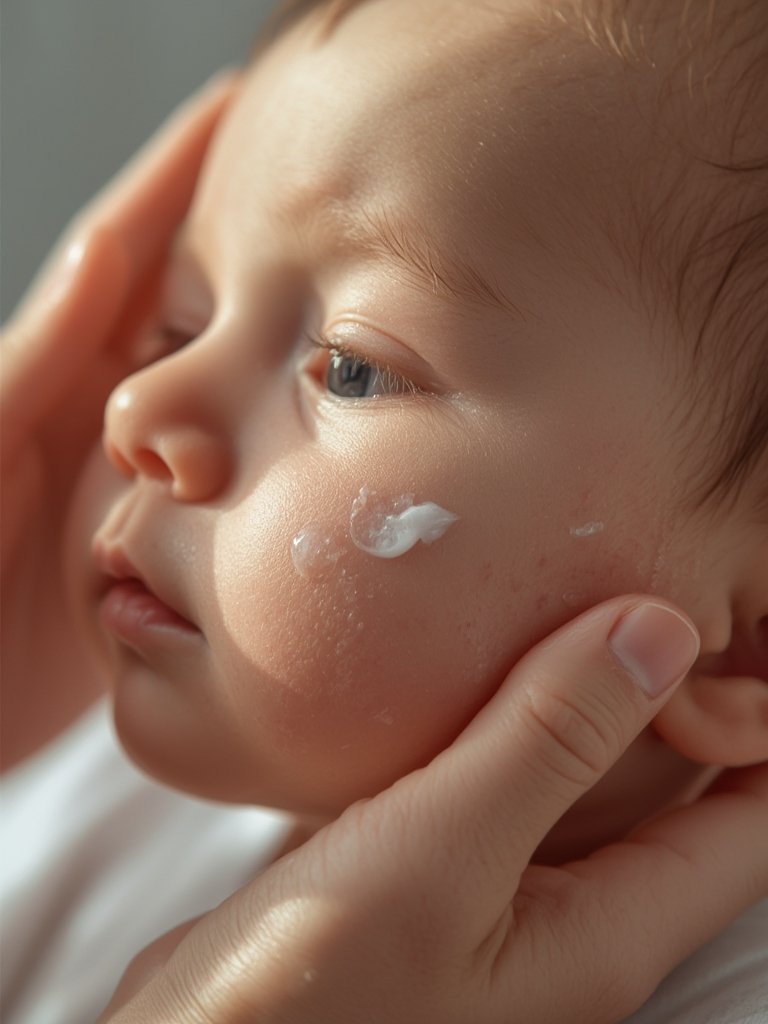
Special note: For babies experiencing sleep disruptions due to itch, review safe sleep practices or try a white noise machine to help rest during healing.
Most minor rashes respond within a week with these practices. If not—read on for next steps.
Advanced Analysis and Common Pitfalls
Parents may misdiagnose or overtreat rashes, causing skin breakdown or unnecessary stress. Here’s what to realistically expect—and avoid—based on current data and major pediatric sources such as Mayo Clinic, Medical News Today, and Seattle Children’s:
| Pitfall | Why It’s a Problem | How to Avoid |
|---|---|---|
| Overusing creams/ointments | Too much can clog pores, especially with baby acne or milia. | Use thin layers and monitor skin changes. |
| Using adult products or medicated creams without guidance | Steroids, antifungal, or acne products may harm delicate baby skin. | Always consult your doctor before trying new treatments. |
| Ignoring warning signs | A rash that spreads fast, blisters, bleeds, or comes with fever may be an emergency. | Seek care if you see these symptoms, especially in a newborn. |
| Excessive washing or scrubbing | This damages the barrier and dries out skin, making eczema and irritation worse. | Gently cleanse no more than once or twice a day. |
| Delaying medical advice for infected or severe rashes | Serious infections (staph, strep) can worsen quickly and may require antibiotics. | If skin oozes pus, turns purple, or your baby is lethargic, call a doctor promptly. |
- The reality: many “miracle” home cures do little, and some viral social media tips (like applying breast milk for acne or coconut oil for eczema) aren’t always supported by research. Stick to what’s proven or physician-recommended.
- Be wary of natural or organic products that contain essential oils or botanicals—these can still trigger reactions in sensitive babies.
- Rely on reputable resources for developmental context, such as this milestone guide or the baby growth tracker.
Conclusion
Most baby face rashes are mild, temporary, and treatable at home—but some require close watch. Always use gentle, fragrance-free products and keep an eye out for severe symptoms. If you are unsure about a rash on baby face, or if it gets worse or spreads, contact your pediatrician without delay. Take action early and check guides like our eczema treatment resource for targeted care. For more practical tips on child health and parenting, subscribe to our updates or browse our related articles today!
FAQ
When should I see a doctor about my baby’s face rash?
If the rash is severe, spreading, blistering, oozes pus, or comes with fever, trouble breathing, or lethargy, seek medical care right away. Also, call your doctor if the rash doesn’t improve after a week of home care or if you’re unsure about its cause. More on warning signs.
What’s the difference between baby acne, eczema, and heat rash?
Baby acne are small red or white pimples, usually at 2-4 weeks old, clearing in a month or two. Eczema causes dry, itchy red patches and often recurs. Heat rash features tiny red dots in body folds or in hot weather. Learn more.
Are natural skin care products safe for my baby’s face?
Most “natural” products are safe, but watch for essential oils, botanicals, or heavy fragrances—all can irritate sensitive skin. Look for products tested for infants or check our organic baby skincare guide.
Can baby rashes spread to other children?
Most newborn rashes are not contagious. Exceptions include viral rashes like fifth disease or chickenpox, which can spread. Always practice good hygiene and ask your pediatrician if your child needs to avoid daycare or group settings.
Do rashes cause sleep problems for babies?
Severe itching or discomfort from rash may disrupt sleep. Use gentle moisturizers before bedtime and create a cool, comfortable sleep environment. For more on infant sleep, see our sleep training guide.
—