

### Blog Post:
Teething symptoms catch nearly every parent off guard, introducing new fussiness, strange behaviors, and plenty of drool. If you’re wondering how to spot true teething in your baby and what steps to take next, you’re in the right place. This guide unpacks the facts, busts myths, and focuses on practical, research-backed approaches you can use at home.
Key Takeaways
- About 80% of infants worldwide experience teething symptoms, but what actually counts as teething is often misunderstood.
- Symptoms like fever, diarrhea, and sleep issues are frequently mistaken for teething with little clinical proof—they may signal something else.
- Simple, safe home strategies (like chilled teethers and comfort routines) usually work better than remedies with unproven claims.
- Understanding Teething Symptoms in Infants
- How to Relieve Teething Symptoms at Home: Step by Step
- Advanced Analysis and Common Pitfalls with Teething Symptoms
- Conclusion
- Frequently Asked Questions
Understanding Teething Symptoms in Infants
Teething marks the process where your baby’s teeth break through the gums, most often starting between 4 and 7 months. It’s one of the biggest milestones, but few parents realize how varied and confusing its signs can be—especially since different cultures and even health professionals often disagree about what counts as a teething symptom.

According to recent studies, about 80% of infants experience some sort of teething symptom by 3 years old. However, the most commonly reported symptoms might surprise you:
- Increased biting: 65.9% of infants show this behavior.
- Irritability or fussiness: 60.7% report general irritability during teething phases.
- Desire to bite or chew: 66.5%, often linked with finger sucking and putting objects in the mouth.
- Fever: 84.1% of mothers report this, yet evidence directly linking fever to teething remains weak.
- Poor feeding: 65.3%, typically because sucking movements put pressure on sore gums.
- Sleep disturbance and drooling: 60.2% each.
- Gum irritation/swelling: 54.2% and 42.6%, respectively.
Teething problems peak around 9 months of age (67.1%) and become less common afterward. The eruption of incisors is most often linked to symptoms, with 72.5% experiencing problems at this stage. Other teeth trigger fewer symptoms: canines (39.4%), first molars (36.9%), second molars (24.9%) (see the full study).
Socioeconomic factors matter, too. Research shows that a mother’s education and job can influence how symptoms are reported and managed (source).
It’s important to recognize that many things blamed on teething—like high fevers or diarrhea—might have another cause. Always watch for signs of a real illness. If you’re choosing other baby essentials, check out our baby skincare safety tips for more on keeping your baby comfortable.
How to Relieve Teething Symptoms at Home: Step by Step
Most teething discomfort resolves on its own, but you can help minimize your baby’s distress with these practical steps.
- Identify the real teething symptoms: Look for increased biting, drooling, and mild irritability around the typical 4-12 month window. High fever, severe diarrhea, vomiting, or rashes are not classic teething signs—consult your pediatrician for these.
- Offer safe items for chewing: Chilled silicone teething rings are ideal. Avoid toys that crack, tear, or have small parts. To see what’s best, read our picks in baby developmental milestones tips.
- Keep the area dry and clean: Frequent drooling can cause rashes or skin irritation. Gently wipe your baby’s chin and use an absorbent bib. Apply fragrance-free emollient if skin becomes red (see our baby eczema treatment guide).
- Try gum massage: Wash your hands and use a clean finger to gently massage your baby’s gums in small circles.
- Use pain relievers cautiously: If needed, consult your pediatrician before offering infant paracetamol (acetaminophen). Ibuprofen may be used for older babies as directed—never use aspirin. Avoid over-the-counter teething gels unless specifically advised by your doctor (why teething gels should be used with care).
- Maintain feeding routines: Some babies refuse to nurse or take bottles due to gum pain. Try feeding when your baby is calm, and experiment with teat sizes if bottle feeding.
- Keep up the bedtime routine: Consistent sleep routines help, even during difficult teething phases. For extra support, see our actionable tips in baby sleep regression.
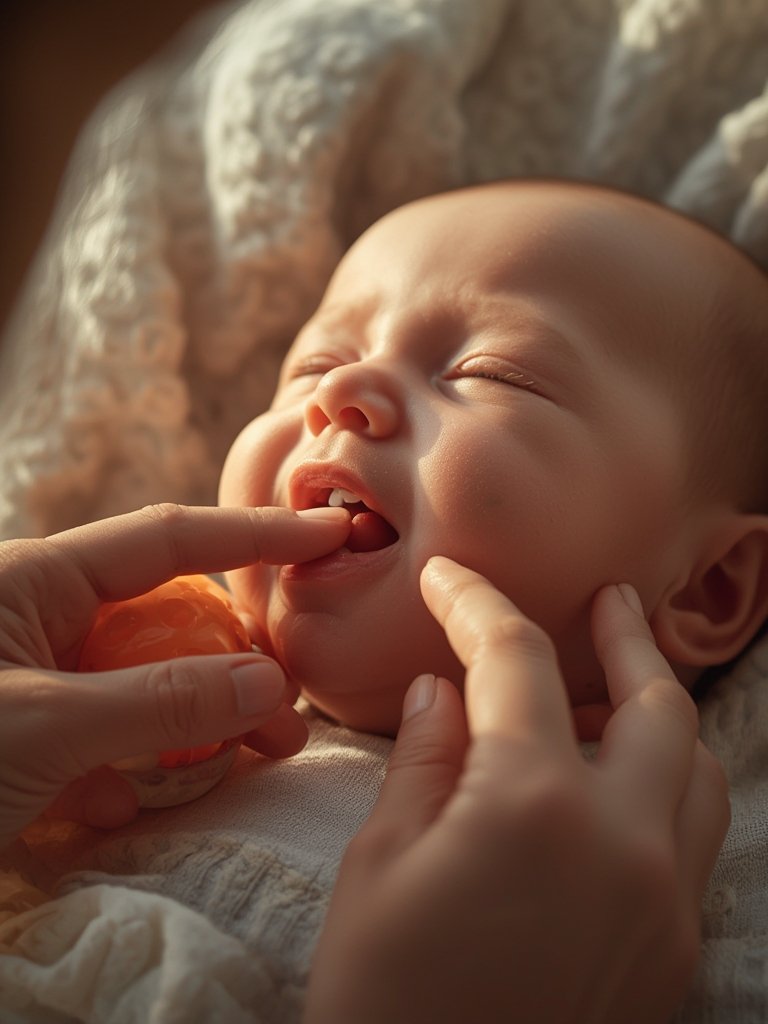
Always avoid old-fashioned remedies like tying a teething ring around a baby’s neck (choking hazard) or using benzocaine/ lidocaine gels (can cause serious health problems). Homeopathic teething powders and amber necklaces are not supported by research and pose safety risks.
If you’re exploring more about feeding, check our post on when to start solids for a smooth transition during the teething window.
Advanced Analysis and Common Pitfalls with Teething Symptoms
Teething is often blamed for a wide range of symptoms, but it’s easy to fall into common traps that can delay medical care or lead to unnecessary worry.
| Symptom | Often Misattributed to Teething? | Should You Worry? |
|---|---|---|
| Mild drooling, biting, irritability | Yes—common and usually harmless | No—monitor, offer comfort |
| High fever (>101°F/38.5°C) | Yes—over 80% of caregivers think so | Yes—teething rarely causes real fever; contact your doctor |
| Severe diarrhea or vomiting | Often attributed to teething | Yes—seek care for dehydration risk |
| Rash on face or body | Sometimes blamed on drool | Mild drool rash is no concern, but a widespread rash should be checked (skin rash advice) |
| Ear-pulling or rubbing | Yes—can mimic ear infection | Persistent or if paired with fever/pain, see a doctor |
| Loss of appetite | Linked to teething | Brief periods are normal, but ongoing refusal to eat needs assessment |
Studies confirm that parents frequently blame teething for serious symptoms, yet clinical evidence does not support this link (see full analysis). Teething has no reliable, unique signs that distinguish it from infections or other illnesses (external source). When in doubt about the origin of a symptom, always reach for professional advice.
Mismanaging teething by using unsafe remedies, ignoring serious symptoms, or delaying medical care can increase risk. Always prioritize medical advice for anything that doesn’t improve in 24–48 hours or if your child seems seriously unwell.
For broader guidance on child safety, see our full post on toddler bed safety and safe sleep.

Conclusion
Teething symptoms are a normal, if sometimes stressful, part of infancy. Recognizing what’s truly related to teething—and what’s not—can help parents offer comfort without unnecessary worry. Follow safe, evidence-based steps for relief, stay alert for illness, and always trust your parental instincts.
Want more guidance beyond teething? Explore our baby milestones guide or check the signs to watch for crawling. Stay up to date on all things baby and parenting with our trusted resources.
If you need personalized help or suspect something more than just teething symptoms, contact your pediatrician right away. Your peace of mind—and your baby’s health—matter most.
Frequently Asked Questions
How long do teething symptoms last for most babies?
Teething symptoms can last anywhere from a few days to a few weeks for each individual tooth. Most symptoms peak during new tooth eruption and ease once the tooth breaks through the gum.
Is it normal for babies to get a high fever while teething?
No, high fevers (>101°F/38.5°C) are rarely caused by teething. If your baby has a high fever, look for other causes and contact your pediatrician, as it could signal an infection.
What are the safest teething remedies?
Safest remedies include chilled silicone teething rings (never frozen), cold wet washcloths, gum massage with clean fingers, and extra cuddles. Avoid medicated gels, herbal powders, or amber necklaces.
What if my baby refuses to eat or drink during teething?
Mild refusal is normal with sore gums, but persistent poor feeding or dehydration needs medical attention. Try softer foods and feed when your baby is happiest.
How can I tell the difference between teething and illness?
Classic teething involves mild irritability, drooling, and increased biting. High fever, rash, vomiting, severe diarrhea, or lethargy point to illness, not teething, and require a doctor’s evaluation.
—