

### Blog Post:
Choking hazards for babies are one of the most urgent child safety issues parents face, yet myths, outdated advice, and overlooked risks leave many families exposed to preventable emergencies. This guide delivers what top-ranking articles miss: research-backed facts, true risk analysis, and proven strategies to protect infants and toddlers from choking—at home, during meals, and on the go.
Key Takeaways
- Choking is a leading cause of injury and fatality in children under five—food and small objects are the biggest threats.
- Prevention relies on food prep, vigilant supervision, safe toy choices, and knowing up-to-date first aid procedures.
- Many guides overlook advanced rescue tips, success rates for rescue maneuvers, and new anti-choking devices backed by recent studies.
- Understanding Choking Hazards for Babies: What and Why
- Step-by-Step Guide: Preventing and Responding to Choking Hazards in Babies
- Advanced Analysis & Common Pitfalls: What Parents Get Wrong
- Conclusion
- FAQ
Understanding Choking Hazards for Babies: What and Why
Choking is the accidental blockage of the airway, often caused when food, toys, or small objects become lodged in a baby’s windpipe. For infants and toddlers, the risk is extremely high due to underdeveloped chewing, curiosity, tiny airways, and the innate tendency to put things in their mouths. Recent data shows that:
- Global deaths from foreign body aspiration (FBA) reached over 103,000 in 2021, with more than 24,000 in children under five (source).
- In developed countries, FBA claims 300 to 600 young lives each year—double in lower-income regions (source).
- Foods are the top cause, but small toy parts and household items make up a significant share of incidents (source).
Recognizing, preventing, and rapidly responding to choking is a critical part of parenting, just like baby-proofing the home or choosing a safe baby feeding chair.
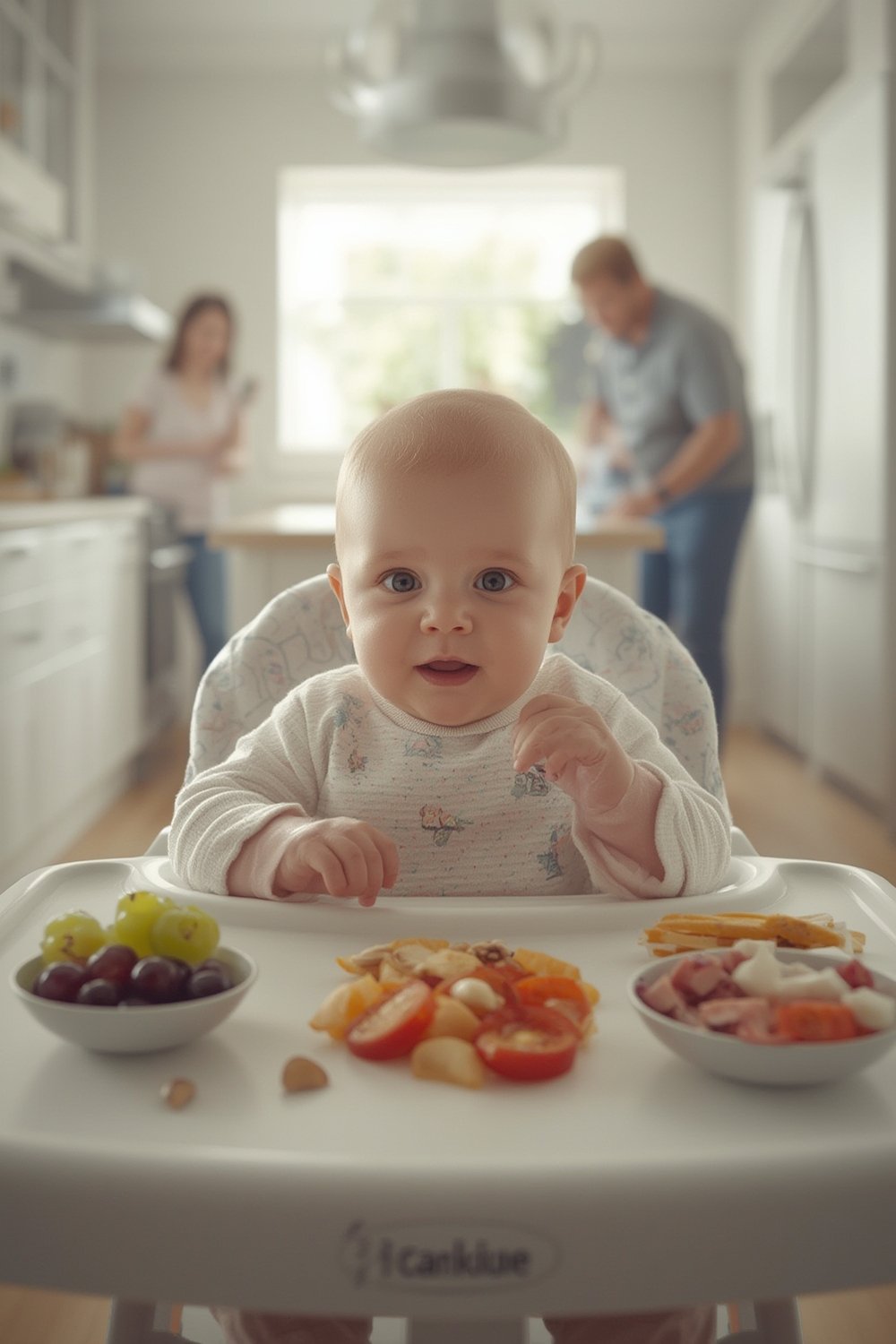
Step-by-Step Guide: Preventing and Responding to Choking Hazards in Babies
For babies, every snack and play session is a potential risk zone. Here’s a streamlined guide to minimizing choking hazards at home, during meals, and when out and about.
- Choose Age-Appropriate Foods: For infants starting solids, stick to purees and mashed foods. Avoid round, hard, or sticky items such as whole grapes, nuts, popcorn, hot dog slices, and marshmallows. Cut foods into pieces no wider than a pencil (about 1/2 inch) and always supervise eating. For more feeding tips, visit our baby-led weaning guide.
- Keep Small Objects Out of Reach: Interpret “choking hazard” as anything that can fit inside a toilet paper tube. Batteries, coins, buttons, and beads are among the most dangerous. Invest in safety gates and boxes for secure toy storage (toy storage guide).
- Select Safe Toys: Avoid toys with removable small parts, cords, or loose stuffing for babies under three. Stay updated with safe toy recommendations—recalls are common for choking hazards.
- Supervise At All Times: Seat babies upright for meals and snacks, never let them eat or chew while crawling or in a moving car. Distractions during mealtime significantly increase choking risk.
- Learn and Practice Infant Choking Rescue: Don’t wait for an emergency. Take a certified pediatric first aid course and familiarize yourself with the latest rescue guidelines. Some techniques like back blows (success rate: 10.4%) are less effective than suction or abdominal thrusts (source). Consider new devices such as airway clearance devices, but seek instruction before use.

- Create a Baby-Safe Eating Environment: Choose a stable, safe baby feeding chair and keep all meals distraction-free. Avoid letting babies eat in strollers, car seats, or while walking—this simple shift dramatically reduces risk.
- Update Emergency Plans: Store emergency numbers in your phone, and keep a basic baby first aid kit on hand at all times.
- Pass On Critical Knowledge: Make sure all babysitters, daycare staff, and visiting family know your safety rules and basic infant first aid.
For comprehensive childproofing and food transition tips see how to baby proof home and our guide on starting solids.
Advanced Analysis & Common Pitfalls: What Parents Get Wrong
Despite increased awareness, certain missteps continue to put babies at risk. Updated research spotlights not just “what to do,” but what NOT to do or assume:
| Common Mistake | What Actually Works | Hidden Downside |
|---|---|---|
| Relying on Outdated Rescue Methods | Back blows have low success (10.4%). New airway clearance devices may offer better results in some cases (study here). | Trying unproven devices without training may cause harm or waste precious time. |
| Overlooking the Danger of Household Items | Check every room (and car) for batteries, coins, jewelry, and small caps/stoppers daily. | Many cases happen outside mealtimes or during play, not just at the table. |
| Assuming “Age 3+” Toys are Always Safe | Even “safe” toys may lose pieces over time—inspect toys regularly for wear and damage (see age-appropriate toy tips). | Product recalls commonly cite choking risks from broken or loose parts. |
| Not Practicing Response Scenarios | Role-play choking incidents with all caregivers before real emergencies. | Only 1 in 10 bystanders actually uses correct rescue actions once an incident happens. |
| Believing “Awareness” Alone Prevents Choking | Hands-on training, clear rules, and supervision—not just awareness—lower risk. Continued community education is still needed (source). | Global choking rates are rising in some areas despite “awareness” campaigns. |
Further, advanced advice missing from most online guides includes:
- Success rates and complications for different rescue maneuvers (airway swelling reported in 5% of delayed removals).
- That most first aid training relies on low-quality case reports, and updated research is still needed for gold-standard guidelines.
- CPR and anti-choking protocols are periodically revised—stay current on recommendations from the AHA and local health authorities (AHA update).

Conclusion
Choking hazards for babies present real and persistent risks, but most accidents are preventable through science-based action. Use age-appropriate food preparation, supervise meals and play, choose safe toys, and empower everyone around your child with practical rescue training. Stay informed, practice your response—and don’t hesitate to update your home safety setup as your baby grows.
Ready to make your home safer? Start your checklist today and explore our favorite toy storage solutions or our up-to-date baby first aid kit guide.
FAQ
What are the most common choking hazards for babies?
Foods like grapes, hot dog slices, raw vegetables, nuts, popcorn, and sticky candies are leading hazards. In addition, small parts, coins, batteries, and button-sized objects are equally dangerous for infants and toddlers.
What size object is a choking hazard for babies?
Anything that fits inside a toilet paper tube (about 1.25 inches or 3 centimeters wide) is considered a choking threat for infants and toddlers.
How can I tell if my baby is choking?
Look for inability to cry, breathe, cough forcefully, or skin/lips turning blue. Silent choking is most dangerous—call emergency services and begin infant first aid immediately.
What is the best way to respond if my baby is choking?
Call for help, deliver five firm back blows between the shoulder blades while the baby is facedown, then five chest thrusts. If the object is not cleared, repeat and follow current AHA or local pediatric CPR guidelines.
Can anti-choking devices help?
Some new devices have shown promise in studies, but seek hands-on professional training before use, and always prioritize proven manual rescue techniques first.