

Non-toxic baby bottles amazon is a search every safety-conscious parent types in when trying to protect their child from harmful chemicals. Shopping for Silicone and glass baby bottles can be overwhelming, especially on Amazon, where options range from glass to silicone to BPA-free plastic. This guide cuts through the clutter—here’s what you really need to know.
Key Takeaways
- Silicone and glass baby bottles dominate Amazon’s non-toxic market, offering higher durability and safety than traditional plastic.
- Look for independent certifications and check for real-world longevity or possible leaks—product descriptions and reviews often lack this info.
- Pricing on Amazon varies: silicone bottles cost $10–$18, glass around $5, and premium non-toxic options are increasingly popular among parents.
- Understanding Non-Toxic Baby Bottles on Amazon
- Step-by-Step Guide: How to Choose Safe Bottles on Amazon
- Advanced Analysis & Common Pitfalls
- Conclusion
- FAQ
Understanding Non-Toxic Baby Bottles on Amazon
Choosing a non-toxic baby bottle on Amazon is about minimizing your baby’s exposure to potentially harmful chemicals like BPA, phthalates, or lead. Non-toxic options are mainly glass, silicone, or certified BPA-free plastic. Growing concerns about microplastics and chemical leaching—especially when bottles are heated or sterilized repeatedly—fuel this trend. Glass is inherently non-toxic and durable. Silicone is flexible and often easy to clean, while premium BPA-free plastic provides a lighter, shatterproof option, but remains less trusted among some parents.
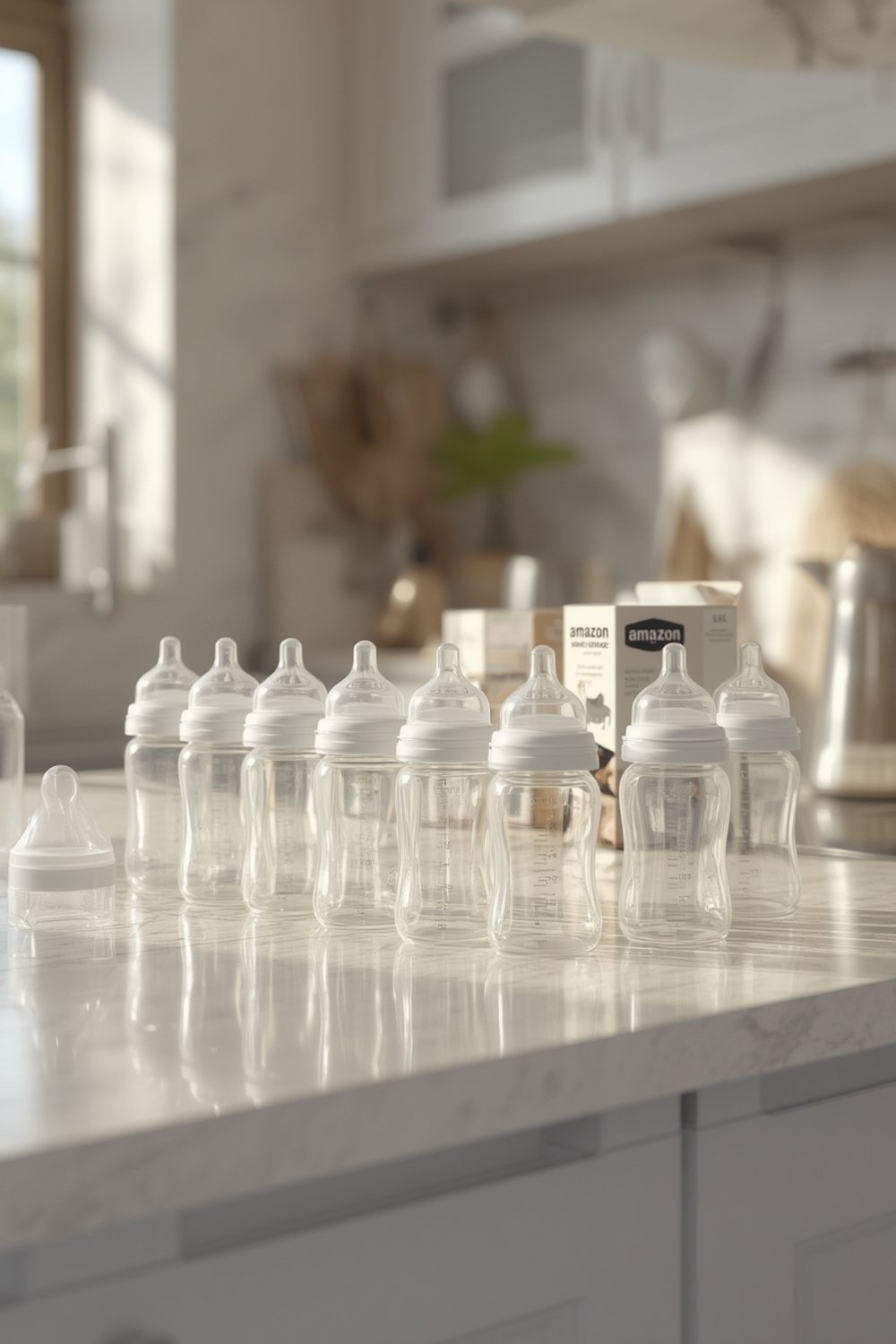
The shift toward non-toxic bottles is tied to research revealing possible health risks from older plastics and uncertainty about alternatives. Although all bottles labeled non-toxic must legally avoid banned chemicals in the US, the specifics of those certifications—or regional differences like FDA versus EU standards—are not always clear or transparent in Amazon listings. Many parents cite verified reviews and external recommendations to make a final decision.
If you’re looking to upgrade the rest of your baby’s essentials to safer alternatives, consider reviewing our organic baby skincare guide for chemical-free creams and cleansers.
Step-by-Step Guide: How to Choose Safe Bottles on Amazon
Follow these actionable steps to vet and select the safest non-toxic baby bottles on Amazon in 2024:
- Decide your preferred material—glass, silicone, or BPA-free plastic. Glass and silicone generally offer the highest safety, but each has tradeoffs in weight and breakability.
- Search for independent lab certifications. Look for clear mentions of CPSIA, FDA, or EU standards within the product details or brand website. While most Amazon listings will claim “BPA-free,” only a few cite reliable third-party testing. Brands like NUK use PPSU and show mass balance certification for their bottles (source).
- Read recent verified reviews with a focus on material safety, leaks, and longevity. Pay attention to patterns—recurring complaints suggest an issue.
- Use the Amazon filter for price. Non-toxic silicone tends to cost $10–$18 per bottle (e.g., Comotomo). A glass option like Dr. Brown’s is often $5. BPA-free plastics range $6–$10, but always confirm the material type in the listing (source).
- Prioritize anti-colic and easy-clean features if your baby has feeding issues—Dr. Brown’s, Green Sprouts, and Lansinoh are commonly recommended for these design elements.
- Check for regional differences in bottle certifications or recycling symbols. This is crucial if you plan to travel or resell.
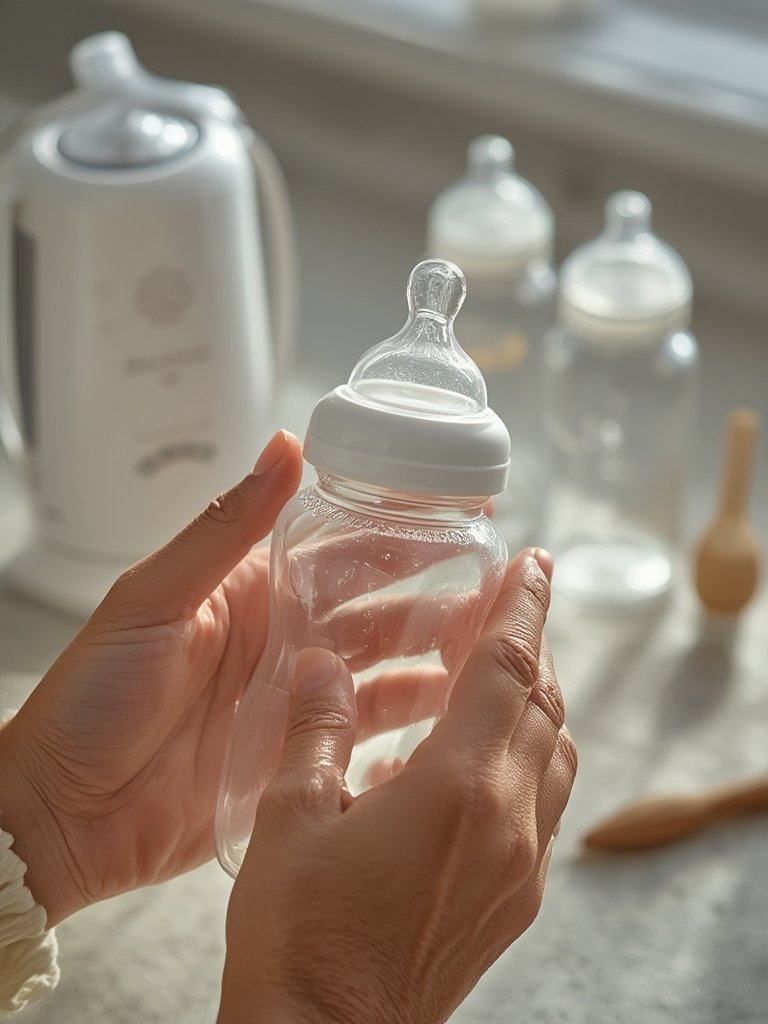
Another parenting shortcut: use Amazon’s baby registry feature to track price drops or bundle deals on glass and silicone bottles. Building your registry this way also gives you product alerts for safety updates and recalls.
If your child is also struggling with gas or fussiness, don’t miss our deep dive on the best anti-colic baby bottles for extra expert guidance.
Advanced Analysis & Common Pitfalls
Even with “non-toxic” claims, parents face hidden challenges when shopping for baby bottles on Amazon. Some of the most common pitfalls include:
- Ambiguous certifications: Many bottles are labeled BPA-free but lack proof of full third-party testing or fail to meet stricter EU standards.
- Durability issues: Glass bottles can chip or shatter; silicone options may become cloudy or develop tears if aggressively cleaned or sterilized.
- Leak risk: Inconsistent product quality leads to leaking—often reported in recent reviews but rarely called out in listings.
- Hybrid material complexity: Bottles combining glass, silicone, and plastic can be hard to recycle, and the safety of some adhesives or colored materials isn’t guaranteed.
- Price confusion: Higher-cost doesn’t always equal higher safety. Some premium-priced bottles have similar materials and claims as value brands.
| Material | Brand Examples | Price (each) | Pros | Cons |
|---|---|---|---|---|
| Silicone | Comotomo, Green Sprouts | $10–$18 | Flexible, easy to clean, shatterproof | May cloud/discolor with heat, can be torn |
| Glass | Dr. Brown’s | $5 | Most inert/non-toxic, dishwasher safe | Heavy, can break when dropped |
| BPA-free Plastic | Lansinoh, Philips Avent | $6–$10 | Lightweight, affordable, easy to use | Trust issues (residual chemical fears), microplastics risk |
| Traditional Plastic | Mam, Nuk, Tommee Tippee | $5–$6 | Lowest cost, wide availability | Lowest consumer trust, less sustainability |
Repeated high-heat cleaning (boiling, sterilizing) may cause even high-quality non-toxic bottles to degrade over time. Consumer Reports flagged that even when no BPA, lead, or phthalates were found, untested chemicals could be released under real-world use conditions (source).
For more about safe nursery environments, explore our crib safety tips to go beyond just feeding gear.
Conclusion
Navigating non-toxic baby bottles amazon requires more than clicking the first “BPA-free” option. Understand the tradeoffs between silicone, glass, and BPA-free plastics, always check for independent certifications, and read real-user reviews before you buy. Remember, durability, cleaning needs, and product transparency are as important as price. Take control—your attention to detail keeps your baby safer at every feed. Ready to shop smarter for your child? Start with our guide to the best anti-colic bottles or register your picks on Amazon today.
FAQ
Are all baby bottles labeled “BPA-free” on Amazon really non-toxic?
BPA-free indicates no bisphenol-A, but truly non-toxic options should also be free from phthalates, lead, and other chemicals. Look for third-party certifications whenever possible.
Which material is safest—glass, silicone, or BPA-free plastic?
Glass is considered safest due to its inert nature; silicone is a close second for flexibility and shatter resistance. BPA-free plastic is safe if properly certified but may degrade faster or shed microplastics.
How can I tell if a baby bottle on Amazon is independently tested?
Check the brand’s official page or product info for certifications like FDA, CPSIA, or EU standards. Some Amazon listings link directly to lab results or mention partnerships with safety organizations.
What about longevity—will glass or silicone bottles last longer?
Glass bottles usually last longer unless dropped. Silicone bottles withstand impacts but may become cloudy or damaged from frequent boiling or harsh cleaning.
Are non-toxic bottles more expensive than regular plastic bottles?
Generally yes—silicone and premium glass cost more, but many parents find it worthwhile for the added safety. Basic BPA-free plastic is affordable but may not offer the same level of reassurance.