

anti colic baby bottle is a must-know topic for new parents who are desperate for peaceful feeding times. Colic is common, solutions are confusing, and finding the right bottle can make a real difference—or leave you even more frustrated. Let’s cut through the noise and focus on what actually matters.
Key Takeaways
- Colic affects up to 20% of infants under 12 months, with the highest rates in the first 6 weeks of life.
- There’s little independent evidence that any anti colic baby bottle reduces colic symptoms, but proper use and choosing the right features could help.
- Troubleshooting issues like leaks, assembly problems, or feeding compatibility is essential when choosing an anti colic baby bottle.
- What Are Anti Colic Baby Bottles and Why Do They Exist?
- How to Choose and Use an Anti Colic Baby Bottle: Step by Step
- Advanced Analysis & Common Pitfalls
- Conclusion
- FAQs
What Are Anti Colic Baby Bottles and Why Do They Exist?
Infant colic—the unexplained, intense crying in otherwise healthy babies—peaks between 6 and 8 weeks, affecting about 17-25% of infants in this age group. Symptoms typically fade by the time babies are 12 weeks old. While colic is not dangerous, it’s hugely distressing for families. Anti colic baby bottles aim to reduce feeding-related causes of fussiness by minimizing how much air babies swallow during bottle-feeding.

The idea is simple: Less swallowed air means less burping, gassiness, and possibly less colic-like crying. Brands design these bottles with special venting systems or valves. But do they work? According to large studies from 2023 and 2024, colic rates are similar among different groups—meaning there’s no guarantee any bottle can “fix” colic. Still, parents want to try everything that might help.
Healthcare professionals globally report that 60% of healthy infants under 12 months suffer from some form of GI discomfort (crying, colic, gas). Feeding changes—including switching bottles—are a common recommendation, even if not all pediatricians endorse anti colic baby bottles as a cure. Source.
How to Choose and Use an Anti Colic Baby Bottle: Step by Step
Choosing an anti colic baby bottle can be overwhelming, since packaging often overpromises. To realistically narrow it down and get the most out of your choice, follow these steps:
- Assess your feeding needs. If you combine breastfeeding and bottle-feeding, look for bottles with a slow-flow nipple and wide base that mimic breastfeeding—this aids transitions and may reduce nipple confusion. For babies with high feeding volume or formula feeding, check for ergonomic bottle shapes and easy-hold designs.
- Standards and safety first. All bottles should meet current infant feeding safety standards. Avoid bottles with BPA or unclear materials. Glass, stainless steel, or certified BPA-free plastic are safest.
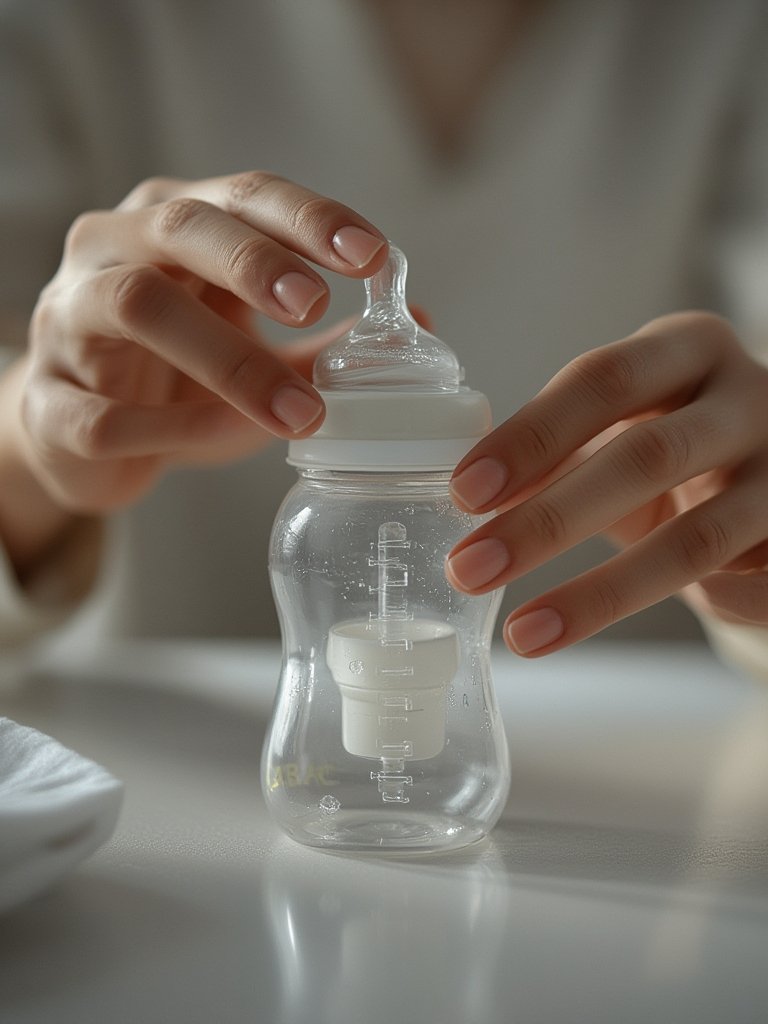
- Evaluate venting systems. Modern anti colic bottles use silicone valves, straw-like tubes, or specialized ring inserts to direct air away from the nipple while your baby drinks. Try to choose a design that doesn’t add too many extra parts, as more pieces mean more cleaning—and more potential for leaks.
- Assembly and cleaning. Look for bottles that are easy to take apart and put back together. Check if the manufacturer offers spare parts, especially if you’ll use the bottle often; cracked or warped valves are a frequent pain point.
- Watch for fit issues. Not all anti colic bottles fit standard warmers, sterilizers, or even bottle holders. If you’re dealing with a fussy newborn, fumbling with accessories adds stress.
- Observe your baby’s reaction. Signs that a bottle works: less air intake, more comfortable feeding, fewer spit-ups. Worsening gas or increased fussiness could mean a bad fit—try a different brand or consult your pediatrician.
- Upgrade only when needed. Don’t buy “age-specific” bottles unless you truly need new flow rates. Most anti colic systems let you swap out nipples as your baby grows.
Want more holistic parenting tips? See our baby care guide for month-by-month development tips that go beyond feeding routines.
Advanced Analysis & Common Pitfalls
Anti colic baby bottles are no magic fix. Many parents find the most common issues aren’t about gas relief but the day-to-day reality of feeding. Here’s what you might deal with:
- Leaks: Additional venting parts and multi-piece construction make leaks common. If the silicone valve is not seated tightly or a ring is over-tightened, formula will leak—sometimes unpredictably.
- Complicated assembly/cleaning: Some anti colic bottles have up to 7 parts. For exhausted parents, reassembly at 3 a.m. can become a real headache. Missing or improperly cleaned vents can also trap milk residue, increasing bacteria risk.
- Lifespan and part replacement: Frequent washing and sterilizing wear out silicone parts quickly, and not all brands offer easy or affordable replacement. That means you may be forced to buy a full new bottle rather than just a valve or insert.
- Limited efficacy proof: As of 2024, there’s no strong scientific evidence that any anti colic baby bottle dramatically reduces colic. Neonatal studies like this one report no major difference in colic rates regardless of feeding method or bottle brand.
| Feature | Upside | Downside |
|---|---|---|
| Dedicated vent system | Less air intake | More parts to clean; leaks easily |
| Silicone valves | Affordable parts; easy to use | Wear out quickly; assembly error risk |
| Wide-neck bottles | Easy cleaning/filling | May not fit some warmers |
| Multiple nipple options | Grow with baby | Need to track flow rates/compatibility |
For safe sleep tips, see our toddler bed safety roundup. And for toy clutter (yes, anti-colic bottles will join the collection soon enough), don’t miss our toy organization guide.

Conclusion
There’s no easy cure for colic, but an anti colic baby bottle can help some families reduce gas, burping, and overall stress—when chosen and used carefully. Remember: no bottle type is guaranteed to end colic. Instead, focus on fit, safety, practicality, and your baby’s actual response. Stick to the actionable steps above, avoid common pitfalls, and consult with your pediatrician for personalized advice. Ready to take the next step? Try a single bottle, monitor results, and share your experience with your parenting community to help others.
Want to round out your baby care knowledge? Visit our guides on smart baby monitors and organic baby skincare tips for complete peace of mind.
FAQs
What is the actual success rate of anti colic baby bottles?
Current research in 2024 has not shown a specific success rate for anti colic baby bottles in reducing colic. Some parents notice less gas and burping, but evidence on reducing colic symptoms is weak. Always monitor your baby’s reaction and consult your pediatrician.
Why might my anti colic baby bottle be leaking?
Leaks often result from improper assembly or worn-out vent valves. Check if all parts are firmly in place and undamaged. Avoid over-tightening, and replace valves when necessary.
Can anti colic bottles help with spit-up?
Some anti colic bottles may help by reducing air intake, but spit-up can also relate to feeding position, flow rate, or other feeding habits. Results vary widely between babies.
Are anti colic bottles BPA-free and safe?
Most reputable brands use BPA-free plastics, glass, or stainless steel. Always verify safety certifications before purchase. No new 2024 regulations were found, so stick to trusted brands and check product labels carefully.
How should I clean my anti colic baby bottle?
Disassemble the bottle fully before each cleaning. Wash every part in warm, soapy water, then rinse thoroughly. Use a small brush to clean inside vents. Sterilize regularly, and replace parts that look worn or warped.