

Average baby weight by month is one of the most common concerns for new parents, especially when tracking a child’s growth during the first year. Knowing what’s typical—and what’s not—helps families make informed decisions at every check-up.
Key Takeaways
- Global pediatric standards like the WHO charts set the benchmarks for average baby weight by month, but healthy growth can vary by child, feeding method, and region.
- Consistent growth patterns are more important than a baby hitting “average” weights. Sudden drops or rapid gains are red flags and should be discussed with a pediatrician.
- Parents should learn to use growth charts, recognize evidence-based signs of concern, and avoid common online myths about ideal baby weight.
- Understanding Average Baby Weight by Month: What & Why
- Step-by-Step Guide to Monitoring and Supporting Healthy Baby Weight
- Advanced Analysis & Common Pitfalls in Baby Weight Tracking
- Conclusion
- Frequently Asked Questions
Understanding Average Baby Weight by Month: What & Why
Average baby weight by month refers to the typical range of infant weight at each age, established through large-scale studies compiled by organizations like the World Health Organization (WHO). These percentile charts guide doctors and families in evaluating how an individual baby’s growth compares to healthy population trends. The WHO growth standards are based on breastfed infants from around the world, representing optimal physiological growth patterns.
Consistent growth along a child’s unique trajectory is healthiest—even if a baby tracks above or below the 50th percentile. Deviations from these charts are only concerning when there’s a sudden drop or rise in percentiles, especially if coupled with other signs like poor feeding. In different countries, these standards may be adjusted based on local health data. For example, US CDC and Canadian pediatricians often use versions of the WHO charts, sometimes adding local percentiles.

According to the latest WHO-aligned charts, here’s the average (50th percentile) baby weight by month for boys and girls:
| Age | Boys (kg) | Girls (kg) |
|---|---|---|
| Birth | 3.3 | 3.2 |
| 1 month | 4.5 | 4.2 |
| 3 months | 6.4 | 5.8 |
| 6 months | 7.9 | 7.3 |
| 12 months | 9.6 | 8.9 |
Remember: healthy babies may fall anywhere between the 3rd and 97th percentile if their individual pattern is steady.
Step-by-Step Guide to Monitoring and Supporting Healthy Baby Weight
1. Master the Growth Chart
Ask your provider to plot your baby’s weight at every checkup using the growth chart WHO standards. Focus on your child’s unique curve—not just the number.
2. Recognize Normal vs. Concerning Deviations
A steady pattern (even if below or above “average”) is usually fine. Concern arises if your baby crosses two percentile lines (e.g., 50th down to 3rd), plateaus, or shows symptoms like lethargy or feeding trouble.
3. Prioritize Feeding, Activity, and Well-Visits
– Breastfed newborns usually need 8 to 12 feeds per day. Monitor wet diapers (at least 6/day after the first week). For formula-fed babies, follow hunger cues instead of pushing bottles for set ounces.
– Track weight and length, not just weight. Use weight-for-length ratios—especially if your baby’s weight jumps higher without a similar increase in length.
4. What To Do If Baby Falls Above or Below Average
– If underweight: Check latch/bottle flow, frequency of feeds, and consider lactation support. Supplement under medical guidance if needed.
– If overweight: Practice responsive feeding and avoid solids before 6 months. Tummy time helps with activity and muscle development.
A feeding diary can highlight subtle feeding issues for your provider.
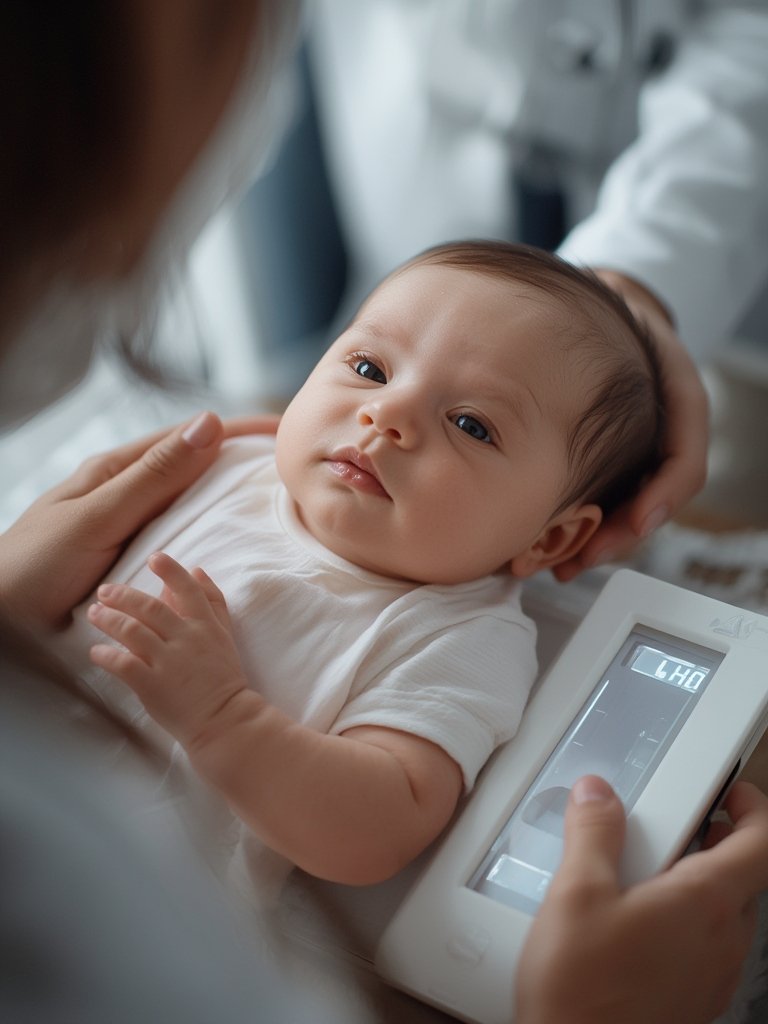
5. When to Call the Pediatrician
– No weight gain in 2 to 4 weeks
– Crosses two major percentile lines on chart
– Less than 6 wet diapers per day after the first week
– No return to birth weight by two weeks old
– Any sudden lethargy, poor feeding, or vomiting
In these situations, your provider may recommend more frequent checkups, feeding evaluations, or basic labs (e.g., to check for anemia or allergies). Costs and tests vary by country and insurance, but most concerns are first addressed in standard well-baby care.
For more about your baby’s monthly milestones and related feeding topics, check our in-depth resource: Top 10 Essential Tips for Understanding Baby Developmental Milestones Month by Month.
Advanced Analysis & Common Pitfalls in Baby Weight Tracking
Common Pitfalls in Interpreting Average Baby Weight by Month
- Assuming a baby must be “average” to be healthy. A baby tracking at the 10th percentile who follows their own curve steadily is just as healthy as one in the 70th.
- Comparing weight alone, not weight-for-length. Heavier babies aren’t necessarily overweight if they are also taller/longer for age.
- Panic over minor weight fluctuations. Short-term drops, especially with illness or teething, often resolve with normal care.
- Using outdated formulas, such as “age in months plus 9 divided by 2,” which are unreliable compared to modern multi-national data.
- Ignoring feeding style differences. Breastfed babies may gain weight more slowly after the first few months versus formula-fed infants, but this can be normal.
Pediatricians worldwide agree that pattern and proportionality matter most—not the precise kilo on the scale.
Comparison: Global Baby Weight Standards
| Chart/Standard | Population Base | Used In | Key Differences |
|---|---|---|---|
| WHO Growth Standards | Breastfed; international; optimal health conditions | Worldwide, most pediatric associations | Tends to set lower “average” weight than CDC due to breastfeeding data |
| CDC Growth Charts | Mixed-fed; US-based population | US (over 24 months), sometimes Canada | Uses local percentiles; higher weights post-6 months typical |
| Canadian Adapted WHO | Breastfed; adapted to Canadian data | Canada | Uses WHO template but calibrates to local trends |
Longitudinal use of these charts helps spot unhealthy deviation. For example, a premature drop from the 50th to below the 3rd percentile on WHO curves should initiate further offering of feeding support or medical evaluation as recommended by pediatric experts.
To see language-free guides on development, including growth, you can read: Baby Milestone Tracker Guide and When Do Babies Start Crawling?.
Other common issues involve misreading percentile charts, failing to schedule regular checkups, or delaying help due to fears of stigma or judgment. These can be avoided by open communication with providers and tracking progress at home with reliable resources.

Conclusion
Healthy weight in babies isn’t about matching a single number—it’s about steady growth, attentive care, and context. The latest evidence shows that as long as your child follows a consistent curve—even if above or below average baby weight by month—there’s usually no need for alarm. Track patterns, attend well-visits, and partner with your provider if your baby’s curve veers unexpectedly.
Stay current and empowered with up-to-date advice. For more tips on safe sleep and child development, explore our Safe Sleep Solutions or our curated baby care tips collection. If you have questions about milestones or home safety, we welcome you to connect with our other guides below.
Frequently Asked Questions
What should I do if my baby drops percentiles suddenly?
Contact your pediatrician immediately if your baby crosses two or more percentile lines on the growth chart or shows other symptoms (poor feeding, lethargy). Early intervention may include extra feeding support or medical tests.
Do formula-fed babies have different average weights by month?
Formula-fed babies may gain weight more rapidly after the first few months compared to breastfed infants. This is why the WHO uses breastfed infants for its growth standards, and regional charts may vary.
Is falling below the 50th percentile a health issue?
No. Babies can be healthy anywhere from the 3rd to 97th percentile if they grow consistently. The 50th percentile is just an average. Watch out for abrupt deviations from your baby’s own curve.
How often should my baby be weighed during the first year?
Babies are typically weighed at every well-child visit—monthly for the first 6 months, then at 9 and 12 months. If there are concerns, your pediatrician may recommend more frequent checks.
Can stress affect my baby’s weight gain?
Parental anxiety does not directly affect an infant’s weight. However, extreme stress may impact feeding or routines. Use trusted medical guidance and avoid comparing your baby too closely with others.