

Baby bath thermometer safety is not just a convenience—it’s a crucial measure parents use to prevent accidental burns or hypothermia during bath time. If you’ve ever doubted whether your baby’s bathwater is just right, you’re not alone—scalds from hot water and risks from cold exposure are real threats for infants.
Key Takeaways
- Most scalds in infants occur from improper bath water temperature, yet many baby bath thermometers have serious reliability and accuracy issues.
- Safe baby bath temperature is universally set between 36–38°C (96.8–100.4°F) by major health authorities worldwide—never above 38°C.
- Parents must understand device limitations, failure risks, and best safety practices—no single gadget should replace vigilance or good plumbing controls.
- What Is a Baby Bath Thermometer and Why Does it Matter?
- How to Use a Baby Bath Thermometer: A Practical Walkthrough
- Common Pitfalls and Advanced Tips for Reliable Bath Safety
- Conclusion
- FAQ
What Is a Baby Bath Thermometer and Why Does it Matter?
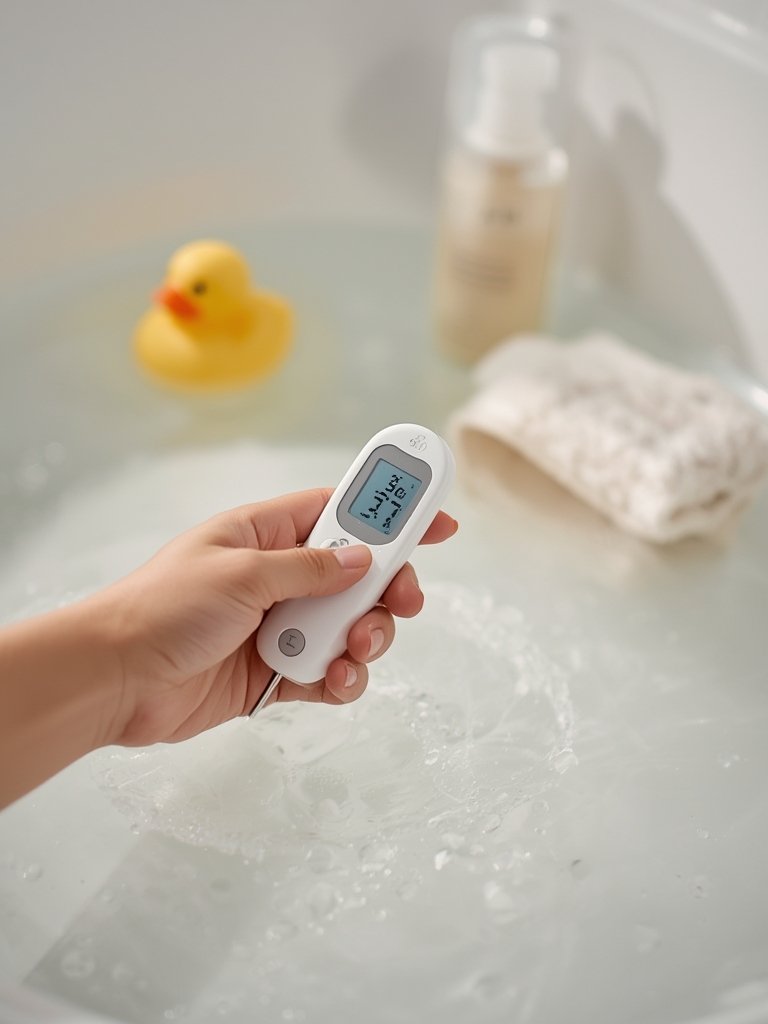
A baby bath thermometer is a simple device designed to measure the temperature of bath water, typically featuring a child-safe, floating design and a digital display. Its purpose: help caregivers maintain the water within a narrow, safe window of 36–38°C (96.8–100.4°F), where the baby is comfortable and protected from injury.

The need is real. According to the American Burn Association and World Health Organization, most scald injuries among young children happen at home—often during bath time. Although there’s no global, bath-specific tally, studies show children under five are especially vulnerable. Bath water that’s too hot can cause severe burns in seconds, while water that’s too cold, especially in newborns, increases the risk of hypothermia.
Manual testing with your wrist or elbow is widely recommended, but research confirms it’s far from precise. Even the best parent can’t feel a two- or three-degree difference reliably, risking accidental injury. The AAP and many countries’ health agencies now recommend both a careful touch test and a dedicated thermometer, especially for infants. (Learn more about overall baby care tips and safe routines here.)
How to Use a Baby Bath Thermometer: A Practical Walkthrough
Ready to ensure bath time is always safe and soothing? Here’s how to use a baby bath thermometer the right way, every time.
- Fill the tub with cold water first, then add warm water.
- This helps prevent hot spots and avoids adding boiling-hot water directly, which can scald instantly.
- Stir the water thoroughly.
- Most scalds happen when water isn’t mixed and there are hidden hot spots.
- Place the baby bath thermometer in the water—wait a few seconds.
- Float or submerge per the instructions, but make sure it is not pressed against the hot tap flow or side of the tub.
- Check the reading visually (or listen for an alarm, if available).
- Safe range: 36–38°C (96.8–100.4°F). If the thermometer blinks or emits a warning, follow it—never guess.
- Double-check with your elbow or wrist (don’t skip this step).
- If the thermometer shuts off, malfunctions, or displays strange readings, abort the bath and recheck with a backup method.
- Remove the thermometer and dry it thoroughly after bath time.
- Open the battery compartment if it’s user-accessible—check for signs of water ingress or condensation (a leading cause of device failure). Replace if you see any moisture inside.
- Store it in a dry place.
- Always supervise your baby—no device is a substitute for attentive adult presence.
- Some floating thermometers double as room thermometers—but room readings may be hard to view on certain designs (see review analysis).
For more guidance on creating a safe and organized nursery, visit our toy storage solutions guide.
Common Pitfalls and Advanced Tips for Reliable Bath Safety
Many parents assume all baby bath thermometers are accurate, robust, and maintenance-free. The reality is more complex. Here are the most impactful—and often overlooked—user problems, plus data-driven insights you won’t find in typical product roundups.
| Issue | Typical Cause | Reported Frequency | User Action |
|---|---|---|---|
| Premature Failure / Water Ingress | Poor waterproofing, damaged seals | High (multiple 1-star reports) | Replace device; inspect after each use |
| Battery Not Replaceable / Short Life | Sealed design or cheap battery | Common in <$20 models | Buy model with replaceable battery, or have backup thermometer |
| Significant Inaccuracy | Factory miscalibration, sensor drift | Seen in hands-on tests (up to 7°F off) | Cross-check with reliable digital thermometer |
| Display Hard to See / Design Confusion | Flat screens, unintuitive color codes | Frequent in user reviews | Read manual carefully; consider audible alarms for backup |
| Sudden Device Failure During Bath | Internal leak or battery issue | Regular but under-discussed | Abort bath; recheck temp manually; keep child out until resolved |
Notably, multiple users cite non-replaceable batteries as a reason for device disposal after just a few months. Others report the device shutting off mid-bath or showing condensation inside the screen, which could mean the electronics are compromised and readings are unreliable.
Accuracy varies by brand and even by batch. In one independent test, a budget thermometer read up to 7°F (≈4°C) off—a gap big enough to move bathwater from safe to hazardous for an infant. Brands like Famidoc generally perform better (within 1–2°F), but all digital thermometers benefit from periodic accuracy checks.
It’s critical to note that no major bath thermometer in the US market was recently recalled for basic safety flaws. However, these devices are sold as consumer electronics and do not carry the same regulatory clearances as clinical thermometers. Check for CE or RoHS marks for basic compliance, but don’t expect medical-device certification.
If you want to dive deeper into related health and home safety, see our guides on baby safety gates and bottle sterilizer safety.

Conclusion
Digital bath thermometers make it simple for parents to hit that critical 36–38°C sweet spot every time—and help sidestep the serious risks of hot and cold water injuries. But product quality and error rates aren’t always clear on the package. To keep your baby safe: double-check readings, respond quickly to failure or odd behavior, and remember—your baby bath thermometer is a tool, not a guarantee. Be vigilant, keep backups, and make temperature-checking a non-negotiable part of your bath routine.
Ready to take action? Review your baby bath safety setup tonight—upgrade your thermometer if needed, and share this advice with every caregiver in your circle.
FAQ
What temperature should a baby’s bath be?
The safe range is 36–38°C (96.8–100.4°F). Water should feel warm, never hot. Don’t exceed 38°C, as most authorities agree this increases scald risk.
How accurate are baby bath thermometers compared to regular kitchen thermometers?
Good baby bath thermometers are usually accurate within ±1°C (about ±2°F), but some fall outside this range. High-quality kitchen probe thermometers typically offer ±0.5°C accuracy.
What should I do if my bath thermometer stops working during a bath?
Remove your baby from the tub immediately. Double-check the water temperature with your wrist or a reliable digital probe thermometer before continuing.
Are there any baby bath thermometers with replaceable batteries?
Some brands offer models with accessible battery compartments, though many lower-cost floating units do not. Check product specs or user reviews carefully before buying.
Can I use a baby bath thermometer for measuring room temperature?
Many floating bath thermometers offer dual-use for both water and room temperature. However, display visibility and accuracy may be better in water than air. Read reviews to pick the right design for your needs.