

Looking for a complete breakdown on rotating car seats? You’re in the right place. The baby car seat 360 is changing how parents handle car safety and convenience, but it’s important to know both the upsides and the real issues before you buy.
Key Takeaways
- Not all 360 car seats are equal—construction quality and clear lock indicators greatly affect safety.
- Common mistakes like installation errors and misuse of the rotation feature can undermine safety benefits.
- Rotating baby car seats often cost more, but they can significantly improve ease of use and vehicle access.
- What is a Baby Car Seat 360 and Why Should Parents Consider One?
- How to Select, Install, and Use a Rotating Baby Car Seat—Step By Step
- Common Pitfalls, Real-Life Problems, and Safety Comparisons
- Conclusion
- FAQ
What is a Baby Car Seat 360 and Why Should Parents Consider One?
The baby car seat 360, also known as a rotating car seat, allows you to swivel the seat toward the car door for easier loading, unloading, and harnessing your child. Many models support rotation in rear- and forward-facing modes. This single design tweak can make a world of difference for new parents, grandparents, or anyone with a bad back.
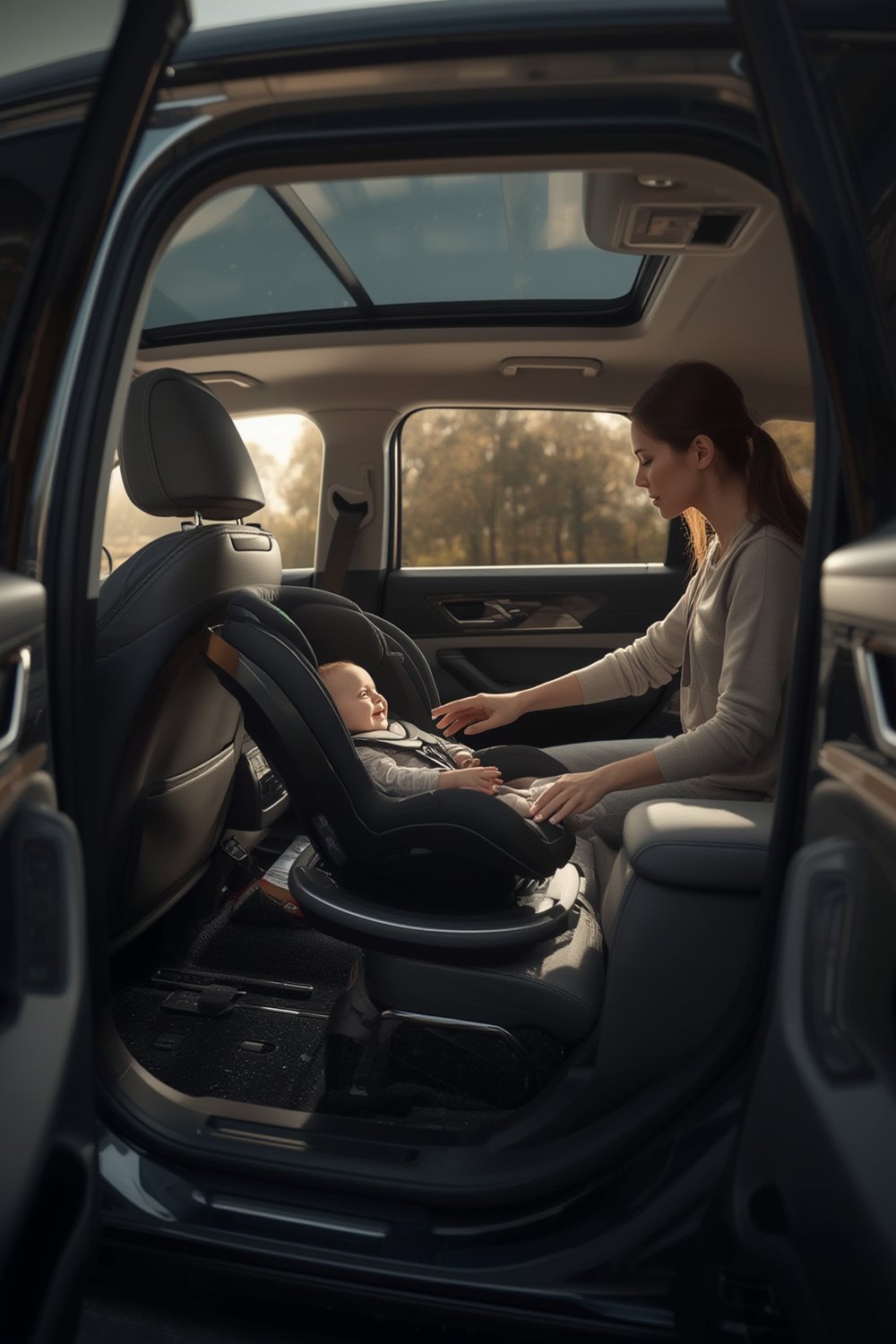
Unlike traditional seats, these 360-degree models are made to minimize awkward twisting and reduce the chances of incorrect installation. Most high-end versions use ISOFIX (Europe) or LATCH (US) mounts for secure, less error-prone fitting. Many families choose rotating seats if access is tough—think minivans with captain’s chairs or families who regularly use third-row seating. If you previously felt boxed in by vehicle layout or struggled transitioning a rear-facing toddler, rotation can be a game changer.
Regulators in both the US and Europe confirm that properly built 360 seats meet or exceed all mandatory crash protection and detachment standards. Features such as metal-to-metal connections and lock status indicators prevent common mistakes and raise the safety bar compared to cheaper, older models. For an extra layer of peace of mind, check for labels referencing FMVSS 213 (US) or ECE R129/i-Size (EU) standards.
Rotating baby car seats are positioned as premium children’s products. While you’ll pay more than for a classic belt-installed seat, the extra cost brings real ergonomic and safety improvements for many families.
If your goal is to ease daily routines, delay premature forward-facing, and even encourage grandparents or caregivers with limited mobility, a 360 car seat is worth close consideration. For more holistic nursery safety, check our toddler bed safety guide as well.
How to Select, Install, and Use a Rotating Baby Car Seat—Step By Step
Investing in a baby car seat 360 model means you want both safety and real-life usability, not just flashy features. Follow these steps to maximize your investment and reduce the risk of common pitfalls.
- Start with compatibility: Before ordering, check manufacturer compatibility guides for your vehicle. ISOFIX systems (Europe/UK) and LATCH-compatible bases (US) vary in fit. Some larger seats obstruct seats or consoles in compact vehicles. If you drive an SUV or minivan with captain’s chairs, note how seat rotation impacts (often improves) third-row access.
- Prioritize internal build quality: Open up online reviews and look for seats featuring metal-to-metal connections between shell and base, not only plastic latches. This detail impacts car seat integrity during side and rollover collisions. For best-in-class crash safety, choose brands with rigorous independent test records (often referenced on their official sites or parent forums).
- Check lock and indicator systems: The main advantage of a baby car seat 360 is swivel easy access, but this also introduces new misuse risks. Only install seats with vivid lock indicators—typically a visual red/green display that confirms correct alignment. This reduces user error, especially in dim light or for distracted caregivers.
- Read both manuals: Every vehicle and car seat combo is a little different. Always consult both the seat manual and your car’s manual—especially for ISOFIX and LATCH anchor guidance. Never rely solely on “universal” fit claims.
- Install and double-check: Place the seat in rear-facing mode and attach the ISOFIX or LATCH connectors until you hear an audible “click.” Use the car’s top tether if forward-facing. Check that the seat base itself does not move more than one inch side-to-side or front-to-back. Engage the rotation lock to see that the seat cannot spin freely when locked.
- Practice safe transitions: When switching to forward-facing (after age/weight milestones per your manual), expect to fully uninstall, rotate, and reinstall the base in most ISOFIX models. Don’t “shortcut” by leaving in the wrong mode or skipping locks.
- Monitor habits and routines: Watch for lapses—sometimes caregivers leave the seat sideways for quick access, then forget to lock it before driving. Build a routine (visual check, ‘tug on base’) into every buckle-up session.
- Budget for quality and longevity: The best 360 car seats cost more, but often accommodate your child for up to four years (or longer if extended rear-facing is possible). Not all swap easily between cars—plan accordingly if grandparents switch off frequent rides.
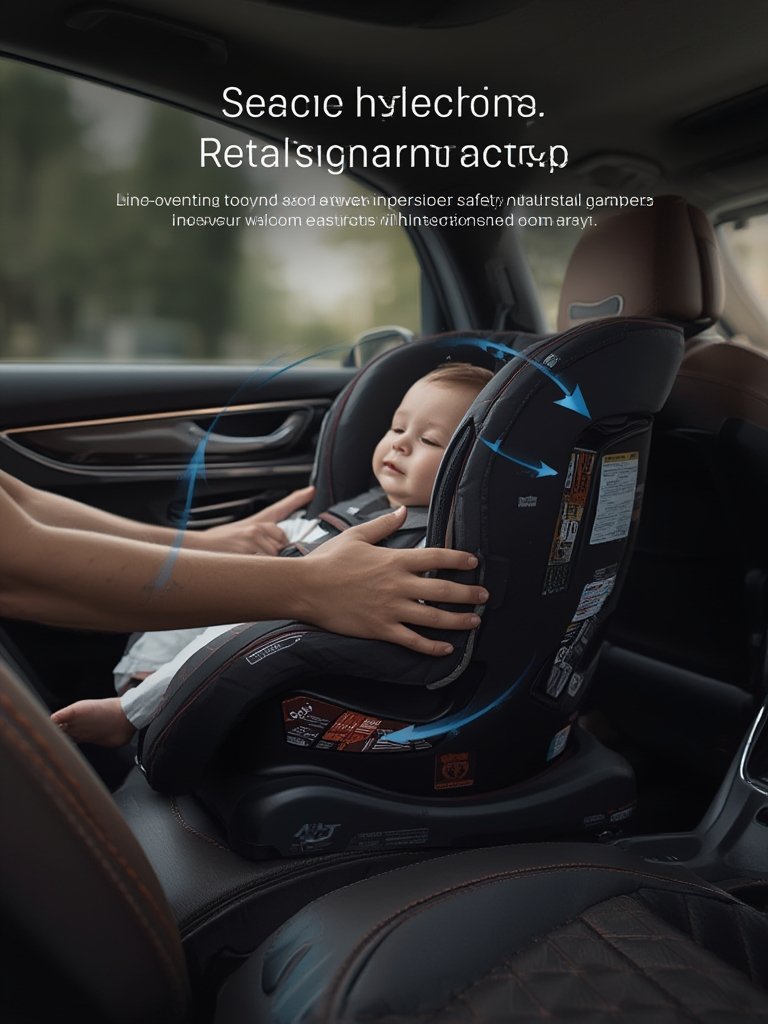
Some advanced models make daily use even easier. For example, higher-end European ISOFIX rotating seats include “one-hand rotation” and harness holders that keep straps clear while placing your child. Select designs even permit rotating the seat outward at any incline, not just when upright—check specs closely.
If a car seat multitasks as a travel system, match it with strollers designed for best stroller travel system compatibility so transitions from car to stroll stay hassle-free.
Common Pitfalls, Real-Life Problems, and Safety Comparisons
Rotating car seats aren’t magic bullets. Parents face recurring issues – and some are unique to 360 designs:
- Improper locking after rotation: Without a clear lock indicator, it’s all too easy to leave the car seat unlocked (especially during hectic school runs). Always confirm green/red visual cues before driving.
- Installation errors: The unique base/shell connections on two-piece 360 seats can look secure but may still “float” if not fully clicked in. Over 50% of all car seats (rotating or not) are installed incorrectly, risking reduced protection in a crash. Use a tug test!
- Premature forward-facing: Rotating access sometimes tempts parents to flip kids forward-facing earlier than age or weight guidelines. Stick with extended rear-facing as long as possible for safety.
- Sideways ride risk: Busy caregivers may accidentally drive off with the seat in a sideways access position—a misuse exclusive to 360 models. Never drive unless the seat is fully locked in a travel position.
- Price and transport: Expect to spend more (often $300-600 vs. $150-400 for basic seats). Some premium models are heavy or awkward to move between vehicles—consider your family’s real needs and travel frequency.
| Feature/Criteria | 360 Rotating (ISOFIX & LATCH) | Non-Rotating Convertible |
|---|---|---|
| Installation Complexity | Moderate; more moving parts, risk of improper locking | Simpler (fewer steps); less risk of misuse |
| Vehicle Compatibility | Best in captain’s chairs/SUVs; improves 3rd row access | Blocks aisle/3rd row when rear-facing |
| Crash Safety Standards | Must meet FMVSS 213/ECE R129; internal build varies | Must meet same standards; less emphasis on shell/base security |
| Daily Ergonomics | Easier for caregivers to load, buckle & unbuckle | Can strain backs; tighter for bigger kids in rear-facing |
| Price Range (est.) | US $300-600 (premium) | Most $150-400 (mid/basic) |
| Longevity | Often birth–4+ years | Similar range, but less user-friendly for larger toddlers |
| Common Pitfalls | Poor locking, improper rotation, possible loose install | Belt-routing errors, tight fits in rear-facing position |
For more parenting hacks, check out our baby care tips and toy organization solutions to streamline your daily routine.
Beyond installation, rotating seats shine in families who routinely use carpool lanes, grandparents who struggle with traditional seat angles, or those wanting one seat from infancy to preschool. Just remember: high-tech features and price don’t guarantee safer installs—operator routine still matters most. Seek out up-to-date external safety research when comparing models (source 1).
Finally, always verify regulations and standards for your region. While all US seats (rotating or not) meet FMVSS 213, only European ECE R129 models guarantee universal ISOFIX and more robust extended rear-facing requirements. Asian markets may differ. For more on safety products, explore our detailed guide to baby safety gates.
Conclusion
Choosing a baby car seat 360 model gives you better ergonomics, prolonged rear-facing options, and easier routines—but only if installation and daily use are correct. Prioritize clear lock indicators, robust seat-to-base connections, and always confirm compatibility with your vehicle. Review independent crash data and don’t be shy about seeking expert installation help.
Ready to upgrade your child’s car safety and make everyday transport easier? Explore the best 360 car seats today—or visit our guides on smart baby monitors and organic baby skincare for more family safety essentials.
FAQ
Are 360 rotating baby car seats as safe as non-rotating models?
Yes, as long as they are properly constructed and installed, all rotating seats sold in the US and Europe must meet or exceed the same rigorous safety and crash test standards as non-rotating models. Prioritize models with strong metal connections and clear lock indicators.
Is installation harder with a baby car seat 360?
Installation is different, not necessarily harder. You must pay extra attention to lock indicators and follow both your vehicle manual and car seat manual. A certified technician can help reduce risk of error during installation.
Can I leave the seat turned sideways while driving?
No, seats must always be locked in the designated travel position before driving. Leaving a seat sideways is a misuse unique to 360 models and can be dangerous in a crash.
What is the typical price range for a baby car seat 360?
Premium rotating seats usually cost $300 to $600, depending on features and region. Basic non-rotating or belt-installed seats are typically $150 to $400. Expect to pay more for innovative features and longer usability.
How do I know if a 360 seat fits my car?
Always check both the car seat and your vehicle’s compatibility guide. ISOFIX or LATCH positions and spacing can make a big difference, especially in compact cars or SUVs with captain’s chairs.