

Baby carrier choices in 2024 are more complex than ever, with parents seeking ergonomic comfort, safety, and versatility. As market trends shift and health experts voice new concerns, it’s crucial to separate hype from fact before you pick the best option for your baby and your lifestyle.
Key Takeaways
- Ergonomic baby carriers are driving market growth and respond to modern parental needs for comfort, safety, and adaptable designs.
- Common user complaints include confusing age and weight limits, high prices, and the short usability span of most carriers.
- Proper ergonomic features like lumbar support and adaptable straps can protect both baby hip development and parent back health.
- Understanding the Baby Carrier Market: What & Why
- How to Choose and Use a Baby Carrier: Step-by-Step
- Advanced Analysis and Common Baby Carrier Pitfalls
- Conclusion: Smart Choices for Baby and You
- FAQ: Baby Carrier Safety, Usage, and Selection
Understanding the Baby Carrier Market: What & Why
Baby carriers provide hands-free convenience for parents and enable close bonding with infants. In 2024, ergonomic baby carriers dominate, reflecting a spike in consumer priorities for lumbar support, adjustable straps, and adaptable designs. This surge is supported by demands from working mothers, increased urbanization, and a growing awareness around infant physical development.
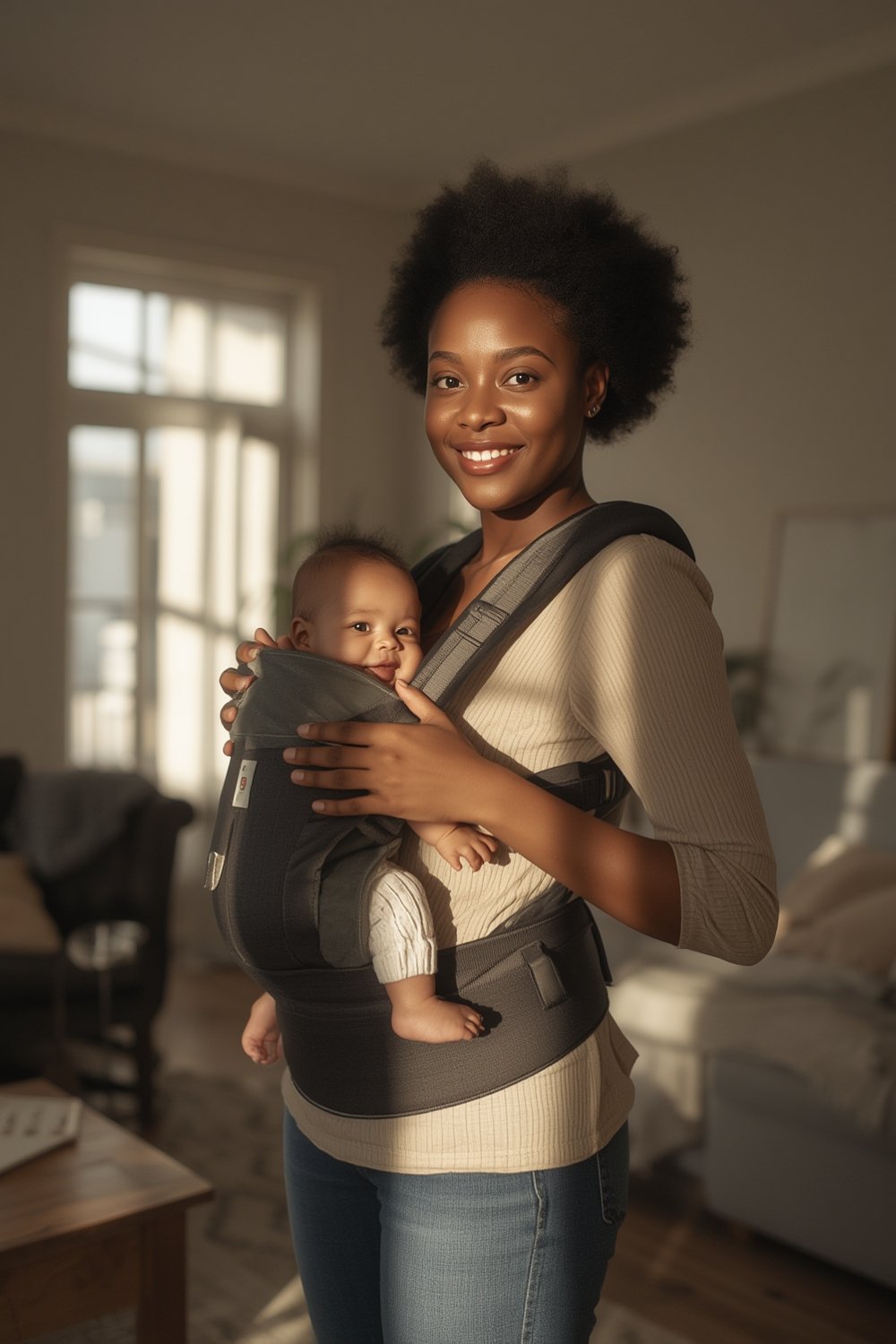
The global baby carrier market is estimated between USD 602 million and USD 1.3 billion in 2024, depending on the source (IMARC, Market.us, Market Data Forecast). Growth rates range from 3% to 9% annually, with the Asia-Pacific region contributing the most to this increase, followed closely by North America and Europe. Health-conscious parents now look for multi-functional carriers that adapt as babies grow, with a rising interest in reputable ergonomic models like Ergobaby Adapt.
However, the buying process can be confusing. Parents are bombarded with technical specs, marketing claims, and conflicting advice online. Carriers come as soft-structured models, wraps, and slings—all offering unique advantages and challenges. Understanding these differences and the medical implications of carrier design is essential for making the safest, most cost-effective decision.
If you want to see how sleep safety connects to overall infant safety, consider our guide on toddler bed safety and crib safety tips.
How to Choose and Use a Baby Carrier: Step-by-Step
Selecting a baby carrier isn’t just about color or brand—it’s about matching specific ergonomic features to your child’s stage and your lifestyle. Here’s a realistic, actionable guide for new and experienced parents:
-
Assess Your Needs and Carrying Habits.
- Will you wear your baby at home, outdoors, during errands, or while on long walks?
- Consider if both parents/caregivers will use the carrier: adjustable straps and waistband are a must for easy sharing.
-
Check for Core Ergonomic Features.
- Look for wide, padded shoulder straps and a structured lumbar support waist belt.
- An adjustable seat that supports the baby’s thighs and keeps knees higher than their bottom (“M” position) is ideal for healthy hip development (source).
-
Verify Safety and Material Certifications.
- Although reports don’t specify, many leading brands advertise compliance with standards like OEKO-TEX or ASTM—verify labels for these credentials.
- Pick carriers made from lightweight, breathable fabrics, especially if living in a humid or warm climate.
-
Understand Weight and Age Ranges.
- Carriers have specific minimum and maximum weight limits—choose one that fits your child now and in coming months to maximize value.
- Some models, like the Ergobaby Adapt, offer newborn-to-toddler conversion, but make sure the adjustments are intuitive to avoid improper use.
-
Consider Ease of Cleaning and Setup.
- Choose machine-washable options for easy hygiene.
- Look for simple buckling mechanisms and intuitive instructions to minimize frustration when handling a wiggly baby.
-
Test Comfort for You and Baby.
- If possible, try before you buy. A carrier that’s uncomfortable for you is unlikely to support safe babywearing over time.
- Retailers often offer in-store try-ons, but if purchasing online, confirm the return and warranty policy—especially since babies grow fast and comfort needs shift.
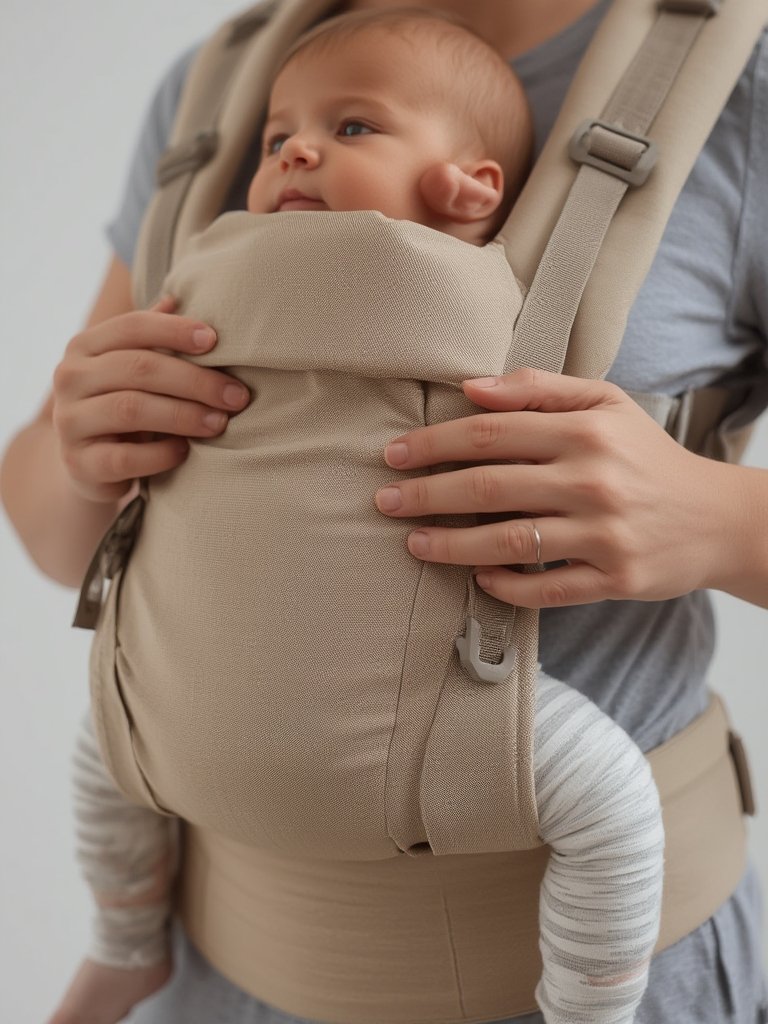
While choosing a carrier, be sure to cross-reference guides like our review of transporting gear in the best stroller travel system and tips on baby care and developmental milestones for holistic safety and convenience.
Advanced Analysis and Common Baby Carrier Pitfalls
Even the best ergonomic baby carrier can fall short if used incorrectly or if expectations don’t match reality. Based on recent research and parent feedback, here are the most common pain points—and solutions:
- Short Product Lifespan and Poor Value for Money: Many parents find themselves outgrowing carriers quickly, as most models only support a limited weight range. This forces frequent repurchasing and can make high-end carriers feel like a poor investment—especially if the baby is large or grows fast (source).
- High Cost of Premium Brands: Leading ergonomic carriers deliver comfort but often come with a steep price. If budget is a barrier, parents should balance certified safety features with real-world affordability.
- Misuse and Safety Risks: Incorrect adjustment (such as loose waistbands or improper seat height) can put both parents and infants at risk. Carriers should be double-checked for secure buckling every use. Also, ensure the baby’s face is always visible and away from fabric bunching.
- Material Sensitivity: Some lower-priced carriers cut costs by using rougher or less breathable materials, which can cause baby rashes or caregiver discomfort—always check for soft, hypoallergenic fabrics.
| Feature | Budget Carrier | Ergonomic Premium Carrier |
|---|---|---|
| Weight Limit | 15–25 lbs | 7–45 lbs |
| Adjustability | Limited | Multi-position, highly adjustable |
| Material | Standard cotton/poly blends | Breathable + hypoallergenic |
| Warranty/Return Policy | Limited (30–90 days) | Extended or lifetime options |
| Price Range (2024 Avg.) | $35–$80 | $120–$250 |
It’s worth reading more in-depth on ergonomic safety in our front baby carrier and ergonomic safety guide for specific details on usage and selection.

Comparing with other baby holding or moving gear, such as high chairs (baby feeding chair guide) and travel strollers (baby travel stroller), can also sharpen your expectations for flexibility and growth compatibility.
Conclusion: Smart Choices for Baby and You
The right baby carrier brings unmatched convenience, allowing parents to bond closely with their child while multitasking with safety in mind. Ergonomic features are now a necessity—supporting physical health for both baby and caregiver—but remember that every family’s needs differ. Always check weight ratings, certifications, and real fit for your body, and be aware of the carrier’s useful life relative to your baby’s age and growth rate.
Ready to upgrade your parenting gear? Research, test, and invest wisely in a baby carrier that will protect your back, nurture your baby, and truly fit your family. For more top tips and up-to-date baby gear advice, explore our full collection of actionable guides.
FAQ: Baby Carrier Safety, Usage, and Selection
How do I know which baby carrier style is right for my baby’s age and size?
Check the manufacturer’s minimum and maximum weight specifications. Soft-structured carriers often adapt for newborns through toddlers. Slings and wraps may be best for younger infants due to their flexibility, but always double-check age recommendations and ensure a secure fit.
What’s the most important ergonomic feature for my baby’s healthy hip development?
An adjustable seat that supports the child’s knees above their bottom in an “M” position helps encourage healthy hip alignment. Wide seat bases and proper lumbar support for parents are also critical for safety and comfort.
How do I clean a baby carrier safely?
Most modern carriers are machine washable (check the care tag). Always use gentle or baby-safe detergent, and line-dry to preserve material strength. Avoid bleach or fabric softeners, which may irritate sensitive skin.
Are expensive baby carriers really worth the price?
Higher-priced ergonomic carriers often offer better adjustability, longer lifespan (with extended weight ranges), softer materials, and stronger warranties. However, budget models can work well if they meet basic safety standards and fit you comfortably.
Where can I find more guides about safe sleeping and baby development?
Explore our advice on safe sleep for toddlers and our baby care and development milestones guide for deeper insights.