

Baby clothes are more than a fashion statement—they protect delicate skin, impact sleep and comfort, and play a role in childhood development. If you want to buy safe, sustainable, and stylish options, you’ll need to know what the 2024 global market reveals and what pitfalls to avoid. Here’s your evidence-based, realistic guide.
Key Takeaways
- The baby apparel market is booming, led by cotton and a rapid shift toward organic and eco-friendly baby clothes.
- The safest, most comfortable garments are usually made from cotton or certified organic materials but not all certifications or claims are reliable.
- Shopping for baby clothes requires balancing cost, comfort, and sustainability—always be wary of sizing and unsubstantiated product claims.
- The Core Concept: Navigating the Baby Clothes Market in 2024
- Step-by-Step Guide: How to Choose and Buy the Best Baby Clothes
- Advanced Analysis & Common Pitfalls
- Conclusion
- FAQ
The Core Concept: Navigating the Baby Clothes Market in 2024
The world of baby clothes is growing fast—and becoming more complex. Parents and caregivers today face a sea of choices defined by eco-conscious trends, technological advances, and the rising demand for both comfort and style. Market research shows that the global baby apparel industry could range from USD 44.5 billion to USD 227 billion in 2024, depending on methodology and sources. However, one theme is consistent: cotton continues to dominate, and parents are rapidly adopting organic and sustainable options.
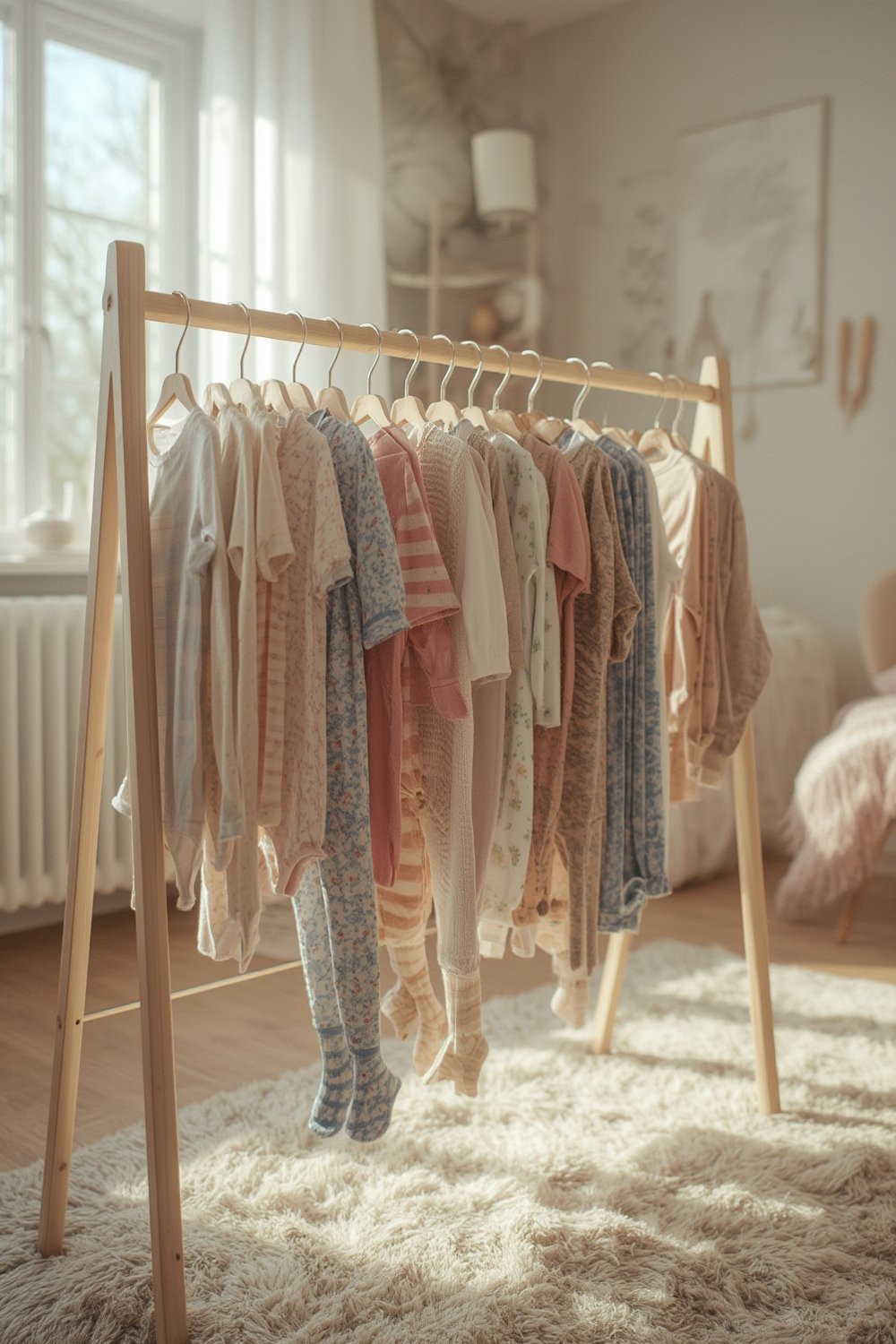
Why all the focus on material and sustainability? Cotton holds about 58.7% of the global market share due to its natural softness, breathability, and hypoallergenic qualities. This makes it ideal for infant skin, which is more sensitive than an adult’s. Organic baby clothes are now a leading segment, with many parents seeking out garments free from chemicals and harsh dyes. Meanwhile, brands like H&M are introducing baby apparel lines made from recycled fibers, adding to the eco-friendly push and offering competitive pricing for new parents. Still, navigating the hype and finding truly safe, affordable clothes can be tricky—especially with sizing challenges and unclear labeling.
Step-by-Step Guide: How to Choose and Buy the Best Baby Clothes
Choosing the right baby clothes involves more than picking cute designs. Follow these steps for safer, smarter shopping:
- Prioritize Cotton and Organic Materials: Always look for pure cotton or certified organic clothing. Cotton remains soft, highly breathable, and is far less likely to irritate baby skin. When possible, check for garments claiming to be organic—but beware that not all “organic” labels are verified or backed by trusted certifications.
- Check for Chemical-Free and Eco Labels: Parents are demanding clothes free from harsh dyes, flame retardants, and harmful chemicals. While global certifications like OEKO-TEX aren’t always referenced in marketing, opt for brands with clear transparency about their sourcing—even large manufacturers like H&M are now launching lines using recycled fibers.
- Consider Function Over Fashion: Functional clothes—such as onesies, bodysuits, and sleepwear—tend to outlast trend-focused pieces. Easy access for diaper changes, stretchy necklines, and snap buttons all save time and reduce frustration.
- Size Up Thoughtfully: Sizing inconsistency is a common headache. Buy a few pieces in different sizes before committing to a larger haul.
- Compare Online and In-Store Deals: While major online platforms provide access to broad selections, don’t forget local shops or second-hand options for value—especially as Amazon and Walmart partner to merge product offerings for competitive pricing.
- Always Inspect Seams, Tags, and Accessories: Check for scratchy seams, poorly attached snaps, or loose threads. Babies tug at everything—avoid choking hazards.
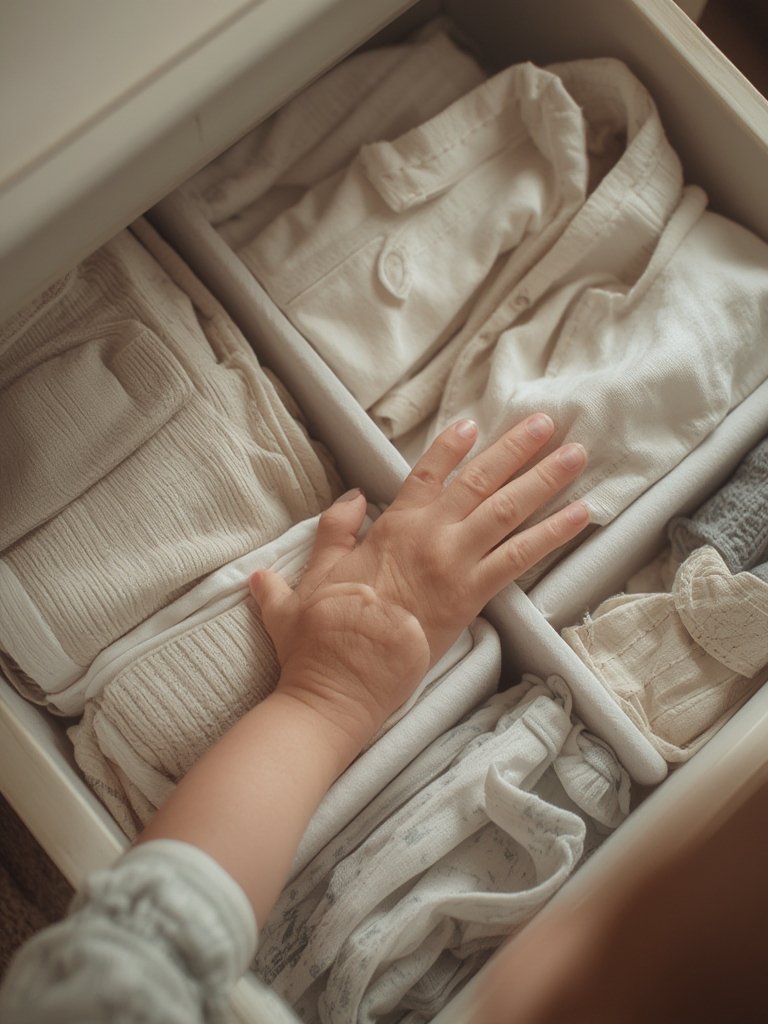
As you explore, also consider clothing needs beyond daily wear. For safe sleep environments, proper attire is critical—pair sleep sacks or wearable blankets with guidance from our crib safety guide. And don’t underestimate the value of functional wardrobe staples: basic onesies, soft pants, and bodysuits are consistently the most-used pieces. If you’re unsure about quantities, see our month-by-month development tips—your child’s changing activity level should drive what you buy and when.
Advanced Analysis & Common Pitfalls
Parents are making smarter choices, but that doesn’t mean the journey is simple. Here’s a realistic look at overlooked problems and the marketplace’s hidden risks for baby clothes in 2024:
- Confusing Market Data: Market size estimates for baby clothes in 2024 range dramatically—from USD 44.5 billion to USD 227 billion—because not all reports define the market the same way. This can skew how trends are reported or which brands you trust.
- Lack of Verified Certifications: Although claims of organic or eco-friendly baby clothes are rising, not every brand details its certifications. Parents may struggle to identify genuinely safe choices among unregulated “natural” or “chemical-free” marketing language.
- No Standardized Sizing: Sizing varies wildly between brands and regions. Without universal standards, buying in bulk or ahead of time often leads to wasted purchases.
- Unclear Pricing: Transparency regarding pricing is still lacking—few sources provide retailer-specific costs or true online vs. in-store comparisons. The competitive pricing offered by e-commerce giants doesn’t always result in better value, especially once you factor in shipping or returns.
- Sustainability & Affordability Tension: While parents want sustainable clothes, certified organic and recycled options can be more expensive or tricky to verify. Some innovations—such as biosensor-equipped baby apparel for health monitoring—drive up costs even further, with questionable long-term benefits for most families.
- Function Overlooked for Style: With the push for hyper-fashionable baby wear, functionality sometimes takes a back seat. Clothes should allow for easy changes, comfort, and, above all, safety.
| Material | Market Share | Pros | Cons |
|---|---|---|---|
| Cotton | ~58-59% | Soft, breathable, hypoallergenic, easy to clean | Not always certified organic, can shrink if washed hot |
| Organic Cotton | Growing rapidly | Chemical-free, safe for most sensitive skin, sustainable | Higher price, tricky to verify certifications |
| Wool | Smaller niche, rising | Warm, breathable, great for winter | May itch, care intensive, not great for hot climates |
| Recycled/Specialty Fibers | Emerging | Sustainable, innovative, sometimes cost-effective | Variable quality, limited selection, unclear durability |
To avoid frustration, always test wash new clothes before heavy use and be vigilant about skin reactions or discomfort. For eco-minded families, our reusable diaper guide is an excellent resource on sustainable choices beyond clothing. And if you’re prepping a nursery, practical storage matters—get inspired by our favorite nursery organization hacks for a safer, tidier space.
Conclusion
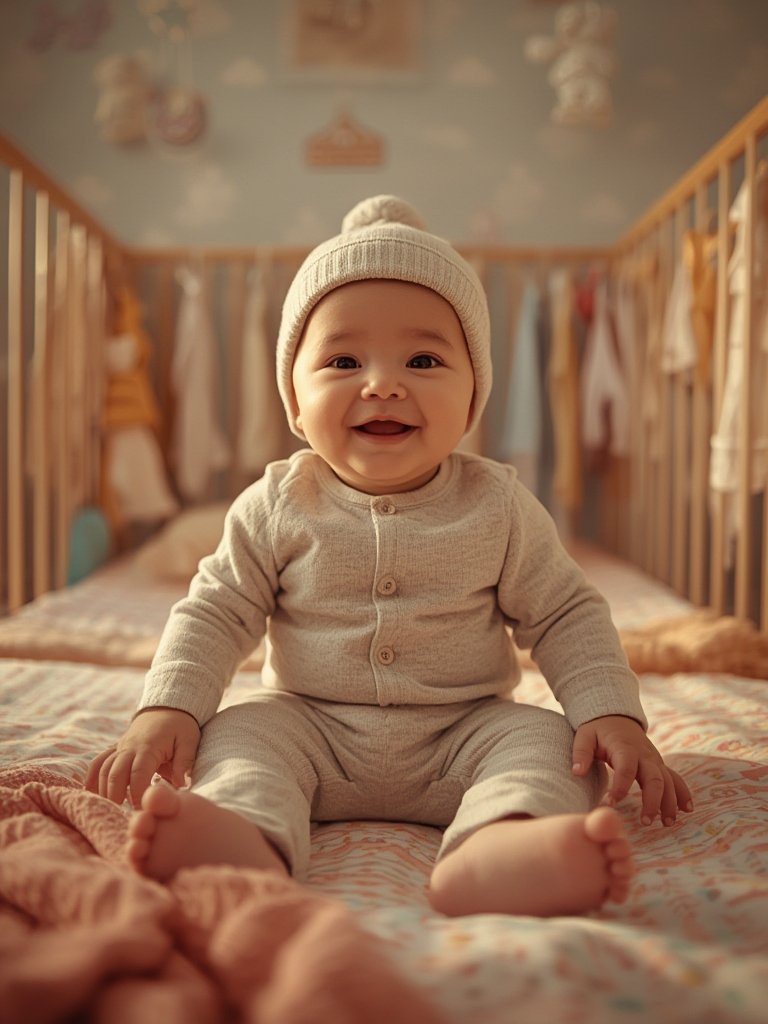
The baby apparel world is evolving quickly. Materials, safety, and true sustainability matter more than ever, but the sheer volume of choices makes it tough to know where to start. Prioritize comfort and cotton, favor transparency, and test fit and feel before stocking up. For more on safe, healthy parenting, browse our developmental milestone tips or see the latest on trending baby toys. When it comes to baby clothes, make every purchase count for safety, savings, and sustainability. Ready to upgrade your baby’s wardrobe? Start with one simple, breathable cotton set—and build from there.
FAQ
What is the safest material for baby clothes?
Cotton is widely regarded as the safest material for baby clothes due to its softness, breathability, and minimal risk of skin irritation. Organic cotton offers an added layer of safety, being chemical-free and eco-friendly.
How can I tell if baby clothes are truly organic?
Look for clear certifications from recognized bodies, such as the Global Organic Textile Standard (GOTS) or OEKO-TEX Standard 100. Be wary of vague “organic” or “eco” claims without supporting details.
How many clothes does a newborn really need?
Start with 6–8 onesies, 4–6 pairs of pants, 4–6 sleepers, and a few layering pieces. Adjust based on your laundry habits and how often your baby has accidents or spit-ups.
Do higher-priced baby clothes last longer?
Not always. While premium clothes sometimes feature sturdier stitching and better-quality materials, many affordable cotton basics can last through multiple washes or a second child with proper care.
Where can I learn about safe sleepwear for babies?
Visit our crib and toddler bed safety guide for expert advice on sleepwear and preventing hazards in the nursery.
[…] If you want to make the most of this trend—whether shopping for daily wear, a birthday outfit, or memorable “shark baby song” party pics—read on for a simple, actionable approach. For guidance on broader baby fashion topics, see our safe & sustainable baby clothes guide. […]
[…] Choose Clothing for Comfort, Not Just Style: Focus on soft, breathable fabrics that let your baby girl move freely. Avoid rough seams, small decorative elements, or anything that could irritate sensitive skin. For the latest in safe, sustainable clothing trends, explore this guide. […]
[…] For more on choosing safe and sustainable outfits, see our comprehensive guide to affordable baby clothes. […]