

Baby constipation relief is a worry that almost every parent faces at some point in their child’s first year. If your baby hasn’t pooped for days or seems uncomfortable, knowing what actually works can make all the difference. In this guide, you’ll find up-to-date, medical-backed strategies to relieve baby constipation safely and effectively—no guesswork required.
Key Takeaways
- Simple dietary changes, movement, and the right home remedies provide baby constipation relief in most cases.
- Not all constipation remedies are safe for infants; always match methods to your baby’s age and check with your pediatrician for persistent issues.
- Recognize the pitfalls and avoid common mistakes, such as using unsafe laxatives or overhydrating young babies.
- What Causes Baby Constipation and Why Relief Matters
- Step-By-Step: How to Relieve Baby Constipation (Based on Science)
- Advanced Analysis & Common Pitfalls
- Conclusion
- FAQ on Baby Constipation Relief
What Causes Baby Constipation and Why Relief Matters
Constipation in babies means difficult, infrequent, or painful stools. Breastfed newborns may go several days without pooping, while formula-fed babies or those starting solids often experience firmer stools or struggle to pass them.
The main causes include a low-fiber or high-dairy diet, formula sensitivity, and dehydration. Sometimes, constipation is caused by a transition, such as shifting from breast milk to formula or starting solids around 4-6 months. If left untreated, baby constipation can lead to discomfort, fussiness, and even stool withholding behaviors, making the issue worse.

Step-By-Step: How to Relieve Baby Constipation (Based on Science)
For most babies, gentle, age-appropriate interventions can restore regularity. Here’s exactly what pediatricians and evidence back:
Step 1: Know What’s Normal
Some variation in stool frequency is expected. Newborns might poop after every feeding, but older babies may poop once every few days. Straining alone doesn’t always mean constipation—look for hard, dry stools and clear signs of discomfort.
Step 2: Age-Based Relief Methods
- Under 4 months: Mix 1 ounce of prune, apple, or pear juice with 1 ounce of water, give once or twice a day.
Source - 4 months to 1 year: Introduce pureed high-fiber foods such as prunes, pears, oatmeal, or peas.
- All ages (excluding newborns): Offer 1-2 ounces of 100% juice daily (prune or pear preferred) for the sorbitol effect, but cap total juice intake at 4 ounces per day. Avoid extra water in infants to prevent interfering with nutrient absorption.
Source - Breastfeeding mothers: Consider adjusting your diet; removing dairy and adding more prunes or apricots may help your baby.
- For older children (over 1 year): Try bran cereals, whole-grain bread, and more unpeeled fruits and vegetables. Have them sit on the toilet for 10 minutes after meals to build healthy habits.
Step 3: Physical Remedies
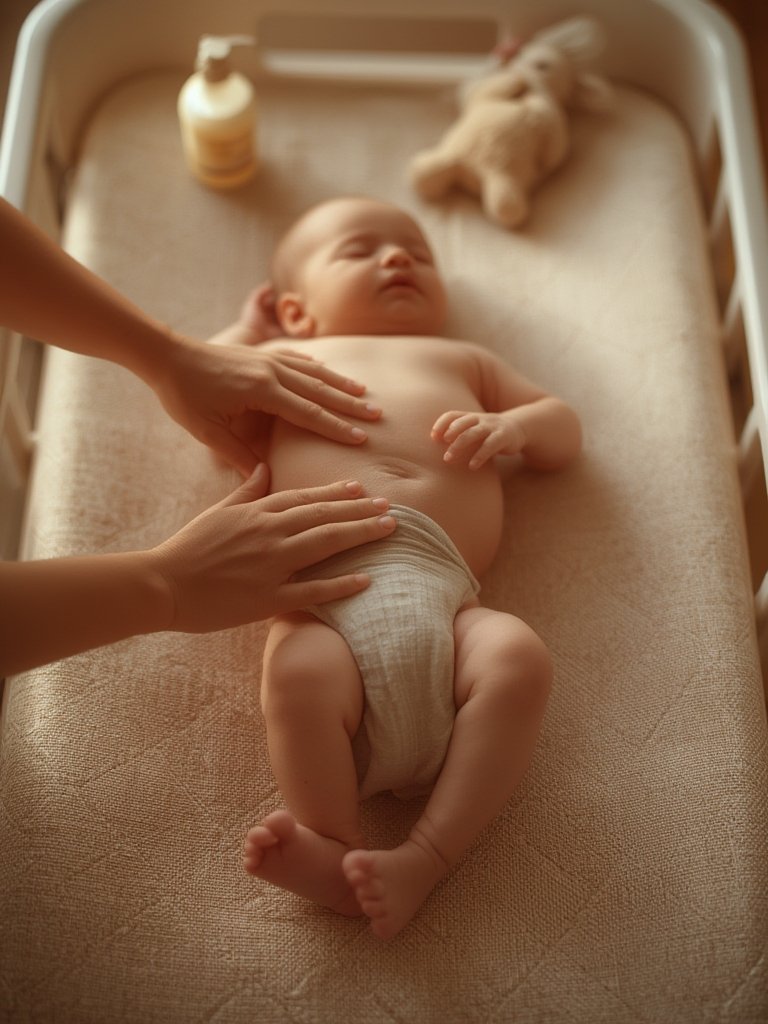
- Tummy Massage: Gentle clockwise circles starting at the navel.
More here - Bicycle Legs: Place baby on their back and gently cycle their legs to stimulate movement.
- Knees-to-Chest: Briefly press your baby’s knees to their chest and release—it mimics a squat and helps push out stool.
See details - Warm Bath: A warm bath relaxes everything and often triggers a bowel movement.
Step 4: Use Medications With Caution
- For ongoing constipation in children over 1 year, pediatricians may recommend safe stool softeners like MiraLAX (PEG 3350) or lactulose. Never use mineral oil, stimulant laxatives, or enemas in infants unless strictly prescribed. For more details on safe products, see AAP guidelines.
Step 5: Monitor, Adjust, and Know When to Call for Help
Watch for improvement within a few days. If there’s no change, your baby is in pain, vomiting, or there’s blood in stool, contact your pediatrician right away.
For related support on infant feeding and digestive health, explore these guides:
- When to Start Solids
- Baby Formula Organic Guide
- Baby Food Maker Guide
- Anti-Colic Baby Bottle Guide
- Baby Probiotics: Safety and Evidence
Advanced Analysis & Common Pitfalls
Many parents fall for unproven “quick fixes” or apply remedies not matched to their baby’s development or age. Here’s what can go wrong and how to avoid it:
| Mistake/Pitfall | Why It’s an Issue | Safer Alternative |
|---|---|---|
| Giving infants extra water or herbal teas | Dilutes nutrients in breast milk/formula, may cause electrolyte imbalances | Use age-appropriate juice with doctor approval |
| Using stimulant laxatives or suppositories without guidance | May cause cramping, dependence, or harm the developing gut | Choose stool softeners only with pediatrician’s approval |
| Over-relying on fruit juices | Excess juice causes diarrhea, weight gain, tooth problems | Limit to 1–4 ounces daily depending on age and never for newborns |
| Waiting too long to seek medical help | Can result in stool withholding, pain, or intestinal blockage | Monitor closely—call pediatrician if no stool in 5–7 days or there’s blood/pain |
One common myth is that stool softeners will create dependence. Research, however, shows no long-term risk of dependence or tolerance when used appropriately (source).
No current (2023–2024) global studies show increasing prevalence, but older reports confirm that frequency and causes vary by feeding type—breastfed babies poop most frequently, while formula or early solids may lead to firmer stools (reference).

Conclusion
Managing baby constipation relief is about combining the right dietary tweaks, gentle movement, and, when truly needed, safe medications. With a clear plan, parents can often resolve mild constipation quickly—while knowing when to call the pediatrician if simple fixes aren’t working.
If you found these tips helpful, share them with a fellow parent or save this guide for quick reference. For even more baby care answers and baby constipation relief tips, explore our baby development milestones guide.
FAQ on Baby Constipation Relief
How many days can a baby go without pooping before I should worry?
Most breastfed babies can go up to 7 days, and formula-fed babies up to 3–5 days, as long as stools are soft and there’s no pain. Contact your pediatrician sooner if your baby appears uncomfortable, has a hard belly, or there’s blood in the stool.
What foods help babies poop faster once they start solids?
Pureed prunes, pears, peas, peaches, barley, and oatmeal are the best high-fiber choices to promote softer stools in babies eating solids.
Is it safe to use over-the-counter laxatives for baby constipation relief?
Never use OTC laxatives or enemas in infants unless prescribed by your pediatrician. Options like PEG 3350 (MiraLAX) are sometimes used for children over 1 year under medical supervision.
Are physical maneuvers like tummy massage or bicycle legs really effective?
Yes, gentle tummy massage and leg movement often help stimulate the digestive tract, especially if combined with warm baths and proper diet adjustments.
When should I see a pediatrician for baby constipation?
See your doctor if constipation lasts more than 5–7 days, your baby is in pain, vomits, passes blood, or home remedies don’t help.