

### Blog Post:
Baby cough home remedy searches are soaring among parents looking for gentle, effective alternatives to over-the-counter drugs. As coughs often disrupt sleep and worry caregivers, understanding what works—and what doesn’t—matters more than ever.
Key Takeaways
- Evidence for baby cough home remedies is limited. Honey helps but is only safe for children over one year.
- Safety risks—such as allergic reactions and skin irritation from vapour rubs—are often overlooked.
- Always seek medical care if a baby’s cough worsens, or if symptoms like breathing difficulties emerge.
- The Core Concept: Baby Cough Home Remedy
- Step-by-Step Guide: Safe Home Remedy Practices
- Advanced Analysis & Common Pitfalls
- Conclusion
- FAQ
The Core Concept: Baby Cough Home Remedy
Most parents wonder if home remedies can provide safe relief for their baby’s cough. The idea is simple: use kitchen staples and gentle care to soothe symptoms, reduce nighttime wakings, and avoid medications that may not be appropriate for young children.

Globally, parents spend billions on OTC cough treatments each year [source], yet many turn to home remedies first, especially when their child is under six—the age group leading experts warn against OTC treatments. But not all remedies are created equal, and many popular tricks carry hidden risks.
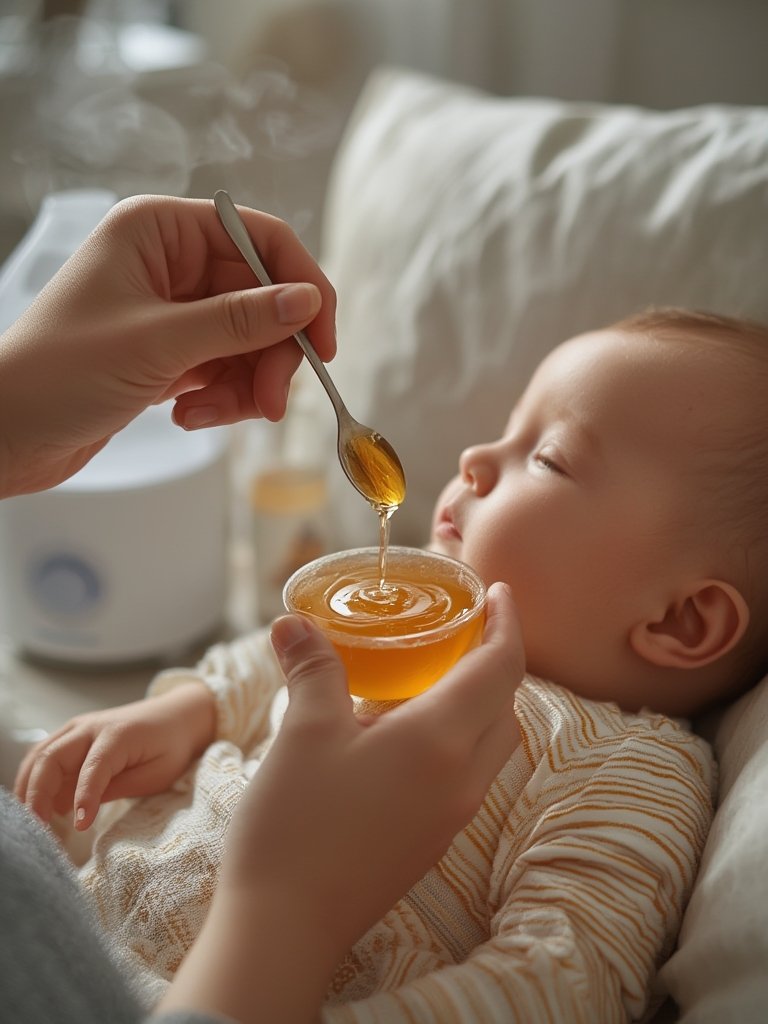
For instance, honey is a proven, age-appropriate choice for children over one year, as it can effectively reduce cough frequency and severity [Mayo Clinic]. However, it must never be given to babies under twelve months due to the risk of infant botulism—a potentially fatal illness [NCBI].
This is why understanding the evidence, safety limits, and appropriate steps for each home remedy is critical. Let’s break down what works, how to do it safely, and the real challenges parents face.
Step-by-Step Guide: Safe Home Remedy Practices
Relieving a baby’s cough at home comes down to a few proven actions. Here’s a stepwise plan to maximize comfort while avoiding common dangers.
-
Keep your baby hydrated.
Regular breast milk or formula feeds prevent throat dryness and mucus thickening. Even mild dehydration can worsen coughing.
-
Add humidity to the air.
Turn on a cool-mist humidifier, especially overnight. Alternatively, running a hot shower and sitting with your baby in the steamy bathroom for 10 minutes can ease cough discomfort.
-
Use honey—but only for children aged over 1 year.
Give half to one teaspoon (2–5 mL) of honey 30 minutes before bedtime. This has shown to be as or more effective than many OTC medicines for easing symptoms at night. [Mayo Clinic] For questions about honey safety, read is honey safe for babies?
-
Try saline nasal drops or sprays.
Saline helps thin mucus, making it easier for babies to feed and breathe, especially when coughs come with congestion. No prescription needed.
-
Avoid OTC cough medicines for children under 6 years.
Per FDA and American Academy of Pediatrics, these are not recommended for children under six—and are outright unsafe for those under two. [FDA Guidance]
For more on baby-safe remedies, see our infant skin rash treatment guide—another area where safe, gentle home treatments are key.
-
Monitor for warning signs.
If your baby has rapid or difficult breathing, blue lips, persistent vomiting, high fever, or is under three months with a cough, seek immediate medical care.
Optional steps that may help (but lack strong evidence):
- Rub a small amount of age-appropriate vapour rub on the chest or feet of children over 2 years. Some find it relieves symptoms, but up to 28% report skin irritation. Never use under age two or on broken skin [Research PDF].
- Offer warm fluids to older toddlers, if safe and supervised. Do not give hot drinks to infants.
Related: If you’re preparing healthy baby meals at home, see our homemade baby food guide for kitchen tips.
Finally, keep a baby first aid kit on hand. Fast response matters if a mild cough becomes something more serious.
Advanced Analysis & Common Pitfalls
Many parents hope for a “miracle cure” from home remedies, but the reality is more nuanced. Here’s a breakdown of what often goes wrong, and how to steer clear of trouble.
| Common Pitfall | Risks & Evidence | Actions to Stay Safe |
|---|---|---|
| Giving honey to infants under 1 year | Serious risk: infant botulism, a potentially fatal condition | Never use honey for babies under 12 months; use saline and humidity instead |
| Overusing vapour rub | Skin burning in up to 28% of children (especially under age 2) | Only use in children over 2 years, on intact skin; avoid face/nose area [Research PDF] |
| Confusion with herbal or multi-ingredient remedies | Lack of safety and dosing data; risk of allergic reactions | Stick to simple, well-studied remedies; avoid experimental or multi-ingredient products [Allergy Risks] |
| Ignoring timing and warning signs | Delayed treatment for severe underlying illness | If cough lasts over a week, worsens suddenly, or involves labored breathing—see a doctor promptly |
If you’re also worried about baby allergies, read our baby allergy testing guide to spot the signs early.
Cost can be another surprise: Most home remedies use pantry staples, costing pennies, while OTC products can be a significant recurring expense, especially as they’re often not effective or recommended for babies [NCBI].
Confused about what’s normal with your baby’s development while sick? Our baby developmental milestones month by month guide can help you watch for red flags versus ordinary setbacks during illness.

Conclusion
Parents have valid reasons for considering baby cough home remedy approaches. When used wisely—focusing on age-safe remedies, simple hydration, and humidity—these methods can reduce symptoms and bring comfort. However, ignoring warning signs, using unsafe products, or relying solely on home treatments for serious illness puts babies at risk. Know what works, stick to evidence-backed choices, and always get help if symptoms worsen. If you found this helpful, share with your circle or check out guides like our baby sleep regression guide for more trusted health advice. Your baby’s comfort and safety come first.
FAQ
Is honey safe as a baby cough home remedy?
Honey is only safe for children over 1 year old due to the risk of infant botulism. For those older than 1, half to one teaspoon can reduce cough. Never use honey for infants under one year.
What should I use for a newborn’s cough?
Stick to offering fluids, using a cool-mist humidifier, and saline nose drops. Avoid honey, vapour rub, and all cough medicines in newborns. Always consult your pediatrician for coughs in babies under three months.
Are herbal remedies safe for babies?
Most herbal remedies lack proven safety or dosing guidelines for infants, and some may cause allergic reactions. It’s best to avoid them unless specifically recommended by a pediatrician.
When should I call a doctor about my baby’s cough?
Contact a doctor if your baby is under three months and has a cough, shows signs of difficulty breathing, feeds poorly, has a high fever, or if the cough lasts more than a week or worsens suddenly.
Are over-the-counter cough medicines safe for babies?
No. Both the FDA and pediatric experts warn against OTC cough and cold remedies for children under six—and especially for those under two—due to serious side effects and lack of benefit.
—