

Baby feeding chair selection is a pivotal decision for parents aiming for safer, less stressful mealtimes. The right chair doesn’t just support feeding—it helps with posture, independence, and family bonding around the table. Here’s what you must know in 2024 before bringing one home.
Key Takeaways
- Global demand for baby feeding chairs is rising rapidly, with North America and Asia Pacific leading the growth in 2024.
- Modern trends include portable hook-on portability, adjustable features, and design-focused innovations for small spaces.
- Understanding realistic pitfalls, like unclear certifications and adjustment struggles, is as crucial as knowing the benefits.
- What Makes a Baby Feeding Chair Essential in 2024?
- How to Choose and Use a Baby Feeding Chair: A Step-by-Step Parent Guide
- Common Pitfalls and Realistic Problems With Baby Feeding Chairs
- Final Thoughts and Smart Next Steps
- Frequently Asked Questions
What Makes a Baby Feeding Chair Essential in 2024?
Baby feeding chairs are more than just a convenient spot for meals—they play a practical role in your child’s development, independence, and inclusion at the family table. As global market demand surges (source), parents in 2024 expect high chairs to meet diverse needs: safety, adjustability, compactness, and aesthetic fit for modern living spaces.
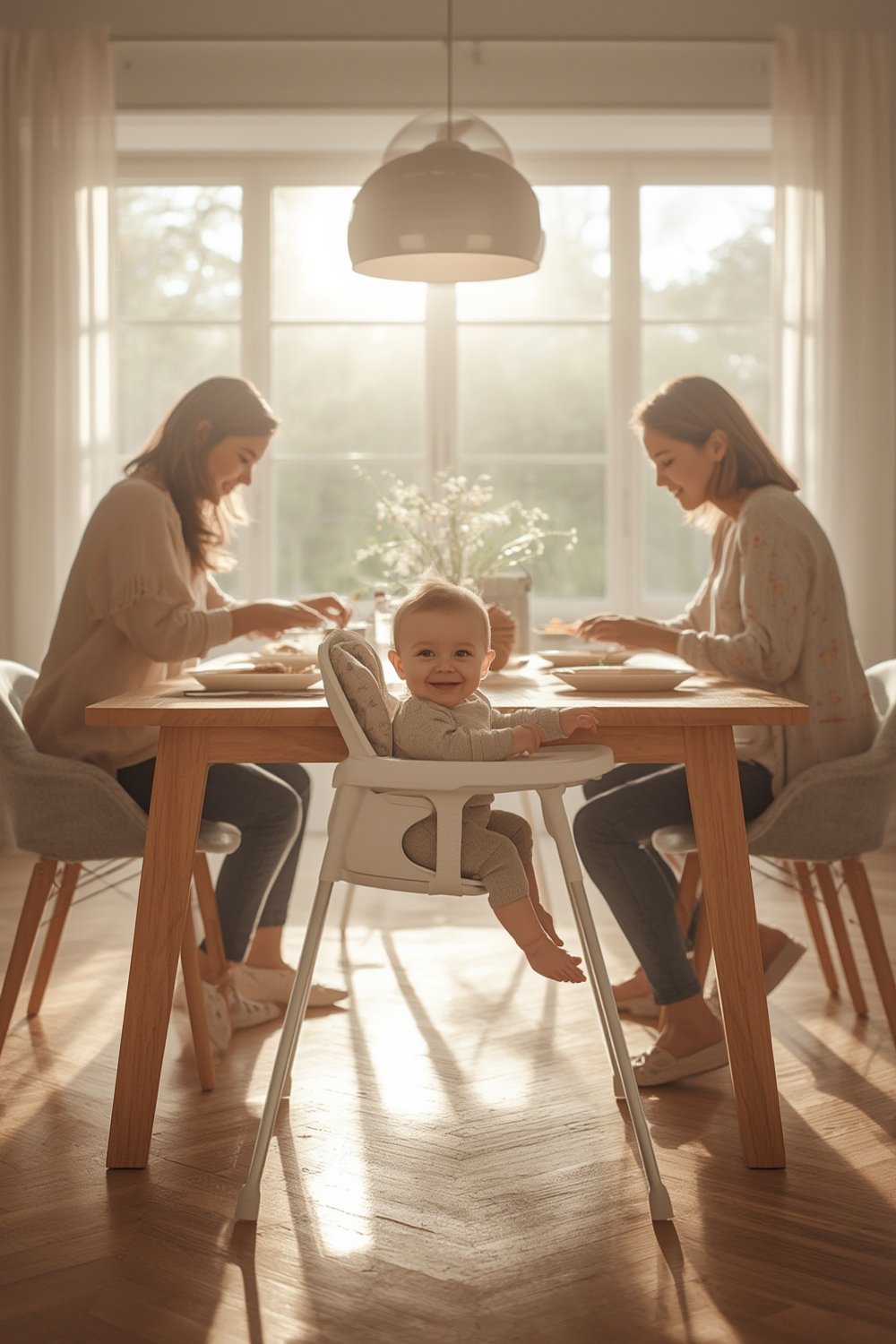
Data-driven trends show that features such as hook-on portability and quick adjustments for different ages, along with easy cleaning and attractive design, are shaping buying decisions. With household spaces shrinking and more meals happening on-the-go, compact and foldable models are quickly gaining ground. This makes understanding your real usage scenarios—kitchen, dining room, travel, or all of the above—even more important.
The global baby high chair market is massive and growing. North America dominates sales, but Asia Pacific is catching up fast due to a 7% CAGR (source). Online purchases are also rapidly increasing, offering wider selections and more competitive pricing (source).
Yet, the must-have factor remains: a fitting solution for your baby’s comfort, safety, and your daily routine—without over-complication or unnecessary features.
How to Choose and Use a Baby Feeding Chair: A Step-by-Step Parent Guide
-
Analyze Your Living & Dining Space:
Measure where you’ll use the chair most. Compact? Folding? Fixed? Hook-on models save space, but do they fit your table?
-
Prioritize Safety First:
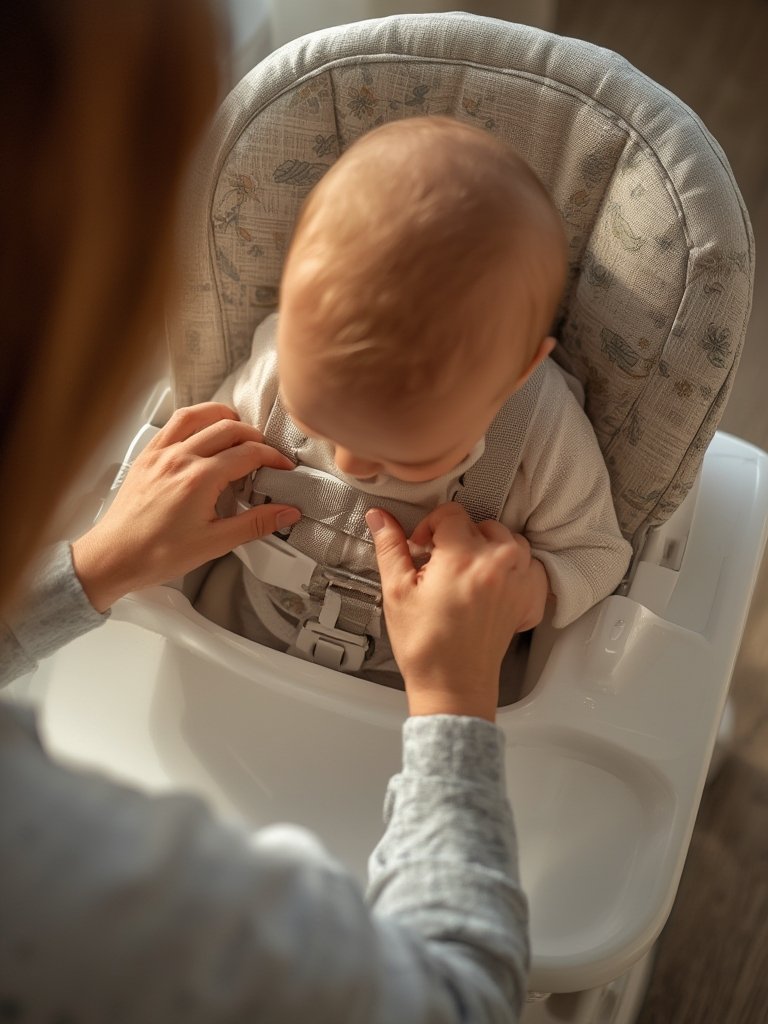
Look for a wide base, a secure harness, non-slip feet, and stable construction. There is a realistic lack of consistent safety certifications in international markets—even in the US and UK, standards exist but are often ambiguous to consumers.
-
Choose Age-Appropriate Adjustability:
Newborn inserts, reclining positions for infants, adjustable height, and removable trays are essential as your child grows. Chairs that cater to 0-6 months have the majority share, while models supporting 6-12 months (introduction to solids) are driving fastest growth (source). If possible, test the adjustment mechanism before buying—some are smooth, others can feel sticky or insecure.
-
Consider Cleanability & Daily Hygiene:
Removable trays and machine-washable covers save sanity during messy mealtimes. Avoid complicated seams or crevices—these collect crumbs and become cleaning headaches fast.
-
Plan for Travel or Multi-Room Use:
If your routine involves relatives’ homes or small-space living, opt for a lightweight, foldable, or hook-on feeding chair. Just be aware: portability sometimes means sacrifice in sturdiness.
-
Check Warranty & Brand Reviews:
Seek brands known for responsive customer service and transparent policies. Online reviews offer insight, but interpret carefully—focus on mentions of long-term durability or warranty fulfillment.
When searching for practical nursery solutions, consider pairing your high chair pick with smart organization—see our toy storage ideas for inspiration, or explore healthy baby food preparation tips for a well-rounded feeding setup.
Common Pitfalls and Realistic Problems With Baby Feeding Chairs
Selecting the right baby feeding chair isn’t always straightforward. Several problems and knowledge gaps make parents second-guess their choice, especially with newer features and endless online options. Here’s what market data and real-world experience reveal:
1. Lack of Standardized Safety Certifications
Unlike car seats, baby monitor tech, or sleep gear (read more on toddler safety), many top-selling feeding chairs don’t publicly display detailed certification or compliance. That’s a genuine concern—always verify for recognized safety standards like ASTM (US) or EN 14988 (EU) where possible, but be aware that advertised claims can be vague.
2. Cleanability Frustrations
Parents often struggle with chairs that have too many seams, non-removable covers, or slide-in tray mechanisms that trap food. Over time, this reduces the chair’s hygienic value and increases daily effort.
3. Adjustability and Usability Trade-offs
While adjustable chairs are trending, some parents report that the actual mechanisms (lever strength, tray removal, recline locks) can be unintuitive or difficult to engage one-handed—an issue if you’re holding your child at the same time.
4. Price vs. Value Uncertainty
The huge price range across the market doesn’t always reflect practical differences. Chairs with premium price tags sometimes simply offer brand cachet rather than tangible daily advantage. Prioritize proven durability and fit over high-end features if your budget is limited.
| Feature | Potential Pitfall | Solution |
|---|---|---|
| Adjustable Height & Recline | Complex or sticky levers; unsafe if not locked | Test in-store; choose simple lock designs |
| Removable Tray | Trap crumbs & hard to remove | Pick wide, single-piece trays with easy release buttons |
| Portability (Hook-on/Folding) | May wobble or mar tables; less sturdy | Check fit for your table thickness, avoid top-heavy models |
| Safety Harness | Can be difficult to adjust or clean | Prefer 5-point harnesses with removable straps |
| Material Choice | Unprotected padding absorbs stains; non-breathable surfaces | Opt for wipeable, machine-washable covers |
If you’re also worried about baby safety and practical feeding tools, see our guides on anti-colic bottles and childproofing essentials for proactive peace of mind.

Final Thoughts and Smart Next Steps
Choosing a well-suited baby feeding chair is crucial for meal safety, comfort, and family bonding in 2024. By weighing adjustability, real-life usability, and straightforward cleanup over hype or aesthetics, you make mealtime easier and safer for your growing baby. Always confirm safety credentials, and don’t hesitate to prioritize practical fit over fleeting trends—the ideal baby feeding chair is one that works for your home, your baby, and your daily flow.
Ready to make meals less stressful? Compare brands, check your space, and invest in a feeding setup tailored for your real needs. For more smart parenting steps, explore our parenting insights or the top stroller travel systems before you shop.
Frequently Asked Questions
What is the ideal age to start using a baby feeding chair?
Most babies are ready for a high chair around 6 months, when they can sit up with support and show interest in solid foods. Some chairs have reclining features or infant inserts for even earlier use, but always follow the chair’s minimum age/weight guidelines.
Are foldable and hook-on baby feeding chairs as safe as traditional high chairs?
If used according to their instructions and secured on appropriate surfaces, many foldable or hook-on models can be safe. However, they may be less stable on certain tables or after frequent wear. Always test stability before using and never leave your baby unattended.
How important are safety certifications for baby feeding chairs?
Very important for peace of mind, though not all manufacturers publicly share certification details. Look for chairs meeting ASTM F404 (US), EN 14988 (EU), or equivalent standards where possible. When in doubt, contact the brand or consult local regulations.
What’s the best way to clean a baby feeding chair?
Pick a chair with removable, machine-washable covers and trays. For daily cleaning, use mild soap and water or a baking soda paste for tough stains. Avoid harsh chemicals that could irritate baby skin or degrade seat materials.
How do price and features compare in 2024?
Prices vary widely by brand and features: expensive models often offer more adjustments, sleeker design, or premium branding. However, solid, safe, and easy-to-clean models exist at reasonable prices if you prioritize what your home really needs.
[…] find generic walkers, look into safe DIY upgrades. For guidance on baby walker essentials, see our adjustable baby chair guide or explore safe play tips in our baby milestone […]